Best in Travel is here! Contact Us


- Home
- About
- Safaris
- Destinations
- Arusha
- Tarangire
- Serengeti
- Ngorongoro
- Manyara
- Zanzibar
- Arusha
- Tarangire
- Serengeti
- Ngorongoro
- Manyara
- Zanzibar
Explore Tanzania Wilderness
Escape the Ordinary Discover the World!
- Kilimanjaro
- Zanzibar
- Experience
Kilimanjaro Altitude Sickness
Kilimanjaro Altitude Sickness
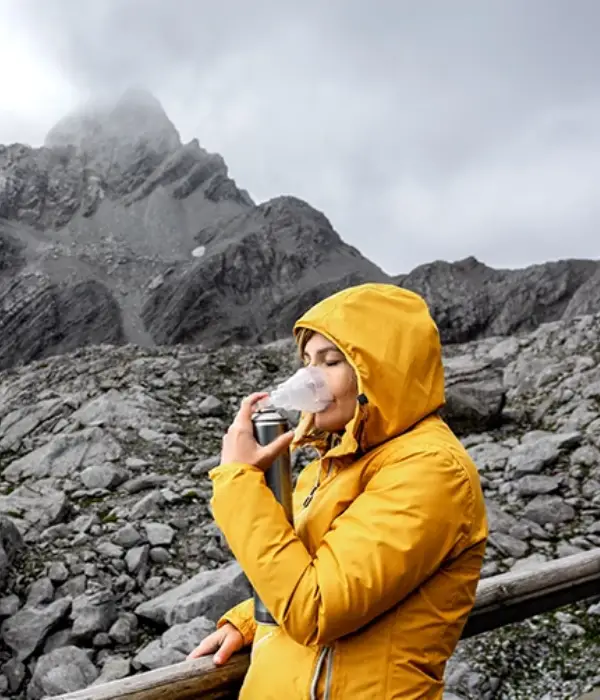
Prepare For Kilimanjaro Altitude
Preparing for a Kilimanjaro climb means understanding the risks associated with high altitude. Altitude sickness can affect trekkers as they ascend, particularly when the body has insufficient time to acclimatize. Discover helpful information about symptoms, prevention, acclimatization, pacing, hydration, and rest. Our Kilimanjaro altitude sickness guide helps you understand what to expect and how responsible preparation can support a safer and more enjoyable trekking experience.
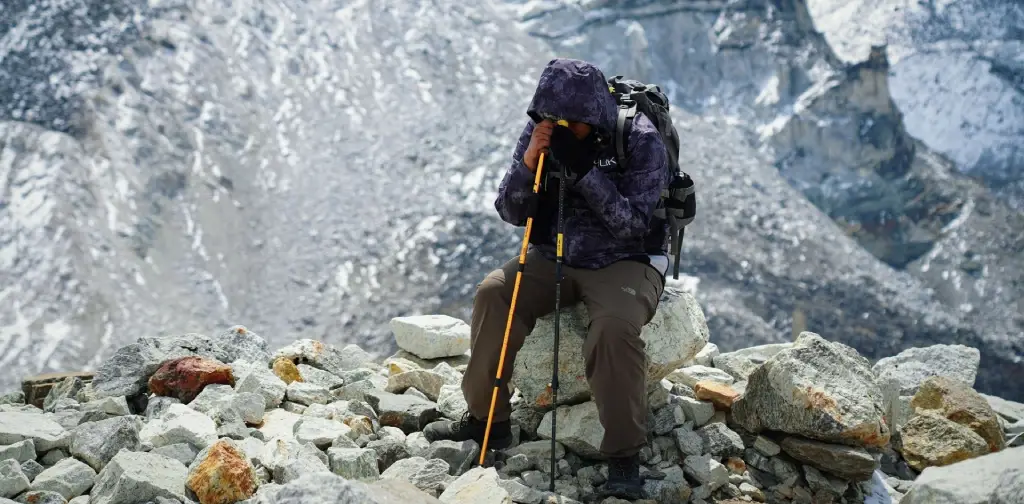
How To Avoid Altitude Sickness on Kilimanjaro
Preparing for Kilimanjaro altitude sickness should begin before you reach the mountain. Because Kilimanjaro rises to 5,895 metres, your body needs time to adjust to decreasing oxygen levels. A carefully planned itinerary, gradual ascent, adequate acclimatization, and awareness of symptoms can reduce your risk of serious altitude illness. Choosing a longer Kilimanjaro trekking route can also provide more time for your body to adapt.
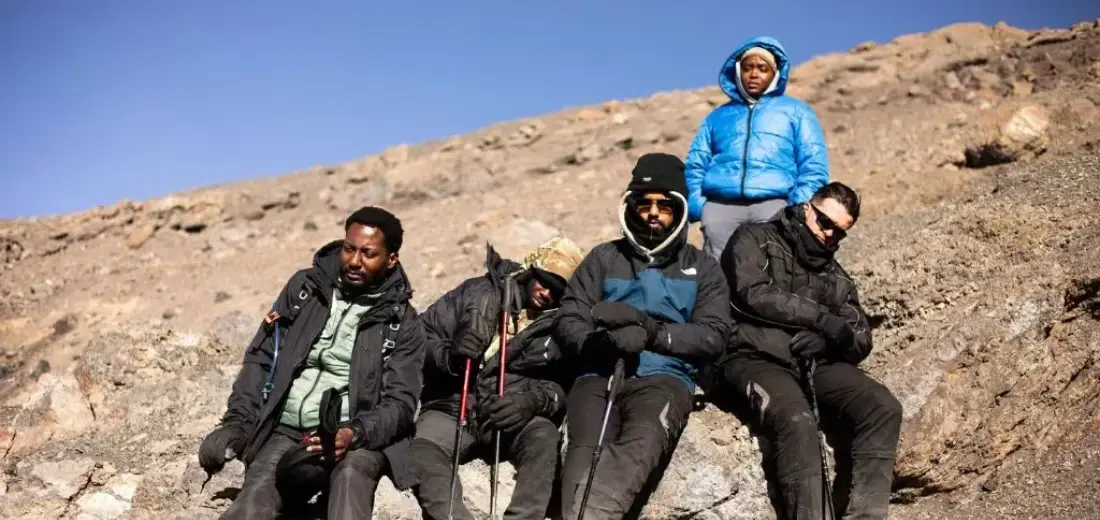
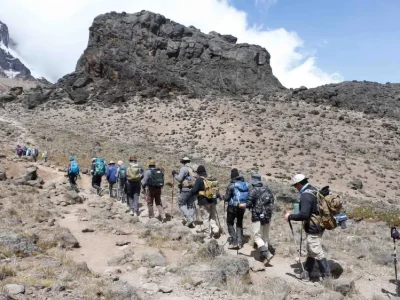
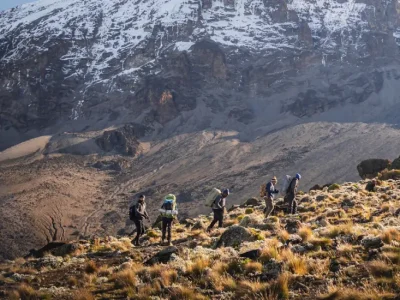
Altitude acclimatization is one of the most important considerations during a Kilimanjaro climb. Avoid ascending too quickly and choose an itinerary that allows sufficient time for adjustment. Additional days on the mountain can improve acclimatization opportunities. Follow your guide’s recommended pace and avoid sleeping at a higher elevation when you are experiencing altitude symptoms. A slower, well-planned ascent is generally safer than rushing toward the summit.
Knowing the symptoms of altitude sickness on Kilimanjaro can help you respond before the condition becomes more serious. Common symptoms include headache, nausea, dizziness, tiredness, loss of appetite, and sleep difficulties. Tell your guide immediately if you develop symptoms, and do not continue ascending while they persist. If symptoms worsen despite resting at the same elevation, descending to a lower altitude is essential.
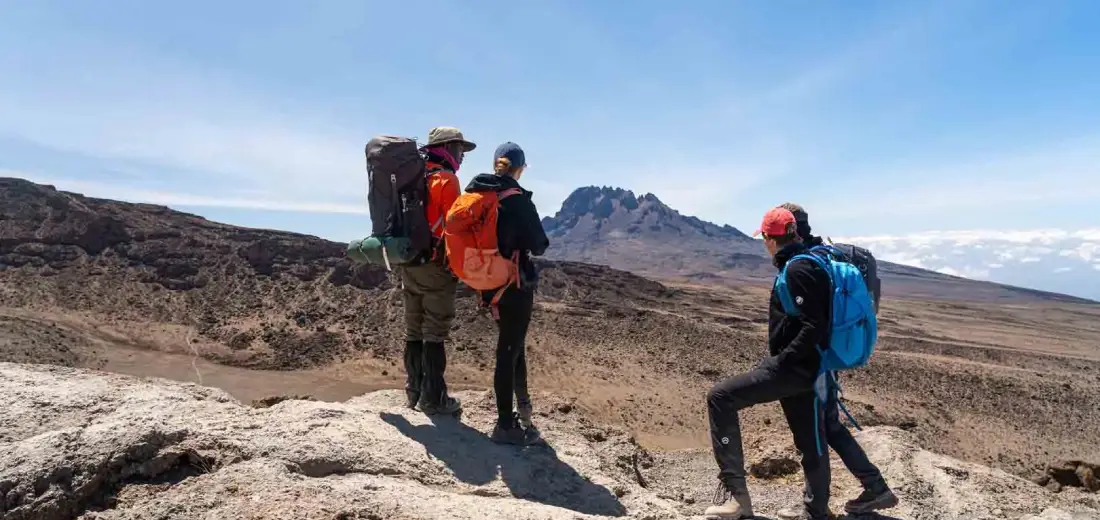
A sensible pace can support your Kilimanjaro acclimatization and help reduce unnecessary physical strain. Walk slowly, take appropriate breaks, eat regularly, and drink fluids according to your needs. Avoid alcohol and strenuous exertion during the initial period at altitude. Some travellers may benefit from preventive medication such as acetazolamide, but medication should be discussed with a qualified healthcare professional before your journey rather than used as a substitute for proper acclimatization.
There is no guaranteed way to completely prevent altitude sickness on Kilimanjaro, so knowing when to stop climbing is essential. If symptoms become worse while resting, immediate descent may be necessary. Severe symptoms such as confusion, loss of coordination, or significant breathing difficulty require urgent attention and descent to a lower elevation. Before your Kilimanjaro climb, discuss altitude risks with a healthcare professional and follow your guide’s safety instructions.
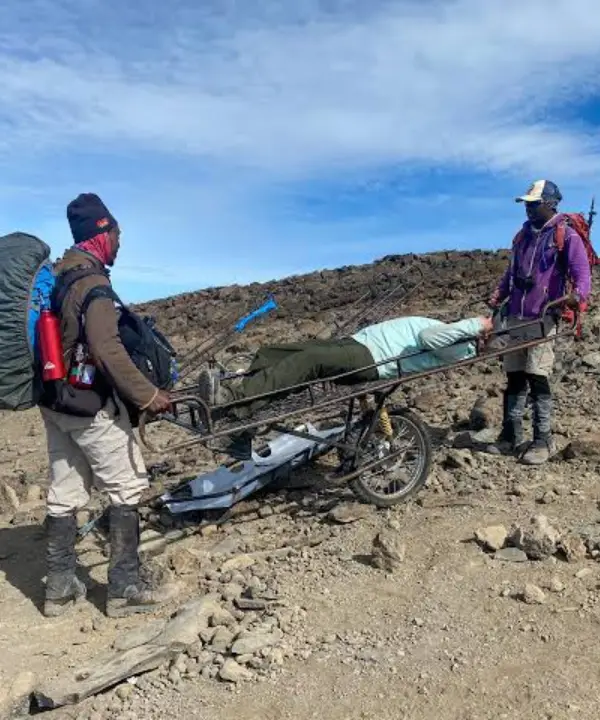
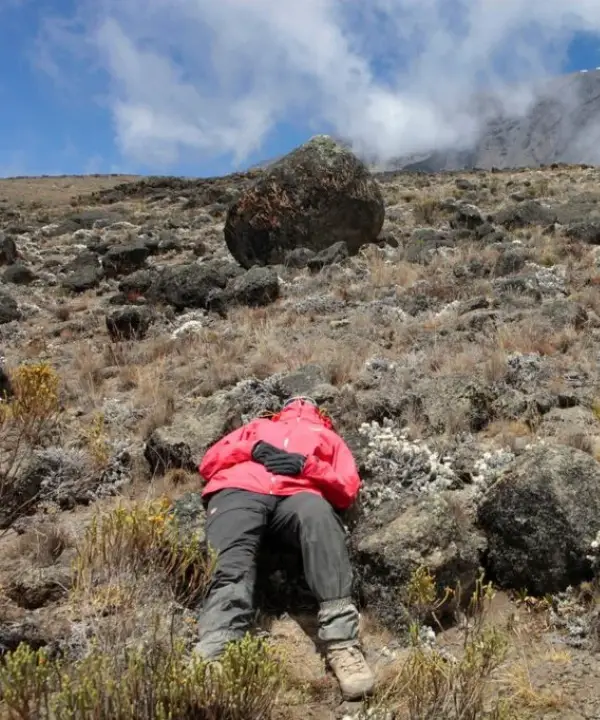
Smart Preparation Prevents Altitude Sickness on Kilimanjaro
A successful Kilimanjaro climb starts with smart preparation and realistic expectations about high altitude. Since reduced oxygen can cause altitude sickness, allowing enough time for gradual acclimatization is essential. Choose an itinerary that supports a slower ascent, maintain a steady pace, and pay attention to how your body feels throughout the trek. Understanding common symptoms and responding early can help you make safer decisions during your journey.
Yonazi Travel help trekkers to prepare carefully for Kilimanjaro altitude sickness before beginning their adventure. Discuss altitude-related concerns with a healthcare professional, follow your mountain guide’s instructions, and avoid continuing upward when symptoms are getting worse. If serious symptoms develop, descent and urgent medical attention may be necessary. With proper altitude acclimatization, thoughtful planning, and responsible trekking, you can approach your Kilimanjaro summit adventure with greater confidence.
Kilimanjaro Climbing Guide
Let’s Plan Your Perfect Safari
Plan your dream Tanzania safari with expert guidance, personalised itineraries, and unforgettable wildlife adventures.