Kilimanjaro Climbing Cost
Kilimanjaro climbing cost depends on much more than the number of days on the mountain. Park fees already account for a large share of the total price, and the remainder must cover transport, hotel stays, meals, climbing gear, crew wages, safety equipment, taxes, and operating costs. This guide helps you understand what goes into the price, why costs vary, and what a reasonable Kilimanjaro climbing budget should actually include before you book.
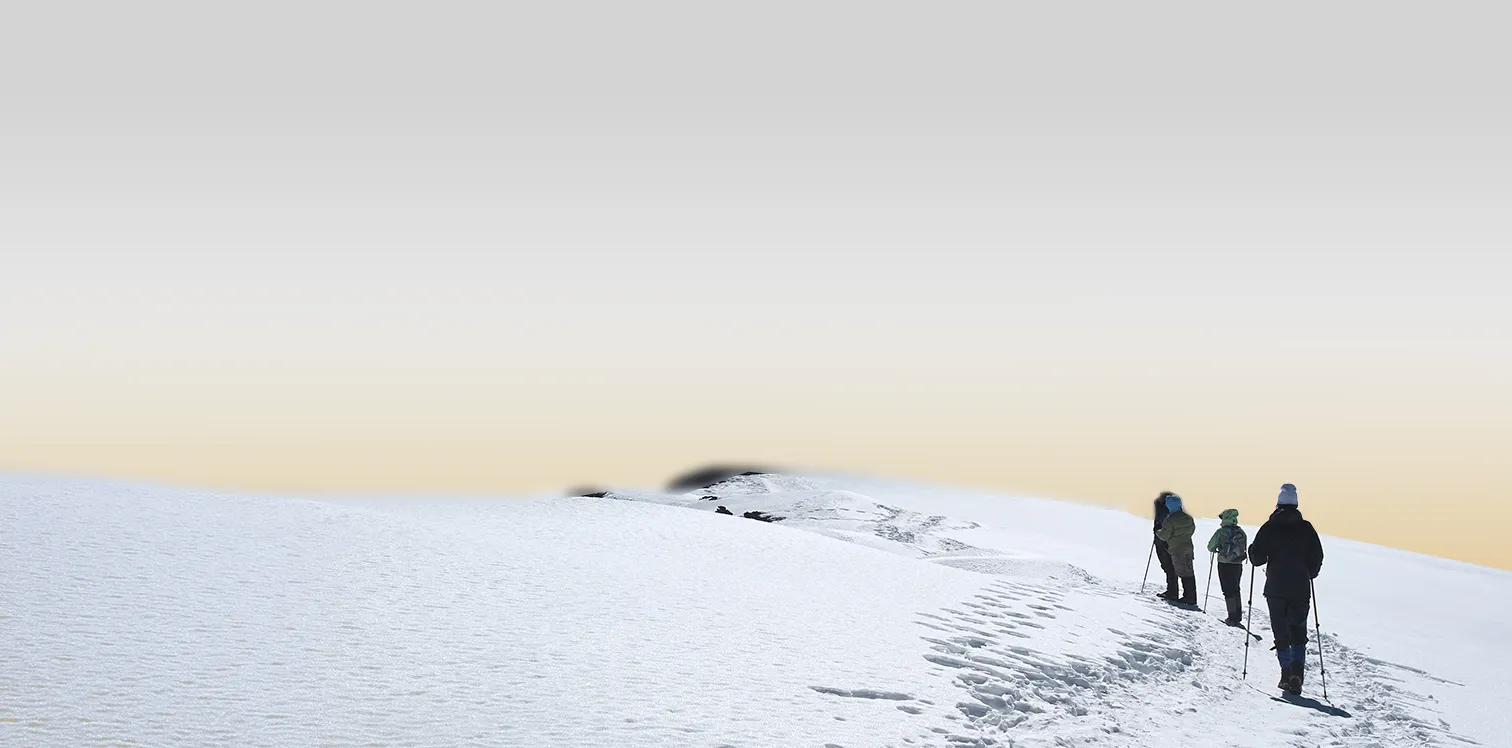
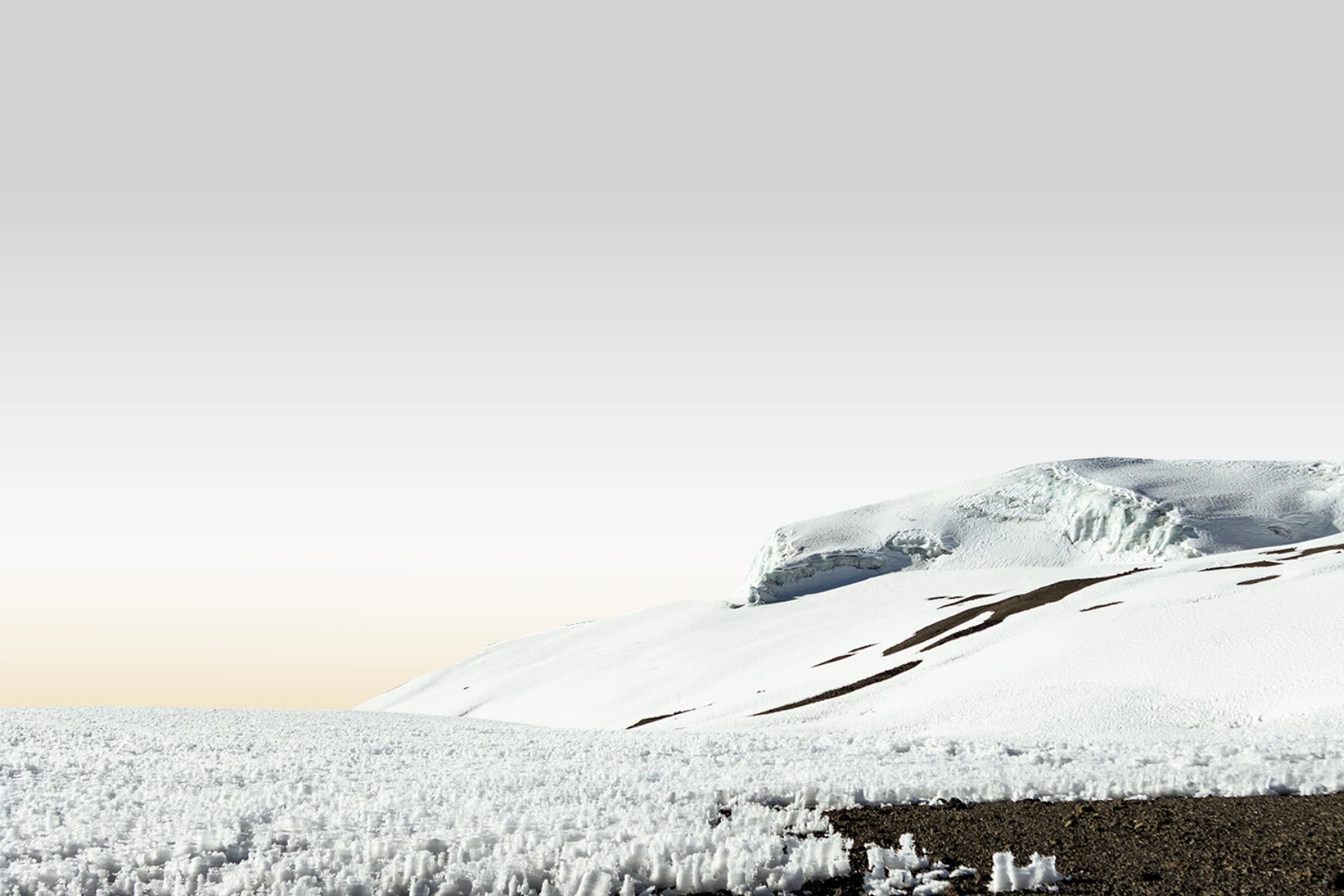
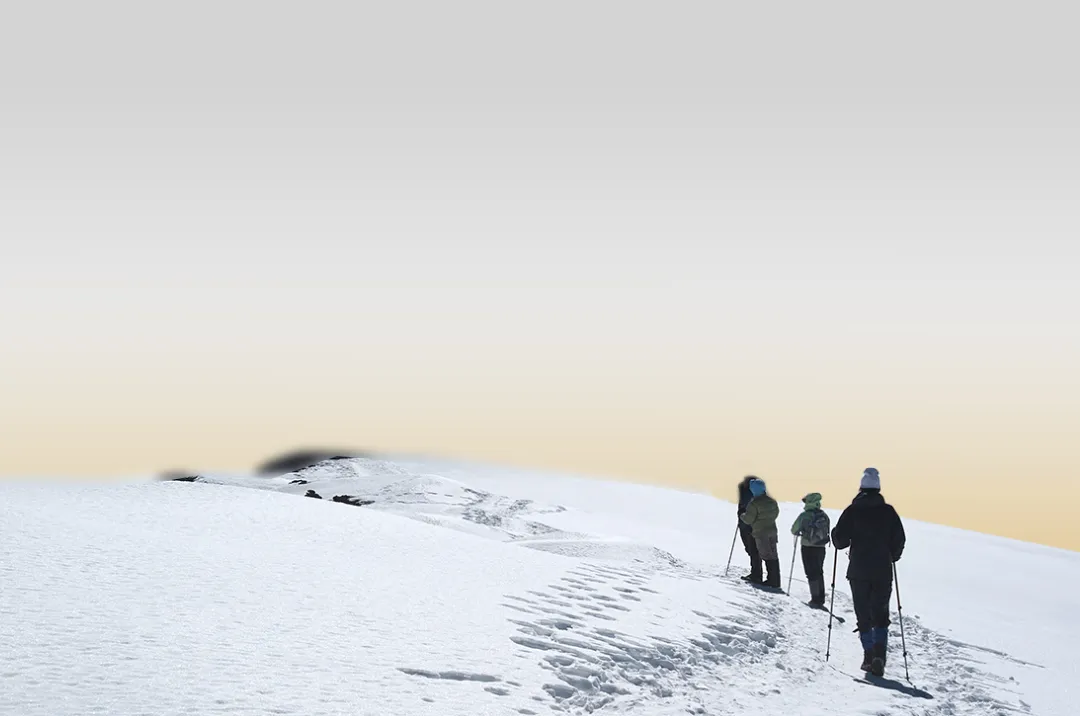
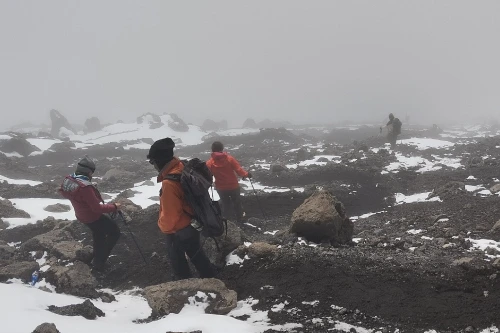
Climbers crossing a snowy high-altitude section reflect the demanding conditions on Kilimanjaro, where expert crews, safety support, equipment needs, and route logistics all influence the overall climbing cost.
How Much Does Climbing Kilimanjaro Cost?
The average climbing Kilimanjaro Cost ranges between $2,000 and $6,000. Such a wide range exists because many types of operators offer various services at different prices. Some companies cut corners to keep their numbers low, while better Kilimanjaro Tour Operators invest in strong safety systems, fair wages for their crew, fresh food, and reliable gear. Beyond your Kilimanjaro Climbing Package price, you will also need to set some cash aside for flights, your visa, tips, gear, and medical needs.
At Bestday Safaris, we believe in pricing your climb based on safety, fair treatment for our hardworking crews, and the required fees set by the national park. This guide shows you exactly where your money goes. Having the basic understanding of the cost aspect, you can compare operators correctly and choose a climb that protects your summit chances and your team’s welfare.
Breaking Down the Cost of Climbing Kilimanjaro
The Mount Kilimanjaro climb price is made up of fixed charges and running costs. Some of these are set by the park. Others depend on how the operator runs the climb.
Kilimanjaro National Park fees
A large part of Kilimanjaro climbing fees goes to park-related charges. These are unavoidable and apply to every licensed operator.
The main park costs include:
- Conservation fee — $70 per day per climber
- Camping or hut fee — $50 to $60 per night per climber
- Rescue fee — $20 per person per trip
- Guide and porter entrance fee — $2 per staff member per trip
- VAT — 18% on services
On many climbs, park costs alone can reach around $160 to $200 per climber, per night. That is before staff wages, transport, food, and equipment are even added.
A simple example makes this easier to see. On a 7-day Machame Route climb:
- Conservation fees can reach $490
- Camping fees can reach $300
- The rescue fee is added once
- Crew entry fees still apply
- VAT still applies
That is why a very low Kilimanjaro climbing cost should always make a climber pause and look deeper.
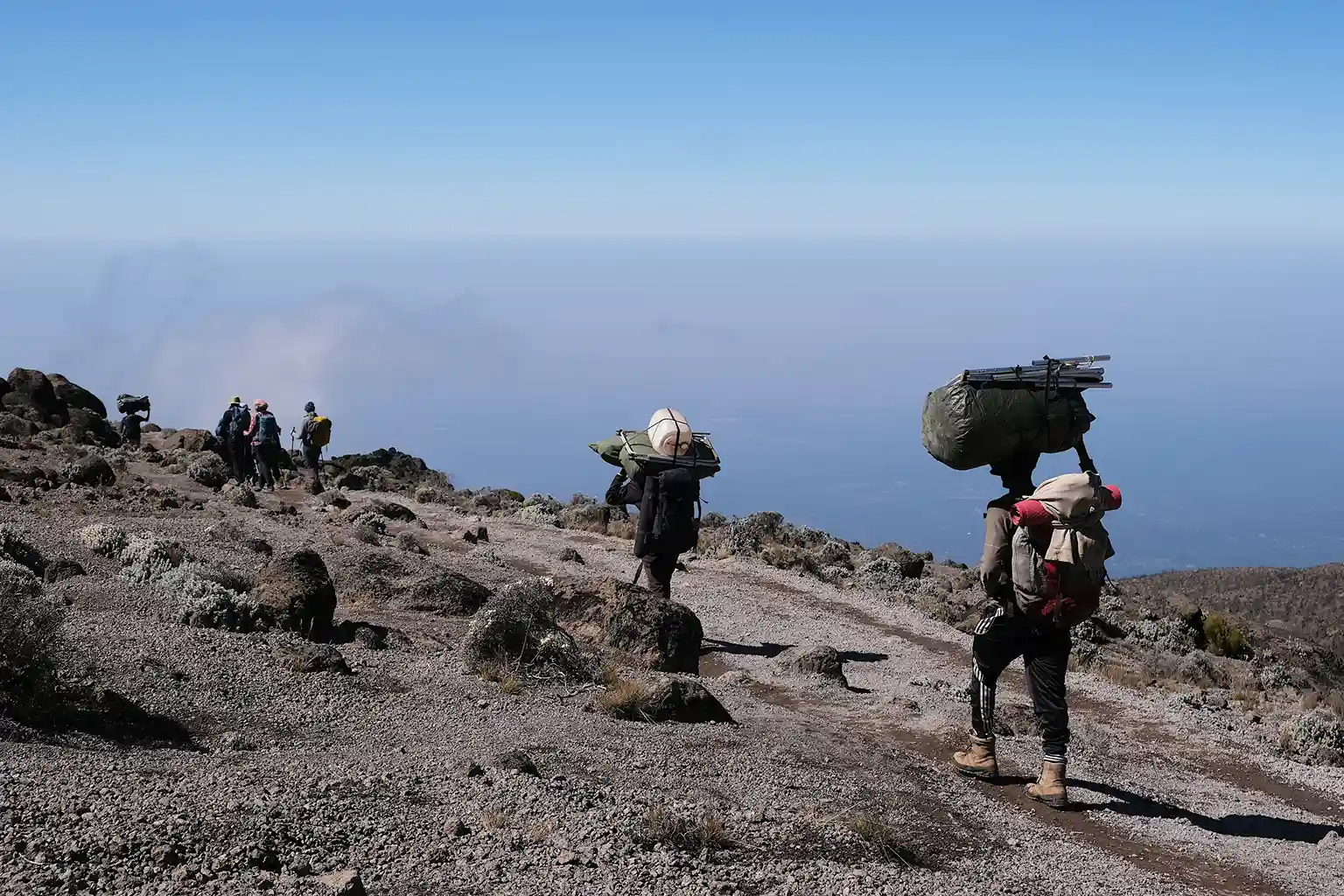
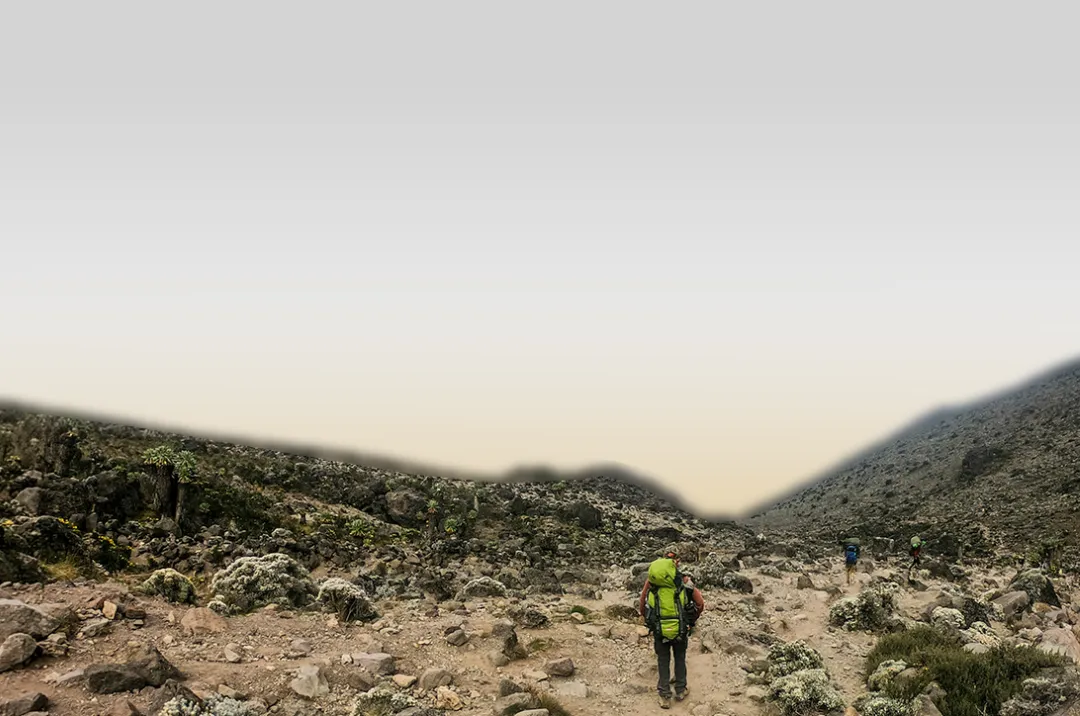
Porters carrying heavy loads along the mountain trail highlight the crew support behind every climb, showing why staffing, fair wages, equipment transport, and route logistics are major cost factors.
Staff wages
A big share of any Kilimanjaro climbing package cost goes to the people who make the climb possible. Staff wages usually come to around $80 to $150 per climber per day, depending on group size.
This is one of the first places poor operators try to save money. The result is unfair pay, tired crews, poor morale, and bad mountain conditions for everyone. Kilimanjaro is already hard enough. A strong team makes a real difference.
Good climbs rely on:
- well-trained mountain guides
- enough porters for the load
- fair pay for the crew
- proper mountain clothing and sleeping gear for staff
- daily monitoring of both climbers and crew
Food, water, and transport
The Kilimanjaro tour cost also includes the basics that keep a climb running well. Food shopping costs around $10 to $20 per climber per day, and transport is usually around $100 per trip, though route choice can change that.
Food on Kilimanjaro is not just about filling a plate. It has to be carried up, stored properly, prepared safely, and planned for energy, recovery, and changing appetite at altitude. Fresh produce, special diets, and clean drinking water all add to the real cost of the climb.
Equipment and camp setup
The Kilimanjaro expedition cost also carries the weight of mountain equipment. Good Kilimanjaro Tour Operators invest in gear because old or weak gear quickly becomes a real problem on the mountain.
A well-run climb should have:
- strong 4-season mountain tents
- a proper dining tent with table and chairs
- spare gear in case something gets damaged
- toilet support where applicable
- sleeping equipment that holds up in cold conditions
Comfort may sound secondary when people talk about summits, but it is not. Bad sleep, wet gear, poor camp setup, and weak meals can wear a climber down very fast.
Guide-to-climber and porter-to-climber ratio
The cost of Kilimanjaro trek packages also changes with staff ratios. More staff means more support, safer monitoring, and better camp operations.
A strong setup often includes:
- one trained guide for every two climbers
- around three to four porters per climber, depending on route and trip length
- proper weight limits for porters
- a team that can work well together in camp and in emergencies
This part is easy to overlook when comparing prices online, but on the mountain, these prices can’t be ignored.
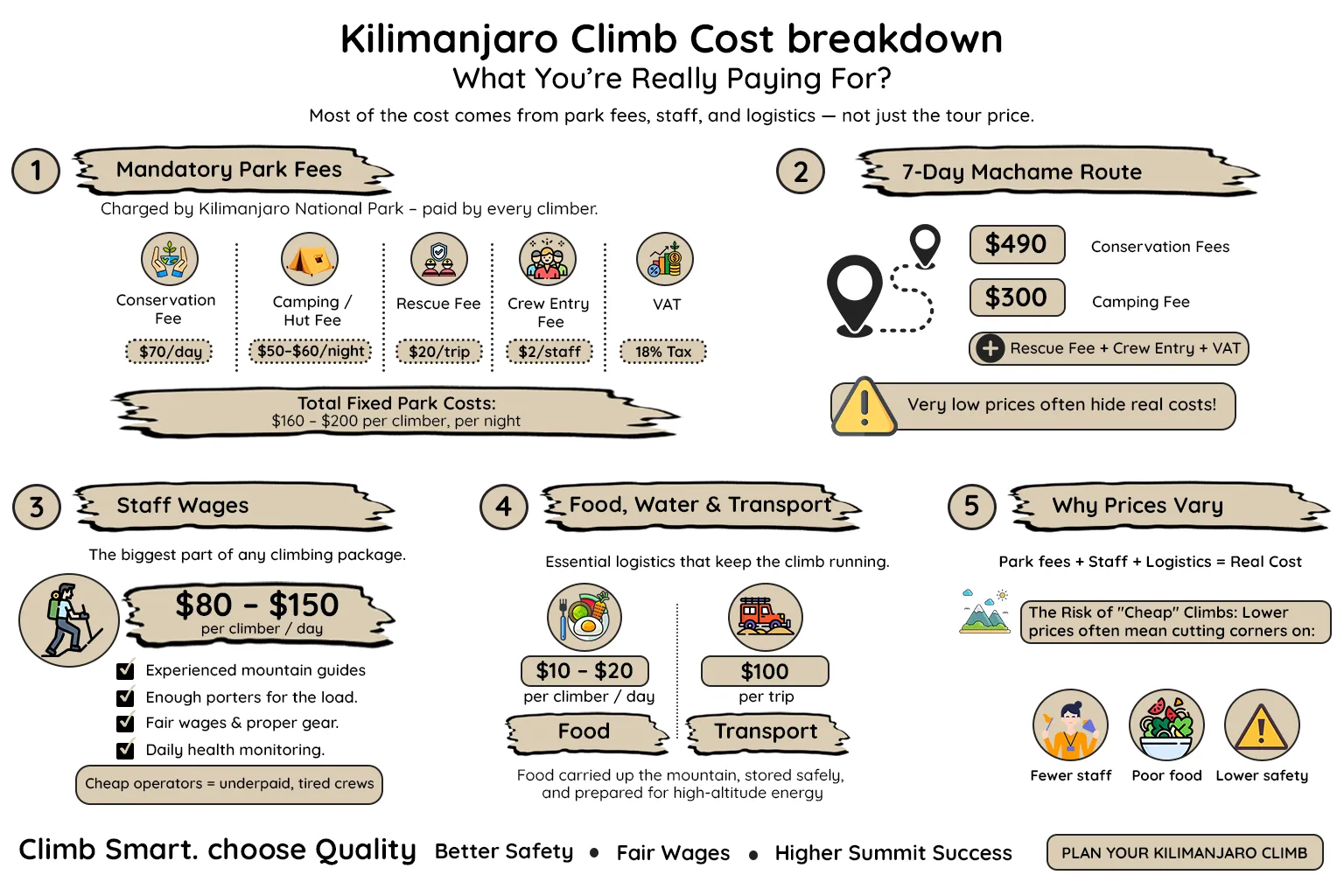
An informative Kilimanjaro climb cost breakdown infographic explaining park fees, staff wages, food, transport, and route costs, highlighting what climbers actually pay for and why prices vary across trekking packages.
Safety systems
The Kilimanjaro hiking cost is also influenced by safety preparations that happen behind the scenes. A reputable team like us invests a good amount of money in training, health checks, medical gear, and evacuation procedures.
That includes:
- pulse oximeter checks
- guide training for altitude symptoms
- emergency oxygen
- stretcher support
- stocked medical kits
- clear evacuation procedure
A climb with weak safety backup may be cheaper on paper, but it is not the better deal.
A fair Kilimanjaro price covers safety, skilled guides, proper equipment, porter welfare, and reliable support. Cheap climbs may look attractive, but they often leave out what matters most.
Peter Charles
Additional Costs to Consider When Climbing Kilimanjaro
Beyond the costs included in your package price (as listed above), there are other expenses to consider when planning your trek. These expenses are not included in any of our Kilimanjaro Climbing Packages. Here are the main extras people often forget:
- international flights
- visa fees
- travel insurance
- trekking gear (rental)
- medical checkup and vaccinations if needed
- crew tips
- meals, drinks, souvenirs, and other personal spending
Gear cost
Your personal gear can easily add $500 to $800 if you need to build your setup from scratch. That budget may cover good-quality trekking clothing, layers, gloves, sleeping essentials, and other mountain basics.
A few people already have part of their kit at home. Others start with almost nothing. That is why the final gear bill changes from one climber to another. Still, it is among the highest additional costs and should be planned early, not at the last minute.
Airfare and visa fees
Flights and visa charges are other parts of the budget that depend on where you are flying from and how early you book. Airfares change often. Check the recent airfare prices before booking your package. Booking in advance can help you save some bucks by avoiding surge pricing.
Visas for many overseas visitors are also not free, so they should be checked before travel. You can find visa-related information at https://www.immigration.go.tz/index.php/immigration-services/visa-information.
The tourist e-visa costs $95 for a single-entry (90 days) and $145 for a multiple-entry (1 year) visa. You can apply for an e-Visa here.
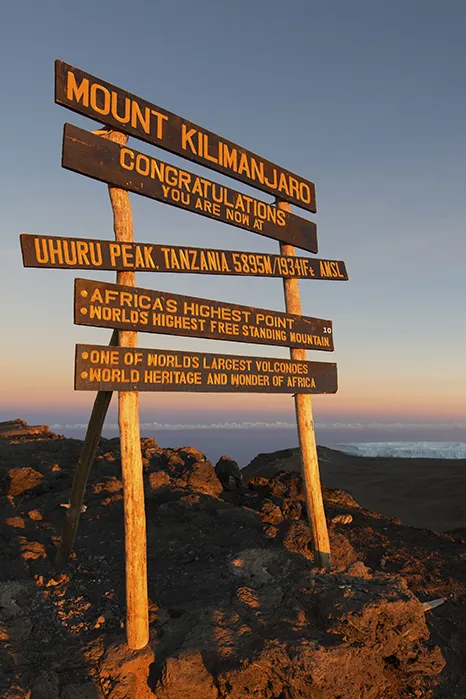
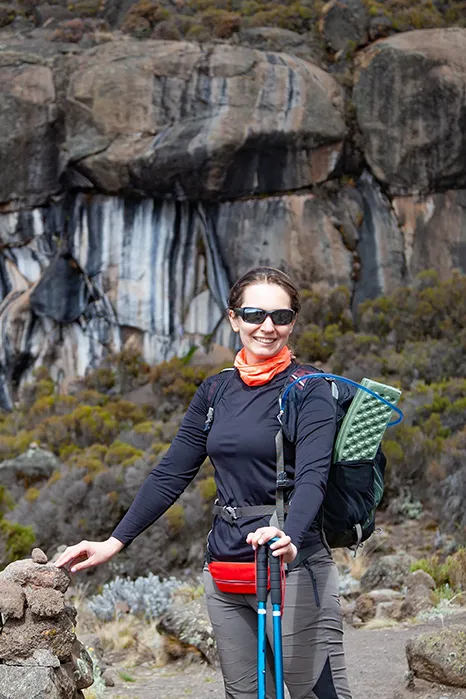
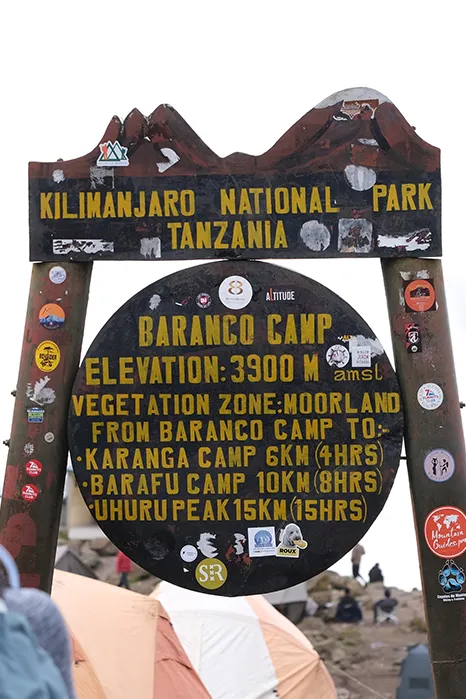
Summit signs, trail markers, and camp markers reflect key planning stages of a Kilimanjaro climb, while travel documents, entry fees, and pre-climb arrangements like airfare and visas add to the costs.
Medical Checkup and Vaccinations
For medical checkups and vaccinations, budget around $150 to $300. This value can be flexible depending on what you have and what your doctor recommends, based on your current health conditions.
Before climbing Kilimanjaro, some travelers may need a yellow fever certificate, especially if they are arriving from a country with a known risk of transmission. Others may need malaria tablets, a visit to a travel clinic, or a basic health check before the trip. So, you need to set your priorities and budget accordingly.
Travel Insurance
Your Kilimanjaro Travel Insurance policy should cover high-altitude trekking up to 6,000 meters and include emergency evacuation. Anything less leaves too much room for trouble. Such a travel-ready high altitude insurance plan can cost between $150 and $250.
A lot of climbers assume any travel policy will do. That is usually the mistake. A standard plan may cover a holiday, but not a mountain climb at this height. So it is worth checking the fine print properly.
Tips for Your Crew
Tipping your crew is a normal part of climbing Kilimanjaro, and it should be built into the budget from the start. They are not an awkward extra added at the end. They are part of how the mountain works. Typically, you can expect to pay between $200 and $300 for a group of trekkers.
Below is the average tipping breakdown expected for the mountain crew assisting the climbers to trek up Kilimanjaro.
| Number of Trekkers | Chief Guide | Assistant Guide | Chef / Cook | Porters |
|---|---|---|---|---|
| 1 Trekker | $25-$30/day | $20-$25/day | $20-$25/day | 3-5 Porters |
| 2 Trekkers | $25-$30/day | $20-$25/day | $20-$25/day | 6-7 Porters |
| 3 Trekkers | $25-$30/day | $20-$25/day | $20-$25/day | 9 Porters |
| 4 Trekkers | $25-$30/day | $20-$25/day | $20-$25/day | 12 Porters |
| 5 Trekkers | $25-$30/day | $20-$25/day | $20-$25/day | 15 Porters |
| 6 Trekkers | $25-$30/day | $20-$25/day | $20-$25/day | 18 Porters |
| 7 Trekkers | $25-$30/day | $20-$25/day | $20-$25/day | 21 Porters |
| 8 Trekkers | $25-$30/day | $20-$25/day | $20-$25/day | 24 Porters |
| 9 Trekkers | $25-$30/day | $20-$25/day | $20-$25/day | 27 Porters |
| 10 Trekkers | $25-$30/day | $20-$25/day | $20-$25/day | 30 Porters |
Personal Spending Before and After the Climb
The total cost of a Kilimanjaro trip usually rises as smaller personal expenses add up, such as spending money on food and drinks, laundry services, and buying souvenirs while staying in Moshi.
You can budget $100 to $200 for this part of your climb.
- Kilimanjaro
- Private
- Luxury
- Camp
6 Days Shira Route
Starts from: On Request
View Tour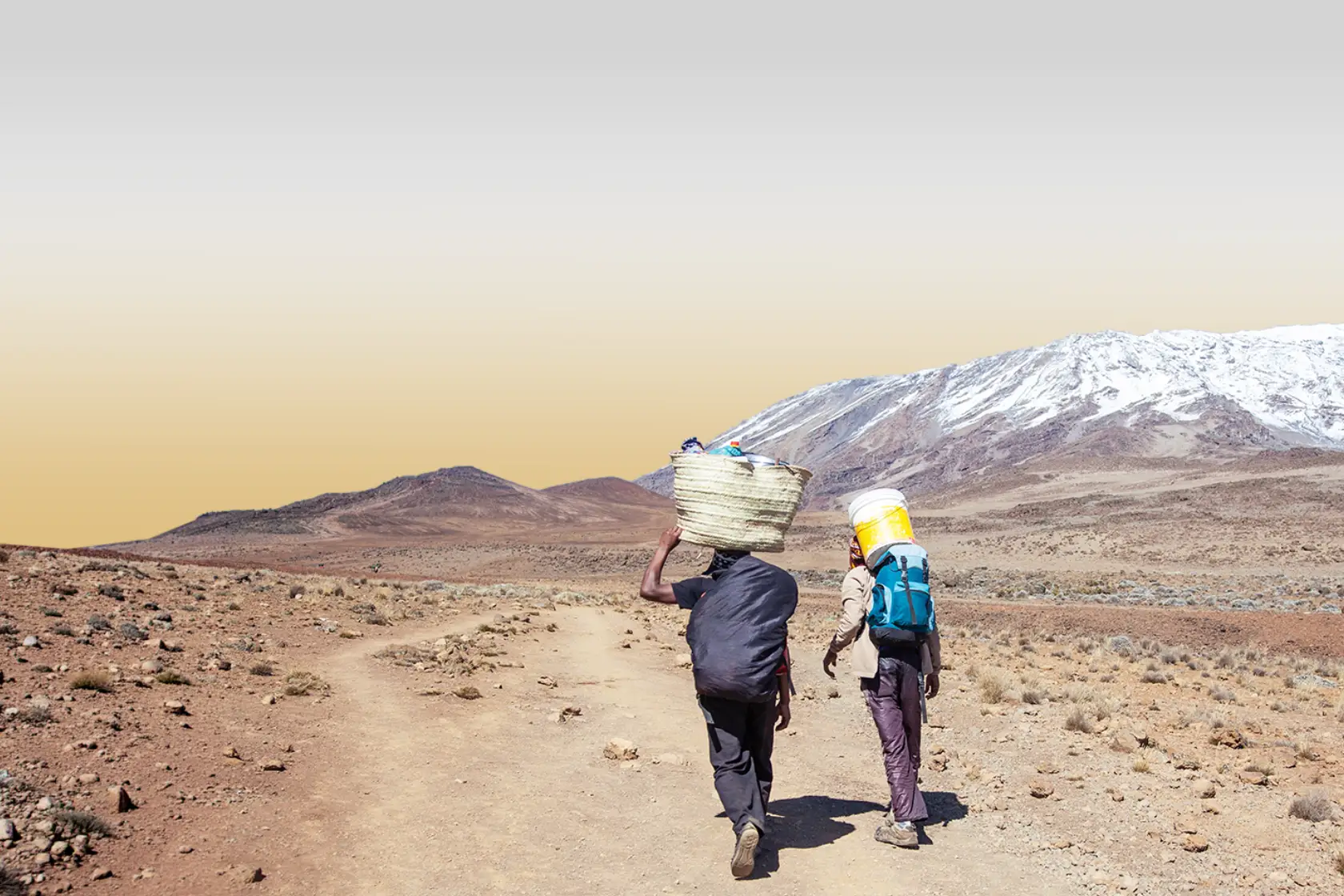
- Kilimanjaro
- Private
- Luxury
- Camp
6 Days Rongai Route
Starts from: On Request
View Tour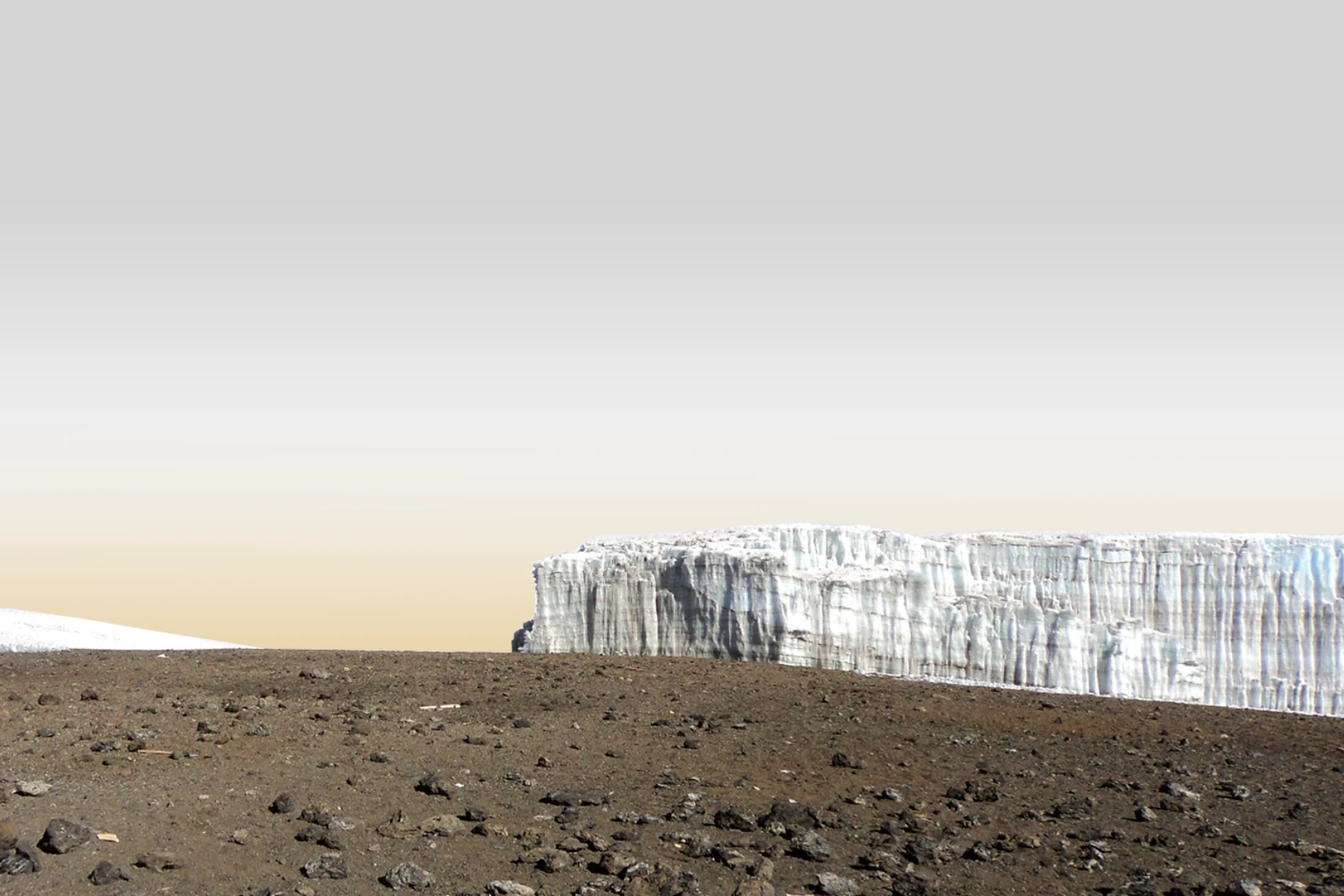
- Kilimanjaro
- Private
- Luxury
- Hut
5 Days Marangu Route
Starts from: On Request
View Tour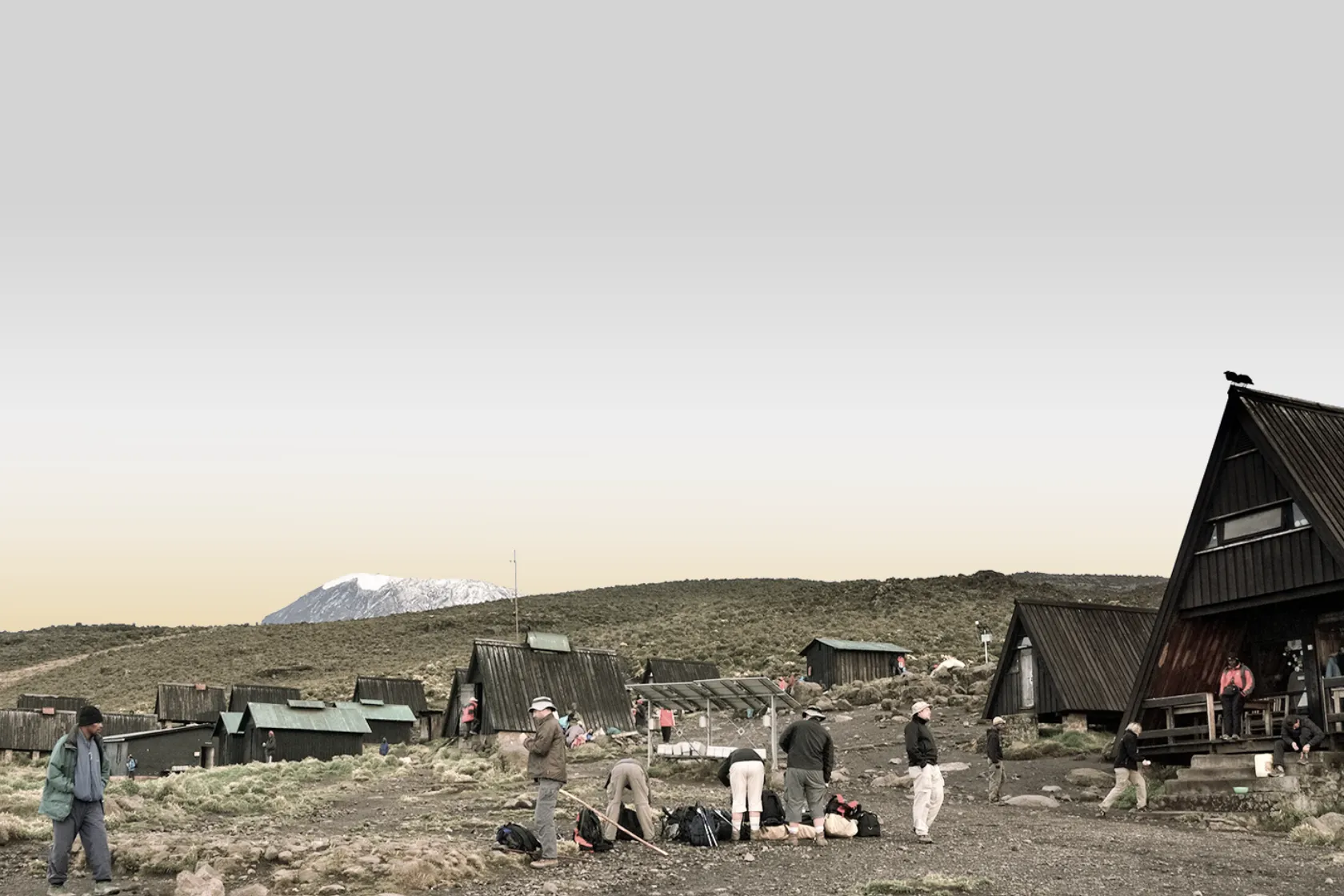
- Kilimanjaro
- Private
- Luxury
- Hut
6 Days Marangu Route
Starts from: On Request
View TourKilimanjaro Cost by Route Comparison
This Kilimanjaro route cost comparison offers a direct look at how route choice affects the total cost. Longer routes usually cost more because they bring more park nights, more staff days, more food, and more logistics. But they also tend to give better acclimatization.
Here are the package prices for various Kilimanjaro Climbing routes:
| Route | 5 Days | 6 Days | 7 Days |
|---|---|---|---|
| Marangu Route | $1,755 | $1,935 | — |
| Machame Route | — | $2,070 | $2,400 |
| Lemosho Route | — | $1,580 | $2,520 |
| Rongai Route | — | $2,160 | $2,430 |
| Shira Route | — | $2,385 | From $2,350 |
| Umbwe Route | — | $2,340 | From $2,220 |
Please note that the Climbing Kilimanjaro Cost is an approximate value. The actual cost may vary depending on the customisations.
The best Kilimanjaro climbing prices are not always found on the shortest itinerary. If the main goal is to summit safely and enjoy the climb, a 7-day route often makes more sense than trying to cut 1 or 2 days just to save money.
That is also why many experienced operators recommend at least 6 days, and more often 7 days, for better acclimatization.
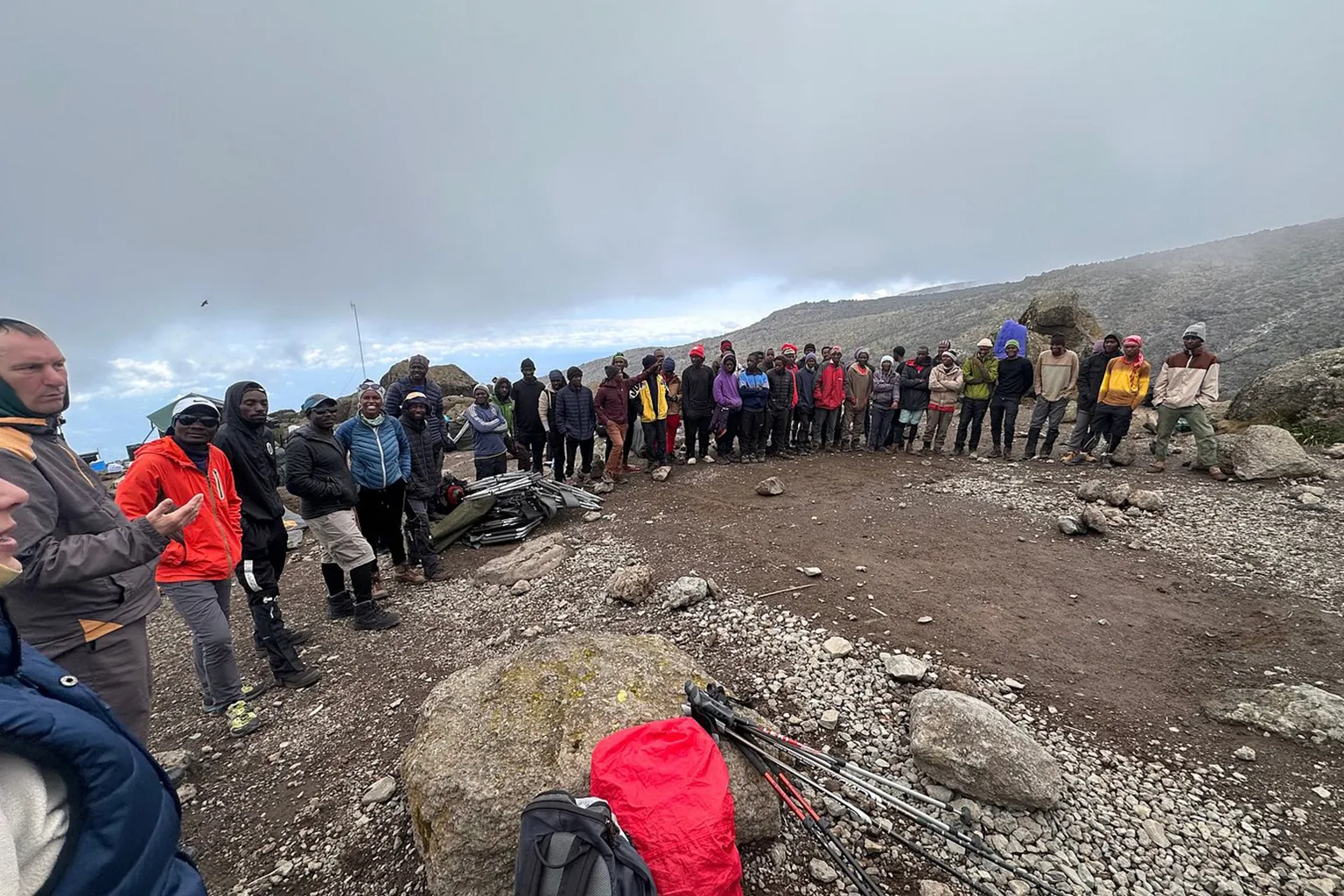
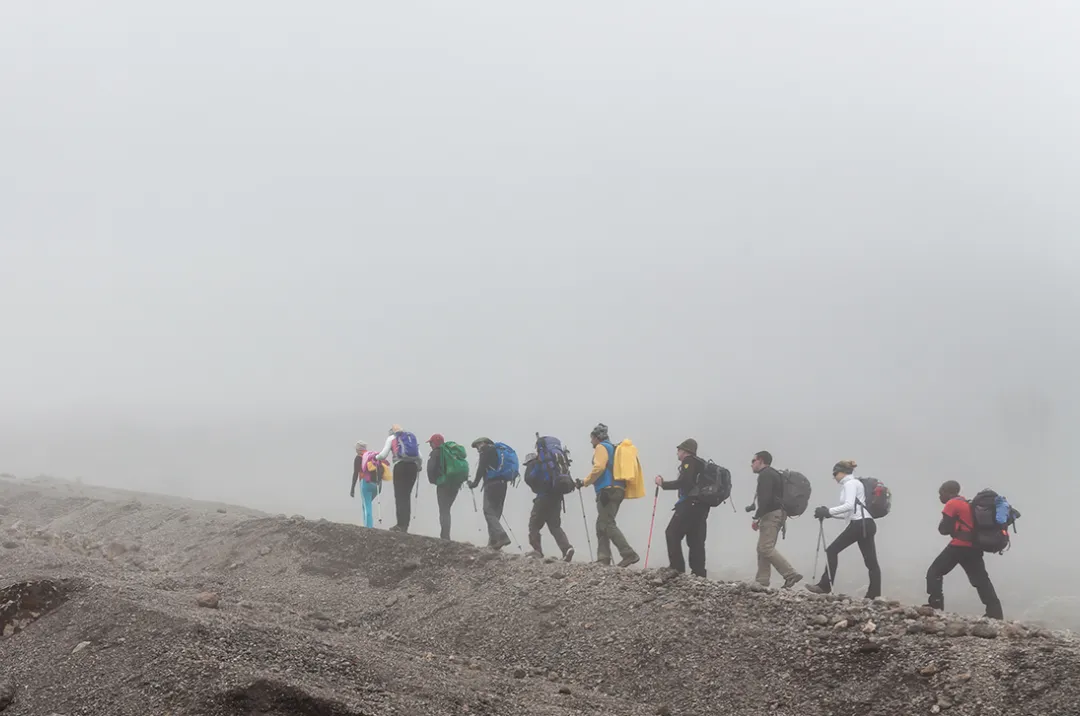
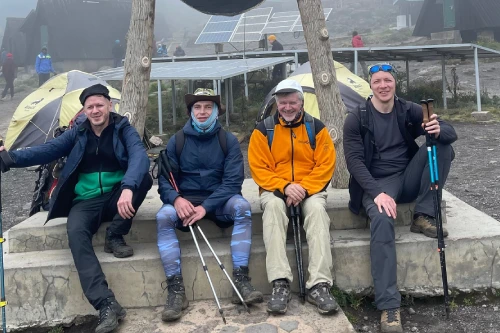
Climbers and mountain crew gathered at high camp reflect the varied trail environments, group size, and support systems that make route comparison important when choosing the right Kilimanjaro climb.
Plan Your Kilimanjaro Climb with Best Day Safaris!
If you’re ready for a clear quote that includes fair wages and top-tier safety, we’d love to help.
Talk to Bestday Safaris about your route options and the real Climbing
Kilimanjaro Cost. We’ll provide a full breakdown, so you know exactly what’s covered.
Get in touch to start planning your climb today.
Understand the real cost before you plan your Kilimanjaro climb.
See Kilimanjaro Cost Guide
Frequently Asked Questions
Most climbers should plan for $2,000 to $6,000. The final amount depends on route, days on the mountain, operator standards, staff support, and comfort level.
A big part of the price comes from park fees, staff wages, food, transport, VAT, safety equipment, and mountain logistics. Kilimanjaro is not a simple hike. It needs a large support system.
A package usually includes park access, mountain crew, camp logistics, meals on the mountain, and route support. Extra costs such as flights, visas, insurance, gear, and tips are usually separate.
A sensible budget for personal trekking gear is around $500 to $800, depending on what you already own and what you still need to buy or rent.
For many climbers, the Machame Route and Lemosho Route give strong value because they balance price, scenery, and acclimatization better than very short climbs.
Plan a Mountain Climbing Trip
We offer a range of mountain climbing experiences. You can also chat with our climbing specialist for a customized trekking itinerary in Tanzania.
Recommended by
Kilimanjaro Travel Guide
Your Trusted Guide for Every Climb Detail
Our Kilimanjaro travel guide is here to make planning easier. It covers the best time to climb, route options, costs, fitness preparation, packing advice, and useful mountain tips that matter once you are really on the trail. Climbing Kilimanjaro feels much more manageable when the right information is in one place, and that is exactly what this guide is meant to give you from the start.
Guestbook Moments
Real Stories from Safari Guests
A good safari often lives on through the words guests bring back. Here, Bestday Safaris travelers share notes on the people, pace, small comforts, wildlife moments, and honest care that became part of their journey. Their reviews help future travelers see beyond the itinerary and understand how each safari feels on the ground.
Excellent

4.9 out of 5
753 Reviews
Lorena T

We had an amazing experience with BestDays Safaris. Our driver Muro was very knowledgeable, took us away from crowds to spot animals and was an excellent guide. The camping accommodation that BestDay Safaris
Mar 2026
Annabella R
Climbing Mount Kilimanjaro was one of the most intense and beautiful experiences of my life, and a huge part of that is thanks to our guide, Boni. From day one, Boni set the tone for...
Mar 2026
Александр Е
Finally went to fulfill his long-held dream of climbing Kilimanjaro. The journey exceeded all my expectations. I enjoyed nature, met new people, experienced mountain sickness and overcoming myself again...
Mar 2026
Alejandra Q
We just finished an incredible safari as our honeymoon on a private safari tour for us two with Best Day Safaris in Tanzania and the whole experience exceeded our expectations.During the trip we explored Tarangire...
Mar 2026
Gabriel R
Our safari in Tanzania was honestly better than we ever imagined, easily the best trip we’ve ever taken. We visited Tarangire National Park, the incredible Serengeti National Park, and the breathtaking and the breathtaking...
Mar 2026
Rustam K
In February 2026, we took the Lemosho route to Kilimanjaro with this wonderful team. Everything was perfectly organized, from the first meeting to the climb. And frankly, I don't want to call these guys just...
Feb 2026
Start planning your safari. Get matched with a local adventure specialist.
 David
David
 Jackson Mollel
 Stephen
Faraj
Abel
Stephen
Faraj
Abel