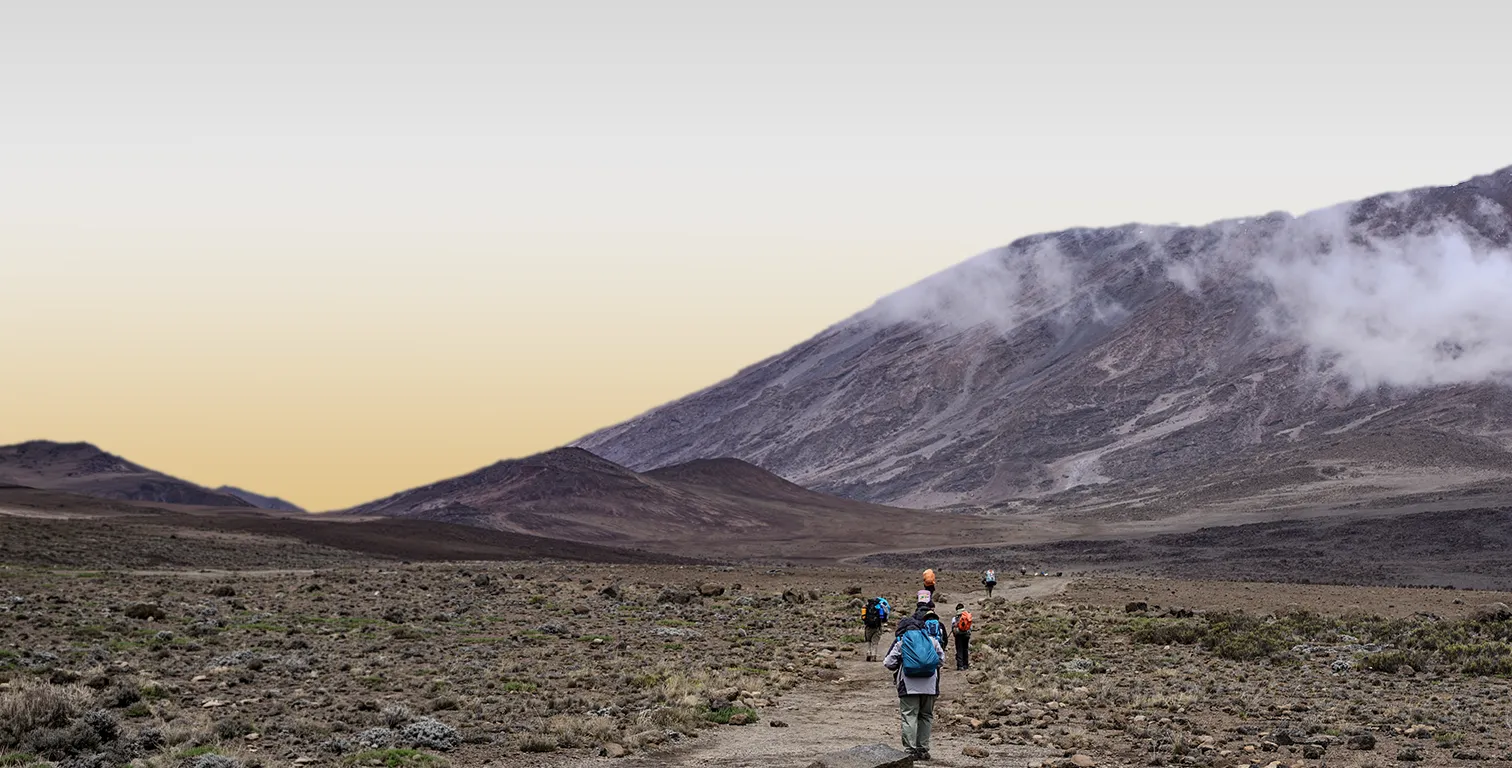
Kilimanjaro Travel Guide
Practical Guide to Kilimanjaro Climbing
Most avid hikers dream of Climbing Kilimanjaro, Africa’s highest peak. At 5895 meters, many assume the climb to be tough, given the harsh climatic conditions. To their surprise, climbing to its majestic heights is not as tricky as compared to the other high peaks in the world. You actually don’t need ropes or special climbing skills; all you need is a good guide and some careful planning.
To help all the newbie trekkers, we have curated this most comprehensive Kilimanjaro Travel Guide. All the information, tips, and insights you’ll need when preparing for climbing Kilimanjaro are accumulated together under this one page. We have compiled all the necessary information, including tips on acclimating to the cold, what to bring to the mountain, and training guidelines. We hope this helps!
Climb Seasons
Learn the best months for climbing with better weather and trail conditions.
Route Choices
Compare Kilimanjaro routes based on scenery, difficulty, pace, and success rates.
Packing Tips
Know what to wear, carry, and prepare for as temperatures change in the mountains.
Trip Planning
Understand permits, guides, park rules, and the ideal climbing duration.

Speak To An Expert
Connect with our climbing team to begin planning your Kilimanjaro Trek.
Call us or chat with a consultant for all the travel-related details and expert guidance.
Kilimanjaro Travel Guide
Your Trusted Guide for Every Climb Detail
Our Kilimanjaro travel guide is here to make planning easier. It covers the best time to climb, route options, costs, fitness preparation, packing advice, and useful mountain tips that matter once you are really on the trail. Climbing Kilimanjaro feels much more manageable when the right information is in one place, and that is exactly what this guide is meant to give you from the start.
Things to Do
Mountain Experiences
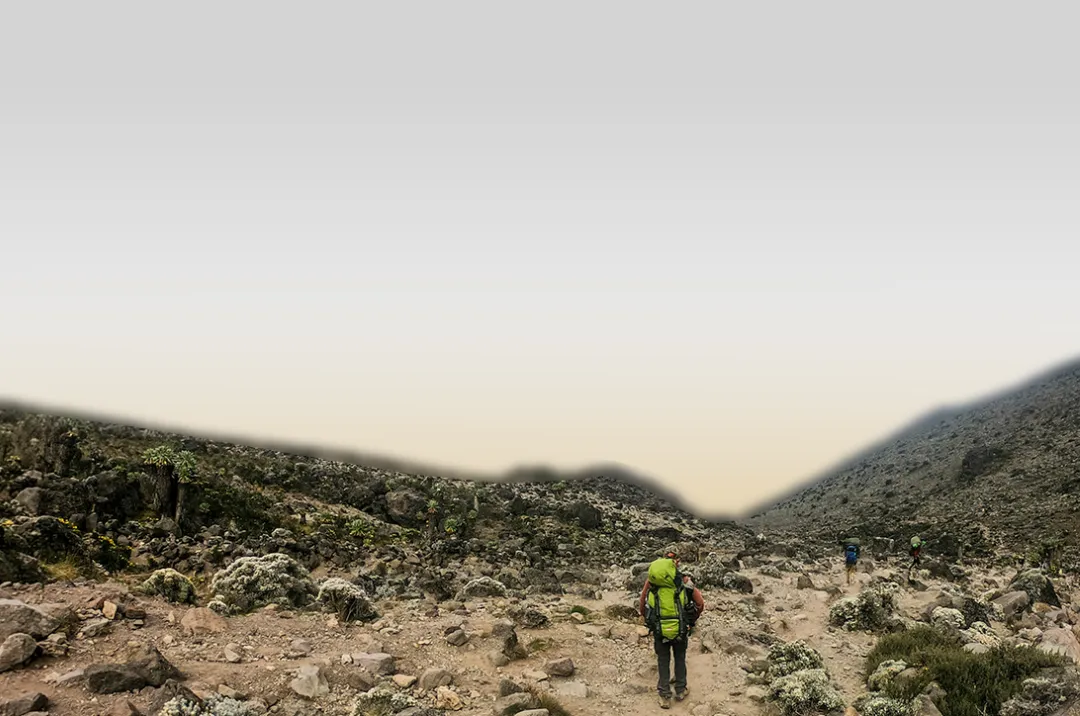
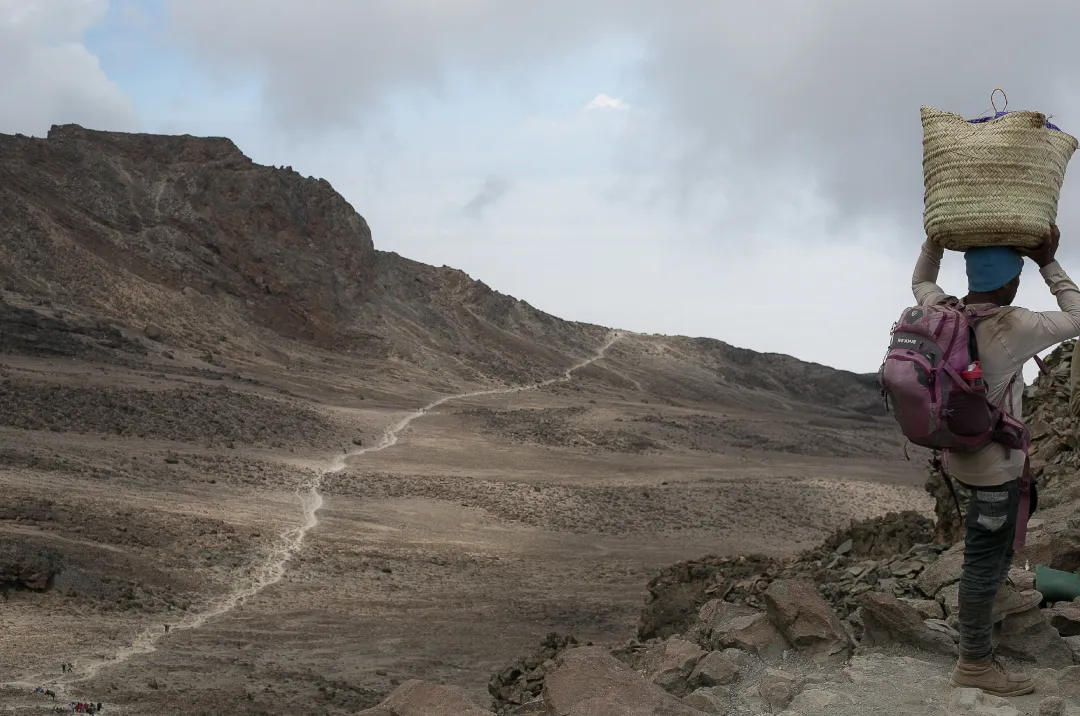
Kilimanjaro is often spoken about as if it is only for summit climbers. It is not. The mountain offers a wider range of experiences than many travelers expect. Yes, reaching the top is the main goal for some, but there are other ways to spend time here, too. You can walk along the lower trails, camp in the crater, try mountain biking, or take on technical climbing around Mawenzi. Even short experiences on the mountain can feel rewarding.
Mountain Climb
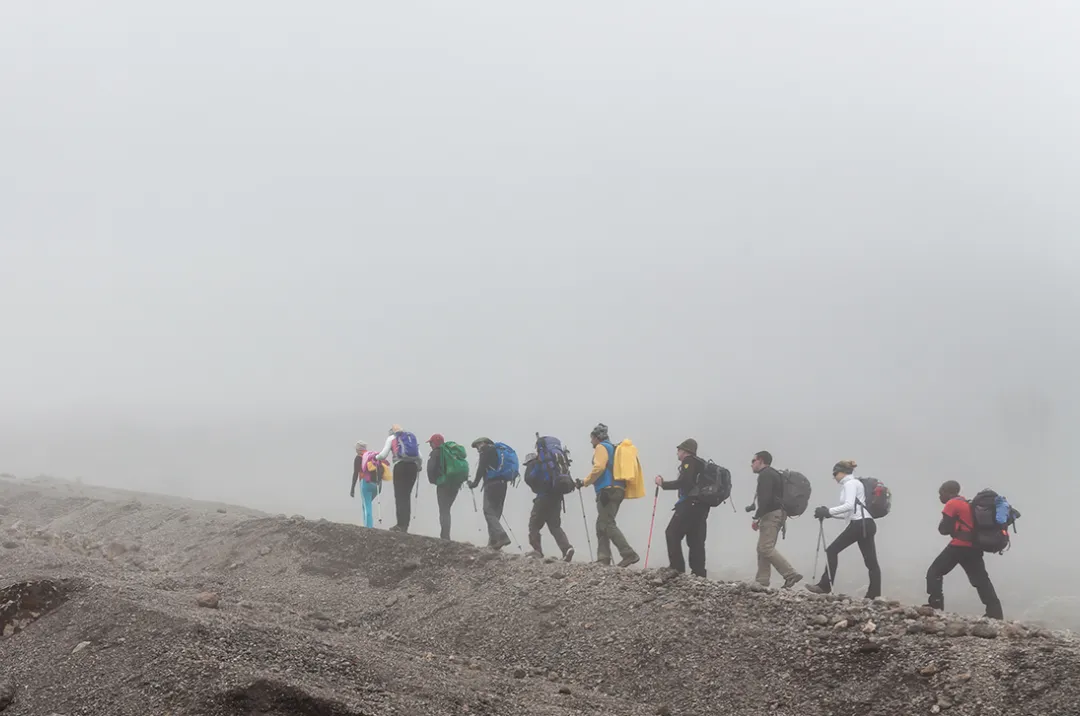
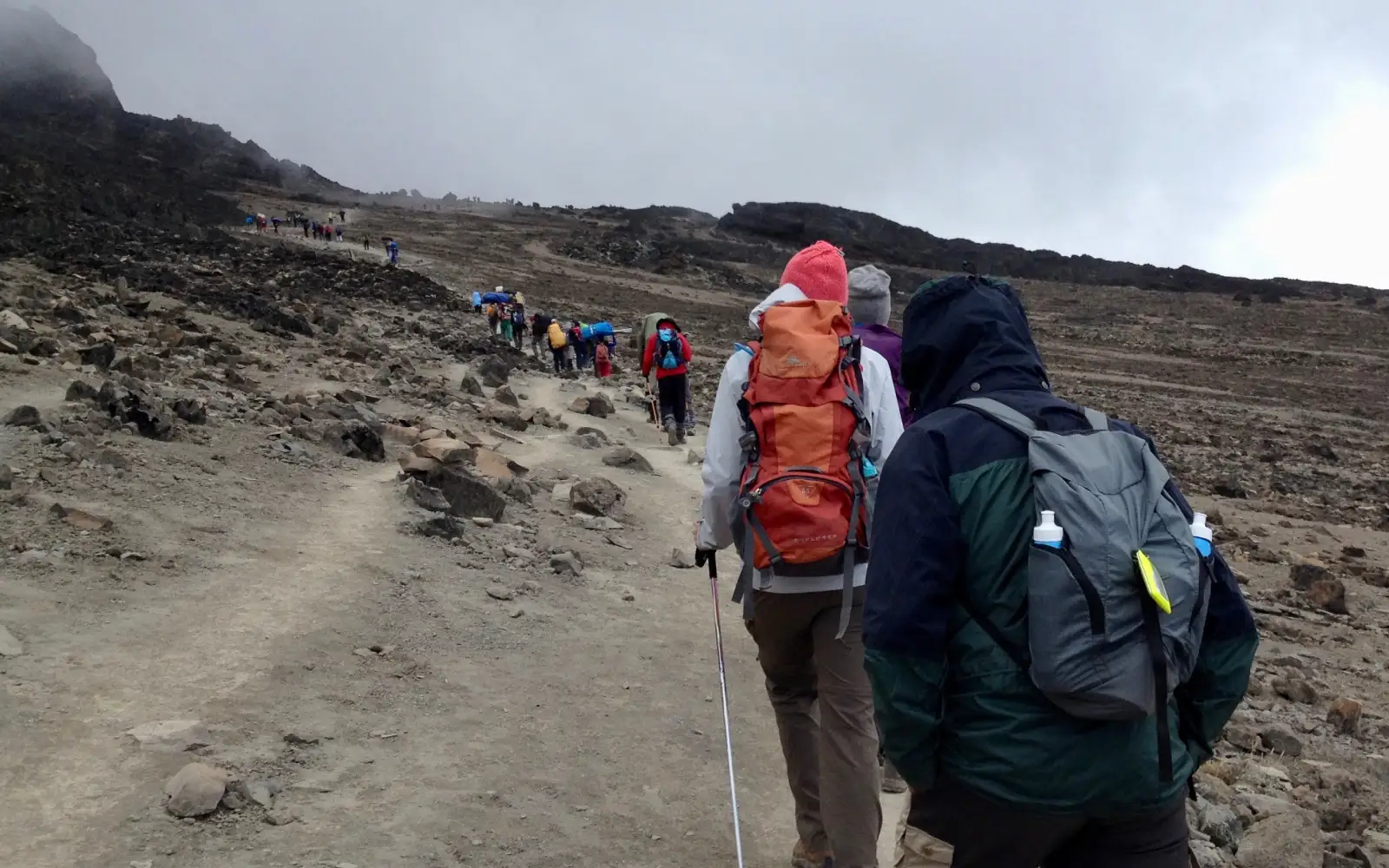
Climb to the summit through changing landscapes, camps, and steady altitude gain.
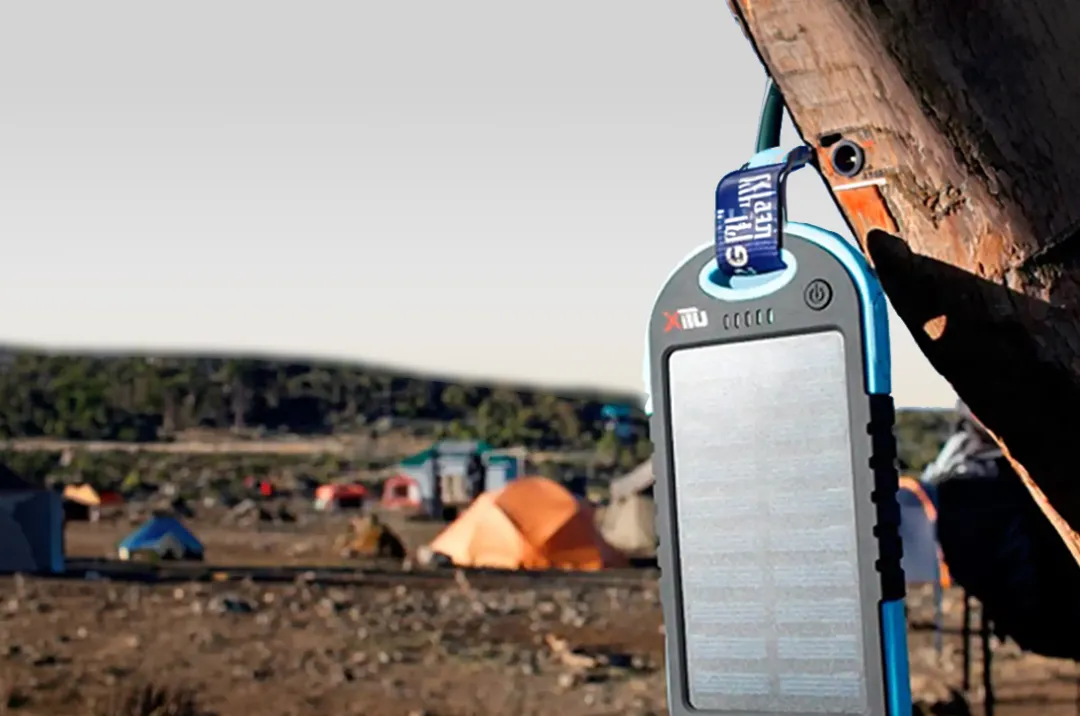
Crater Camping
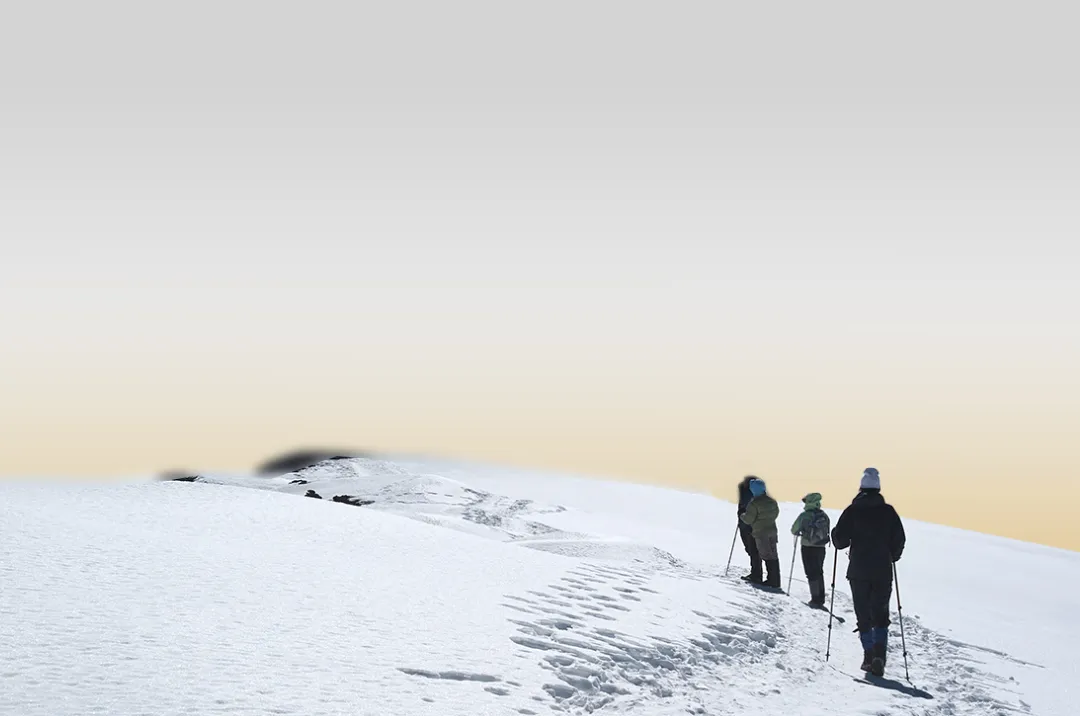
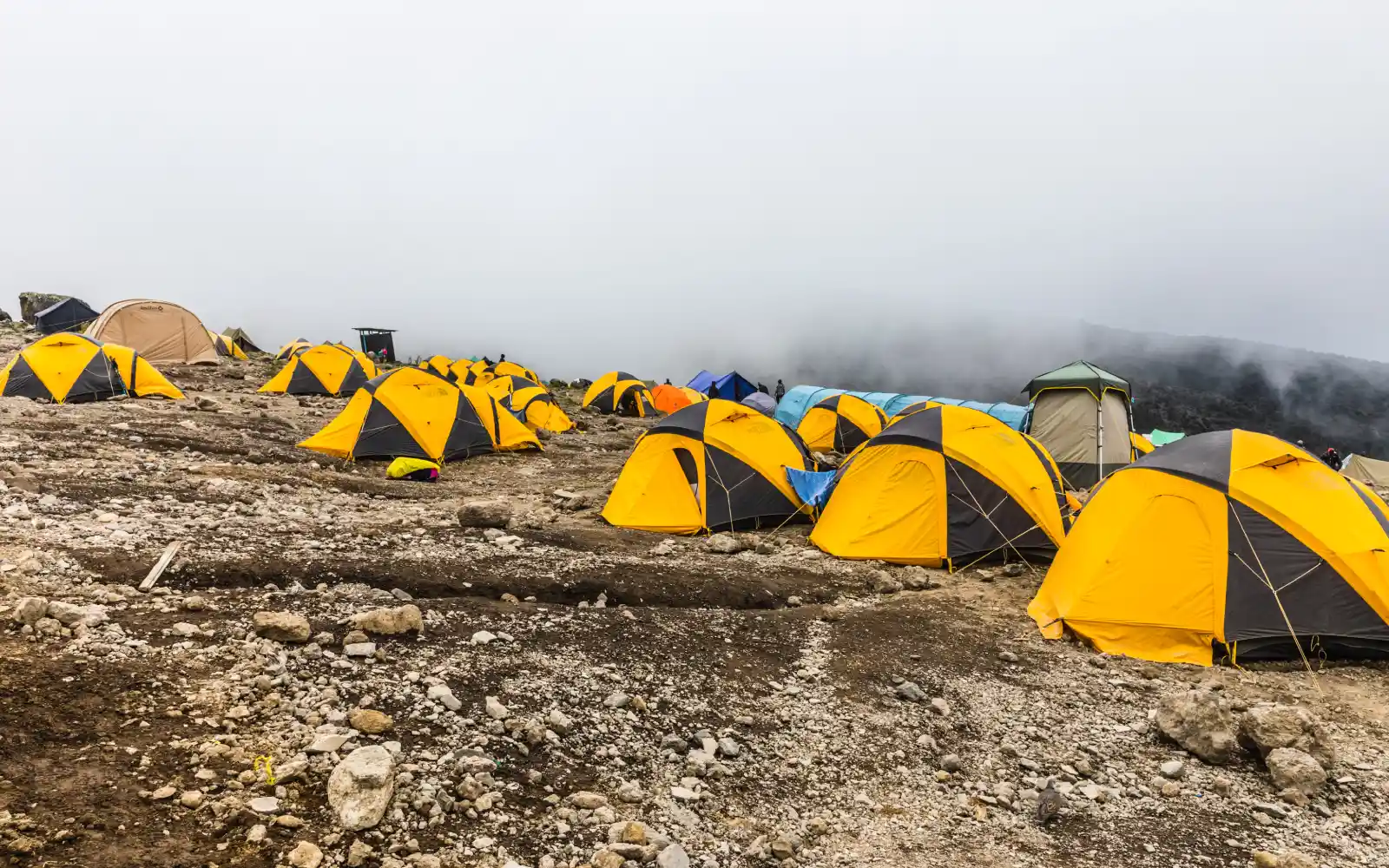
Spend the night inside the crater near Kilimanjaro’s rare glacier formations.
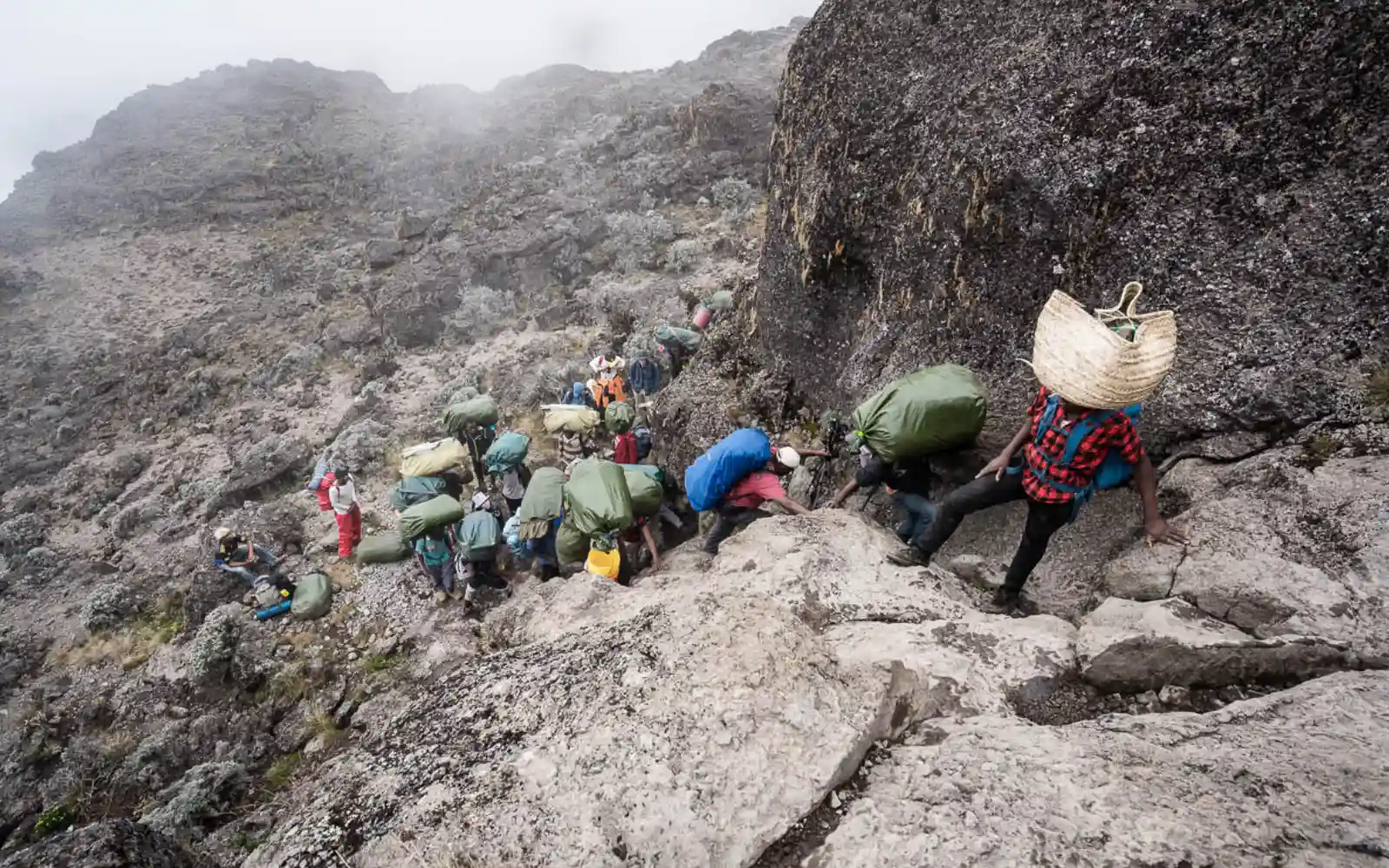
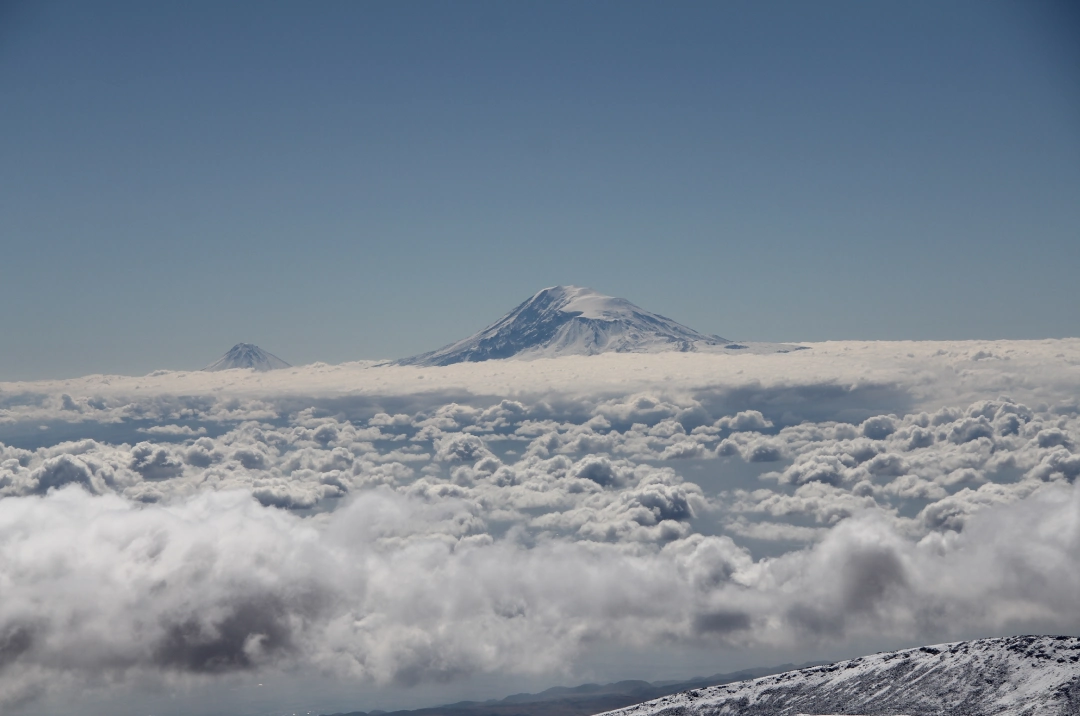
Mawenzi Climb
Challenge yourself on Mawenzi’s steep ridges; technical climbing experience is required.
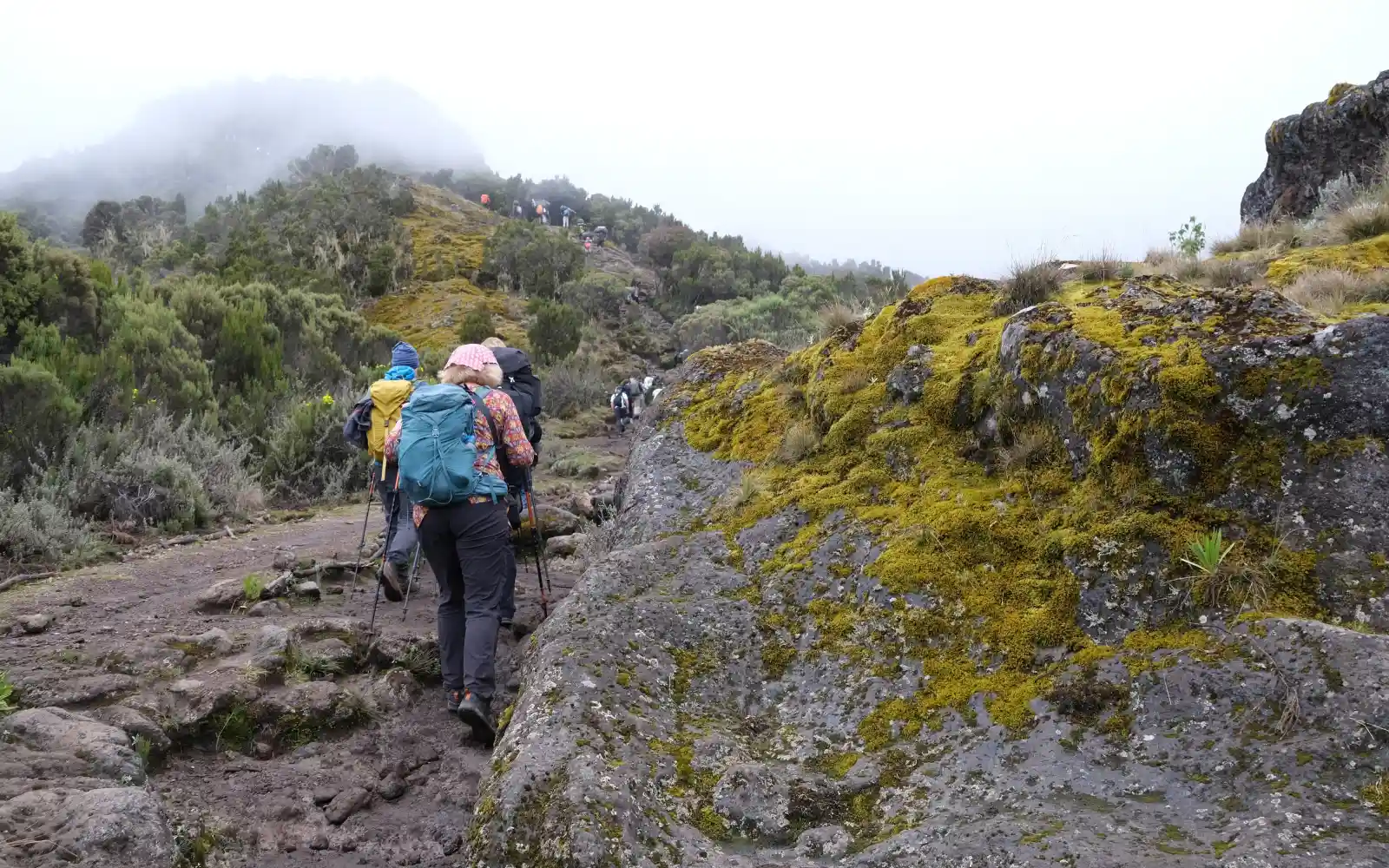
Mountain Hiking
Walk scenic alpine trails with expert guides across Kilimanjaro’s changing mountain landscapes.
Mountain Climb
Climb to the summit through changing landscapes, camps, and steady altitude gain.
Crater Camping
Spend the night inside the crater near Kilimanjaro’s rare glacier formations.
Kilimanjaro Climb FAQs
Quick Answers
Have a few questions before your climb? That is completely normal. Planning a Kilimanjaro trip comes with a lot to consider, from routes and fitness to packing, altitude, and the best time to go. This section brings those important answers together in one place, so the whole climb feels easier to understand and far less difficult to prepare for.
No, it’s not. Climbing Mount Kilimanjaro requires no technical experience, nor does it require any climbing equipment. All you need is to be physically fit and have the right kind of motivation that pushes you against all odds to reach Africa’s peak.
It might sound unbelievable, but actually Mount Kilimanjaro is climbable year-round. However, if you want to select a few months, they should be from July to October and December to February.
This is because they are dry and warm months, and provide the best time to climb Kilimanjaro. Other special times, when you can choose to climb Kilimanjaro, are during the full moons and the New Year’s Eve.
As already said, Kilimanjaro is not a technical mountain. But it requires a basic level of fitness. The conditions on top of the mountain are icy, and due to the elevation gain, trekkers may experience a shortage of oxygen.
This is the primary reason why many people who attempt to summit Kilimanjaro don’t actually make it to the top. Therefore, to ensure you are properly fit, we recommend starting your physical Training For Kilimanjaro at least 2 to 3 months before attempting the climb.
We do have a detailed guide on the Kilimanjaro Packing List and the Kilimanjaro Gear List. You can go through them and get all the information possible on what to bring for the Kilimanjaro Climbs.
Still, if you want to know some essential equipment that you need to buy for your Kilimanjaro Climb, it includes hiking boots and winter clothing.
You need at least two bags when climbing Mount Kilimanjaro,
- One is a backpack (the one you’ll carry)
- Another is the duffel bag (the one that your porter will carry)
The backpack is around 30-50 liters and will contain your everyday essentials, such as water and lunch for each day.
The limit for your duffel bag is around 14 kg (31 lb), and it will contain your clothing, equipment, and toiletries.
Kilimanjaro is not technical, but that does not make it easy. The real challenge is the altitude. You keep going higher; the air feels thinner, and even simple things can start to take more effort than expected. Then there is the cold, the long walking days, and that final push to the summit, which can feel like a very long night.
Some parts of the climb feel steady, even enjoyable. Others test your patience a bit. That is why preparation matters so much. A good route, enough time to acclimatize, and the right support on the mountain can make a real difference. It is a hard climb, yes, but for many people, it is still very possible with the right mindset and proper planning.
Guestbook Moments
Real Stories from Safari Guests
A good safari often lives on through the words guests bring back. Here, Bestday Safaris travelers share notes on the people, pace, small comforts, wildlife moments, and honest care that became part of their journey. Their reviews help future travelers see beyond the itinerary and understand how each safari feels on the ground.
Excellent

4.9 out of 5
753 Reviews
Lorena T

We had an amazing experience with BestDays Safaris. Our driver Muro was very knowledgeable, took us away from crowds to spot animals and was an excellent guide. The camping accommodation that BestDay Safaris
Mar 2026
Annabella R
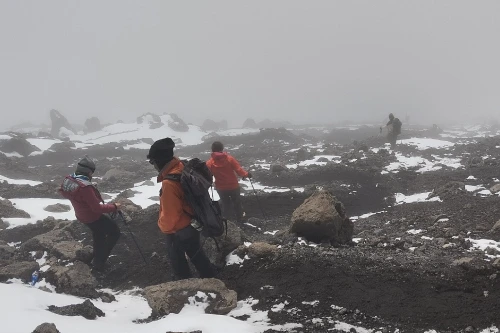
Climbing Mount Kilimanjaro was one of the most intense and beautiful experiences of my life, and a huge part of that is thanks to our guide, Boni. From day one, Boni set the tone for...
Mar 2026
Александр Е
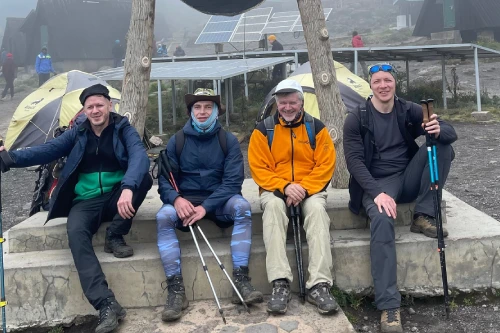
Finally went to fulfill his long-held dream of climbing Kilimanjaro. The journey exceeded all my expectations. I enjoyed nature, met new people, experienced mountain sickness and overcoming myself again...
Mar 2026
Alejandra Q
We just finished an incredible safari as our honeymoon on a private safari tour for us two with Best Day Safaris in Tanzania and the whole experience exceeded our expectations.During the trip we explored Tarangire...
Mar 2026
Gabriel R
Our safari in Tanzania was honestly better than we ever imagined, easily the best trip we’ve ever taken. We visited Tarangire National Park, the incredible Serengeti National Park, and the breathtaking and the breathtaking...
Mar 2026
Rustam K
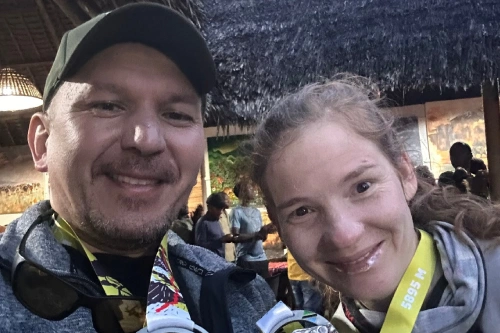
In February 2026, we took the Lemosho route to Kilimanjaro with this wonderful team. Everything was perfectly organized, from the first meeting to the climb. And frankly, I don't want to call these guys just...
Feb 2026
Start planning your climb. Get matched with our climb specialists.
 David
David
 Jackson Mollel
 Stephen
 Faraj
Faraj
 Abel
Abel