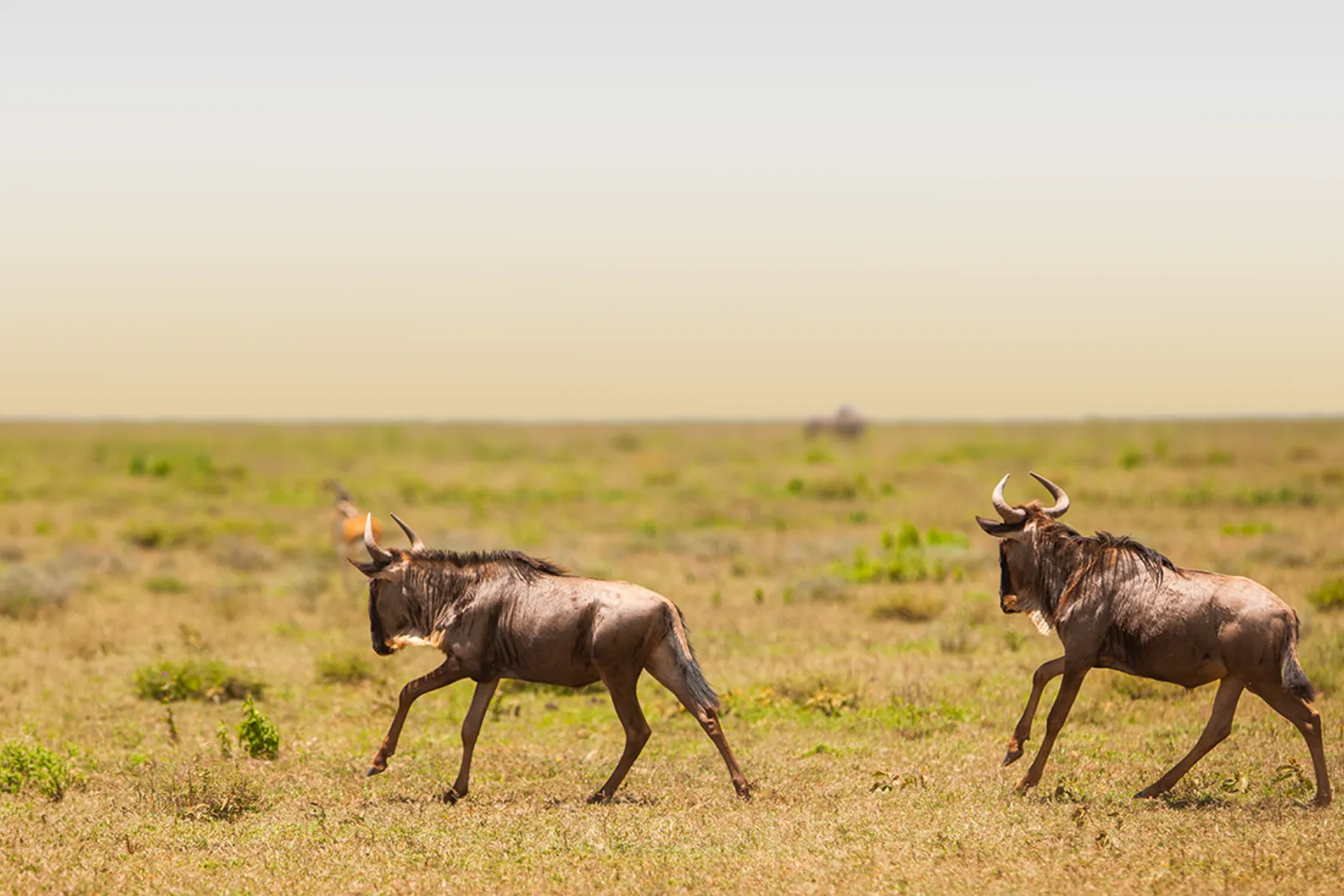

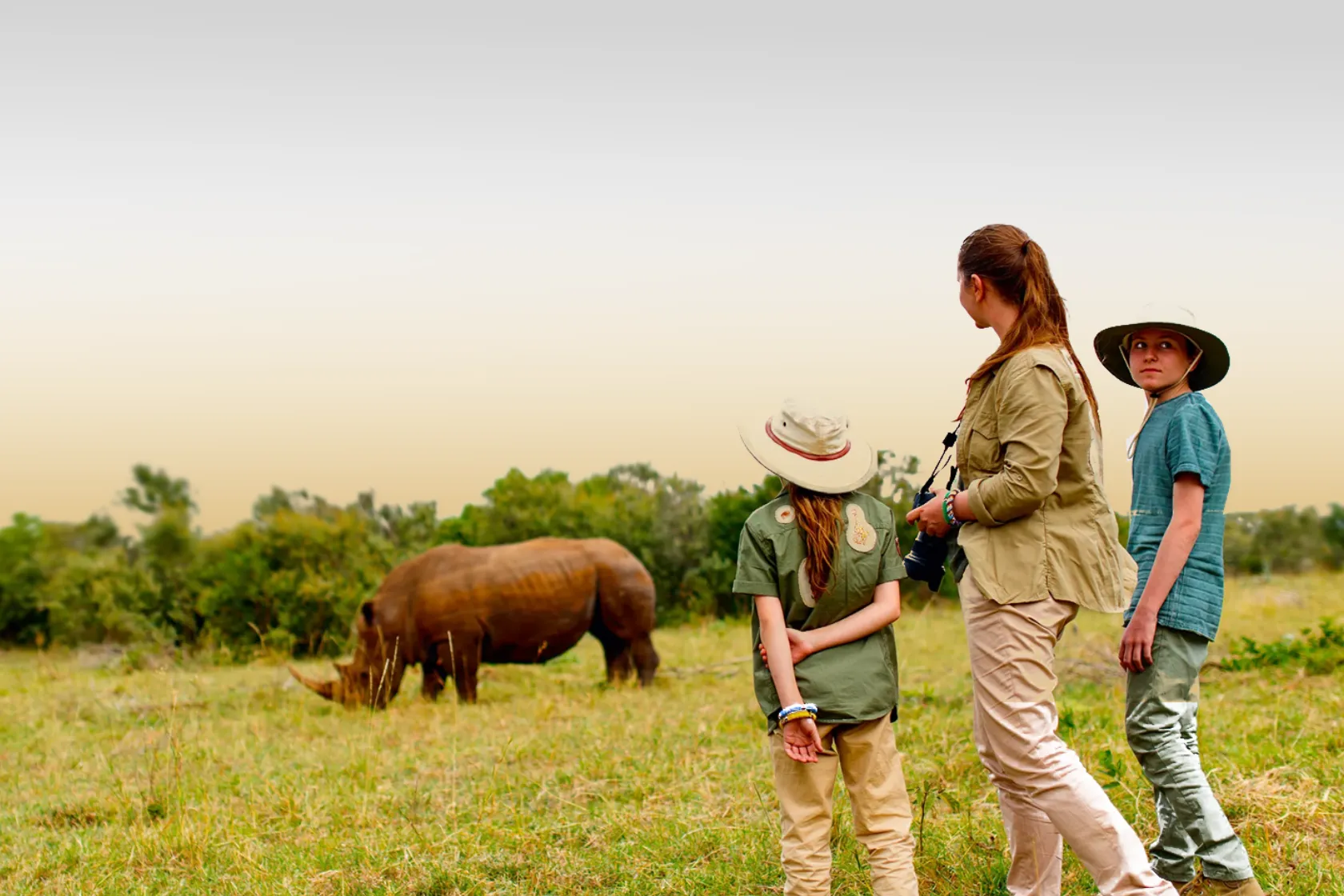
What Is Tanzania Cultural Tourism?
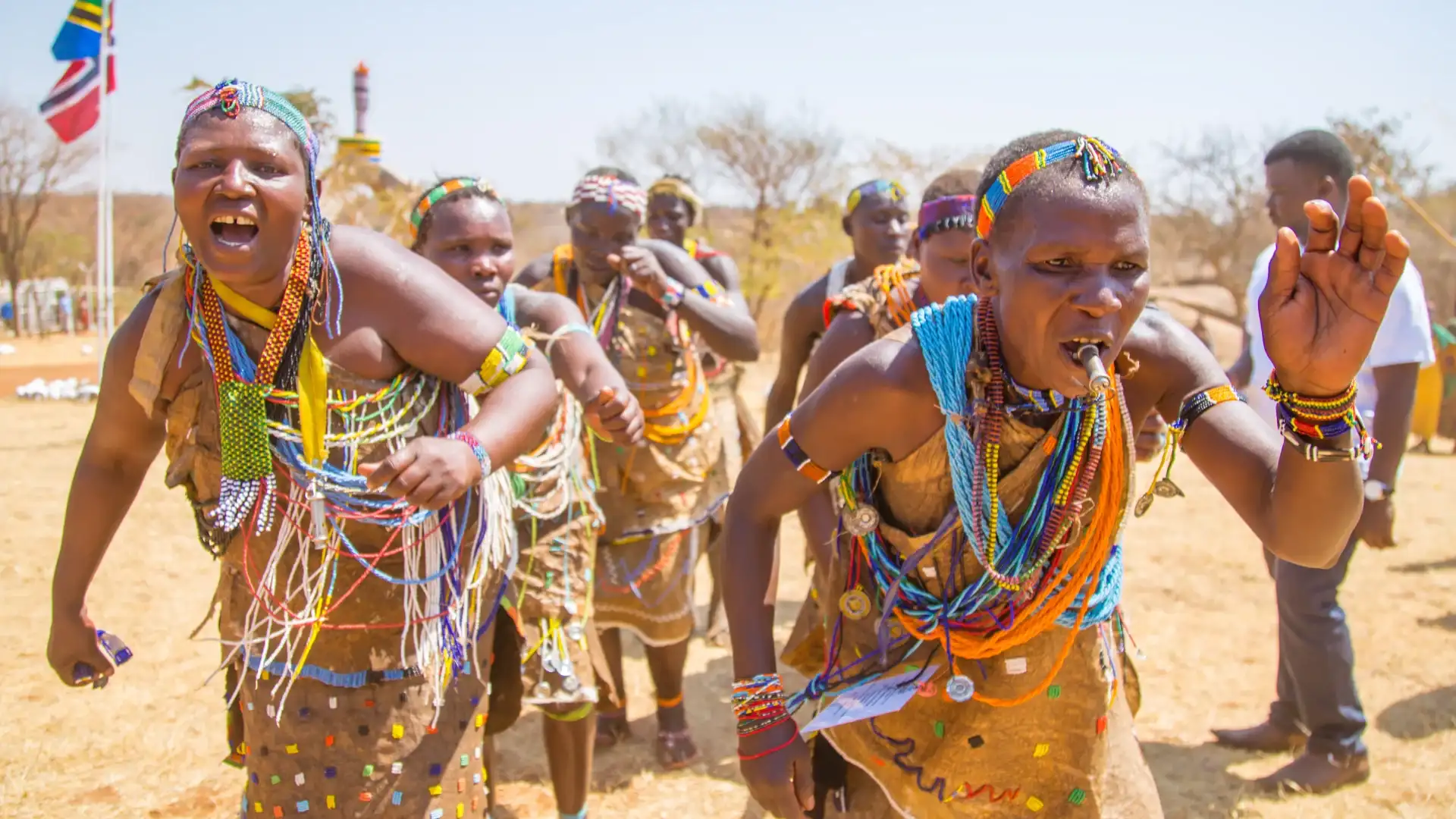
Tanzania has over 120 ethnic groups. Each group has its own language and customs, which is why the country feels so layered and interesting to explore.
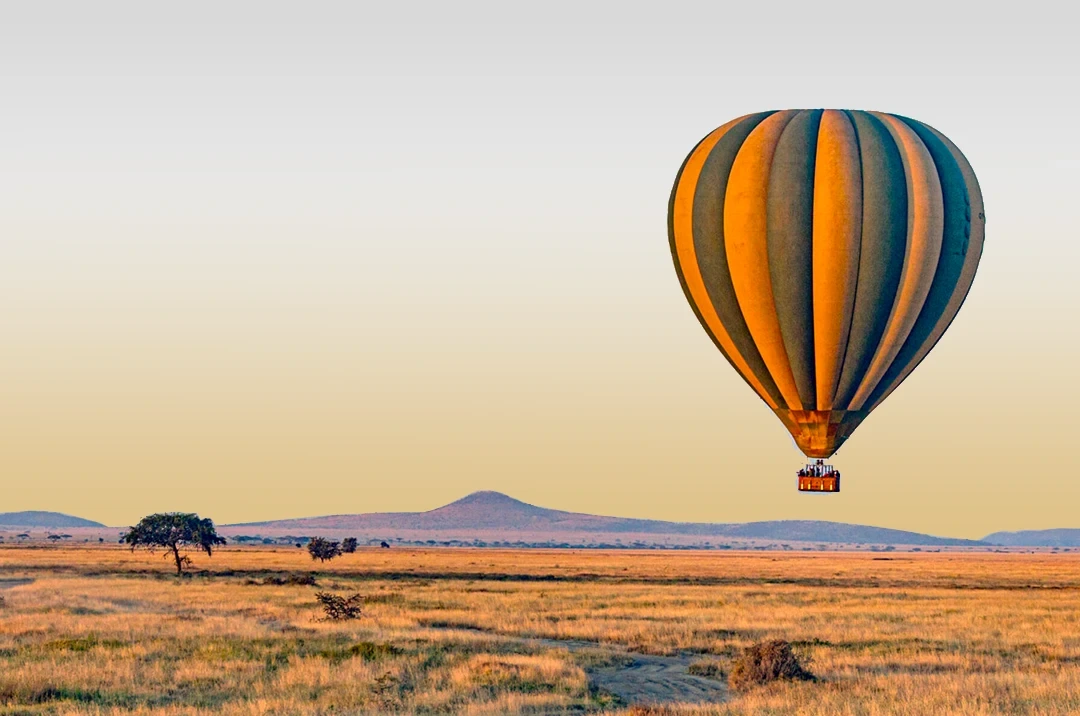
Adding culture to your Tanzania Safari Experience gives the trip soul. Every stop feels fresh and rich.
Even though you’ll love seeing the animals, interacting with the community is fun too. You’ll have the cultural visit as one of your favorite memories.
Why Add Cultural Experiences to a Tanzania Safari?
Tanzania Cultural experiences make a safari feel more complete because they slow the trip down and give the landscape a human context.
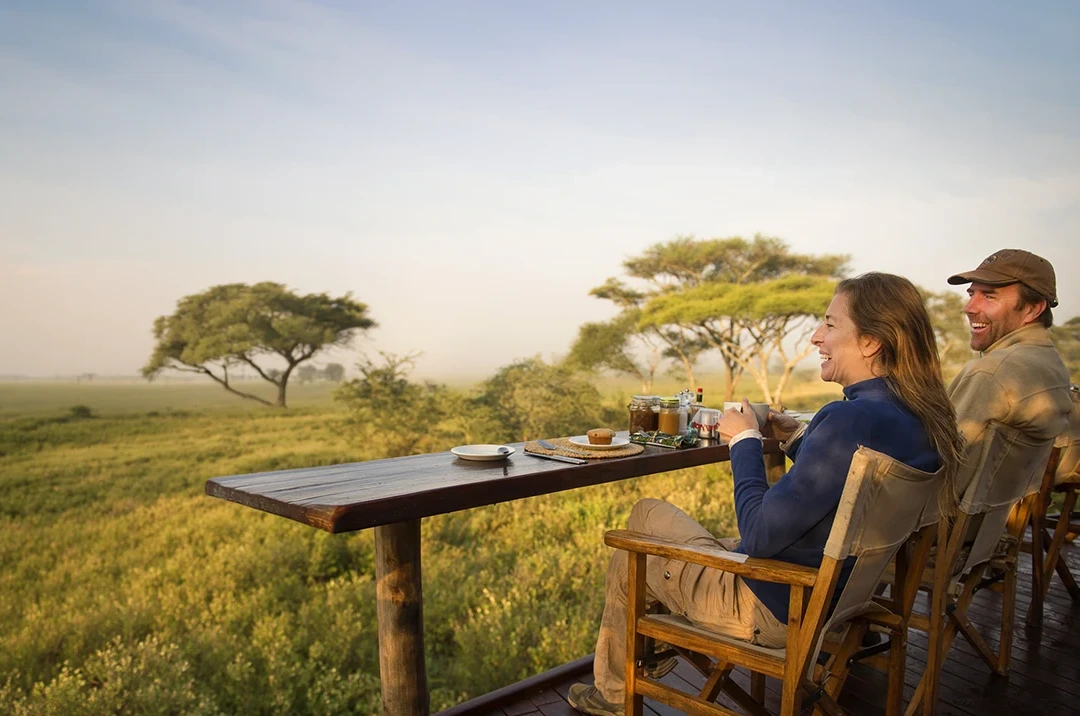
You’ll notice details you’d miss from a car window. Additionally, you’ll share meals and talks with locals.
This helps you understand the land better than any book. Your Tanzania safari feels whole when you meet the people who live there.
They also bring in things game drives do not: conversation, food, history, local humour, and the small practical details of living in a place. And later, those moments stay with people more than they expect.
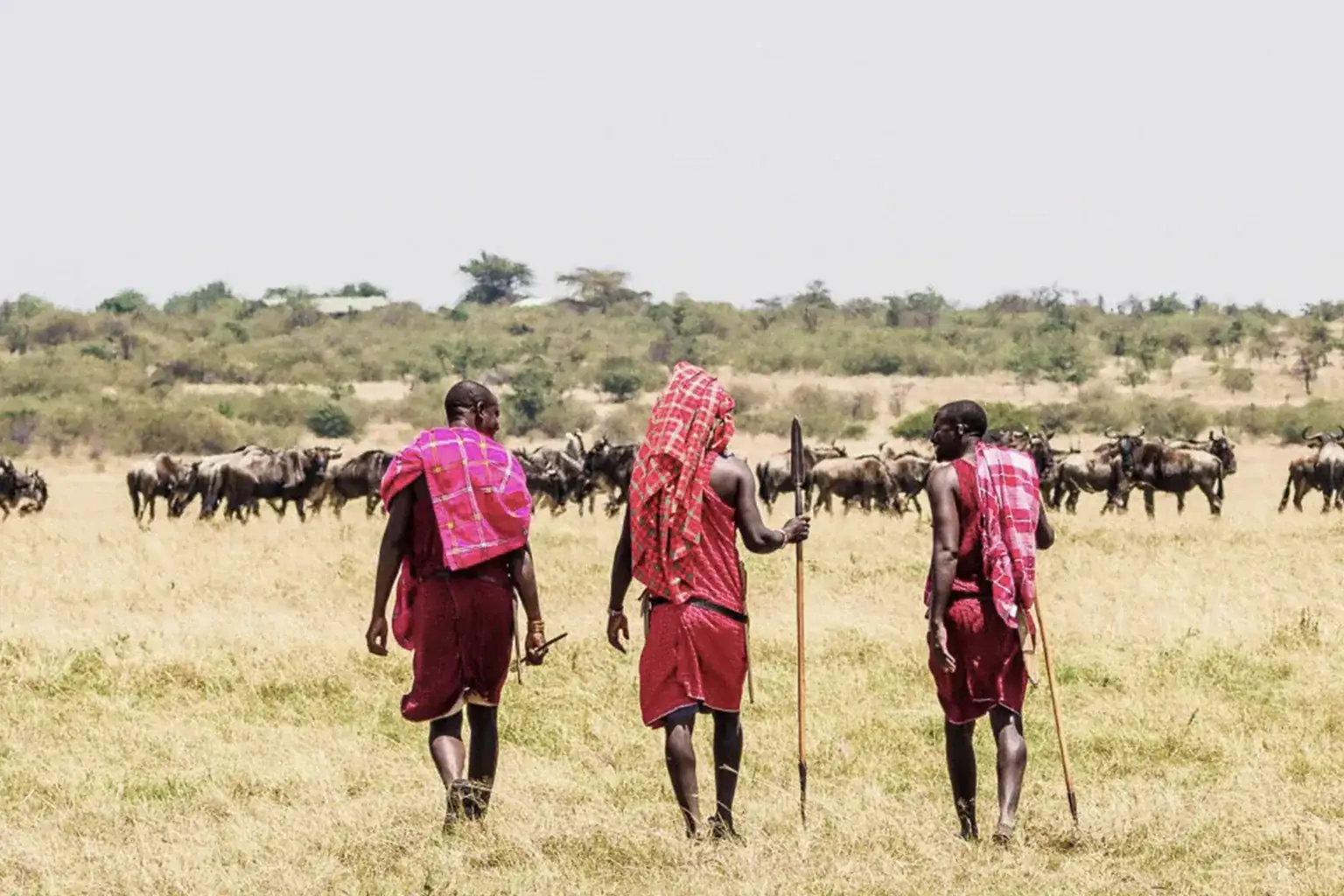
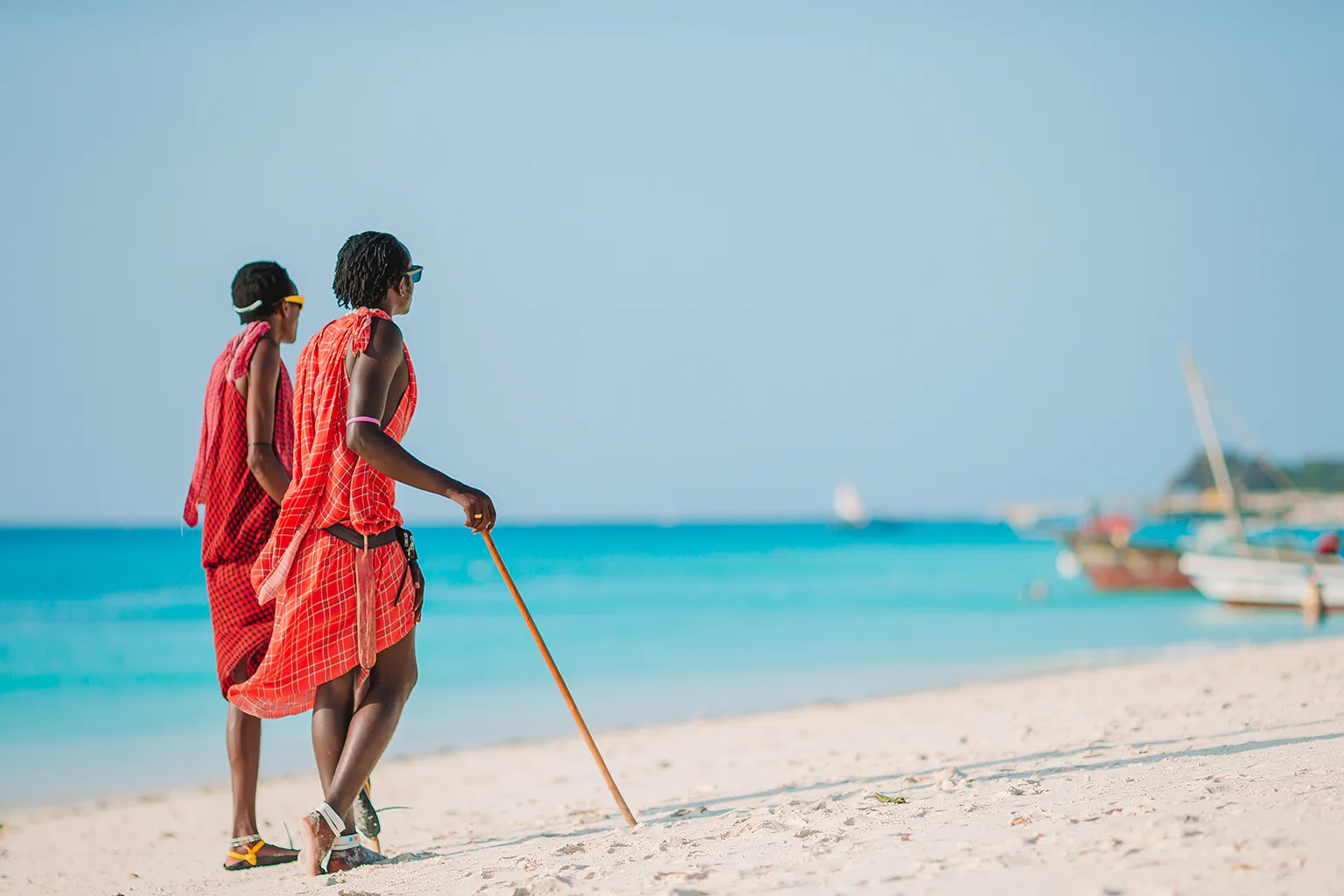
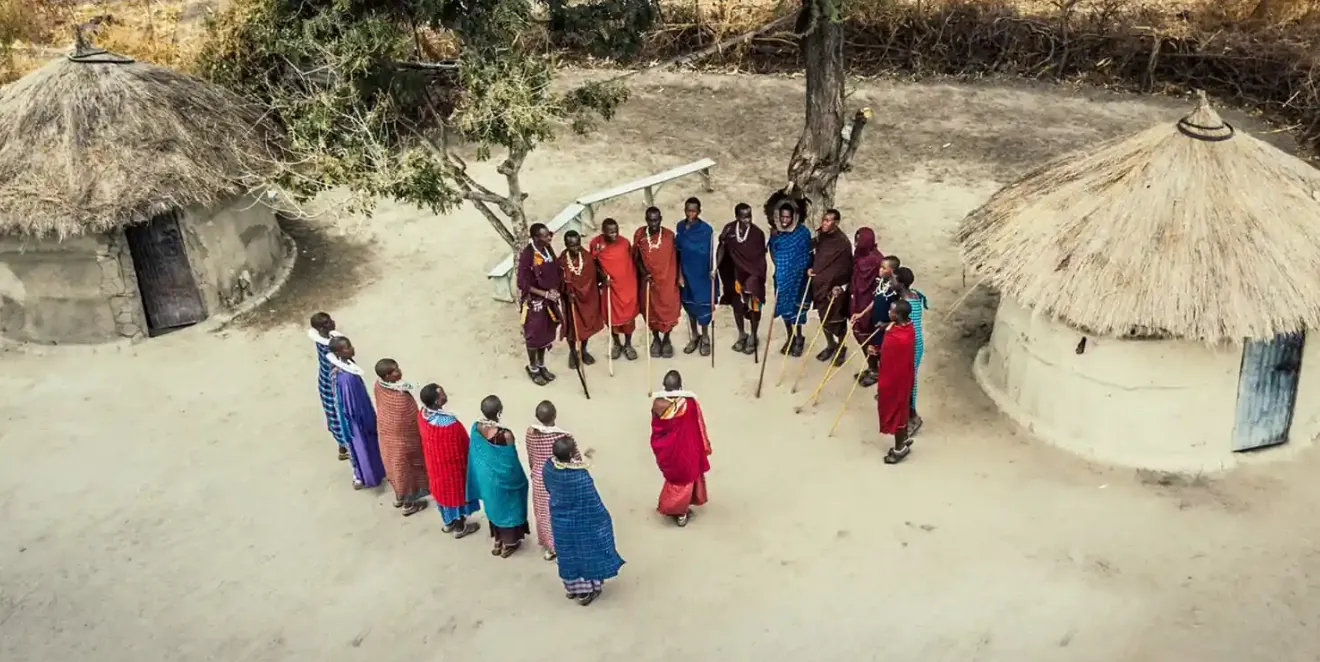
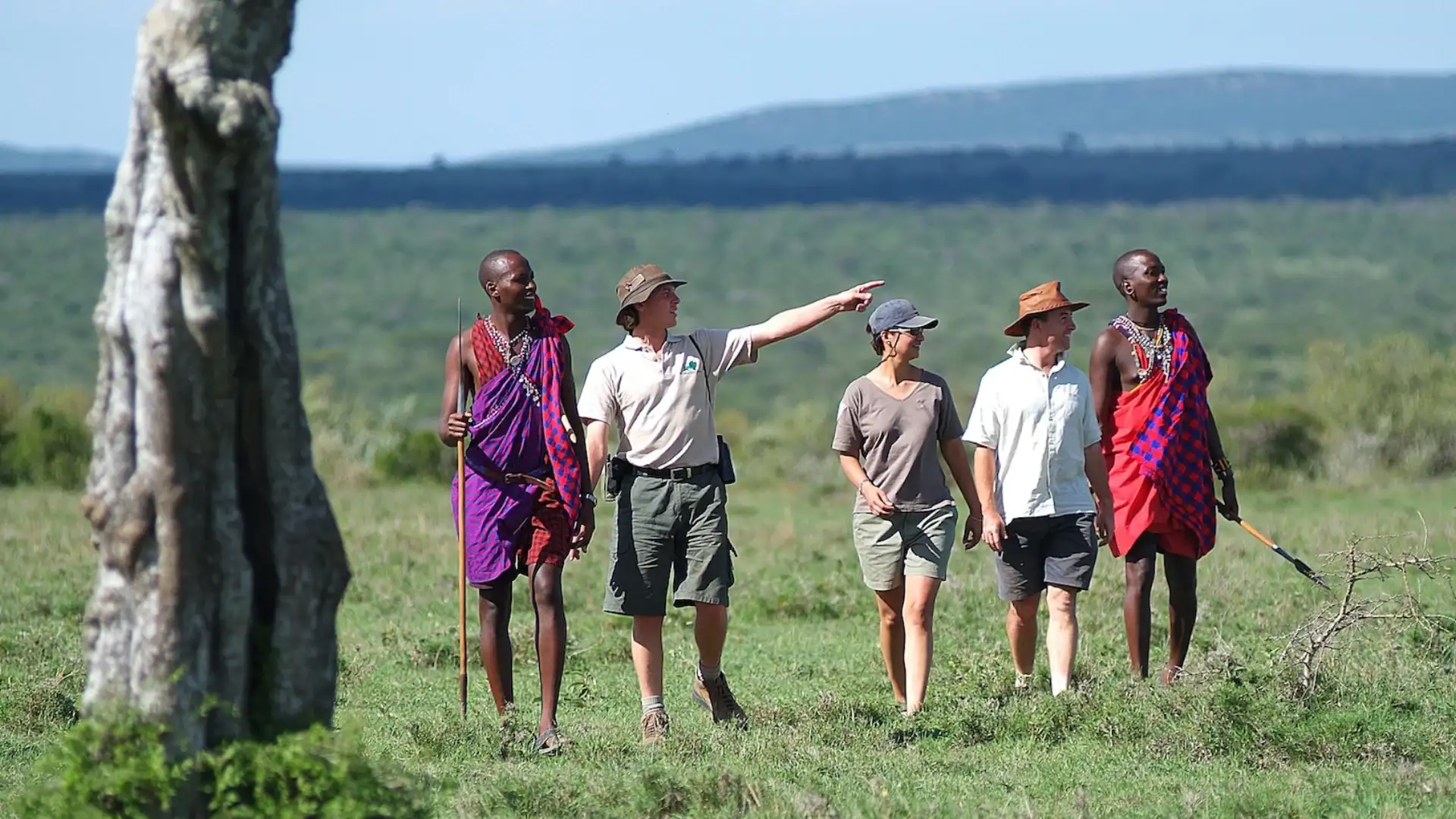
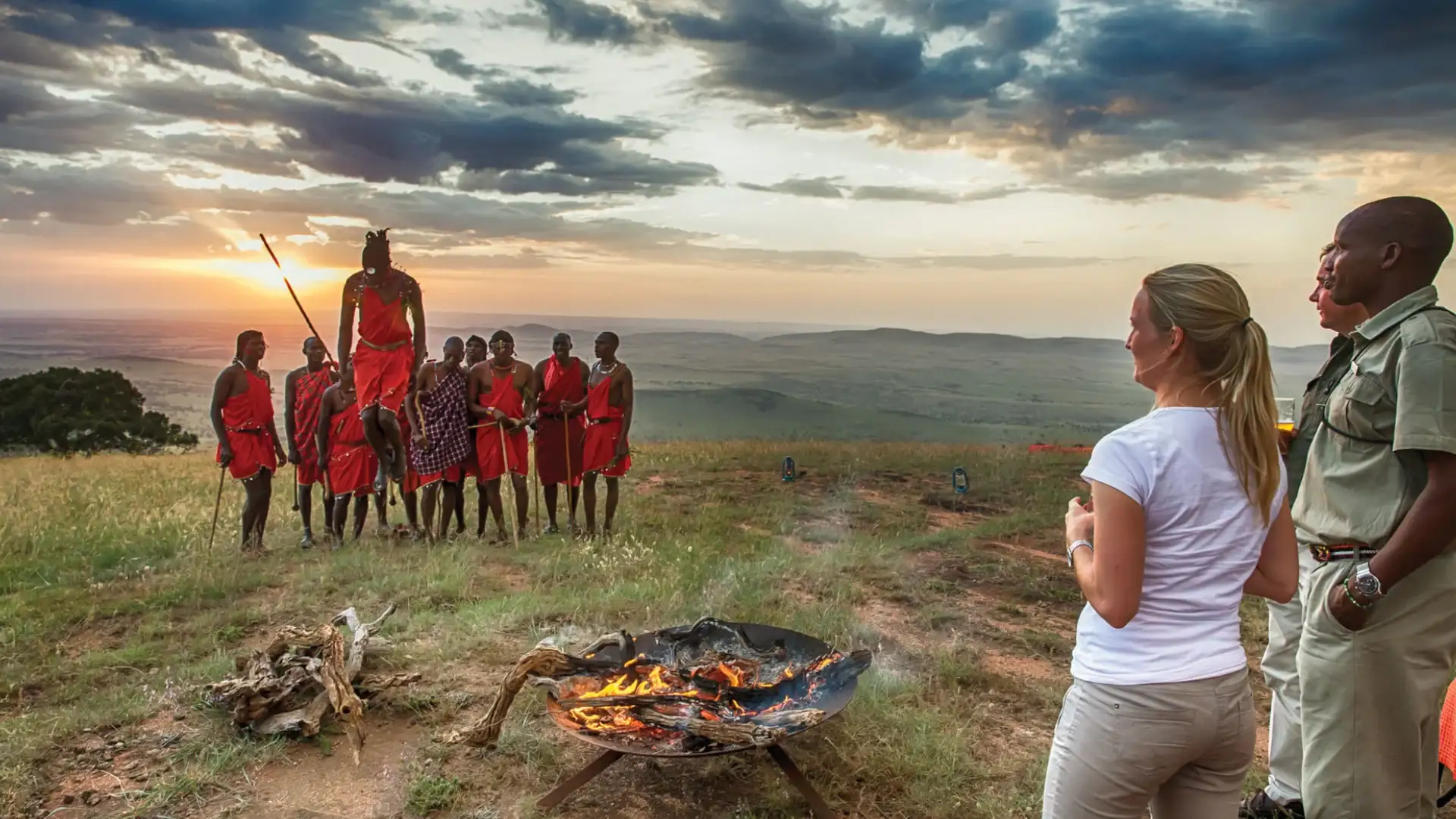
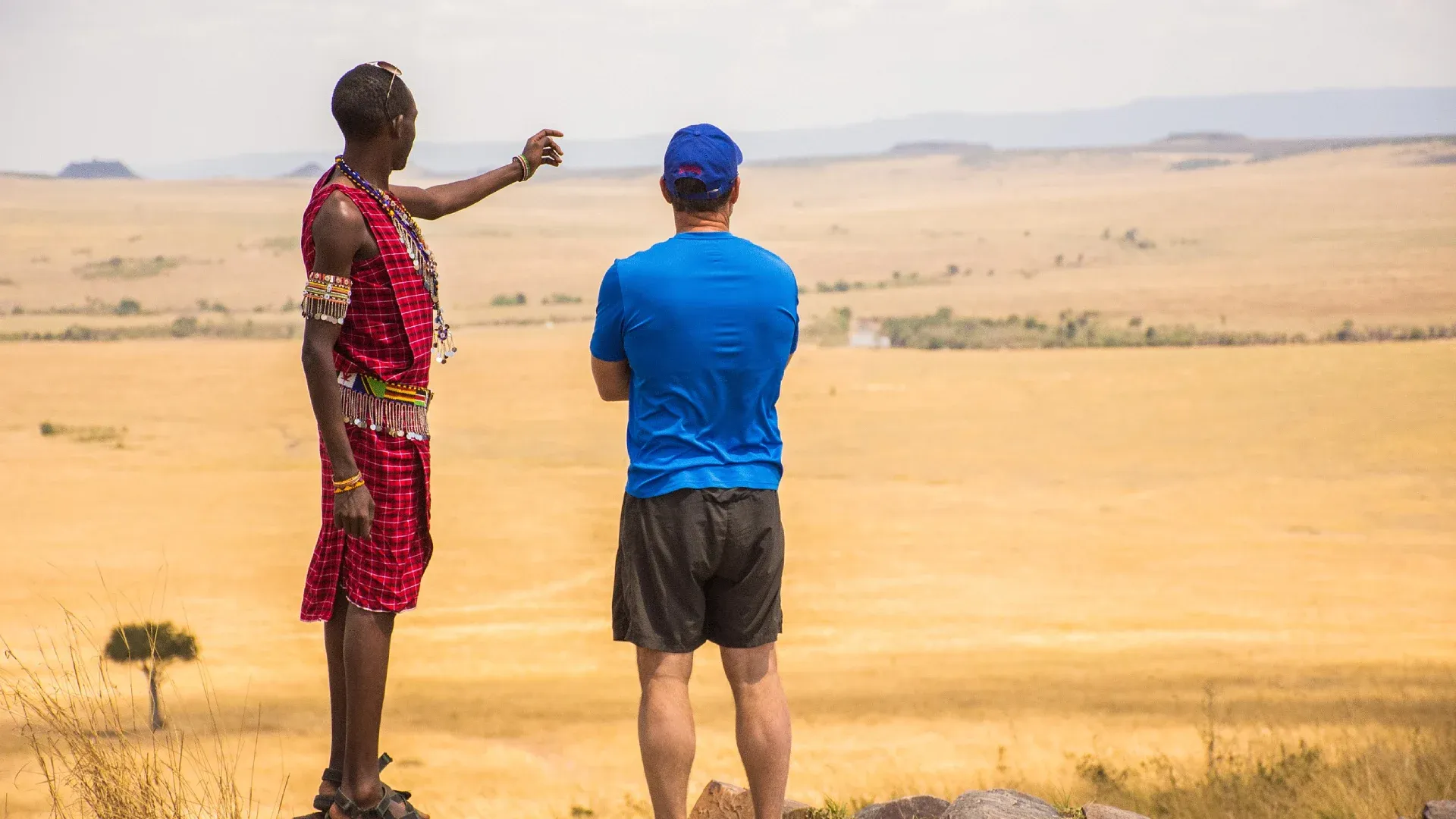
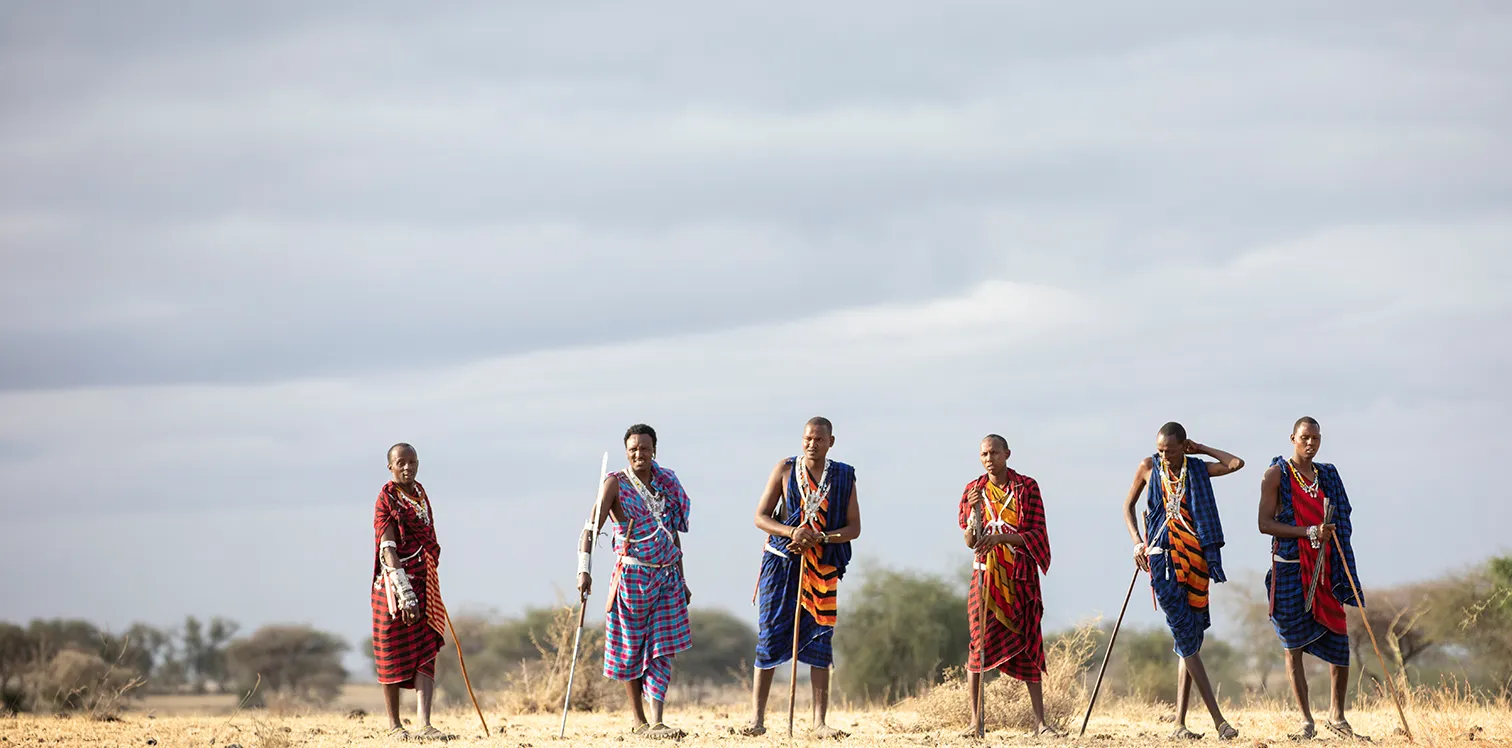
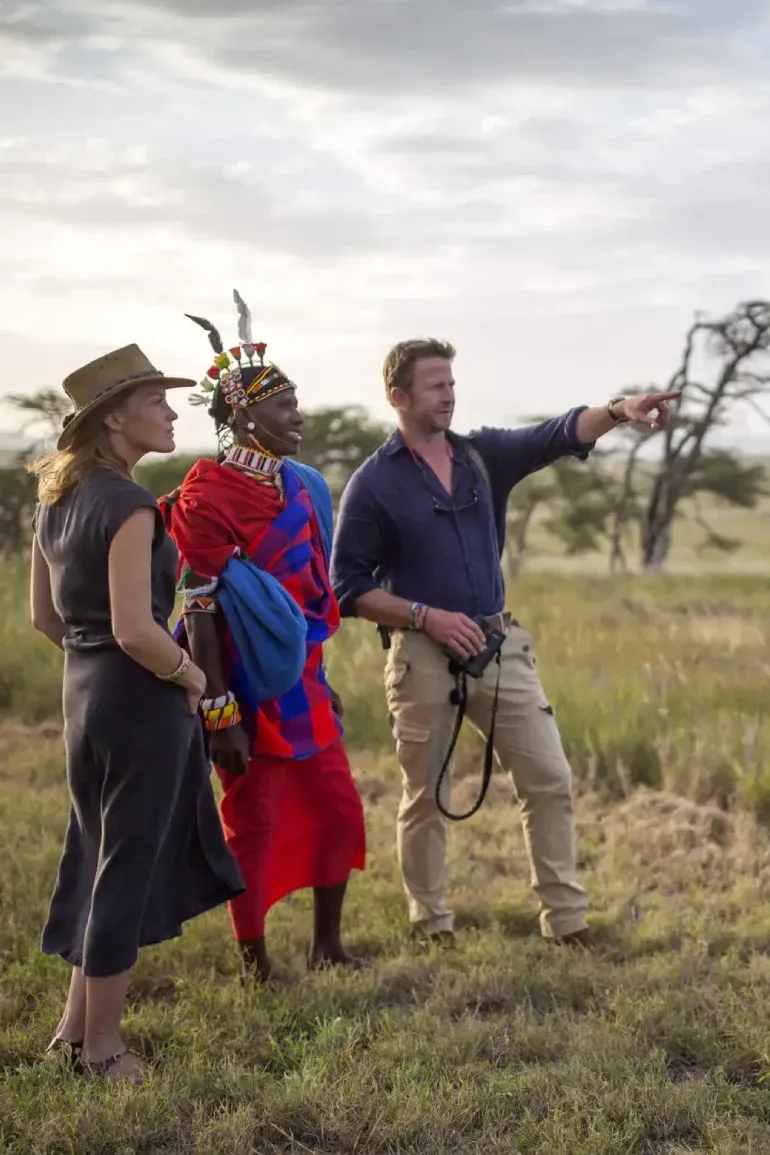
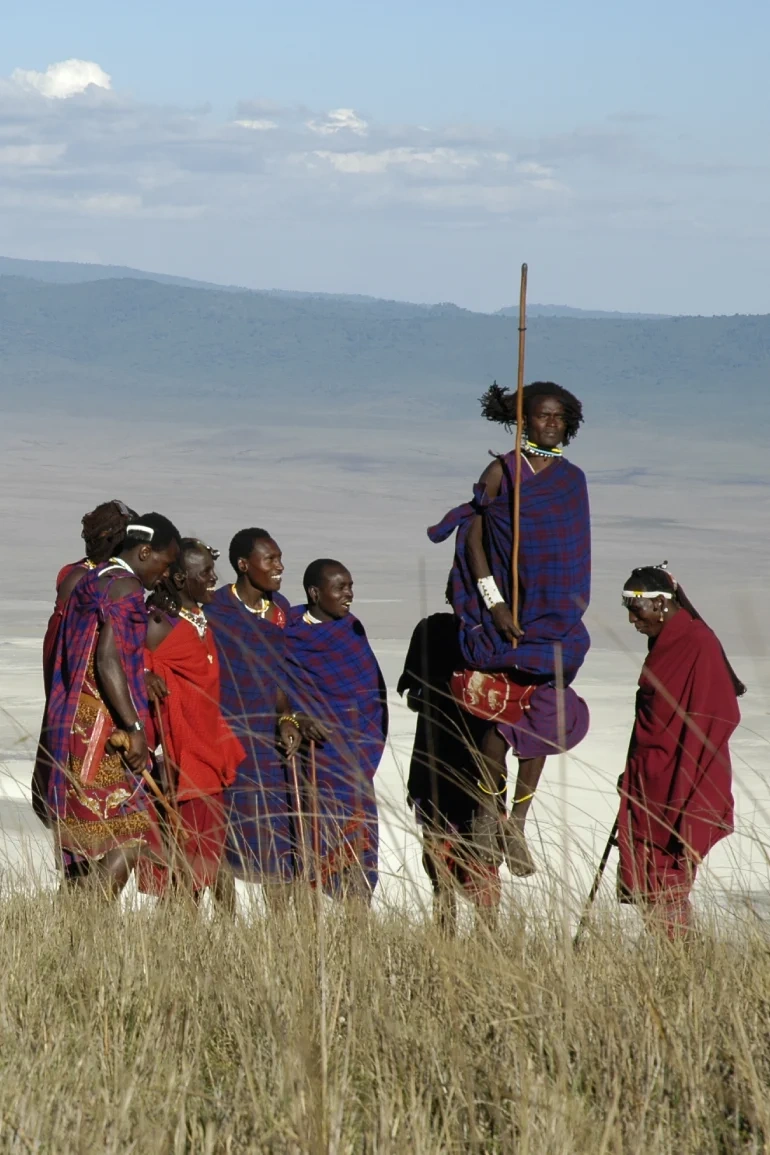
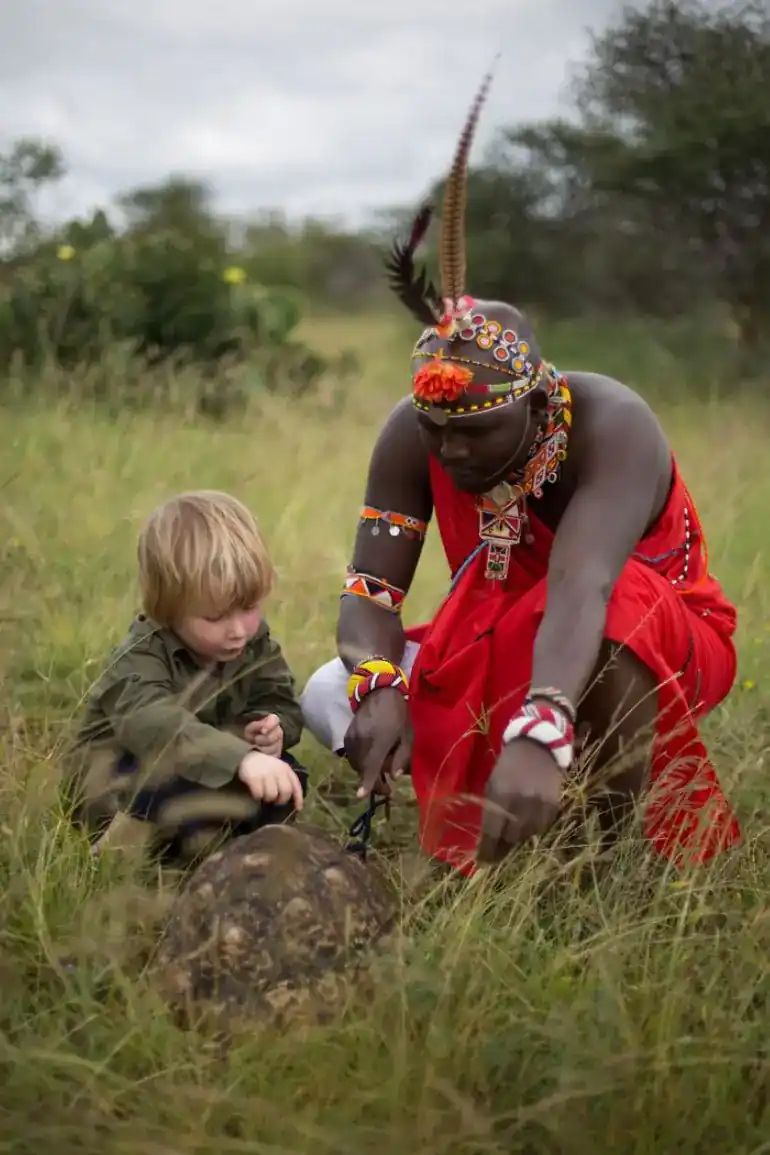
Tanzania Cultural Tourism appears here through striking contrast, with one image following Maasai figures across the savannah near wildlife, while the other places coastal tradition beside bright Indian Ocean waters.
Northern Tanzania Cultural Tours
The north is the hub for cultural tourism in Northern Tanzania. Here are some of the best spots to visit.
Ilkiding’a
Ilkiding’a shows the oldest African irrigation system. It belongs to the Waarusha people. You will be shown the Maasai Boma and enjoy the traditional food.
You will also walk into the house of the traditional healer, who will answer historical questions. The craftsmen group will show you small wooden stools, jewellery, knives, and traditional clothing.
Ilkurot
Ilkurot sits 20 km west of Arusha city along the Nairobi Road. Here, you will have a trek on Ngorora Hill, then visit Maasai Boma for a true African cultural experience, including Maasai life, a Maasai dance group, and the Maasai colourful market.
Longido
Longido sits near the Kenyan border, in Namanga. Here, you will have a unique experience taming animals by camel ride, learn, and even act out the Maasai way of life. An animal- and bird-watching experience is something you can never miss in Longido.
Sapuk
In a cultural tour in Sapuk, you will visit the amazing waterfall, beautiful forest catchment, holy tree, and the view of the city of Arusha. The more you spend time on the tour, the more you enjoy the tour and learn more.
Engaruka
Situated 63 km north of Mto wa Mbu, on the road to Oldonyo Lengai and Lake Natron, Engaruka is one of Tanzania’s most important historic farming towns. Some 500 years ago, a farming community of several thousand people developed an ingenious irrigation and cultivation system.
For unknown reasons, the farmers left Engaruka around 1700. Many questions remain unanswered: who lived in Engaruka, how they developed such an ingenious farming system, and why they left it. History lovers enjoy the mystery
Lake Eyasi
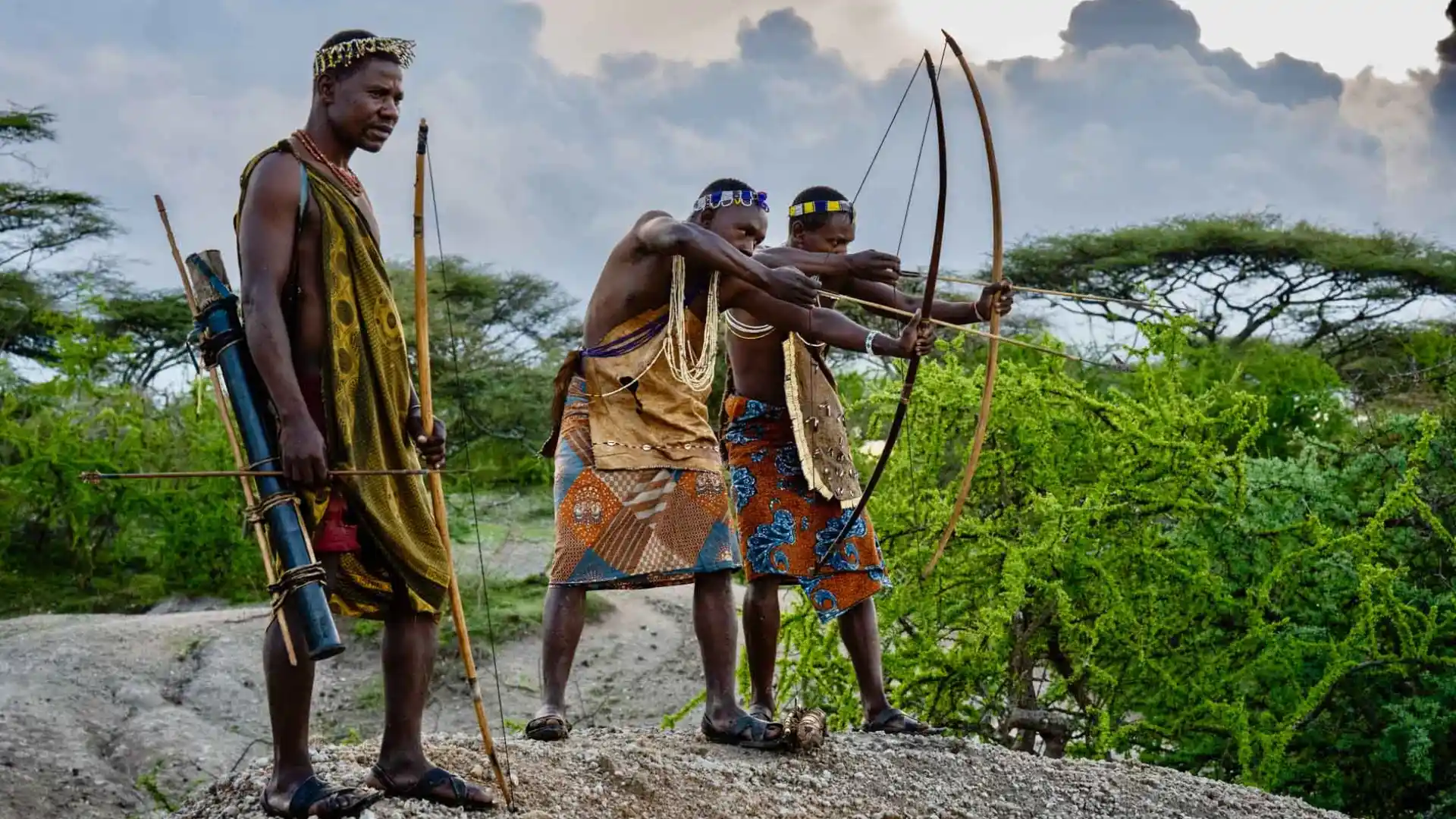
There are people who live in the forest near Lake Eyasi called “Bushmen.” They live like ancient man, depending on gathering fruits, hunting animals, and living in caves or forests. They don’t wear clothes.
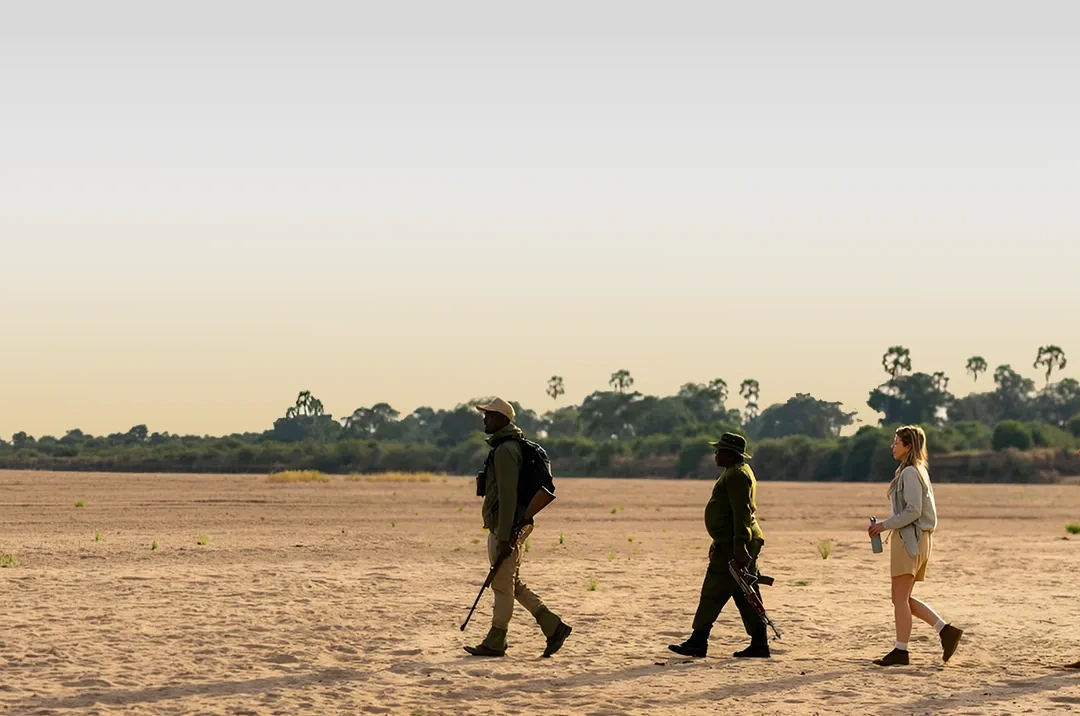
The cultural tourism visit to this area will enable you to see them. Tanzania Walking Safaris are taking place around the area. The tour takes two/three nights, and there are five campsites that can offer accommodation.
Mto wa Mbu
Mto wa Mbu is present near Lake Manyara. It is the only point in Africa where 4 languages meet: the Nilotes, Cushites, Bantu, and Hamites, a unique cultural feature in the World.
It is also a place of great evolutionary significance. Some of the activities people enjoy here include visiting the Maasai Boma, dancing, taking school tours, and hiking the Rift Valley wall.
Monduli juu
Situated 50km North West of Arusha on the road to the Serengeti National Park, Lake Manyara, and Ngorongoro Conservation Area. You will experience walking and trekking in the Monduli Mountains and visit Maasai women for jewellery and handicrafts.
“Kona Saba” is a trekking point along the steep slope in the Monduli Juu. You will get to climb it to see the views of the Rift Valley, Kitumbeine Mountain, Longido, and Mount Kilimanjaro. You can also go on a medicinal herbs tour and an evergreen rainforest tour.
North Pare
In North Pare, you can do a half-day walk, a full-day hike, or stay longer if you want to explore the area more deeply. There are forests, moorland, old clan forests, and traces of how people once managed water through irrigation channels, dikes, and drainage systems.
There is also a strong cultural side here. Some visits bring you to traditional healers, potters, old ritual sites, and places tied to local beliefs and ceremonies. On a clear day, you can see Mount Kilimanjaro, the plains below, South Pare, Usambara, and even Mkomazi.
Marangu / Mamba
Marangu and Mamba are good for travelers who want more than a quick cultural stop. This area has history, local life, and a real connection to Kilimanjaro. One of the most important visits here is the home and memorial of Yohano Lauwo, the Marangu man who joined Dr. Hans Meyer on the climb to the summit of Kilimanjaro in 1889.
You also get a closer look at Chagga life. A visit to a traditional Chagga house with a straw roof helps make that very real. There is also the Chief Mangi area, where the first court and first primary school in the Northern region still stand. And then there are the caves, which the Chagga used during conflicts with the Maasai. So Marangu is not just a stop near the mountain. It carries memory, struggle, and everyday history all in one place.
Eastern Tanzania Cultural Tours
Culture isn’t just in the north. You can find amazing Tanzania Destinations promoting cultural tourism in the east, too:
Kisangara
Kisangara lies about 62 kilometres southeast of Moshi, under the wider Kilimanjaro region, and the visit often includes local economic and community projects. You may stop at a carpentry workshop, a brick factory, a sisal plantation, a local beer brewery, or the Lembeni Herbal Hospital. You can add a forest walk in the Kindoroko Mountains, a visit to a spice garden, or time at Nyumba ya Mungu Lake for fishing or boating. The walking is moderate, so it is not too demanding for most travelers. Kisangara works well for Tanzania Cultural Tourism Tours that feel active, useful, and close to ordinary life.
South Pare
You can visit South Pare for half a day, a full day, or stay longer if you want to explore properly. One of the most powerful parts of the area is the network of caves where local people once hid from slave raiders.
There are forests, moorland, old German-era buildings, and viewpoints that open out toward Mount Kilimanjaro, Usambara, the Maasai Steppe, Mkomazi, and the Taita Hills. Along the way, you may meet traditional healers, craftspeople, farmers, and women’s groups.
Cultural Tours for Travelers Combining Safari + Coast.
We conduct cultural tours in many regions, including both safaris and beach vacations. Some of the regions are:
Saadani Village
In Saadani National Park, cultural tourism is a major experience in the eponymous Saadani Village. You will get to hear historical information about Saadani. You will also have an opportunity to taste a freshly caught meal of the day from the Indian Ocean.
West Usambara
It is situated in the North-Eastern part of Tanzania between Mount Kilimanjaro and the Indian Ocean. Visit superb viewpoints on the edge of the mountain, walk through dense natural forests and along small rivers that race downhill, and visit development projects, a traditional pottery village, and see a vast number of beautiful butterflies.
Gezaulole
Situated on the coast, south of Dar es Salaam, a half-hour’s drive from the Kigamboni ferry side. You will experience village life and enjoy the quiet beaches, birdwatching, and village handicrafts.
Pangani
Situated about 50 km south of Tanga, in the extreme northeastern corner of Tanzania, on the Indian Ocean coast. You will enjoy a Pangani town tour, including visits to historical buildings, a former slave labour camp and slave market site, a cruise through vast coconut plantations, and fishing with local fishermen.
How to Choose the Right Cultural Experience for Your Travel Style.
Not every Tanzania Cultural Tourism spot fits every trip. For instance, for:
Half-day add-on
Mto was mbu is a great stop for this.
Families
Try markets and schools at Mto wa Mbu.
Photo lovers
Visit the Maasai in Ilkurot or go to Lake Eyasi.
History fans
visit Pangani, Engaruka, or Marangu caves. One deep visit beats five rushed stops.
Walkers
Head to Pare or Usambara mountains.
Foodies
Kisangara or Chagga villages are top picks.
Safari and beach combo
Saadani village is a good choice to bridge wildlife and beach life.
Cultural experiences usually sit best between travel days. This means you can fit them on the way to the next park, or at the point where a safari is easing into Kilimanjaro or the coast. That is where they work best and provide the best experience.
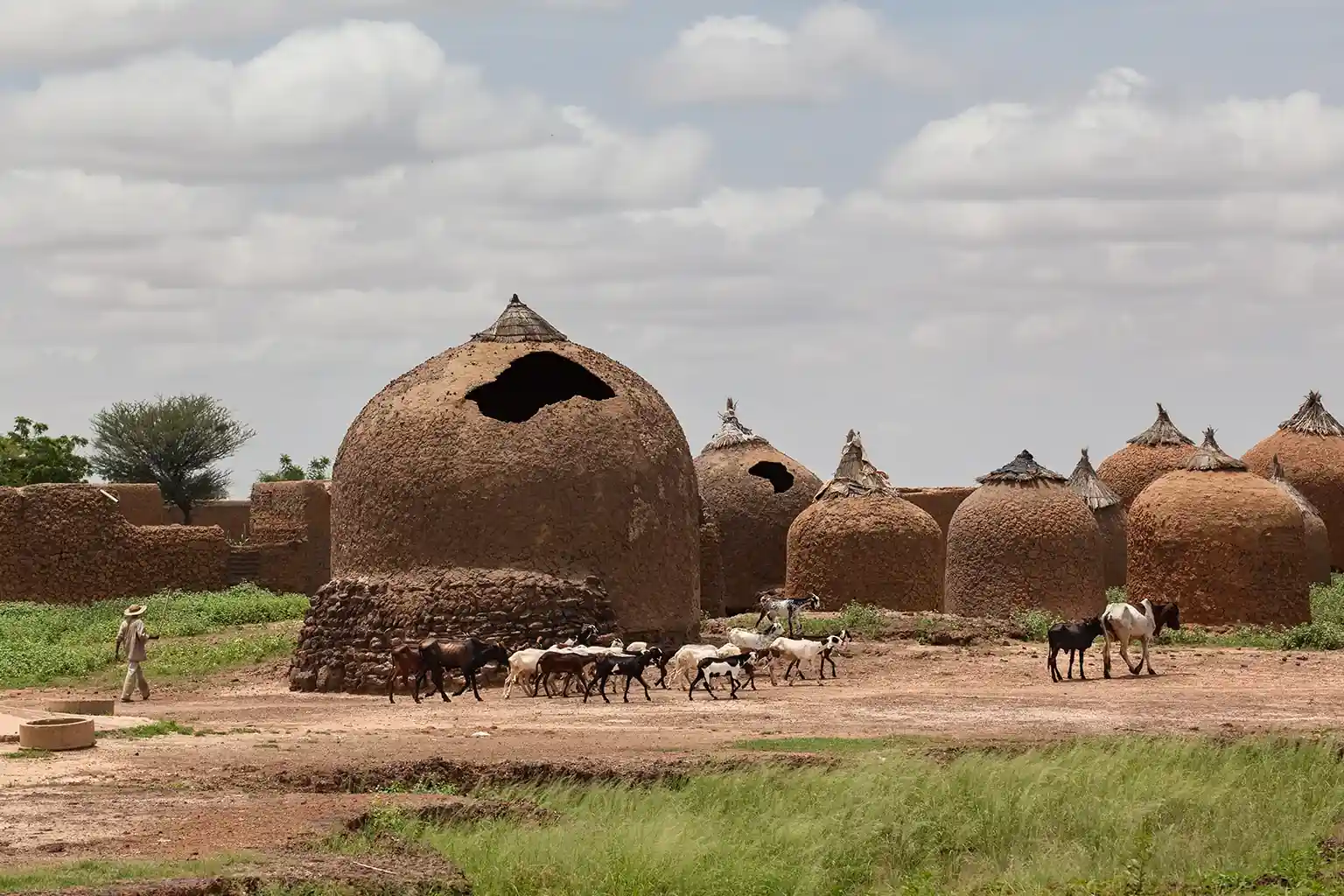
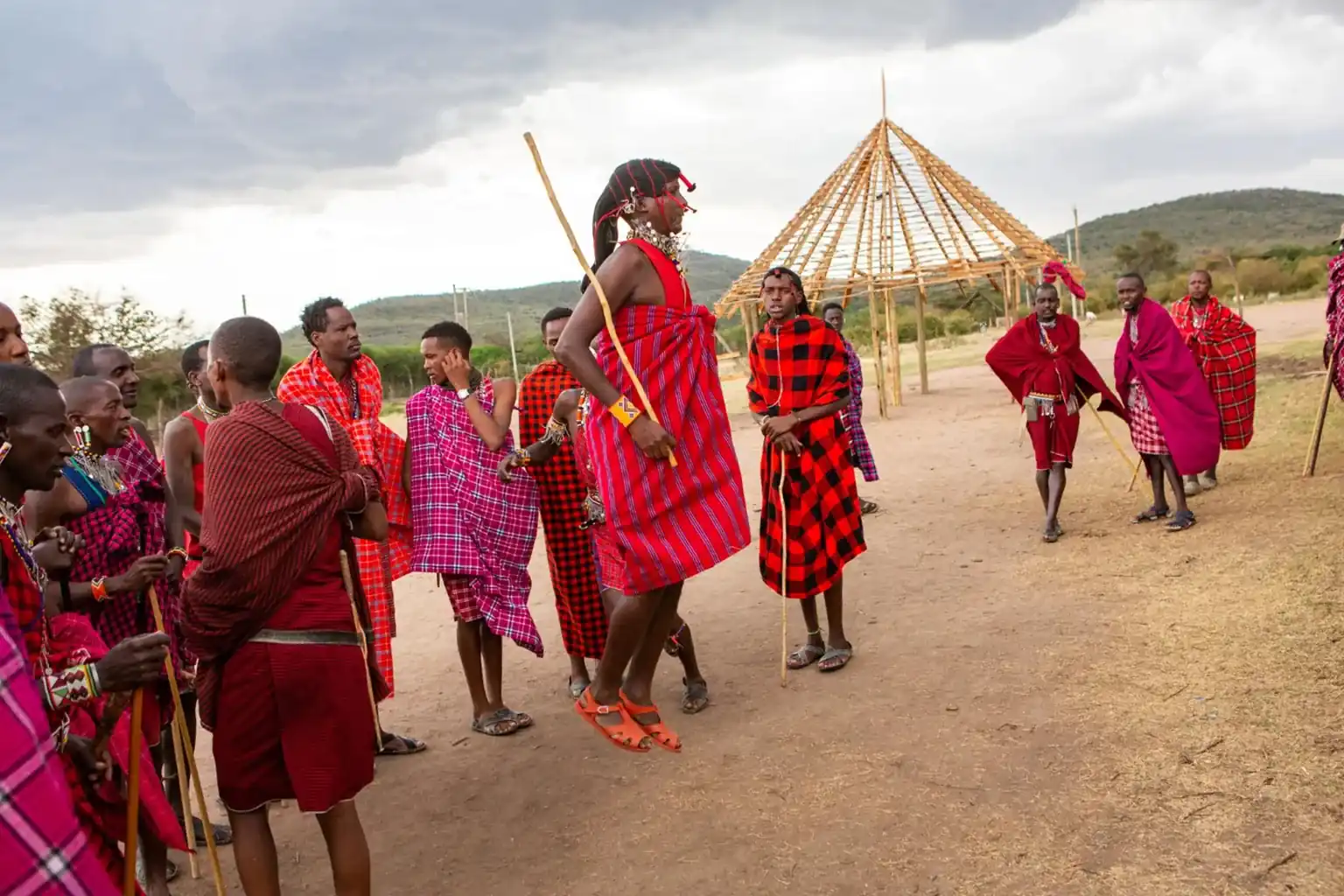
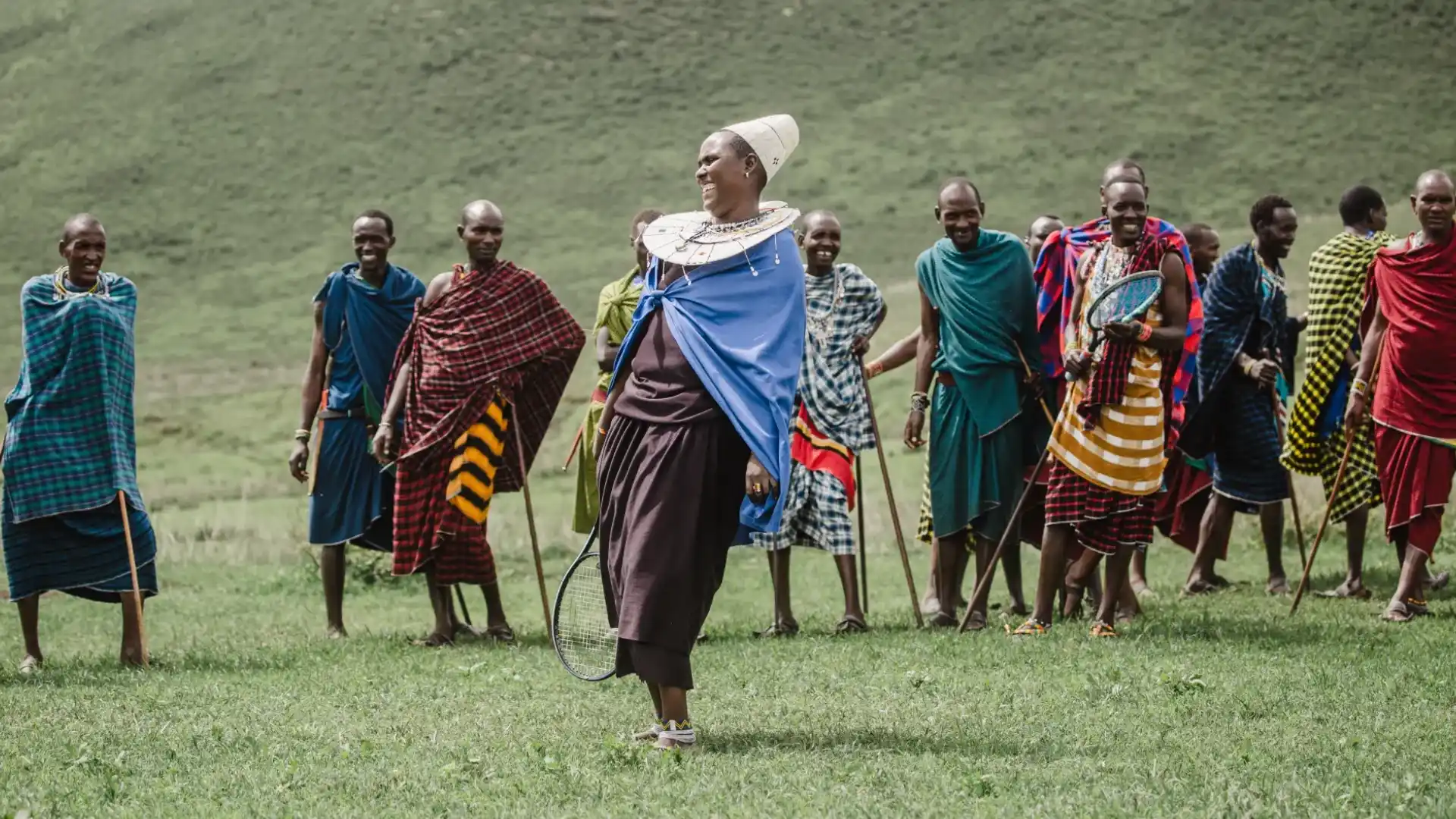
Tanzania's culture is reflected here through its heritage and tradition. Pairing an old village scene with distinctive round huts and livestock with a lively Maasai gathering filled with ceremony.
How to Do Tanzania Cultural Tourism Respectfully.
Visiting communities is fun. But to have the best time, you’ll have a few simple rules to follow. So, follow these rules:
Trusted Local Guide
Travel with a reliable local guide for a respectful experience
Photo Permission
Always ask before taking photos of people or their homes
Respectful Interaction
Treat people as equals with kindness and understanding
Active Listening
Listen more than you talk to better understand local perspectives
Fair Trade Support
Pay fair prices for crafts to support local communities
Modest Dress
Dress modestly to respect local customs and traditions
Responsible travel is not only about being polite. It is also about fair payment, time, and tone. As a part of our travel approach, we support local groups, guides, schools, and craft makers, and that is the right direction for cultural travel, too.
Best Time to Add Tanzania's Cultural Tourism to Your Trip.
Cultural tourism works throughout most of the year, but the best time depends on the kind of visit you are planning. Village visits can work for many months. Trekking-based cultural visits are easier in drier periods. Road access to remote areas can also shift with rain.
Dry Season Advantage
Dry months are usually easier for walking, road travel, and linking a cultural day with a safari route. These are often considered the Best Time to visit Tanzania.
Green Season Appeal
Green months can feel quieter and more scenic, which some travelers genuinely prefer.
So, the smarter move is to match the visit type to the season and region, rather than chasing a single blanket “best month.”
Our Popular Tanzania Cultural Tour Packages
A Tanzania Cultural Tour is a good way to see more than the usual safari side of the country. You get time with local people, local life, and places that feel lived-in rather than just visited. Below, we’ve listed our cultural tour packages so you can review the options and find the one that feels right for your trip.
Practical Things to Know Before Booking a Cultural Experience.
Before you leave for your Tanzania Safari, here’s a list of things to bring with you:
Walking Shoes
Comfortable shoes suitable for walking on uneven terrain
Sun Hat
A hat to protect you from strong sun exposure
Water
Carry enough water to stay hydrated during activities
Cash for Tipping
Carry small cash for tipping during your safari
Travel Documents
Check your visa and travel insurance before departure
For more information to help with your preparation, review Tanzania Travel Safety and our Tanzania Safari Packing List. Read about health in Tanzania to stay safe.
Apart from things to bring, there are also questions to ask your tour operator. This will help you be aware of the situation of your trip. Ask the following:
Visit Type
Check whether the experience is private or shared
Visit Duration
Understand how long the visit will last
Meals Included
Confirm whether meals are part of the experience
Road Conditions
Check road conditions, especially when traveling to remote areas
Connecting With the Heart of the Country.
Wildlife shows the land’s beauty. But culture reveals its spirit. These moments stay with you long after you go home. You’ll help families keep their traditions alive.
Bestday Safaris can help you with everything, from tailor-made safari planning to selecting the right cultural stops and mixing culture with parks or beaches.
As a trusted Tanzania Tour Operator. We’ll be ready to help you. Contact us today to plan your custom itinerary that mixes wildlife and culture.
Start Your Cultural Tour
Traveling in Tanzania is one of the best decisions you can make because it offers a wide range of experiences. You see wildlife, move through very different landscapes, come closer to local culture, and experience things that do not all feel the same. And that is really what stays with people for years to come.

Founder & Director, Bestday Safaris