What makes a walking safari different from game drives?
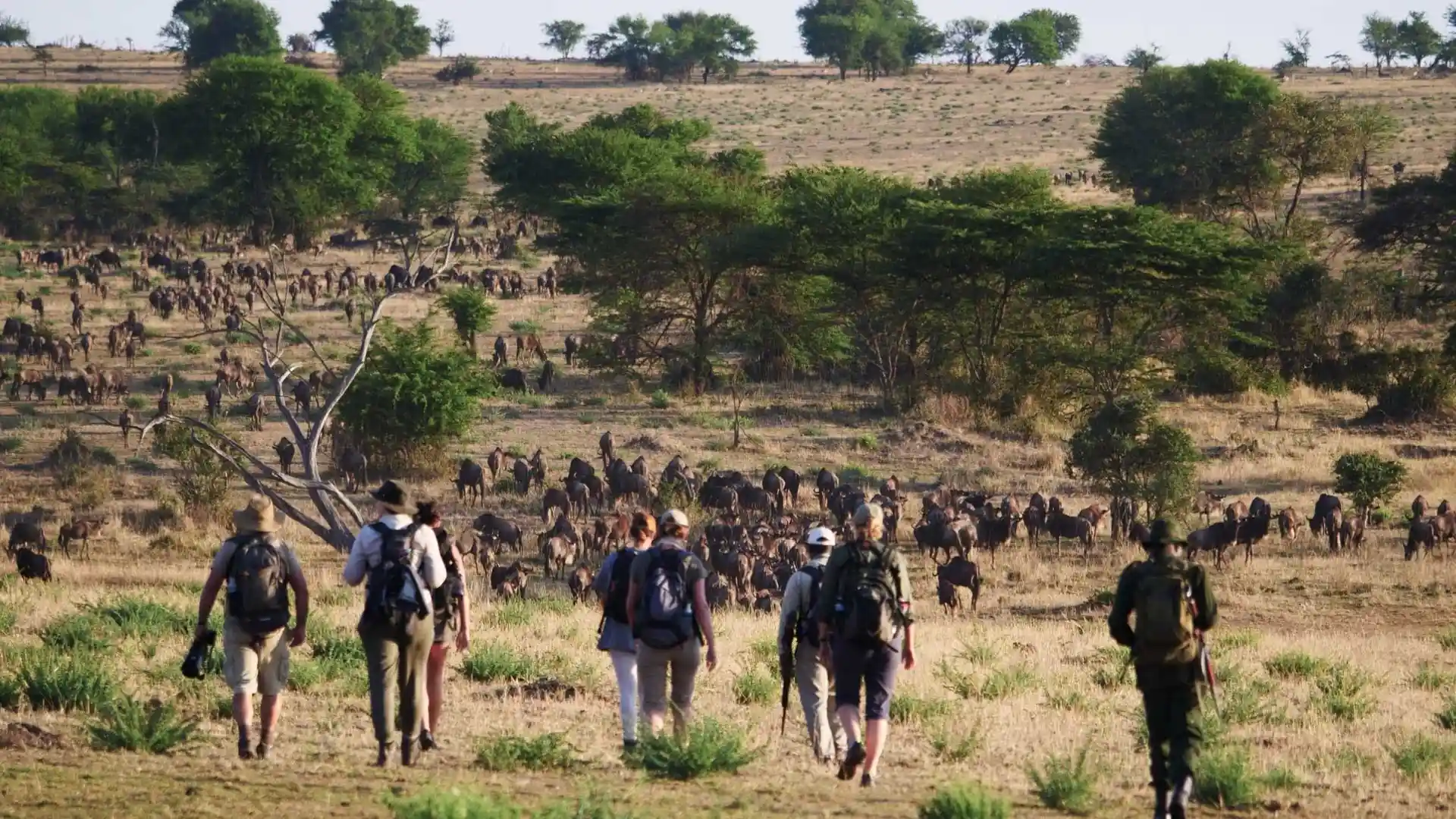
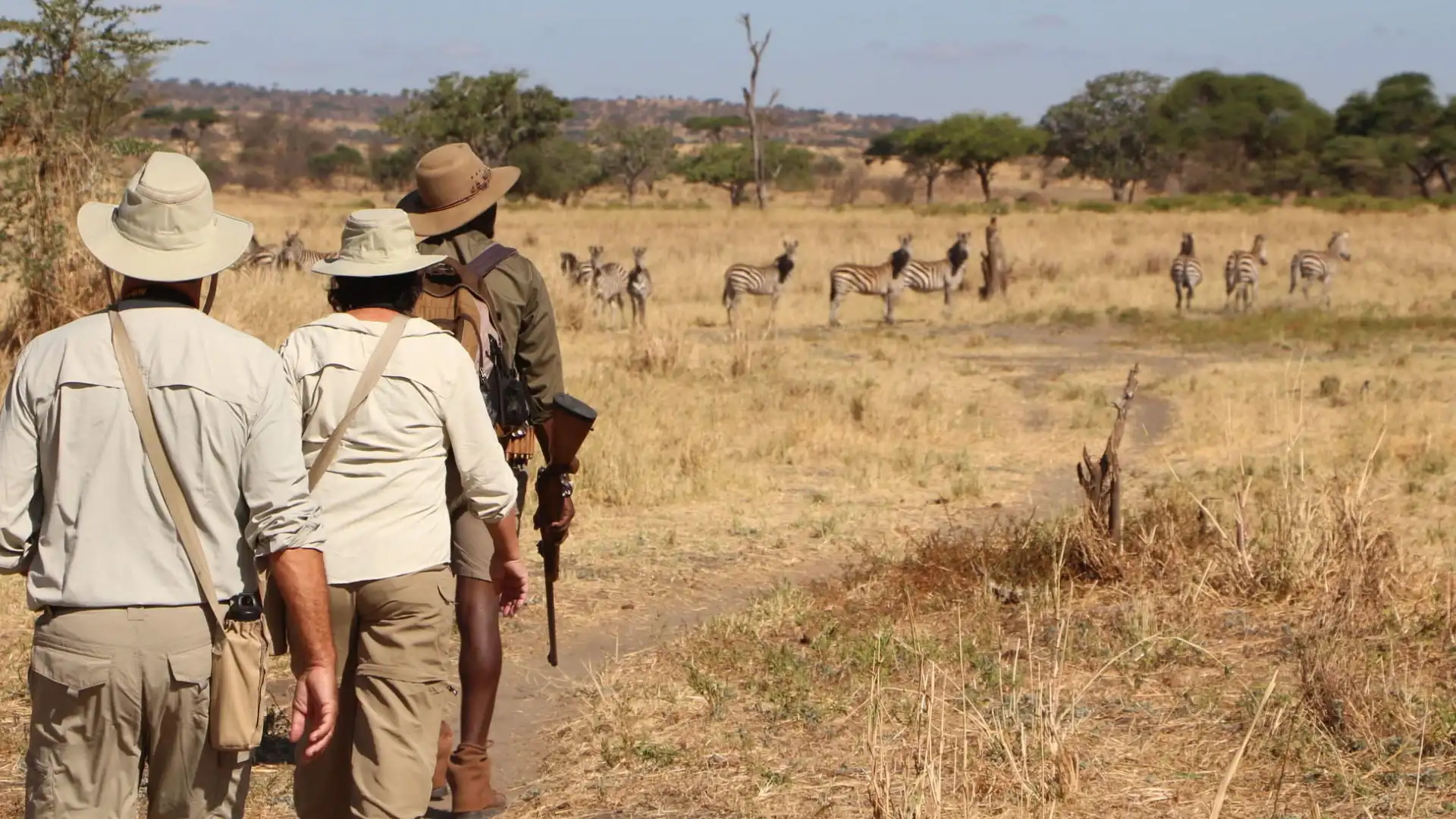
A walking safari is different from a game drive because you experience the bush on foot instead of from inside a vehicle.
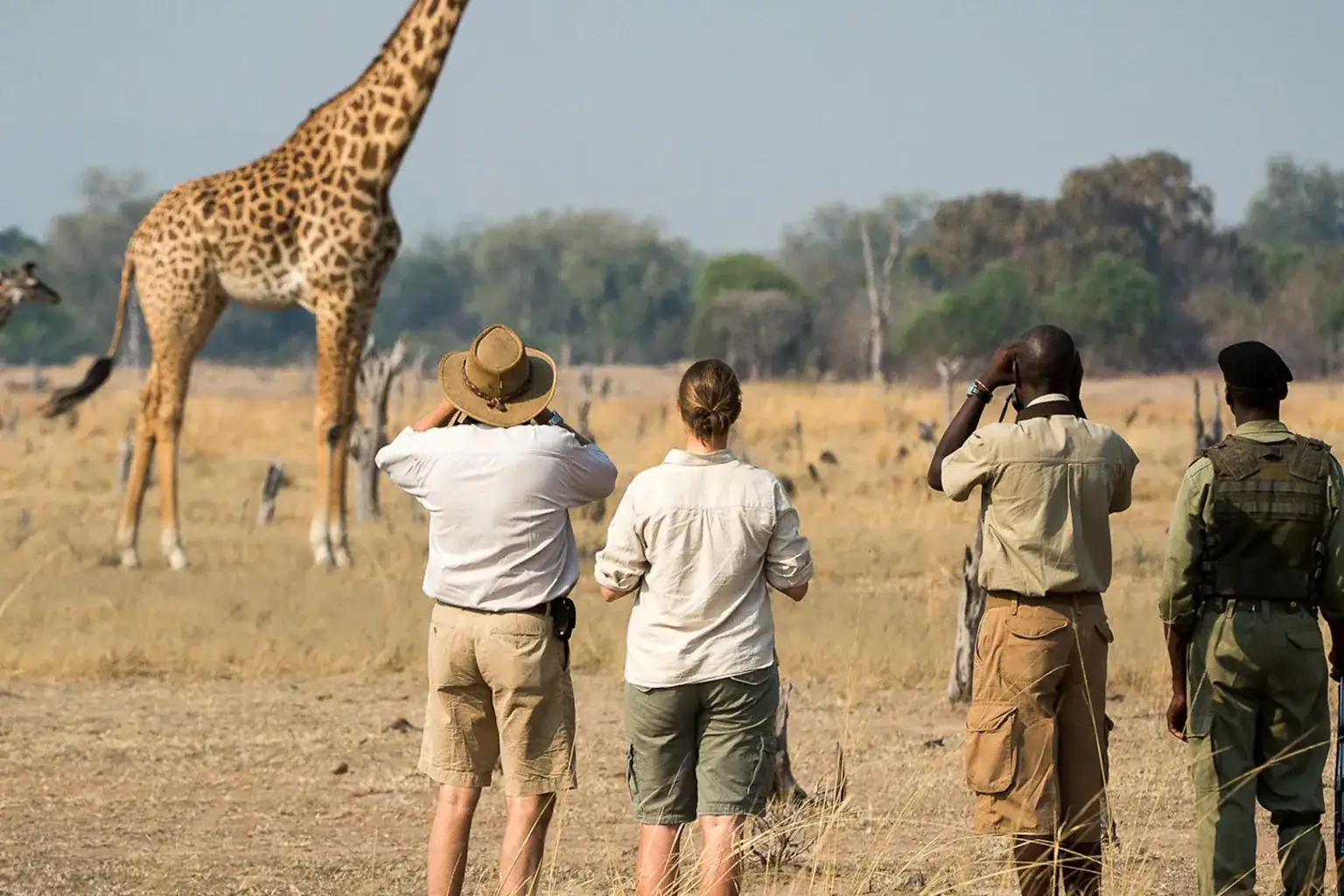
The change from sitting inside a 4x4 to walking the plains is massive. While driving, animals often see you as just another predictable shape. But on foot, you are immediately part of the scenery. This instantly changes the whole feel. Because of this closeness, our guides are experts at managing the distance to wildlife. They know animal moods well, showing you when to step back quietly. This smart control keeps you safe while letting you learn so much more.
While a vehicle might track a leopard for miles, a Guided Walking Safari Tanzania gets right down to the tiny details. You’ll learn to spot where a tiny creature has walked in the dust. Furthermore, you’ll start hearing the language of the birds; the sudden quiet that warns you a predator is nearby. This deep connection enriches the Tanzania Safari Experience.
When you travel between walking spots or move to camp, remember to stick to basic Health at Tanzania rules, like sitting still and following guide cues when seat belts are on, to ensure smooth travel before your next safety talk.
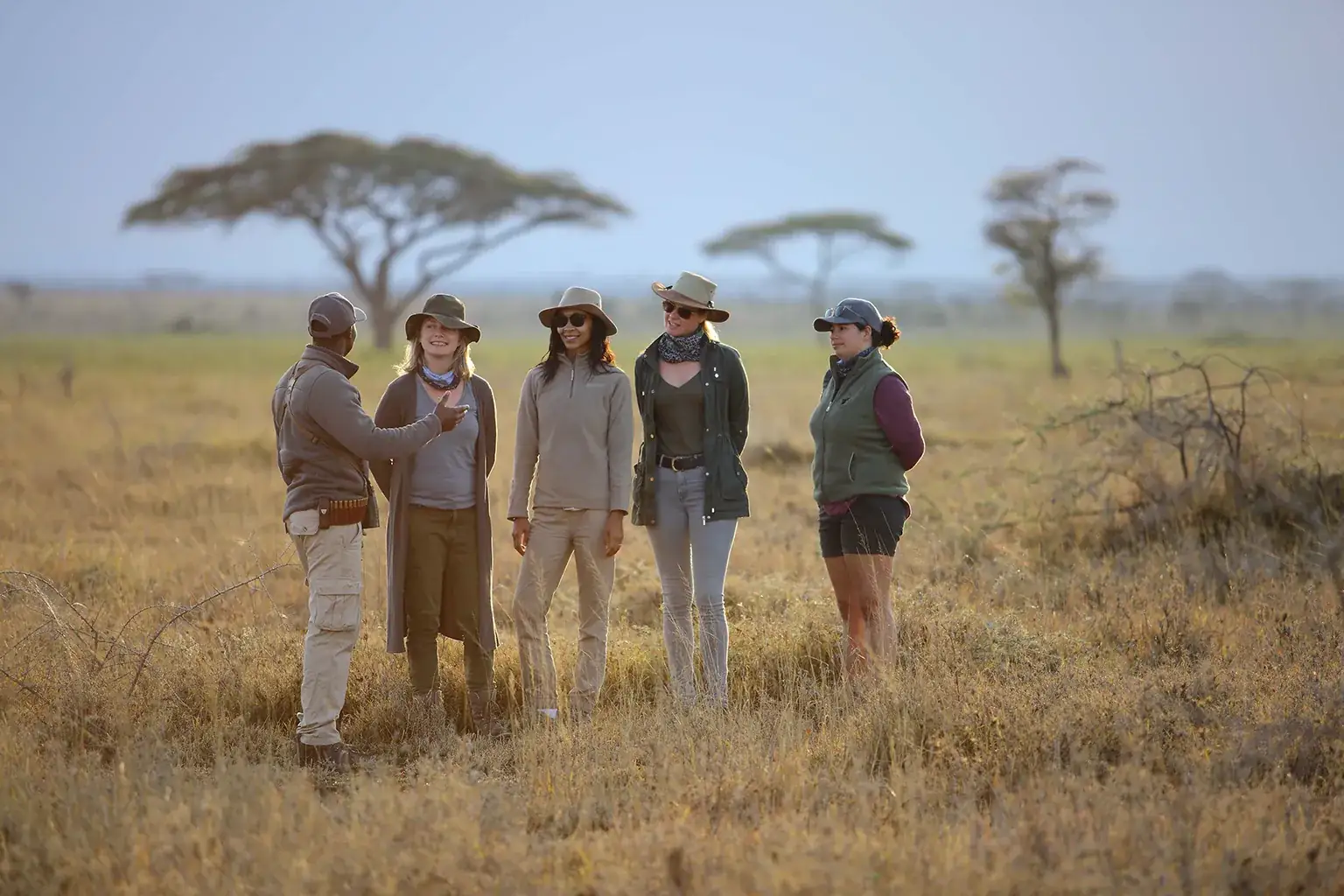
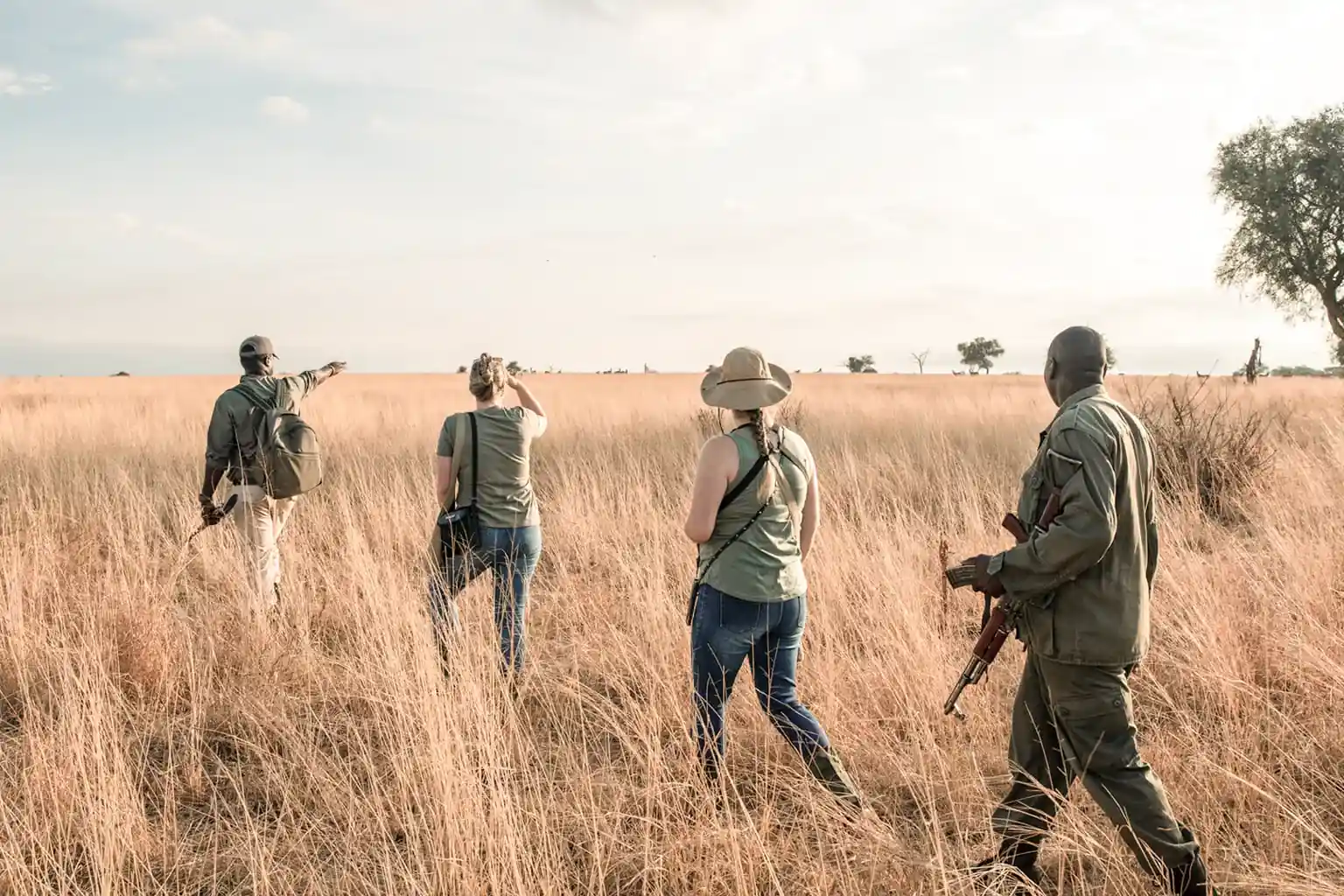
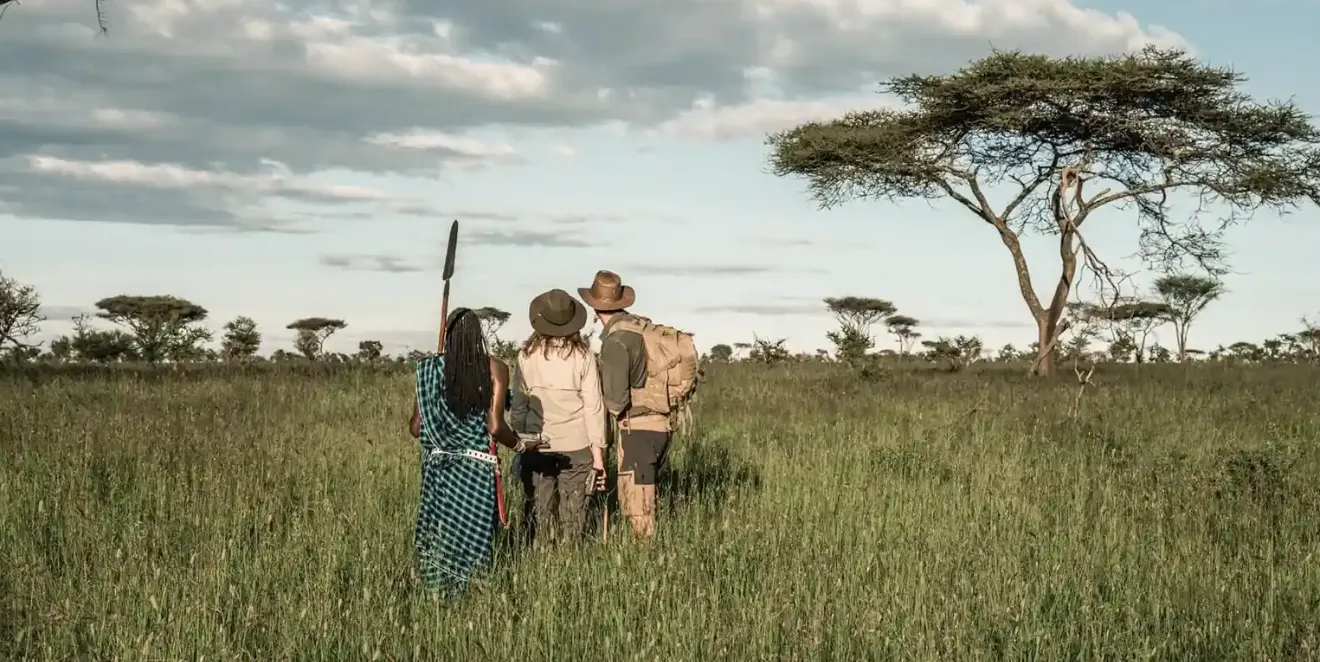
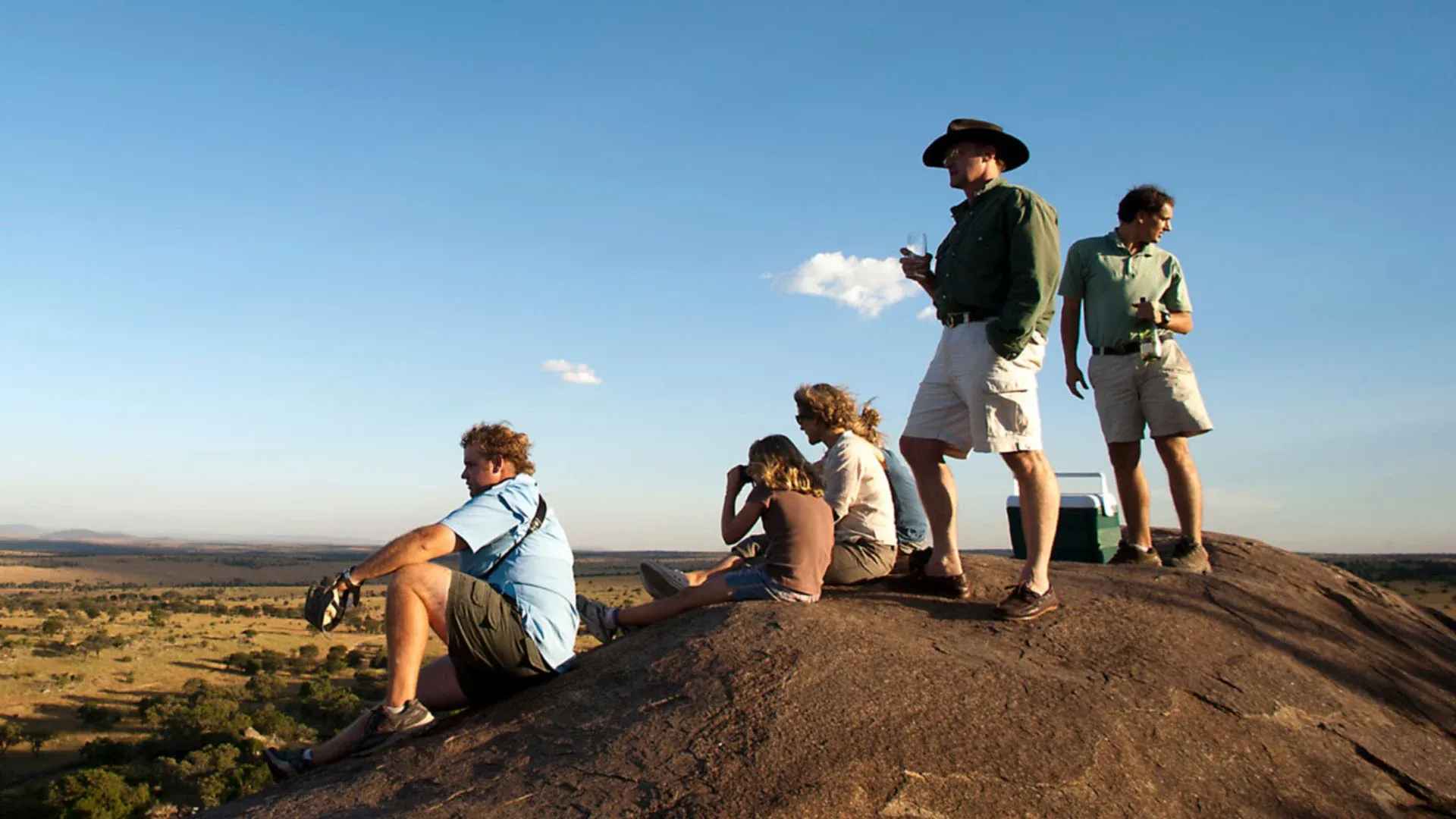
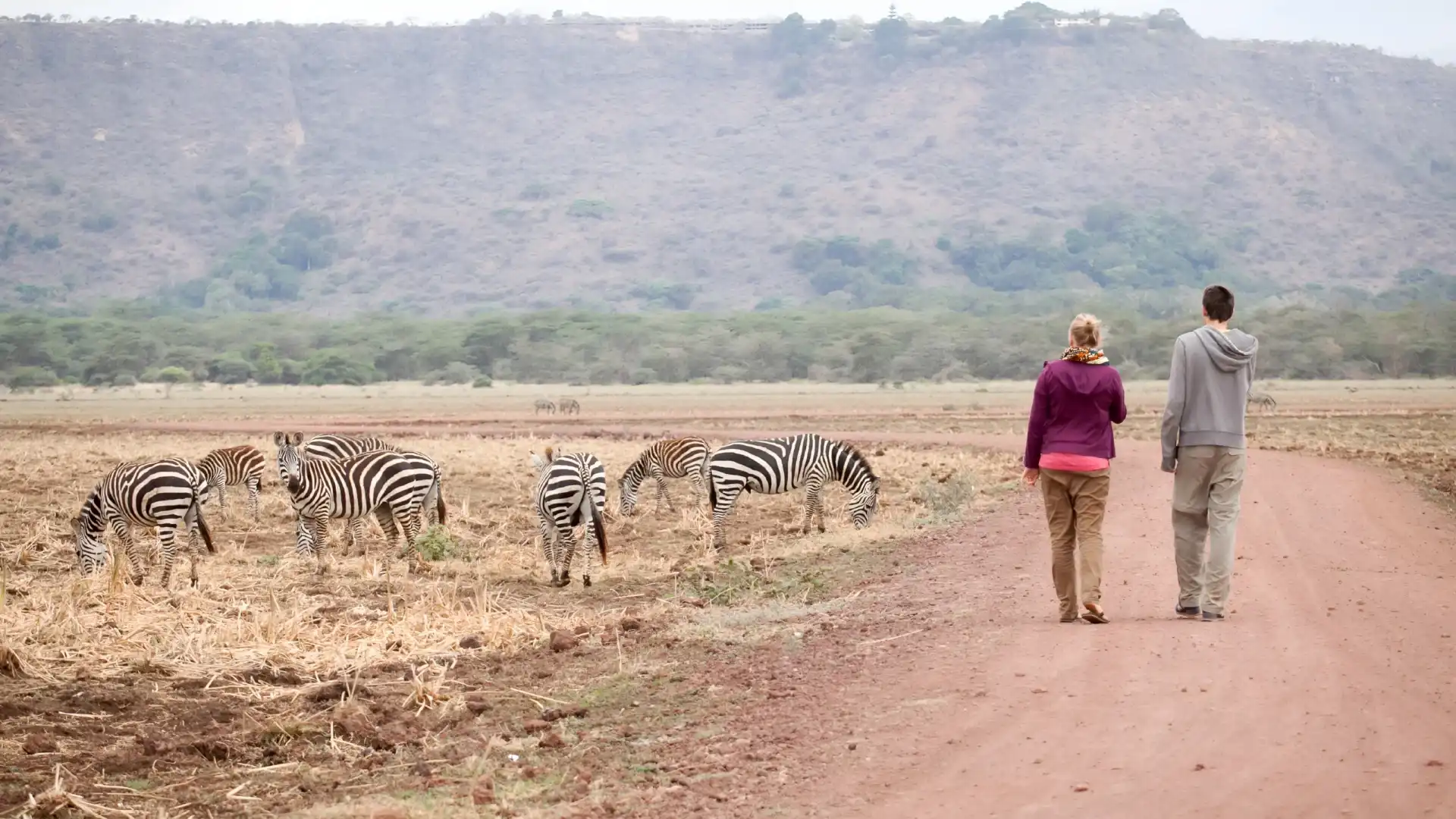
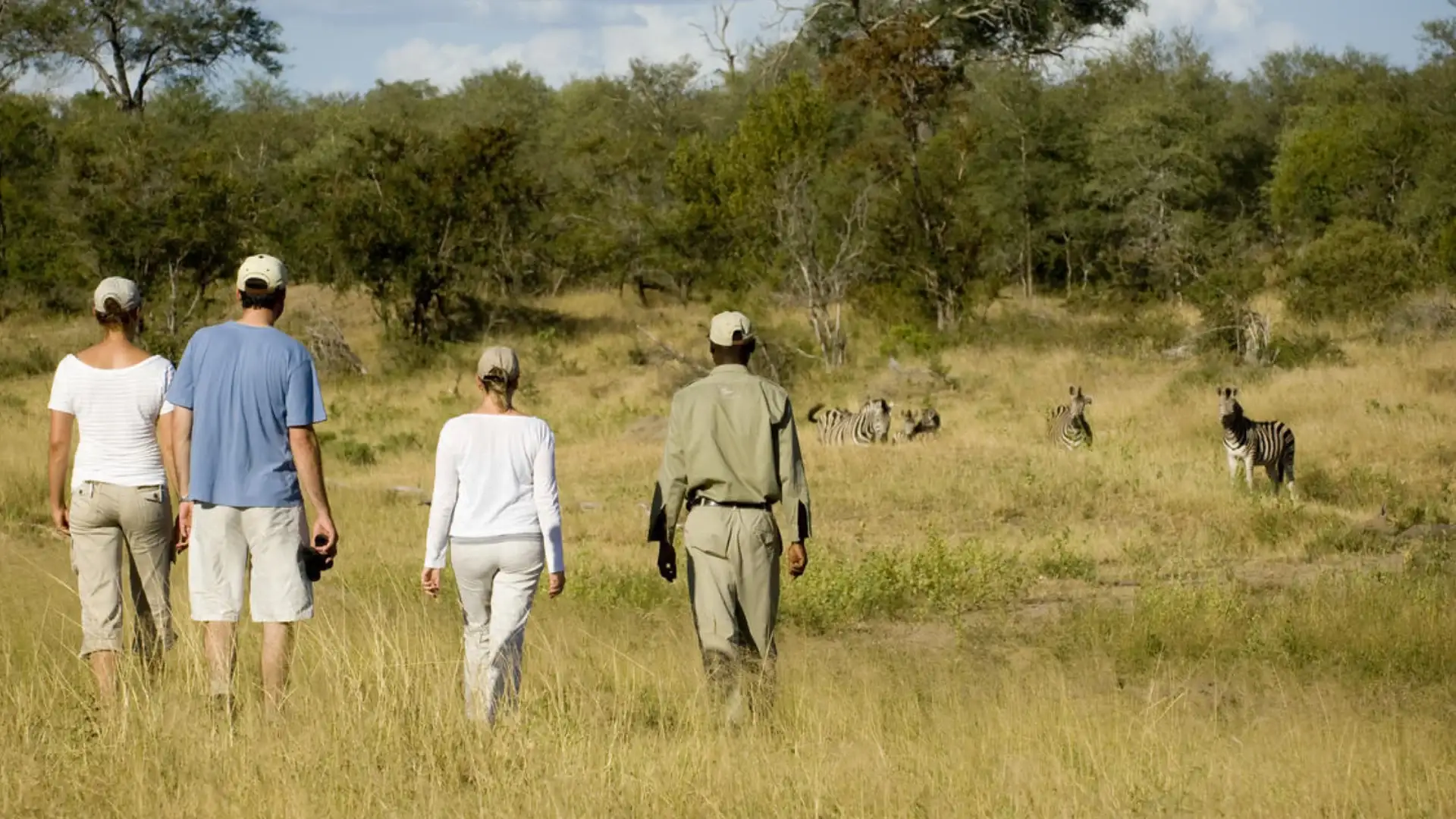
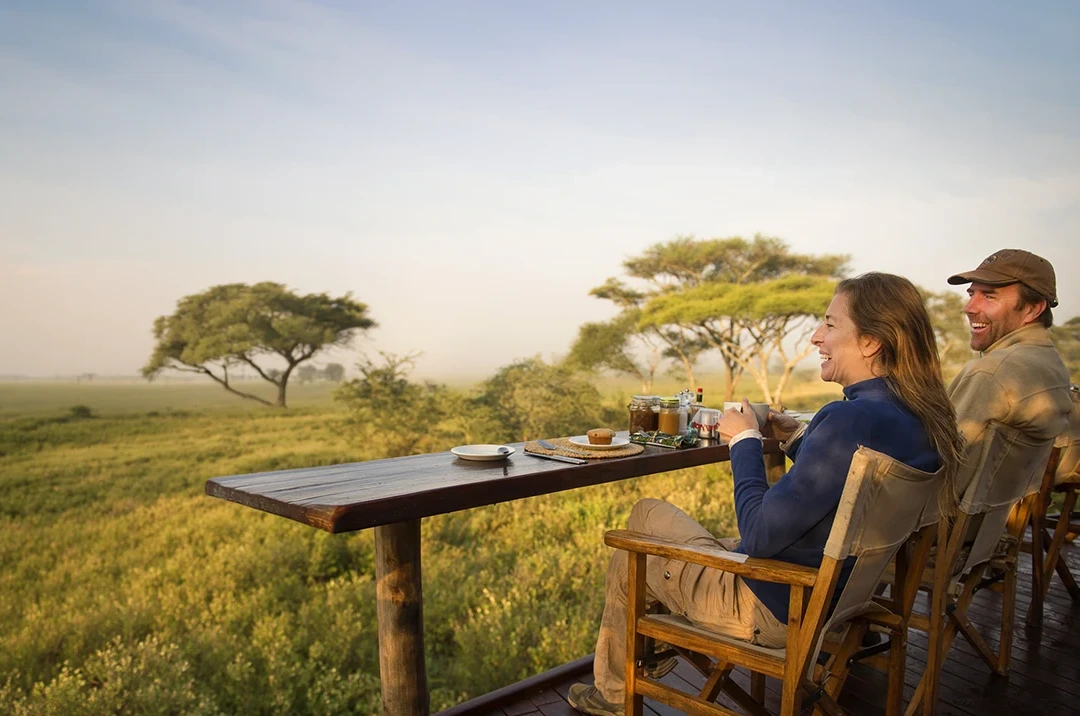
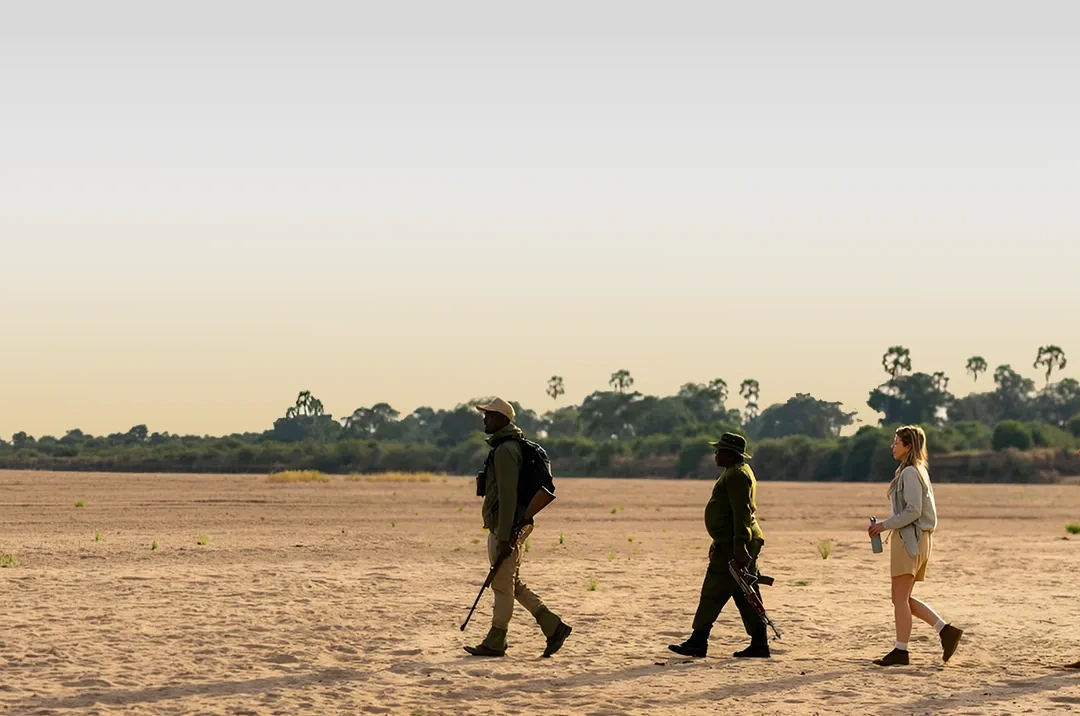
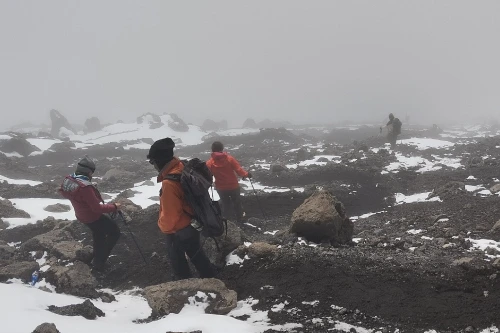
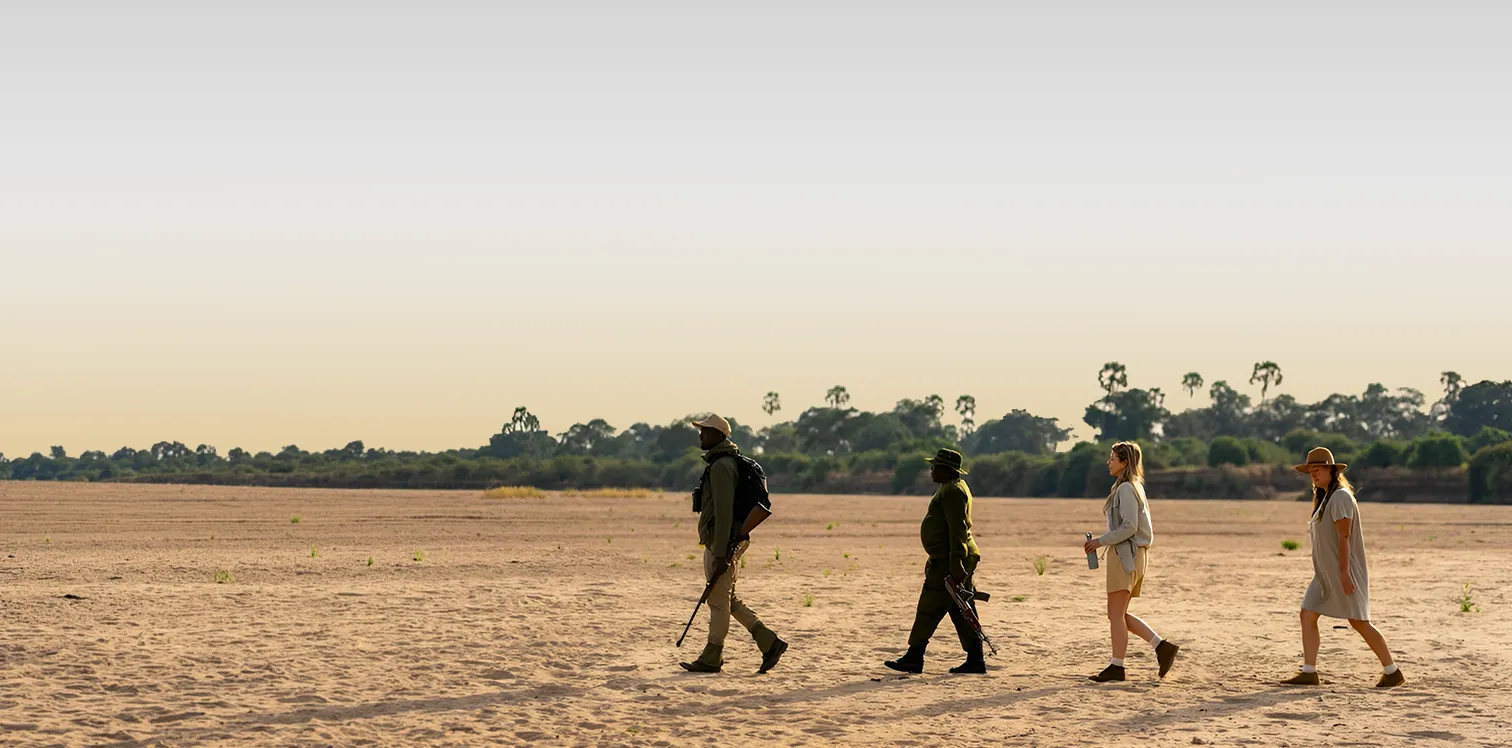
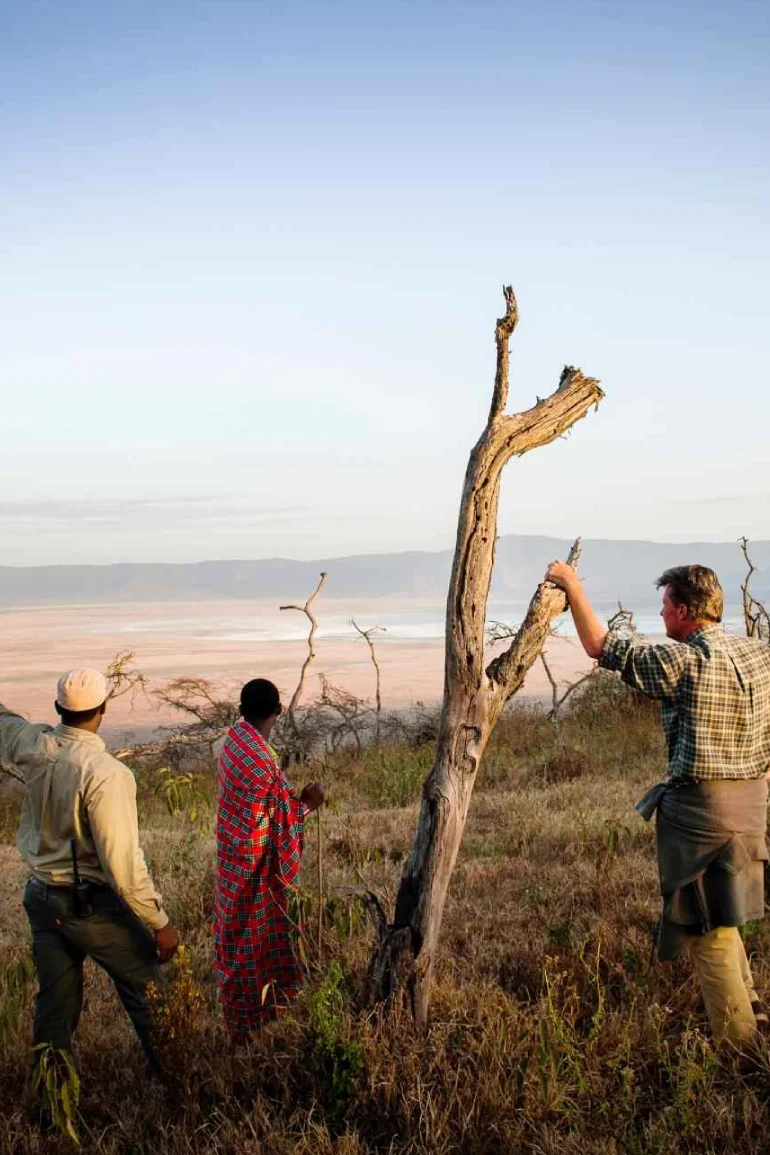
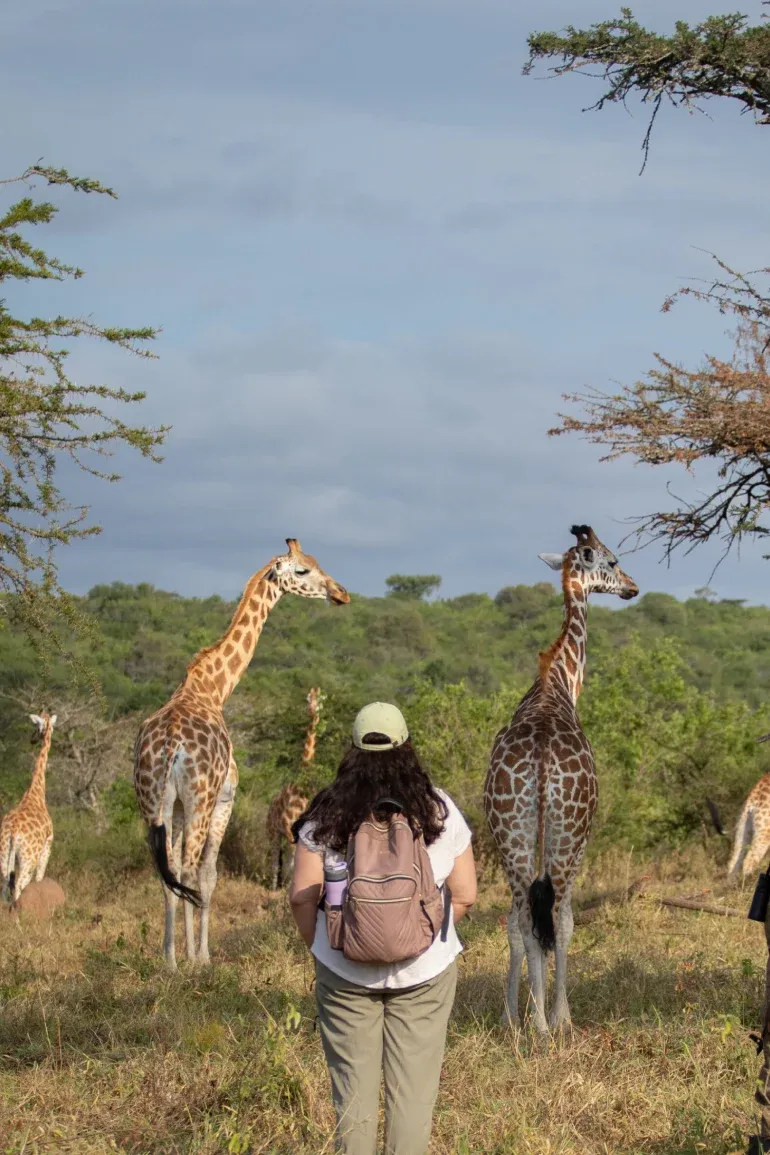
Guided walking safaris in Tanzania are shown here through two moments: travelers receive a bush briefing from an expert guide, then continue on foot through tall grass beside rangers.
Where do Tanzania walking safaris happen?
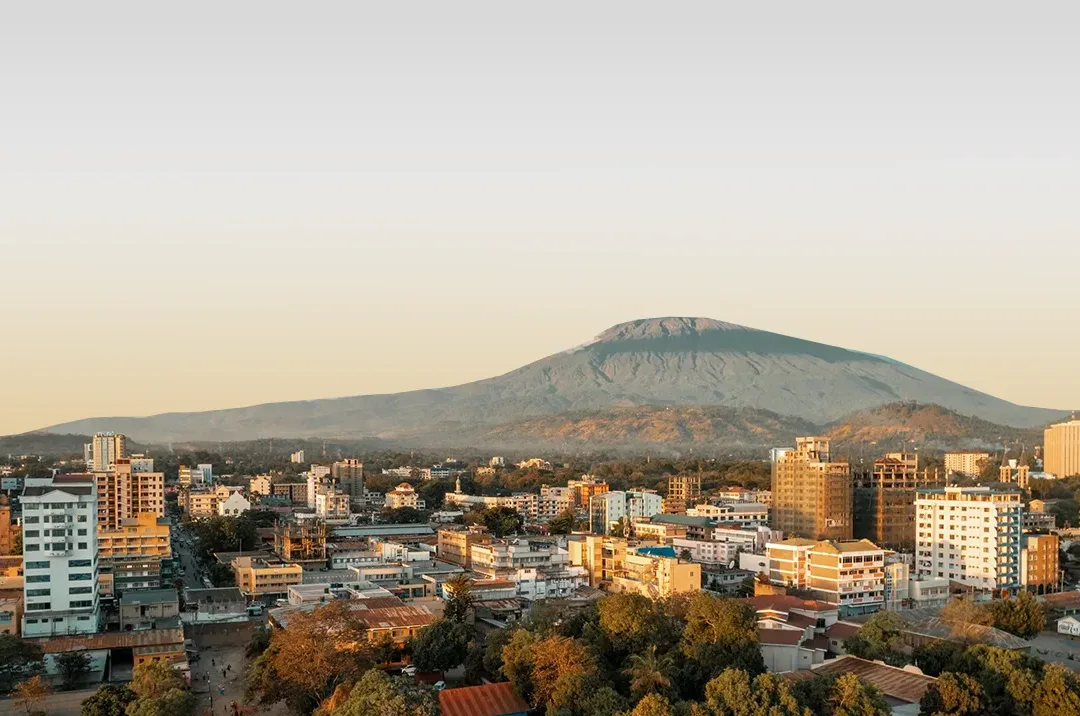
The best places for Tanzania Walking Safaris are the Serengeti wilderness zones, the Ngorongoro Highlands, the crater rim areas, and remote walking routes linked to fly-camping.
It’s important to note that you can’t just walk wherever you please in Tanzania’s parks; rules are strict. Therefore, picking the right Tanzania Destinations for walking matters a lot. The best spots usually offer varied scenery, allowing guides to safely position you. You often find walks happening near rivers, where you can see animals drink and look at the unique plants there. Walking through light woodland lets you appreciate the trees and the life living just above your head.
Flat, open areas offer exciting, wide views, but guides stay very alert. The quietest, most controlled spots are usually best for trekking. These often include private lands bordering the main Tanzania National Parks. These private spots usually allow longer, more satisfying walks due to fewer rules. Knowing where walks are actually allowed is why picking the right tour group is vital; they handle all the complex permissions.
Some of the best Places for Tanzania Walking Safaris
Serengeti National Park
The Serengeti is famous for game drives, but some of its most rewarding walking safaris happen far from the main tourist tracks. In the permitted wilderness zones, you walk through open country with expert guides, paying attention to tracks, birds, plants, and the small signs that usually disappear beneath the noise of a vehicle.
Northern and Southern Serengeti Fly-Camping Areas
These remote parts of the Serengeti are ideal for travelers who want something more immersive than a short bush walk. Walking here is often paired with fly camping, which means you spend the day on foot and return to a simple but comfortable camp set up in a quiet, wild setting.
Ngorongoro Crater Rim
The Ngorongoro Crater floor gets most of the attention, but the rim offers a very different experience. Guided walks here bring cooler air, wide crater views, and a slower connection to the landscape. It feels more reflective, less crowded, and far more open than the busy vehicle routes below.
Ngorongoro Highlands
The highlands are one of the best walking areas in northern Tanzania. The scenery shifts between grassland, forest edges, and old Maasai trails, with long views that seem to stretch forever. These walks feel scenic and grounded at the same time, with nature and culture often meeting in the same path.
Maasai Country around Entamanu Ngorongoro
This area is especially strong for walking because it combines dramatic scenery with local knowledge. Walks often follow traditional cattle routes and may include viewpoints, highland paths, and cultural encounters. It gives the safari a more lived-in feel, where the land is not only wild but also deeply known.
Ngorongoro Highlands to Eastern Serengeti
This route suits travelers who want a longer, more adventurous walking safari. Multi-day journeys pass through changing landscapes, from highland trails to open plains, often with fly camps along the way. It feels more like a true journey on foot than a simple Tanzania safari activity.
Salei Plains
The Salei Plains are quiet, open, and far less visited than many classic safari areas. That’s part of their charm. Walking here is about space, silence, and the feeling of being somewhere raw and undisturbed. It’s a strong choice for travelers who value solitude and wide, untouched scenery.
Olkerien Gorge and Nearby Highland Routes
These walking areas are known for dramatic ground and a strong sense of movement through the landscape. The terrain changes as you walk, and so do the views. It’s the kind of place where a walking safari feels less like an excursion and more like a real passage through wilderness.
Olduvai and Gol Mountains Corridor
This corridor offers one of the most scenic transitions between the highlands and the plains. Walks here can pass through acacia woodland, open slopes, and big-view country that feels almost endless. It’s a beautiful area for travelers who want a walking safari with variety, depth, and atmosphere.
Choose your safari style: short bush walks vs multi-day walking
Tanzania walking safaris can be done as short guided walks or as multi-day journeys on foot. The best part about adding walks is their flexibility. You can pick an adventure that fits your energy and time perfectly.
Short guided walks
These Tanzania bush walk safari additions are wonderful for nearly everyone. You usually stay based at one main camp. You go out early, walk for just a couple of hours, and return before the midday heat sets in. They are paced easily, perfect if you want a simple try at walking without much effort. They also let you study the area right around your camp deeply.
These short guided walks in Tanzania are made to be fun and simple.
Multi-day walking safari
For those wanting total immersion, the multi-day walking safari Tanzania is a bigger, more rewarding challenge. Here, your support crew moves with you through the wilderness. You carry a bit more with you and spend more total time walking over longer ground.
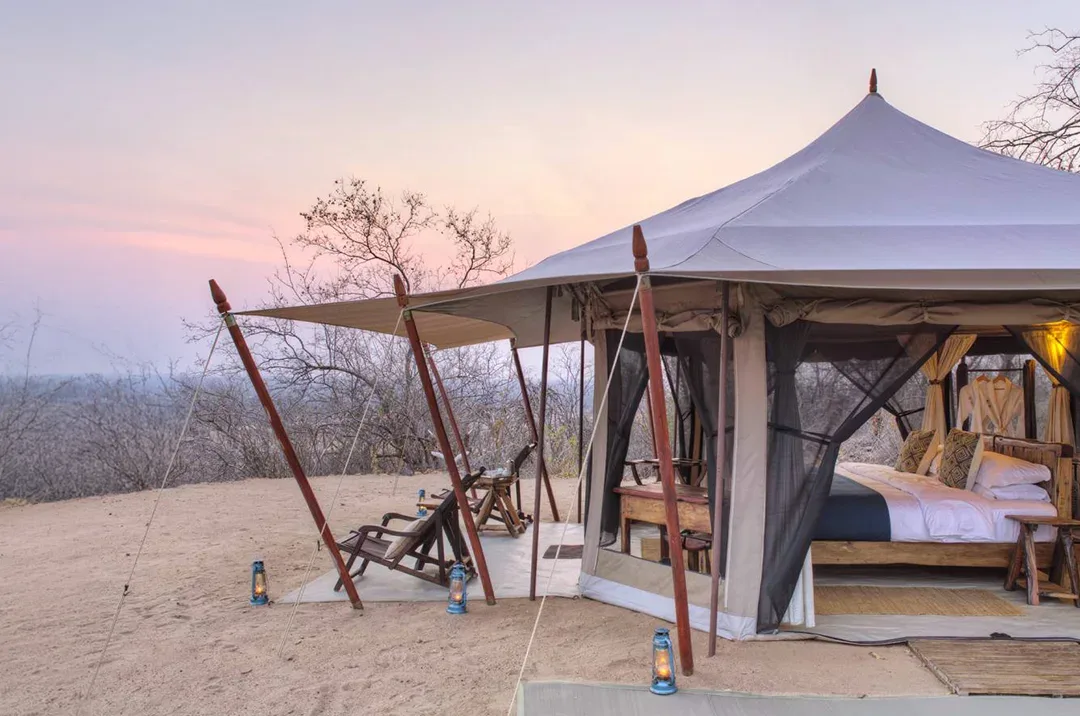
This style takes you deep into remote areas. Even though it’s more rugged, you still get comfort; the dedicated staff sets up full camps with good tents for you. They handle all the cooking and moving. These treks are often the choice for those seeking a luxury walking safari Tanzania feel combined with real exploration.
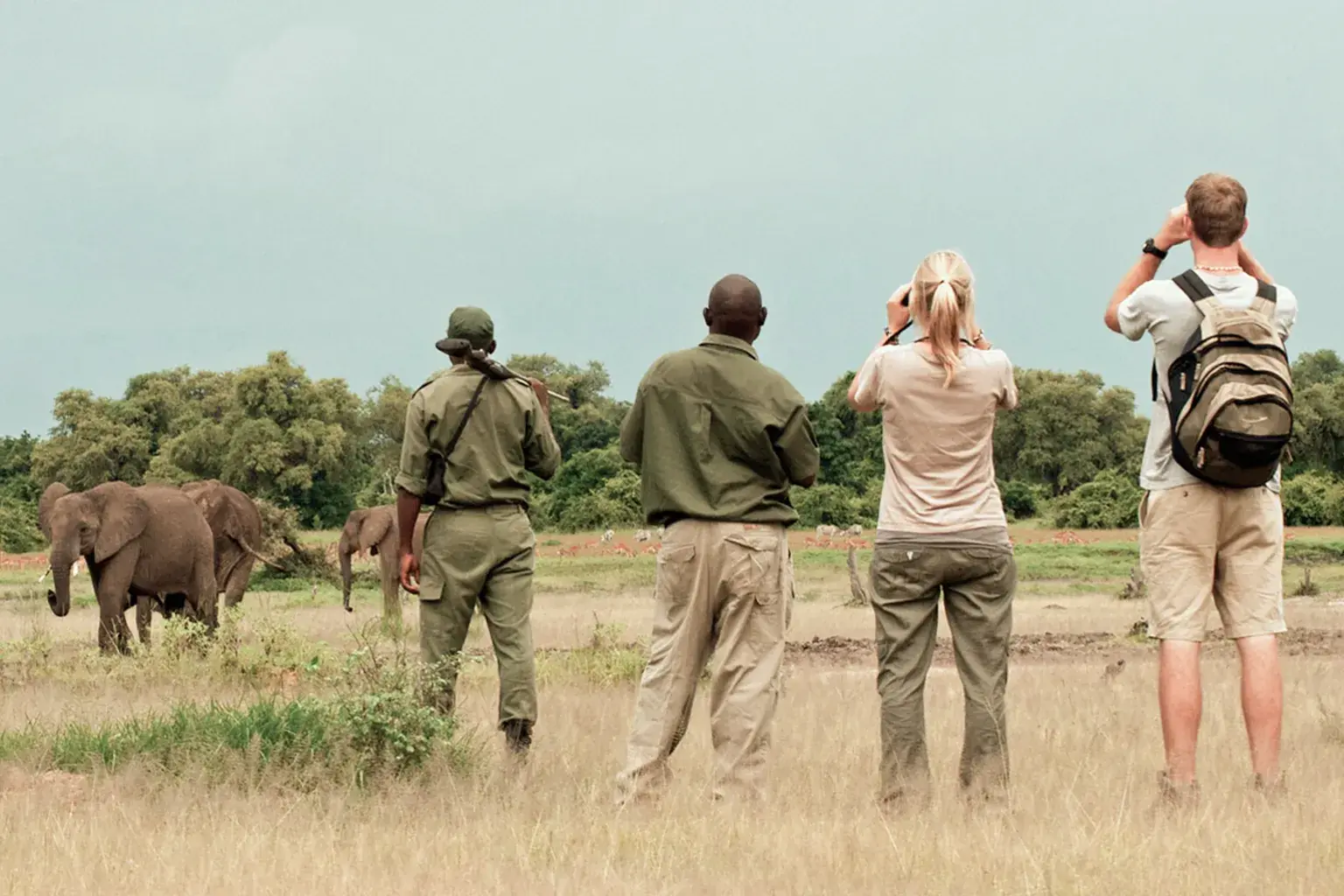
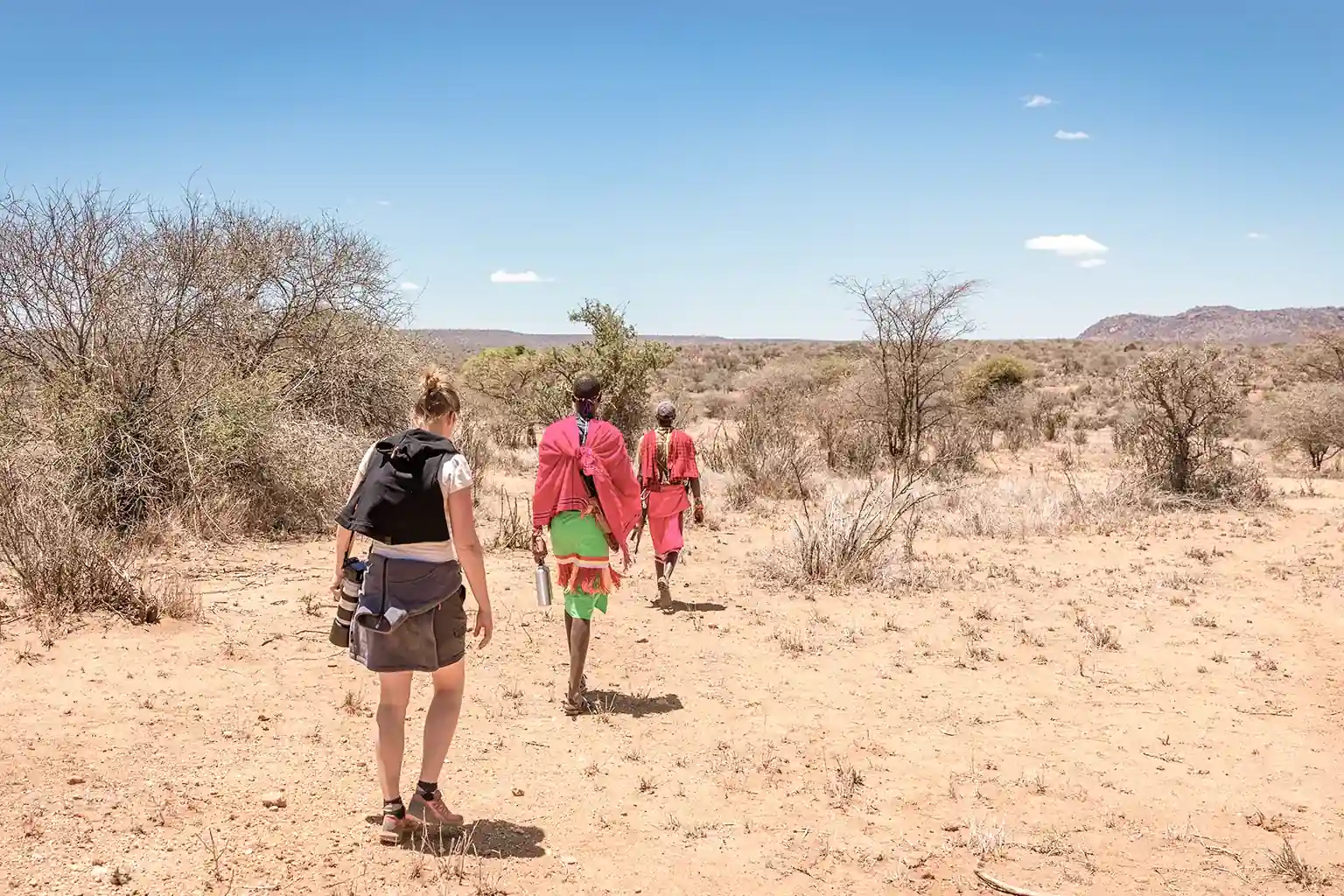
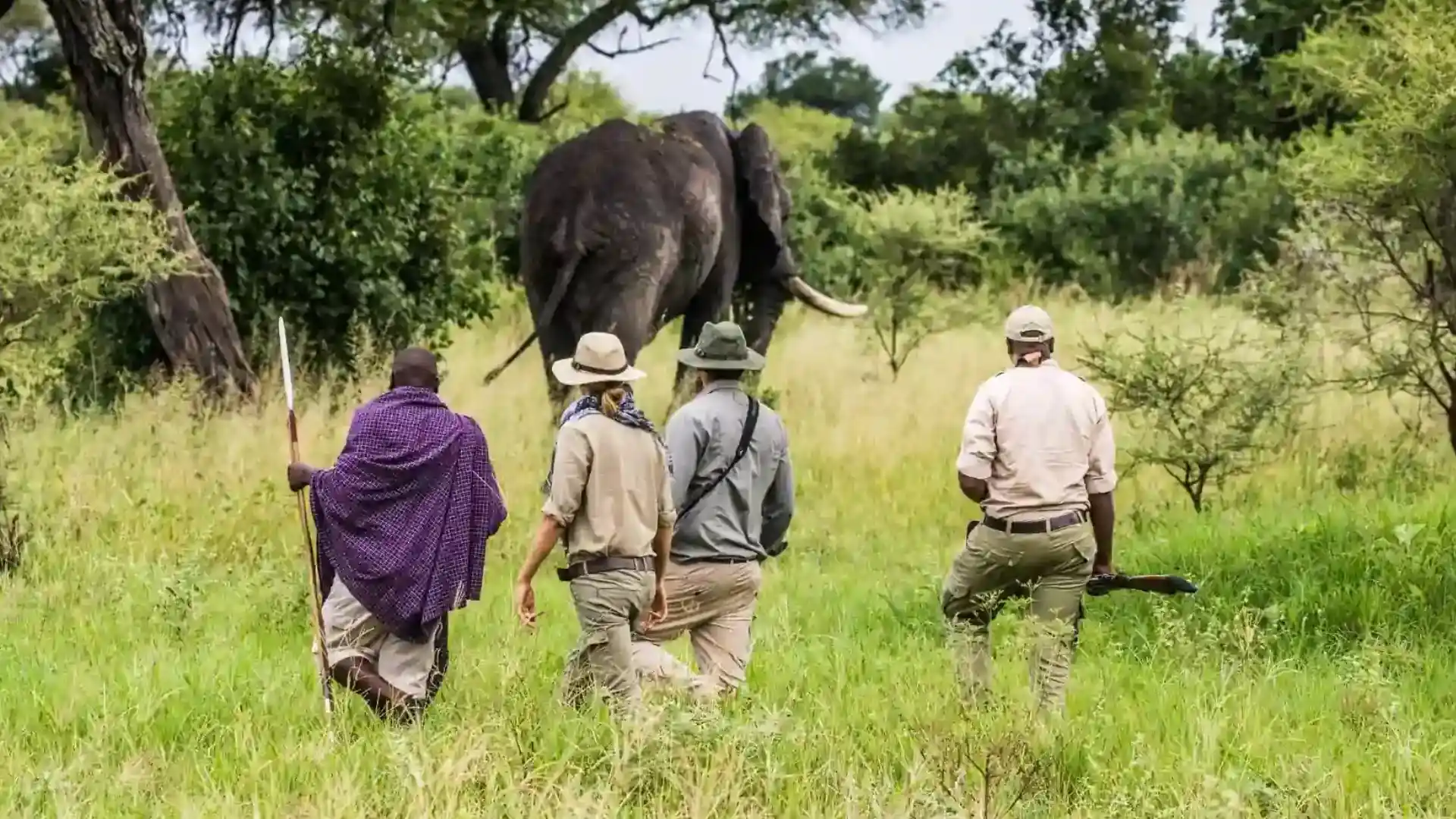
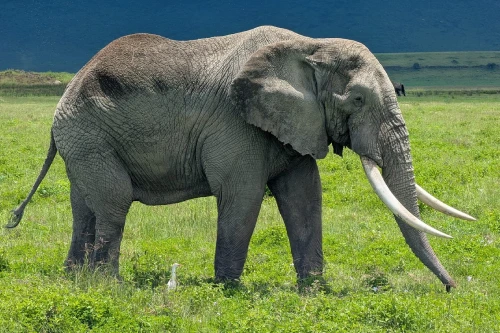
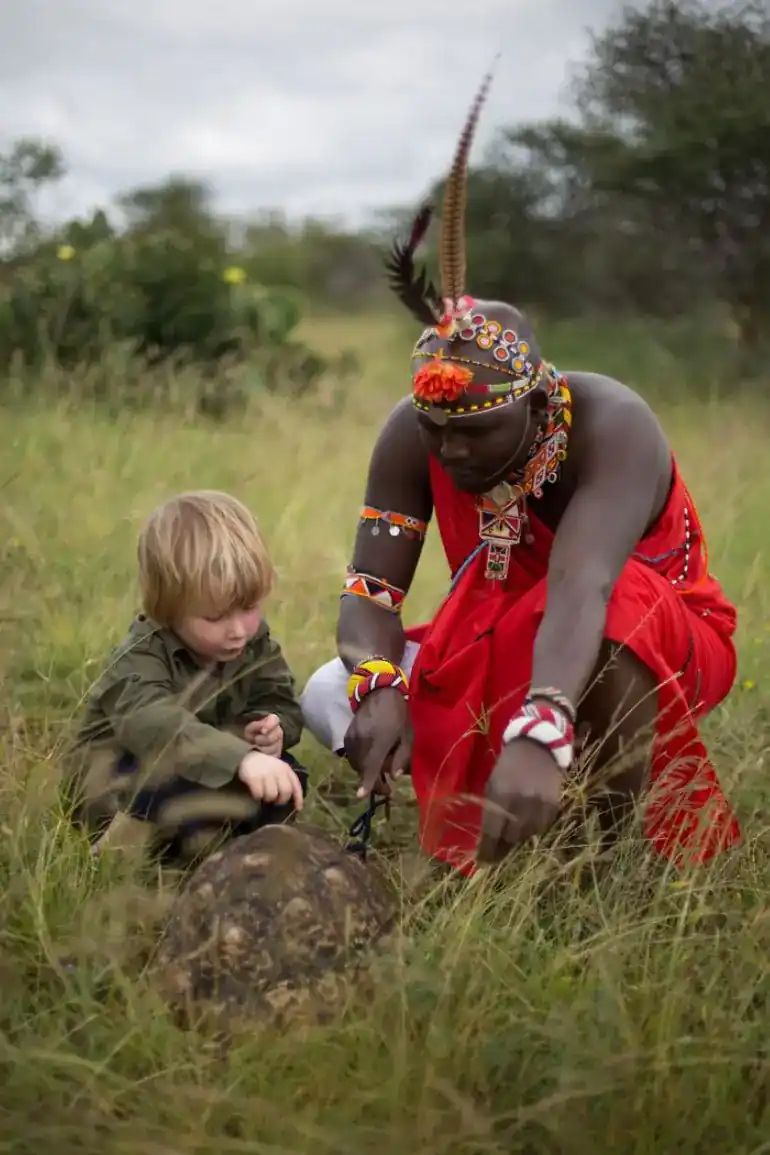
Walking experiences in Tanzania unfold in two ways: one brings travelers close to elephants with expert guidance, while the other follows a cultural trail through the dry country alongside Maasai hosts.
Tanzania Walking Safari Experience.
A day exploring on foot follows nature’s schedule, not a strict clock. You’ll likely start when the air is still cool, right before the sun rises. This is when the bush is most active. Your guide leads slowly, often pausing. You might stop to check fresh animal tracks, or spend time examining a small insect colony.
As the sun gets high, you’ll find welcome shade for a rest. Guides make sure you take proper breaks. You might enjoy a quiet moment with tea while your guide points out specific bird calls. Depending on the day’s heat, there might be an option later for one more short walk before evening meals.
This sensory experience includes your food too. When planning, tell your team your meal needs early, as the Tanzania Food is excellent, and they need that info for your field lunches and camp dinners. For detailed planning help, check our helpful Tanzania Travel Guides.
Best time to do a Tanzania walking safari
The dry season is often chosen as the Best Time to visit Tanzania for walking safaris. During this time, paths are easier to walk on, not slick.
Also, animals gather near the few water points, making sightings clearer. The dry Tanzania Weather also means better views overall.
In contrast, the green season, when rain falls, offers stunning beauty. The land looks lush, and you’ll see far fewer vehicles. You get a softer light everywhere. However, expect some muddy patches; good boots become extra important then. If you’re deciding between wet and dry, our Tanzania Travel Guides can certainly help you plan your season perfectly.
Tanzania Walking Safari Costs
Tanzania Walking Safari Costs depend mainly on how private the trip is, how remote the walking area is, and what level of comfort you want in camp. For example, a walk just for you with a guide and a ranger costs more than joining a small shared group.
Being far out in the bush increases the cost of transport and of setting up mobile camps. Comfort level in camp is also a huge part. A luxury walking safari in Tanzania, with great sleeping setups and good staff, will be more costly than a basic, rugged trip. Finally, the longer you stay, the higher the total price climbs. Simply, the range depends on your comfort level and the season you pick.
As you finish your plans, remember these practical steps: check your Tanzania Visa, and be sure to buy good Tanzania Travel Insurance before confirming.
What to pack for Walking Safaris in Tanzania?
When getting your gear ready for an adventure on foot, keep things light and useful; this is the main point of any Tanzania Safari Packing List.
Layered Clothing
You must pack layers so you can adjust from cool mornings to warm days easily.
Sun Protection
A wide hat is a must for sun protection, along with plenty of sunscreen.
Power Backup
Since you won’t have a vehicle parked nearby to charge your phone, a power bank is key to keeping devices running.
Soft Luggage Choice
It’s also best to use a soft bag instead of a hard suitcase, making moving things much simpler on walks.
Practical Safari Wear
Lastly, choose neutral clothes, khaki or olive, and please wear comfortable shoes you’ve already broken in.
Refer to our most comprehensive Tanzania Safari Packing List for more information.
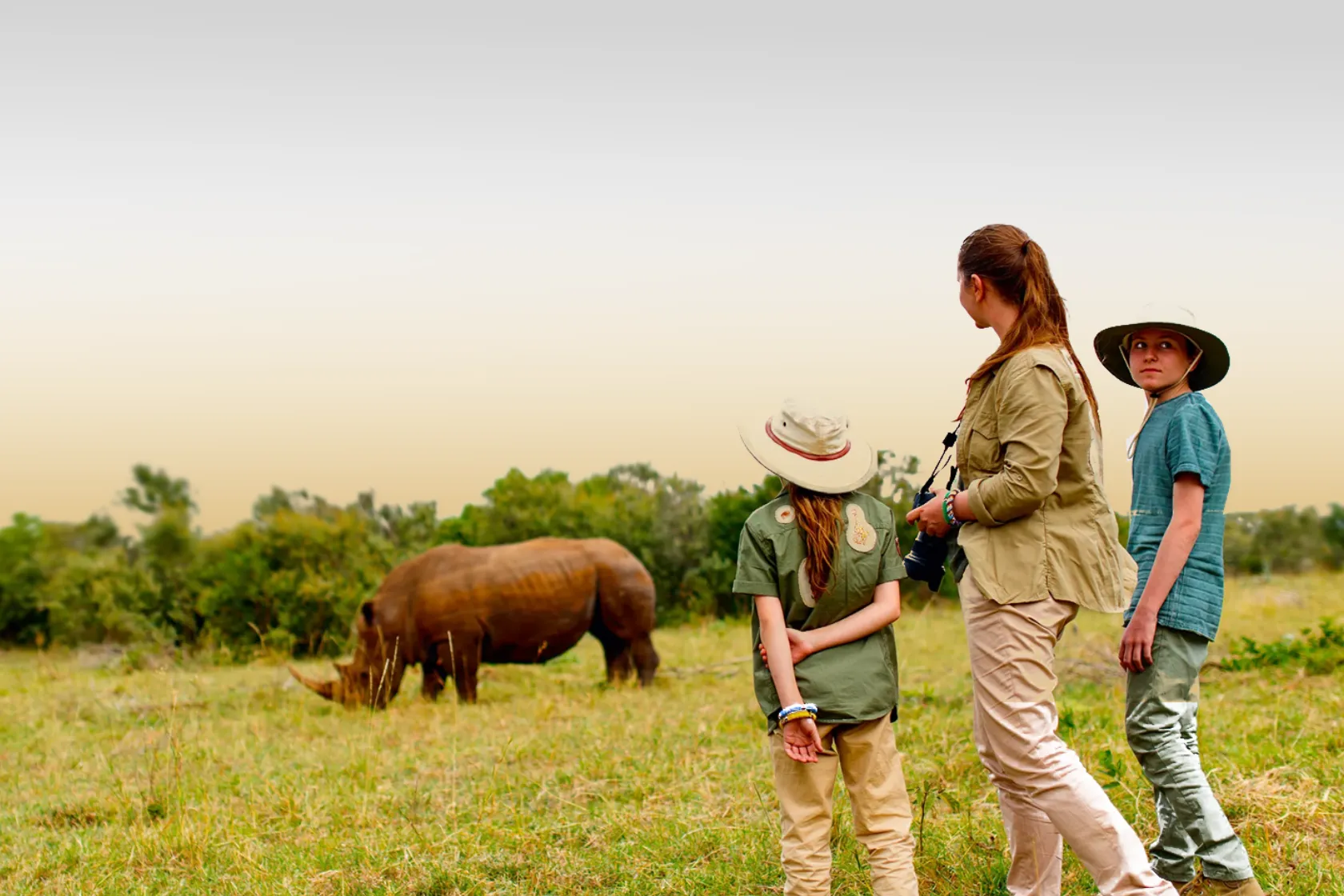
From inside a safari vehicle, a traveler watches a rhinoceros grazing just outside the window. Warm evening light, open grassland, and the close encounter create a quiet, thrilling wildlife moment.
What Should You Know Before a Tanzania Walking Safari?
A good walking safari gets easier when the practical side is sorted early. Travelling to another country for safaris is better when you pack light, wear layers, and keep your daily essentials close.
A simple prep list:
Visa Preparation
Check your Tanzania Visa rules early
Travel Insurance
Choose Tanzania Travel Insurance that includes remote medical help
Weather Planning
Look at Weather for your exact month, not just the broad season
Packing Essentials
Build a simple safari packing list with layers, hat, sunscreen, binoculars
Safety Awareness
Read up on Tanzania Travel Safety and listen to your guide in the vehicle
Health Preparation
Sort Health at Tanzania basics and bring personal medication
Food Considerations
Ask in advance about Tanzanian food if you have allergies or dietary limits
Tipping Guidance
Learn the basics of Tipping in Tanzania before you arrive
A soft bag is usually better than a hard suitcase on safari. And one more thing people forget: keep expectations realistic. Good guiding lifts your chances a lot, but the wild still stays wild. That is part of the point.
Many travellers also find it useful to read Tanzania Travel Guides before booking, especially on packing, drive times, weather, entry needs, and park differences. It saves confusion later.
Why book with Bestday Safaris?
Picking the right partner ensures your adventure aligns with your goals and respects the wild environment. We at Best Day Safaris are proud of the trust we’ve earned, shown by our 700+ TripAdvisor reviews.
Our power comes from knowing the local guide expertise and working with rangers who live in these areas. We plan routes carefully so you can access the best walking areas without risking your fun or safety on your Tanzania Safari. We strongly believe in making the trip fit you, the traveler, perfectly.
We encourage you to share your initial thoughts with us. Tell us your travel dates, what fitness level feels good daily, and which parks you dream about seeing. This detail lets us craft the ideal safari itinerary just for you. So, are you ready to step into the bush? We’re here to plan every little piece.
Contact us today to share your dates, fitness comfort level, and preferred parks so we can design your perfect, tailored walking adventure.
Traveling in Tanzania is one of the best decisions you can make because it offers a wide range of experiences. You see wildlife, move through very different landscapes, come closer to local culture, and experience things that do not all feel the same. And that is really what stays with people for years to come.

Founder & Director, Bestday Safaris