Health At Tanzania
Travelers coming to Tanzania are advised to make an appointment with their health care professional at least 4 to 6 weeks before travel. The consultation with your doctor gives an opportunity to assess health risks associated with a number of factors, such as the destinations you’re going to visit, your medical history, and the activities you are planning to participate in. For those with pre-existing health problems, an earlier appointment is recommended.
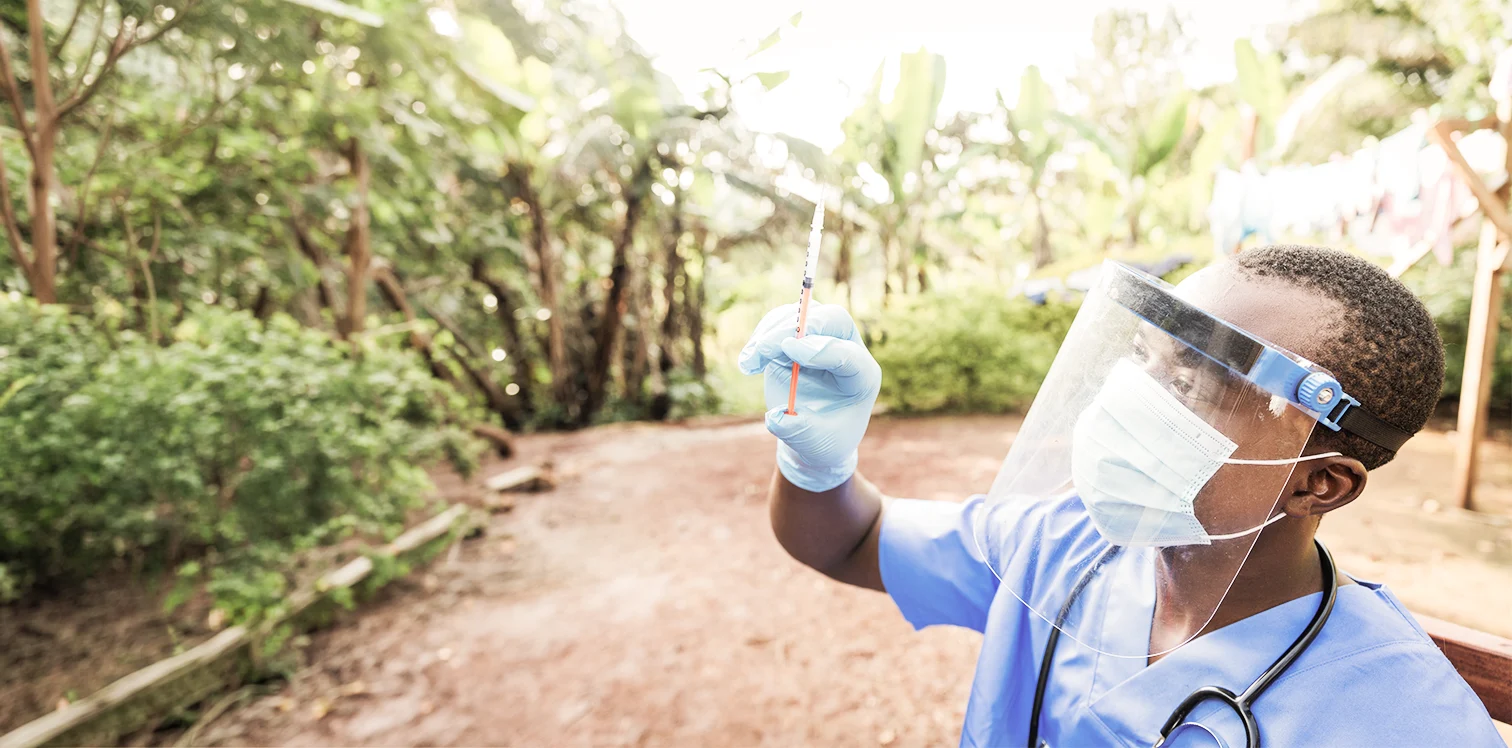
A medical worker holds a vaccine syringe in protective gear, reflecting the importance of travel health preparation, vaccinations, and preventive care often considered before visiting Tanzania’s rural and tropical regions.
What Health Precautions Should You Take in Tanzania?
Travelers often prioritize excitement over health preparation when planning a trip to Tanzania. But taking care of your Health at Tanzania is just as important as your passport. This is especially significant if you’re going to explore rural areas or the Big Five in the wilds.
Tanzania is famous for its safaris and has a wide range of ecosystems, but the country also faces specific travel health requirements and environmental challenges. Hence, being medically ready for your Tanzania Safari Trip will make it go more smoothly and give you more memories.
This guide covers everything from Tanzania travel insurance, food safety, packing lists, and emergency medical care. It also talks about vaccines and entry requirements. With all this handy information, we’re sure you’ll feel safe while traveling to different Safari Destinations In Tanzania.
- 1.Health rules for entering Tanzania
- 2.Recommended Vaccines
- 3.Simple health checklist
- 4.Avoiding mosquito bites
- 5.Other health risks
- 6.Heat, altitude, and dust
- 7.Tanzania Travel Insurance – Don’t Travel Without It
- 8.Emergency Contacts and Medical Facilities in Tanzania
- 9.Final Health Advice for Tanzania Safari Tours!
- 10.Frequently Asked Questions
Health rules for entering Tanzania
Before you travel to Tanzania, check the health rules first. Do not assume they are the same for everyone. They can change depending on where you are coming from, or where you passed through before arriving.
- If you are coming from a yellow fever risk country, or you stayed in one for 12 hours or more during transit, you need a yellow fever vaccine. This includes places like Kenya, Ethiopia, Uganda, Rwanda, South Sudan, DR Congo, and some parts of South America.
- You may need to show your Yellow Fever Vaccination Certificate at immigration.
- Right now, there are no COVID-19 travel restrictions. Still, check for updates before you fly.
For current information, check the Tanzania Ministry of
Health website.
For visa and entry details, check the Tanzania
Immigration Services portal.

A doctor speaks with a patient during a clinic visit, reflecting the need to understand health requirements, medical advice, routine precautions, and travel readiness before visiting Tanzania.
Recommended Vaccines
Try to visit a travel health clinic 6 to 8 weeks before your trip. That gives you enough time. If required, get vaccinated against common illnesses.
Apart from yellow fever, these are the vaccines people usually look at before traveling to Tanzania:
Tetanus and diphtheria
If your last booster was more than 10 years ago, check if you need another one.
Hepatitis A
This spreads through contaminated food and water. Getting vaccinated against Hepatitis A can help you try all the popular foods available across the country, without any worry. Just remember that it’s always better to be safe than sorry.
Typhoid
Useful if you plan to eat street food, spend time in villages, or travel to remote places.
Hepatitis B
This spreads through blood and body fluids. It may matter more if you are staying longer, may need medical care, or may want to be inked.
Rabies
Rabies can come from dogs, monkeys, and bats. Think about it if you will be hiking, riding, or around animals often.
For the full vaccine and medicine list, check the official CDC website
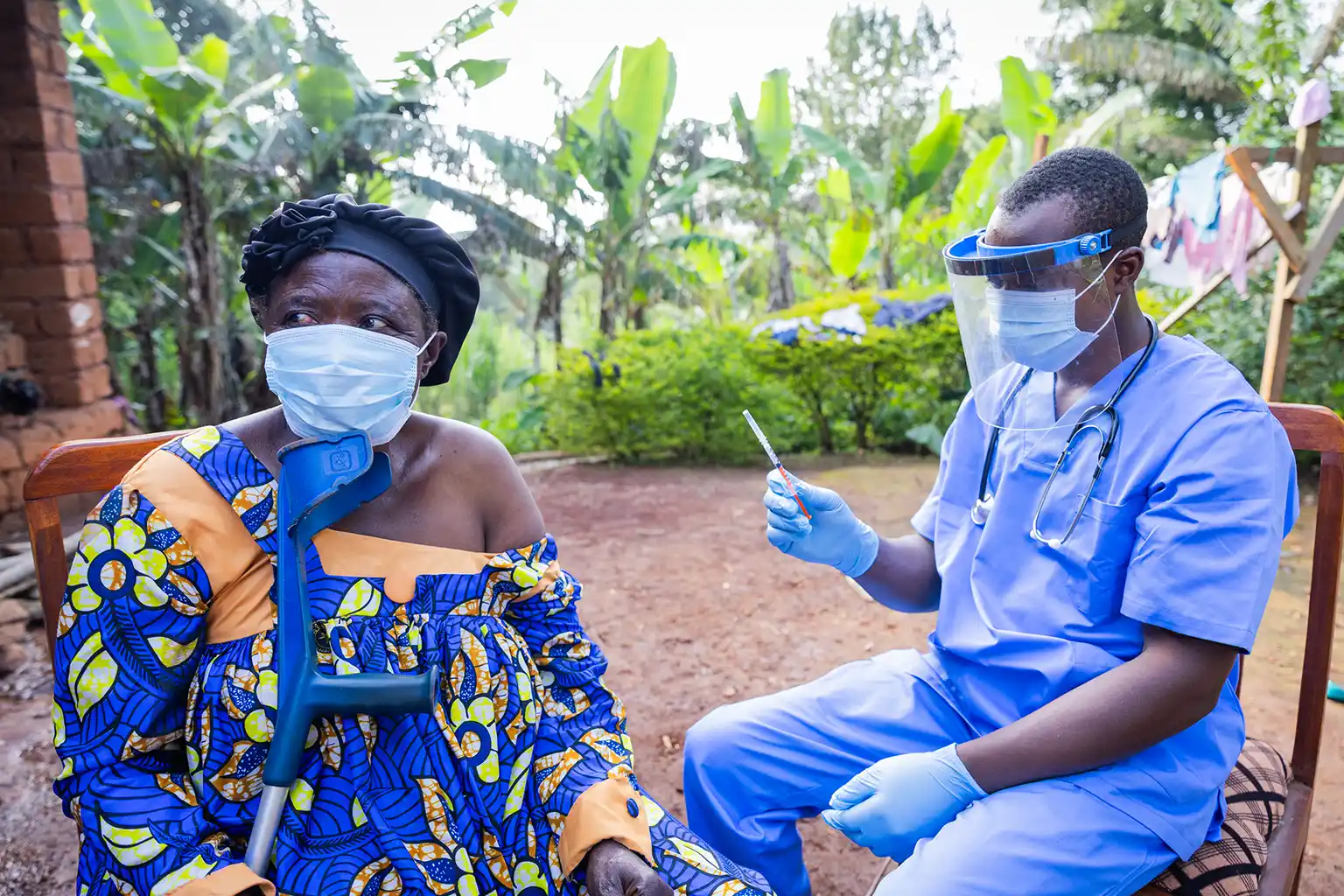
A health worker prepares a vaccination in an outdoor setting, highlighting the role of immunization, preventive care, and basic medical access in travel health planning for Tanzania.
Simple health checklist
Health care is usually better in Arusha, Dar es Salaam, and Moshi. In smaller places, it may be limited. So, carry your own health kit. Pack things like:
- mosquito repellent with 20 to 30% DEET or picaridin
- sunscreen, SPF 50+
- your prescription medicine
- a copy of your prescription
- oral rehydration salts
- a small first-aid kit
- hand sanitizer
- water purification tablets or a portable filter
You can also check a Healthy Travel Packing List before your Tanzania Safari Tour.
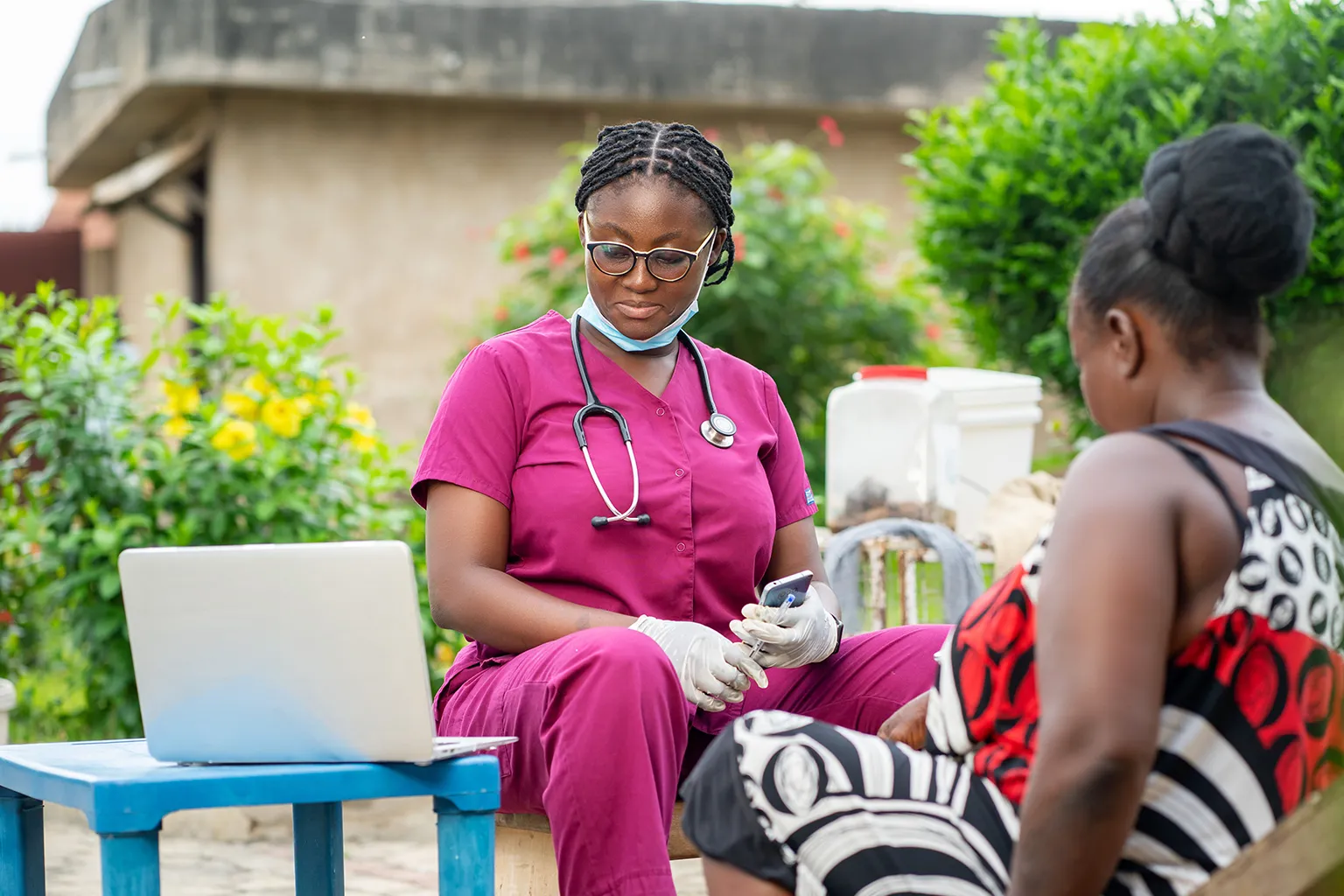
A healthcare worker consults with a patient beside a laptop, suggesting the value of pre-trip medical guidance, health checks, and practical preparation before traveling through Tanzania’s towns, villages, or remote areas.
Avoiding mosquito bites
Malaria is a real risk in most parts of Tanzania. Dengue is also becoming more common, especially near the coast. So mosquito protection matters. Do these things:
- Use mosquito repellent day and night. Choose a spray with at least 20% picaridin or 30% DEET composition.
- Wear long sleeves and trousers, especially early morning and evening
- Sleep under a treated mosquito net. Check the net for holes
- Stay in rooms with air conditioning or window screens if possible
- Avoid standing water near where you stay
- Take anti-malaria tablets if advised
If you get a fever, rash, or joint pain, get medical help fast. Do not take ibuprofen until dengue is ruled out. It can raise the bleeding risk. Use paracetamol for fever instead.
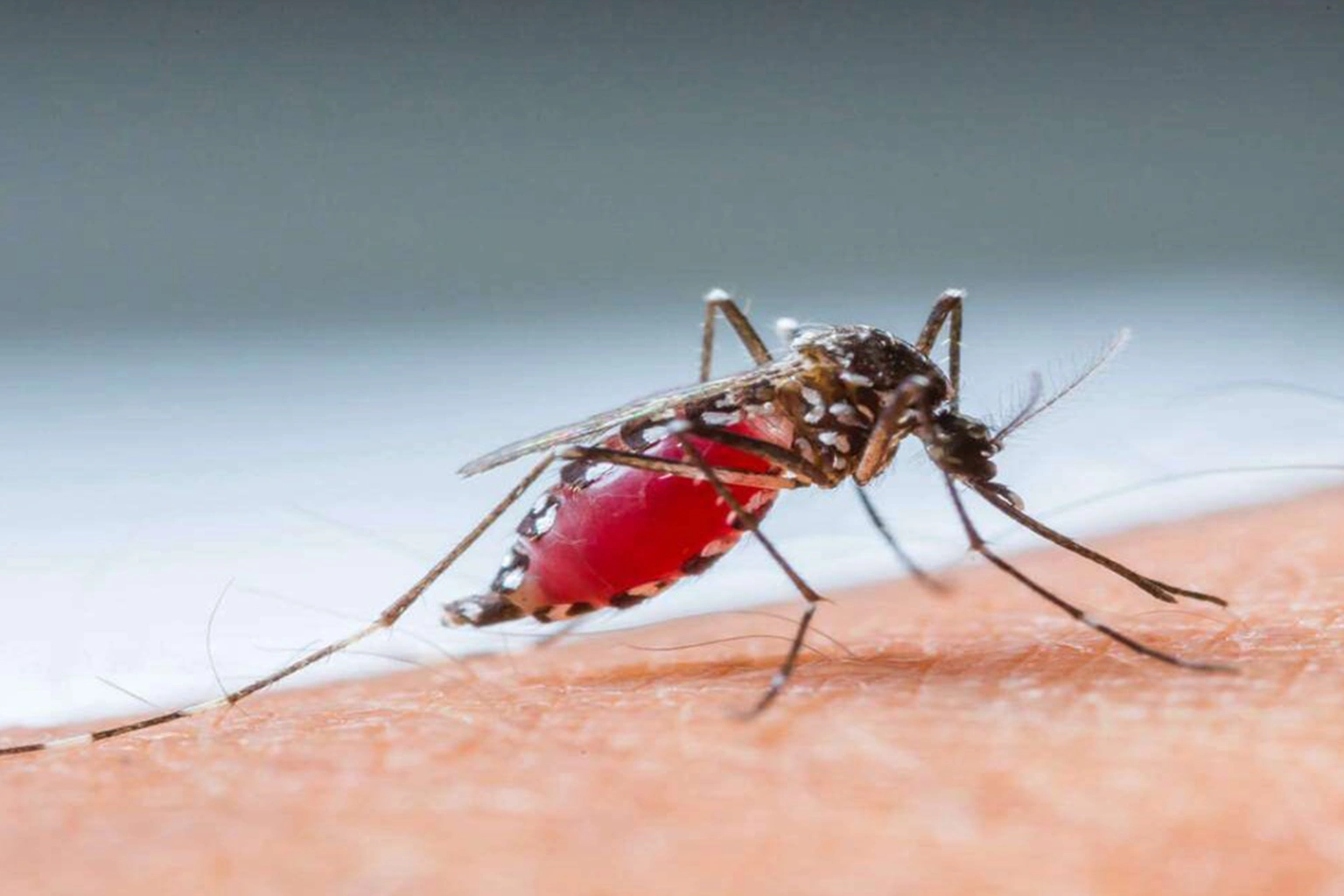
Close-up of a mosquito feeding on skin, emphasizing why malaria prevention matters in Tanzania and why travelers often plan ahead with repellents, protective clothing, and medical advice before their trip.
Other health risks
Mosquitoes are not the only issue. There are a few more things to keep in mind when traveling to Tanzania Destinations for safaris.
Rabies
Rabies is a risk in Tanzania, especially in rural areas and near Tanzania's national parks. It can come from monkeys, stray dogs, and bats. If you get bitten or scratched:
- Wash the area right away with soap and water
- Use an antiseptic if you have it
- Go to a doctor immediately
Even if you already had the rabies vaccine, you may still need more treatment. If you are going on long walks, doing charity work, or visiting remote villages, ask about the rabies vaccine before traveling.
Food and water
Food in Tanzania is good, but hygiene is not the same everywhere. Sometimes people get stomach problems from food or water. A few simple rules:
- Drink sealed bottled water or purified water
- Do not drink tap water
- Avoid raw meat and unwashed fruit
- Be careful with street food unless it is freshly cooked
- Avoid ice unless you know the water is safe
- Eat in busy places where food is often prepared
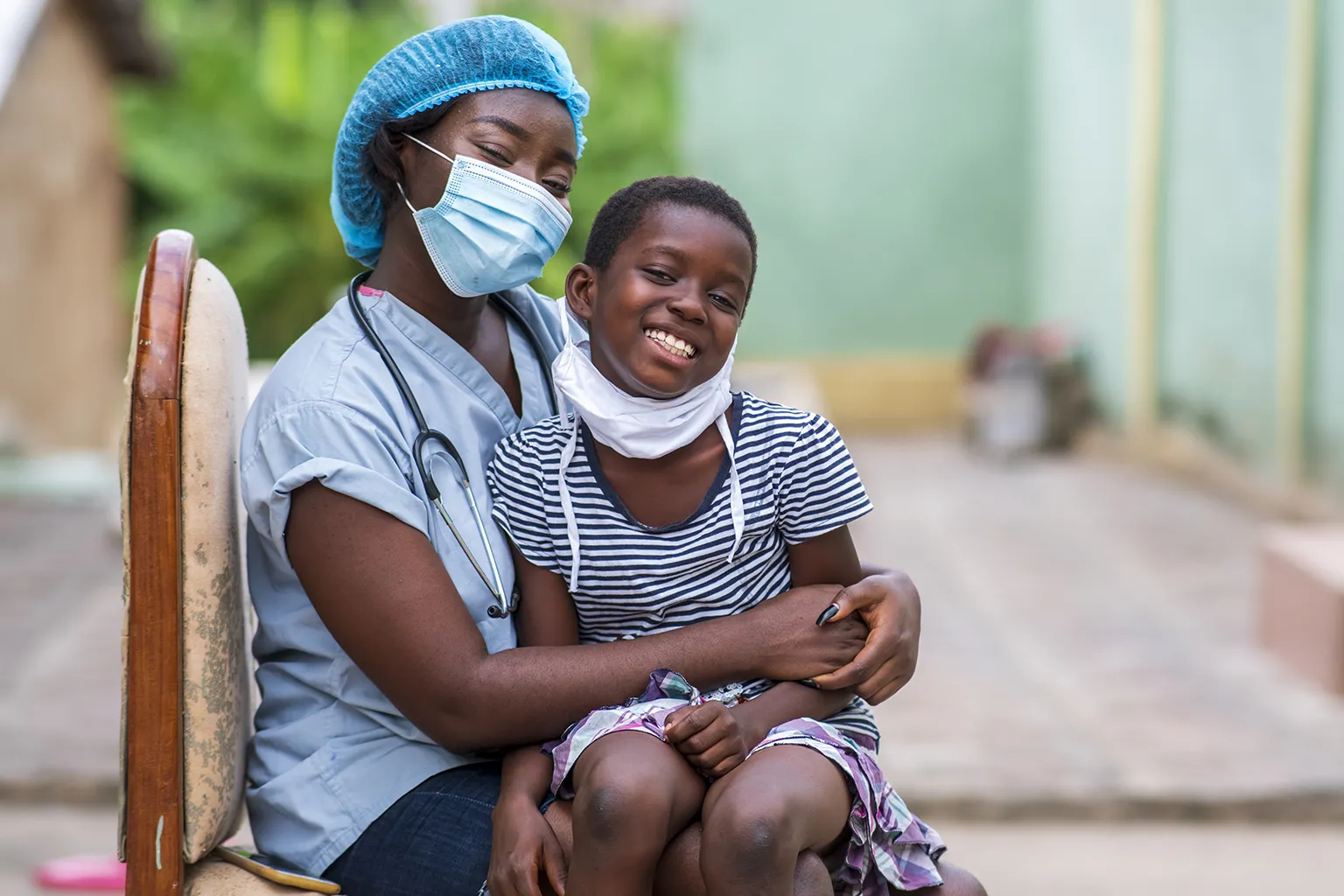
A nurse holding a child reflects the importance of family health, routine care, and quick medical attention, reminding travelers to consider personal safety, hygiene, and basic health support in Tanzania.
Heat, altitude, and dust
The weather in Tanzania is not the same everywhere. The coast can be hot and humid. Highland areas can feel cold. Altitude can affect even strong, fit people. Safari roads can be dusty too. To make it easier:
- drink 2 to 3 liters of water a day
- rest during the hottest hours, usually 12 PM to 4 PM
- use sunscreen, sunglasses, and a wide-brim hat
Know the health requirements before you begin your travel plans to Tanzania.
Contact our team today.
Tanzania Travel Insurance – Don’t Travel Without It
The closest hospital is hours away in many parts of Tanzania. Private clinics in towns have better equipment than those in the bush.But in an emergency, you have to fly out to safety, which can cost thousands of dollars. Therefore, you need a good travel insurance plan that covers these costs.
- Emergency medical care ($100,000 minimum recommended)
- Air evacuation from national parks or Kilimanjaro
- Coverage for adventure activities like trekking or game drives
- Trip cancellations or interruptions
- Loss or theft of baggage and personal belongings
Many hospitals require upfront payment if you don’t have valid insurance. Without it, even minor treatments can be costly, and serious evacuation may cost $10,000 or more. Some reliable providers are:
- World Nomads
- Allianz Travel
- SafetyWing
- IMG Global
Read what our experts have to say: Travel insurance for Tanzania
Emergency Contacts and Medical Facilities in Tanzania
In case of illness or injury, prompt action is important. Emergency services vary greatly by location.
Emergency Numbers:
- Ambulance: 112 / 114
- Police: 111
- Tourist Police (available in major areas)
Top Hospitals in Key Cities:
- Dar es Salaam: Aga Khan Hospital, IST Clinic, Regency Medical Centre
- Arusha: Arusha Lutheran Medical Centre, Selian Lutheran Hospital
- Moshi: Kilimanjaro Christian Medical Centre (KCMC)
- Zanzibar: Global Hospital, Tasakhtaa Global Hospital
- Dodoma: Benjamin Mkapa Hospital
Pharmacies
In Tanzania, drug stores are called "duka la dawa" and can be found in most towns and cities. You don't need a prescription to buy most basic medicines, like painkillers, antibiotics, and antimalarials. Travellers should bring any rare or long-term prescription drugs from home, though, because they might not be easy to find in local shops.
Health rules for Tanzania are not difficult, but they do need attention. Check vaccines, carry your personal medicine, and prepare early so your safari begins calmly and without avoidable problems.
Peter Charles
Final Health Advice for Tanzania Safari Tours!
Getting health care in Tanzania doesn’t have to be hard. If you plan, you can have the best trip of your life without any stress. Just check the latest health updates from the government website.
After that, pick one of our well-reviewed Tanzania Safari Packages that
come with nice places to stay and knowledgeable guides. Also, check out our full
Tanzania Travel Guides to learn more about how to plan your trip.
Your health, safety, and comfort are the most important things to Best
Day Safaris, so you can travel with peace of mind and see the wilder parts
of East Africa.
Frequently Asked Questions
We suggest that our clients consult their physician or visit a travel clinic at least 6 to 8 weeks before their travel date. Generally, malaria prophylaxis is recommended as the lower areas of Tanzania are prone to malaria. Also, getting vaccinated against cholera, typhoid, and hepatitis is recommended. If coming from a yellow fever vaccination area, you need to show proof of immunization. Also, it’s a good idea to be up to date on common vaccinations like tetanus, polio, and hepatitis A& B.
Tap water is only safe for showering and brushing teeth. As a safety precaution, we advise against drinking tap water. Many lodges, hotels, and shops supply bottled drinking water that is safe to use.
If you are taking any personal medication, you should carry it along. Because there is no guarantee that your personal medications will be easily available throughout Tanzania. Also, it is advisable to carry a prescription along with you. In case of an emergency, healthcare professionals can recommend a suitable replacement.
When traveling in Tanzania, take care of your belongings. Keep them safe and be aware of your environment.
Make copies of important documents and keep them safe, in case of emergencies. Use safety boxes at your accommodation to store your valuables.
Though crime isn't widespread, it’s advisable not to roam around at night to avoid any untoward incidents.
No, a yellow fever vaccination certificate is not required for direct travel to Tanzania if you are traveling from countries with no risk of yellow fever.
But it is mandatory if you are arriving from, or transiting through, a country with a high risk of yellow fever for more than 12 hours.
Click on the link to view the full list of countries with a high risk of yellow fever.
No, they don’t. But we do recommend travelers carry their healthcare professional’s note for an immunization waiver. You can submit it to the Health Officers at the point of entry. They have the sole authority to make decisions related to immunization waivers.
Related Safari Experiences

Plan a Trip to Tanzania
We offer different tour types. You can also chat with a local travel specialist if you want a customized tour to Tanzania.


Recommended by
Tanzania Travel Essentials
Your Trusted Guide for Every Safari Detail
Our travel guide is made to save you time. It points you to the best time, cost, safety aspects, and activities, while sharing tips only locals know. Your dream Tanzania trip starts with the right information, and we’ve put it all together for you, so planning feels clearer, easier, and far less overwhelming from the very beginning.
Guestbook Moments
Real Stories from Safari Guests
A good safari often lives on through the words guests bring back. Here, Bestday Safaris travelers share notes on the people, pace, small comforts, wildlife moments, and honest care that became part of their journey. Their reviews help future travelers see beyond the itinerary and understand how each safari feels on the ground.
Excellent

4.9 out of 5
753 Reviews
Lorena T

We had an amazing experience with BestDays Safaris. Our driver Muro was very knowledgeable, took us away from crowds to spot animals and was an excellent guide. The camping accommodation that BestDay Safaris
Mar 2026
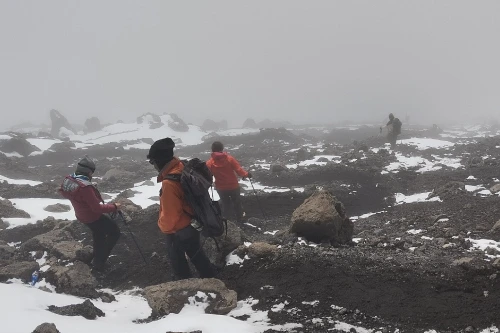
Annabella R
Climbing Mount Kilimanjaro was one of the most intense and beautiful experiences of my life, and a huge part of that is thanks to our guide, Boni. From day one, Boni set the tone for...
Mar 2026
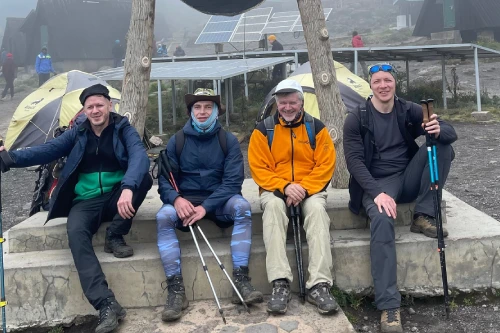
Александр Е
Finally went to fulfill his long-held dream of climbing Kilimanjaro. The journey exceeded all my expectations. I enjoyed nature, met new people, experienced mountain sickness and overcoming myself again...
Mar 2026
Alejandra Q
We just finished an incredible safari as our honeymoon on a private safari tour for us two with Best Day Safaris in Tanzania and the whole experience exceeded our expectations.During the trip we explored Tarangire...
Mar 2026

Gabriel R
Our safari in Tanzania was honestly better than we ever imagined, easily the best trip we’ve ever taken. We visited Tarangire National Park, the incredible Serengeti National Park, and the breathtaking and the breathtaking...
Mar 2026
Rustam K
In February 2026, we took the Lemosho route to Kilimanjaro with this wonderful team. Everything was perfectly organized, from the first meeting to the climb. And frankly, I don't want to call these guys just...
Feb 2026
Start planning your safari. Get matched with a local adventure specialist.
David
Jackson Mollel
 Stephen
 Faraj
Faraj
 Abel
Abel