Tanzania Safari Foods
Tanzanian food comes from a mix of cultural influences, including Swahili, Arab, Indian, and African cooking. One of the best-known foods is ugali, a simple maize flour dish often eaten with stew. It is commonly served with nyama choma, which is grilled meat prepared with spices, or mchuzi wa samaki, a well-seasoned fish curry. Other popular dishes include pilau, a spiced rice meal, and chapati, a soft flatbread eaten in many parts of Tanzania.
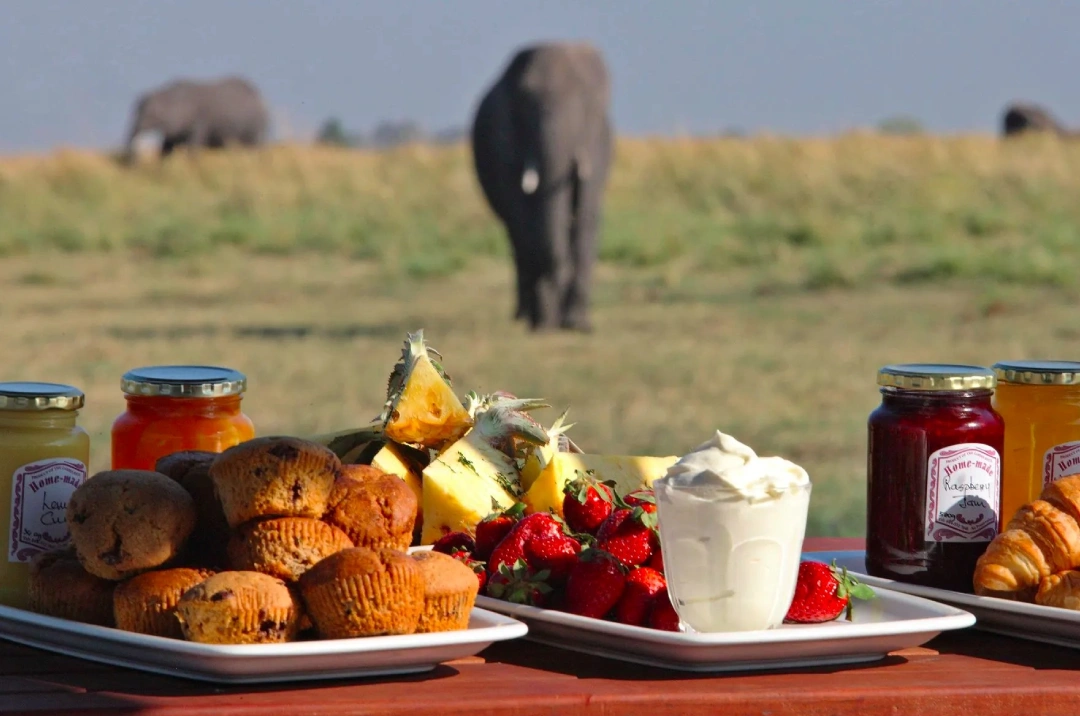
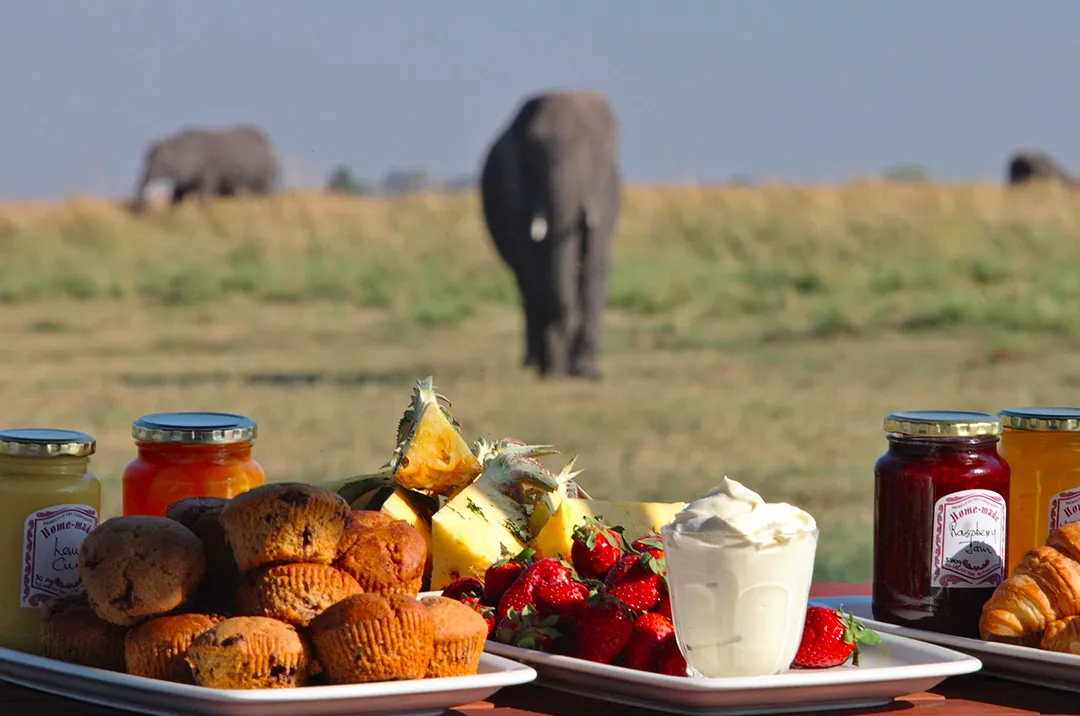
A bush breakfast set with fruit, pastries, and preserves sits in the foreground, while elephants move across the plains beyond, creating a memorable safari dining scene in the wild.
What Foods Can You Expect on Tanzania Safaris?
The food you eat on a Tanzania Safari is part of the experience. Safari drives start early, and some days feel long even when the views are amazing. Dust dries your mouth. Sun drains you quietly. So, meals matter. Good food keeps your energy up and keeps everyone steady. It also brings in the local feel of Tanzania, through simple staples, spiced rice, and grilled meat. When you know what to expect in terms of Tanzania Safari Foods, planning stops feeling messy.
This page explains food on safari in Tanzania clearly. You’ll see how breakfast, lunch, and dinner usually work in camps and lodges. You’ll also learn which local foods show up often, what’s worth trying on town stops, and how special diets are handled. There are simple safety tips too, plus ideas for what snacks to bring on safari in Tanzania when drive days run long.
Best Day Safaris plans trips across Tanzania’s main parks and camps, so food questions come up all the time. Guests ask about meal times, spice levels, kids’ meals, and diet needs. This guide answers those questions based on what is commonly served on real safari routes, not guesswork.
- 1.What meals feel like on a safari day
- 2.A simple Tanzania safari menu
- 3.Safari lodge food vs tented camp food
- 4.Tanzania food and the flavours behind it
- 5.Staples you’ll keep seeing
- 6.Street food worth trying on town stops
- 7. Special diets on safari
- 8.Is food safe on Tanzania safari?
- 9.What snacks to bring on safari Tanzania
- 10.Come Hungry but Not Confused
- 11.Frequently Asked Questions
What meals feel like on a safari day
Safari food follows the schedule. That’s the truth. You wake up early, still half asleep, and breakfast shows up like a small rescue. Then the day starts moving. You stop for sightings while sitting through bumpy stretches. Time slips, and then lunch suddenly feels important because you’re far from towns and shops.
Most Tanzania safari meals are made to be filling and easy. They are not heavy and not fussy. They just need to work.
- A normal day on a Tanzania safari tour often looks like this:
- Breakfast: eggs, toast, porridge, fruit, tea or coffee. Sometimes pancakes.
- Lunch: a picnic box on full-day drives, or a hot lunch back at camp.
- Dinner: usually soup first, then rice or ugali with vegetables and meat or fish, plus a simple dessert.
And the small comforts matter. Hot tea when the morning feels colder than expected. Fresh fruit after hours of dust. Little things, but they hit the right spot.
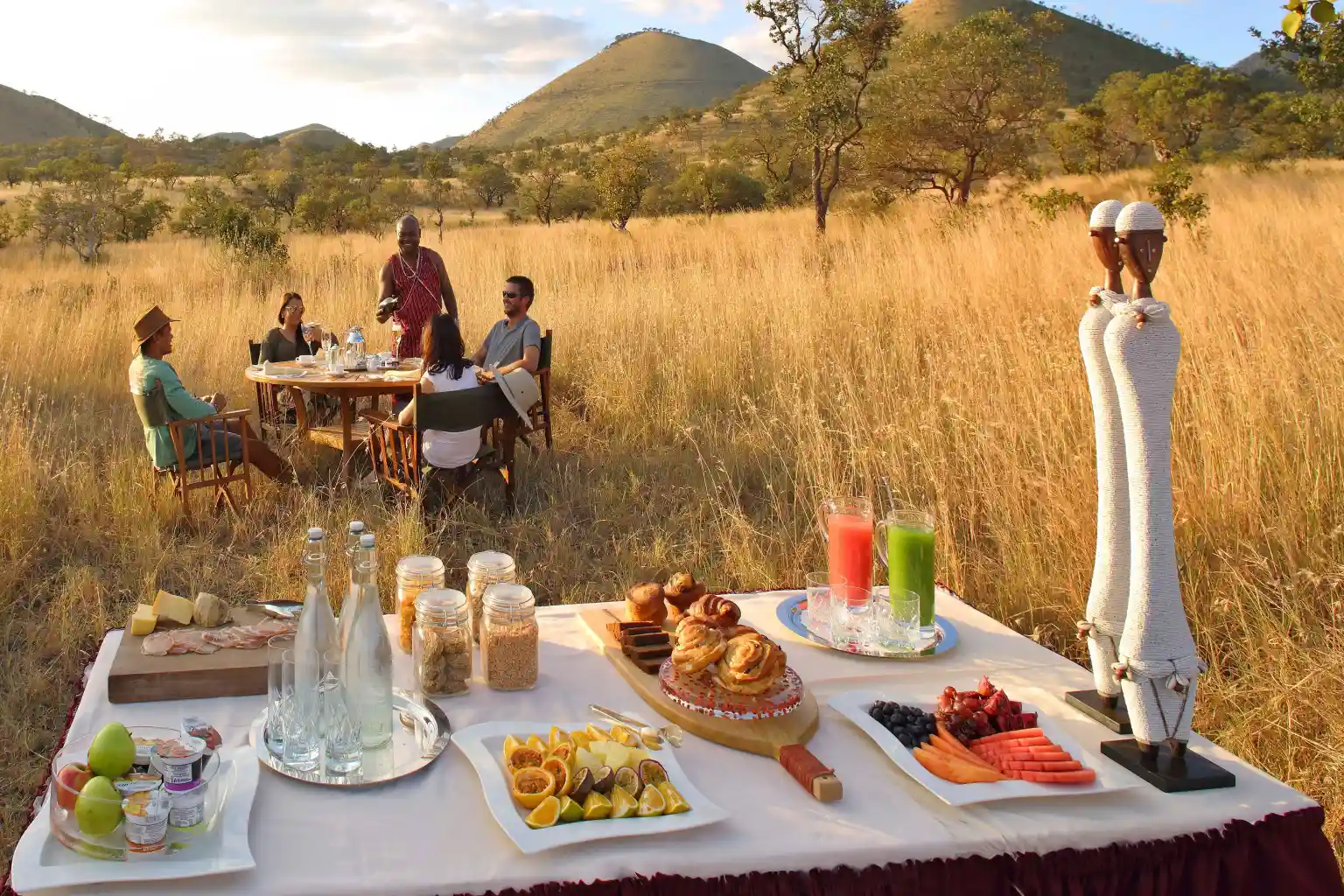
Golden grasslands frame an open-air safari breakfast, where fresh fruits, pastries, juices, and local hospitality create a warm food scene, showing how dining in Tanzania connects landscape, culture, and travel moments.
A simple Tanzania safari menu
A Tanzania safari menu changes from camp to camp, but the pattern stays familiar. Camps keep meals balanced so you don’t feel too full in the vehicle.
Common foods include:
- Rice dishes, sometimes spiced (pilau shows up often)
- Stews with vegetables, beans, chicken, beef, or fish
- Grilled meat with a simple sauce
- Fresh sides like kachumbari
- Fruit every day in some form
- Tea, coffee, and drinking water are always available
Some places lean more “international.” Others lean more local. Most do both. And honestly, that mix usually keeps everyone on Tanzania Safaris happy.
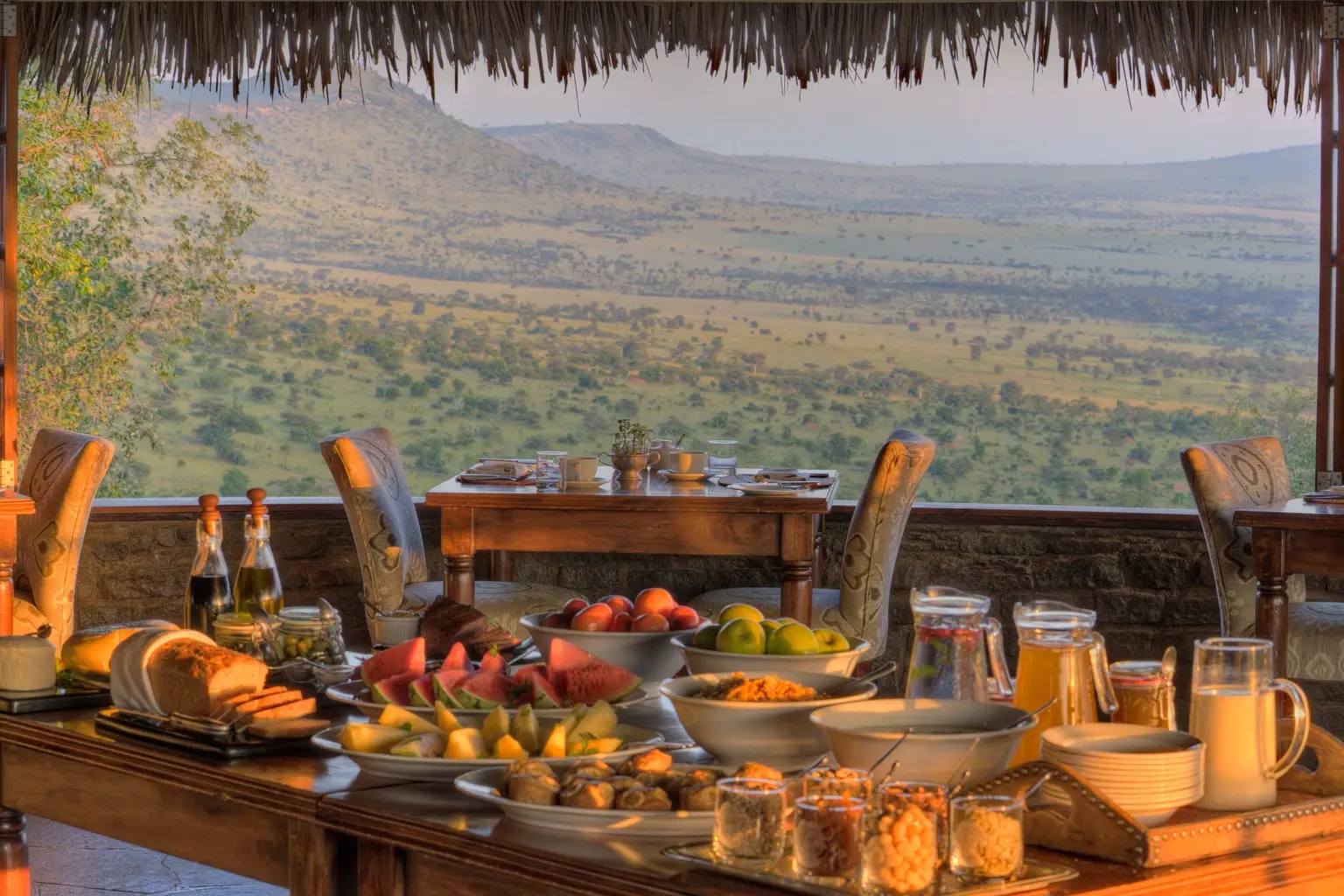
A lodge dining space overlooks wide plains, while breads, fruits, juices, and breakfast dishes fill the table, showing the relaxed food side of Tanzania travel with scenery, comfort, and local hospitality.
Safari lodge food vs tented camp food
Some travellers worry about meals in tented camps. Most are surprised in a good way.
Safari lodge food Tanzania often means more choice. Larger kitchens, more dishes, and sometimes buffet-style service.
Tented camp food in Tanzania is usually simpler, but still good and well-cooked. Meals are planned with care because people come back hungry after long drives. Food is served hot, and portions are often generous.
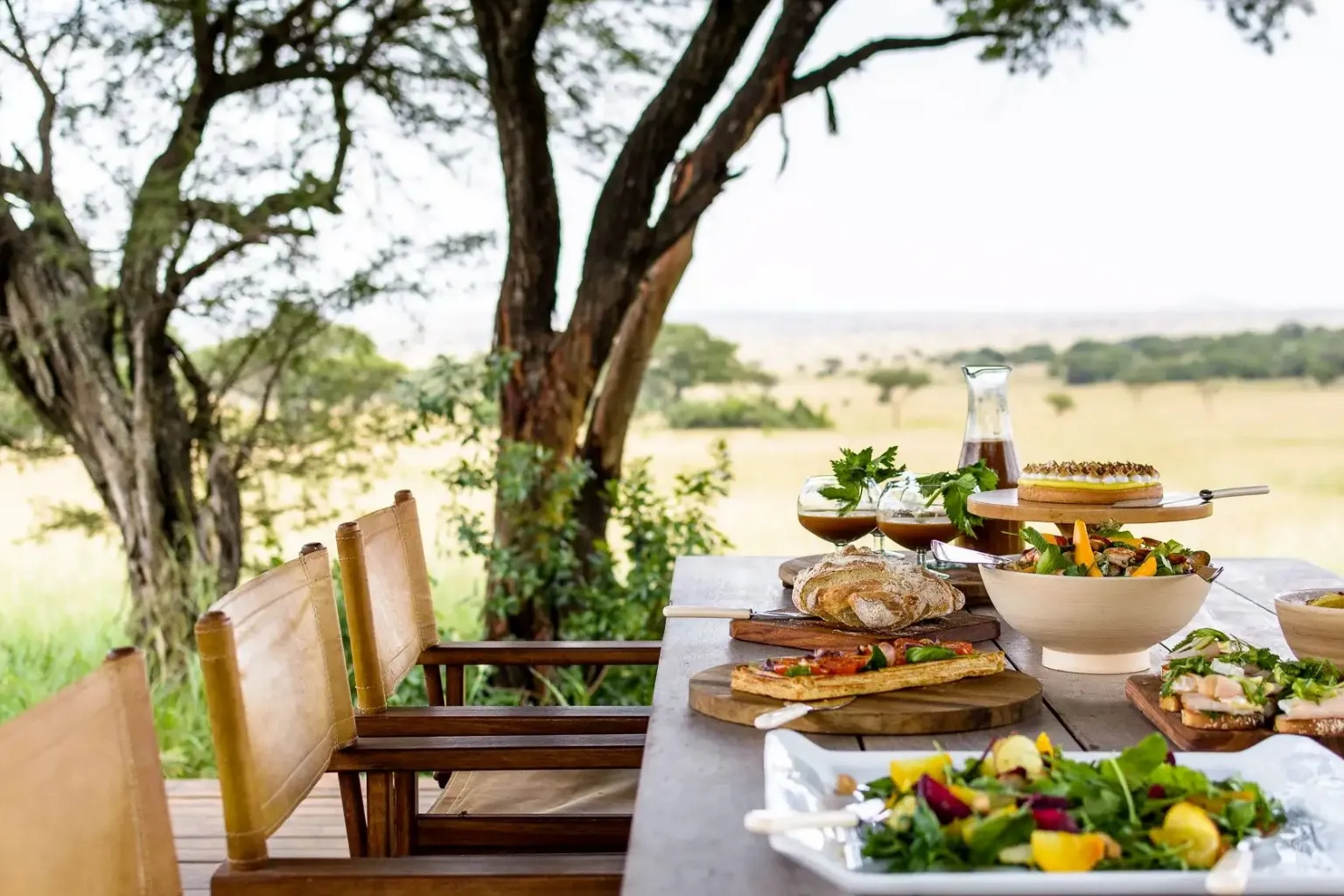
Overhead view of assorted plated dishes featuring grilled fish, chicken, vegetables, flatbread, and colorful sides, highlighting a varied food spread with fresh ingredients, balanced presentation, and vibrant local-style meals.
Tanzania food and the flavours behind it
Tanzania’s cooking has a calm mix of influences. Inland meals often lean on stews, grilled meat, and filling sides. Along the coast, coconut and seafood show up more. And then you notice the spices in a quiet way. Clove, cumin, cardamom. Not always hot. Just warm and fragrant.
And if the trip includes Zanzibar or coastal stops, food often becomes a bigger highlight. Seafood feels fresher. Coconut shows up everywhere. Even the air smells different.
Staples you’ll keep seeing
These foods show up again and again because they satisfy the tastebuds for travellers.
Ugali
Ugali is a firm maize dish. Simple and filling. It’s served with stew, vegetables, or grilled meat. Many locals eat it by hand, rolling a small piece and dipping it into sauce. It’s worth trying once.
Chapati
Chapati is soft flatbread with a lightly crisp edge. Great with stews and beans. It’s also one of those foods that feels comforting right away.
Rice, especially pilau
Rice is common on safari. Pilau stands out because it’s spiced and fragrant. It often comes with meat or vegetables and feels like a full meal on its own.
Coconut
Coconut milk gives sauces a rich, smooth taste. More common near the coast, especially with fish, but it shows up in many places.
Cassava
Cassava is a starchy root. Boiled, fried, or mashed, and very filling. Like a strong cousin of the potato.
Kachumbari
A fresh salad of tomato, onion, cucumber, sometimes chilli. It cuts through heavier meals and makes grilled meat feel lighter.
Street food worth trying on town stops
Street food is optional. Some travellers love it. Some prefer sticking to lodge meals. But if a town stop happens and the food is cooked fresh and served hot, it can be a fun way to taste everyday Tanzania.
Chipsi Mayai
Fries and eggs cooked together like an omelette. Simple, filling, and everywhere.
Nyama Choma
Grilled meat, often beef or goat. Smoky, salty, usually served with chips and a spicy dipping sauce. If one food feels “very Tanzania,” this is it.
Mishkaki
Marinated meat skewers grilled over coals. Often sold in the evening and served hot. Easy to like.
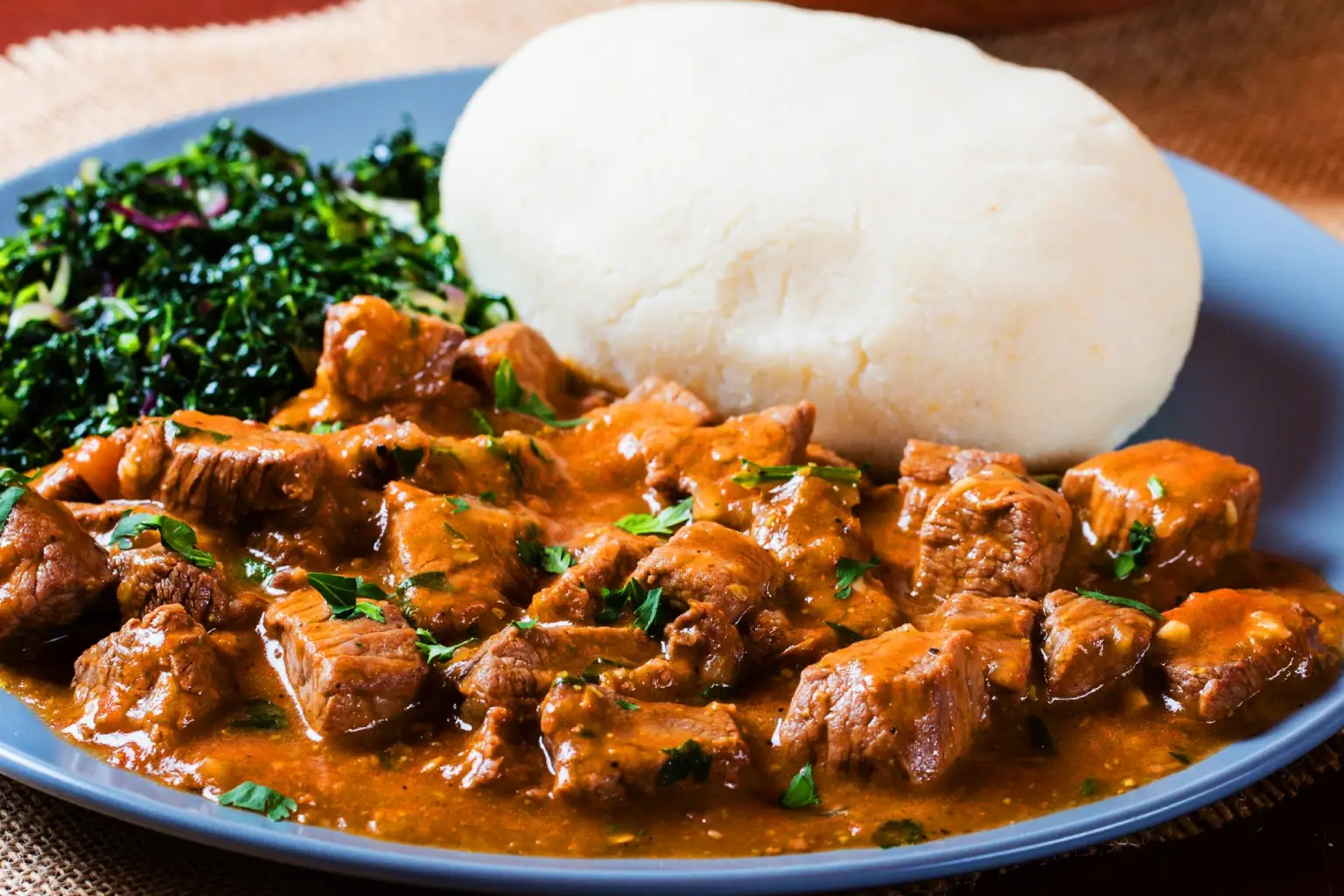
Close-up of a plated meal with ugali, leafy greens, and a rich meat stew, capturing a hearty combination commonly seen in Tanzania, with simple ingredients, warm colors, and a filling presentation.
Special diets on safari
Most camps can handle diet needs if they know early. It’s normal to ask.
- vegetarian food on Tanzania safari is usually easy to arrange. Rice, beans, vegetables, soups, eggs, and meat-free stews are common.
- vegan food on Tanzania safari is possible too, but it needs a clear note so meals avoid eggs, milk, butter, and yoghurt.
And allergies should be shared before travel. Not at dinner when the plates are already down.
Is food safe on Tanzania safari?
This is a smart question. Most safari camps and lodges take food prep seriously. Still, a few simple habits help, especially for sensitive stomachs.
If wondering if food is safe on a Tanzania safari, stick to basics:
- Eat food that is cooked and served hot
- Wash or sanitize hands before meals
- Drink bottled or filtered water provided by the camp
- Go easy on raw salads if your stomach is sensitive
- Don’t jump into extra spicy street food on day one
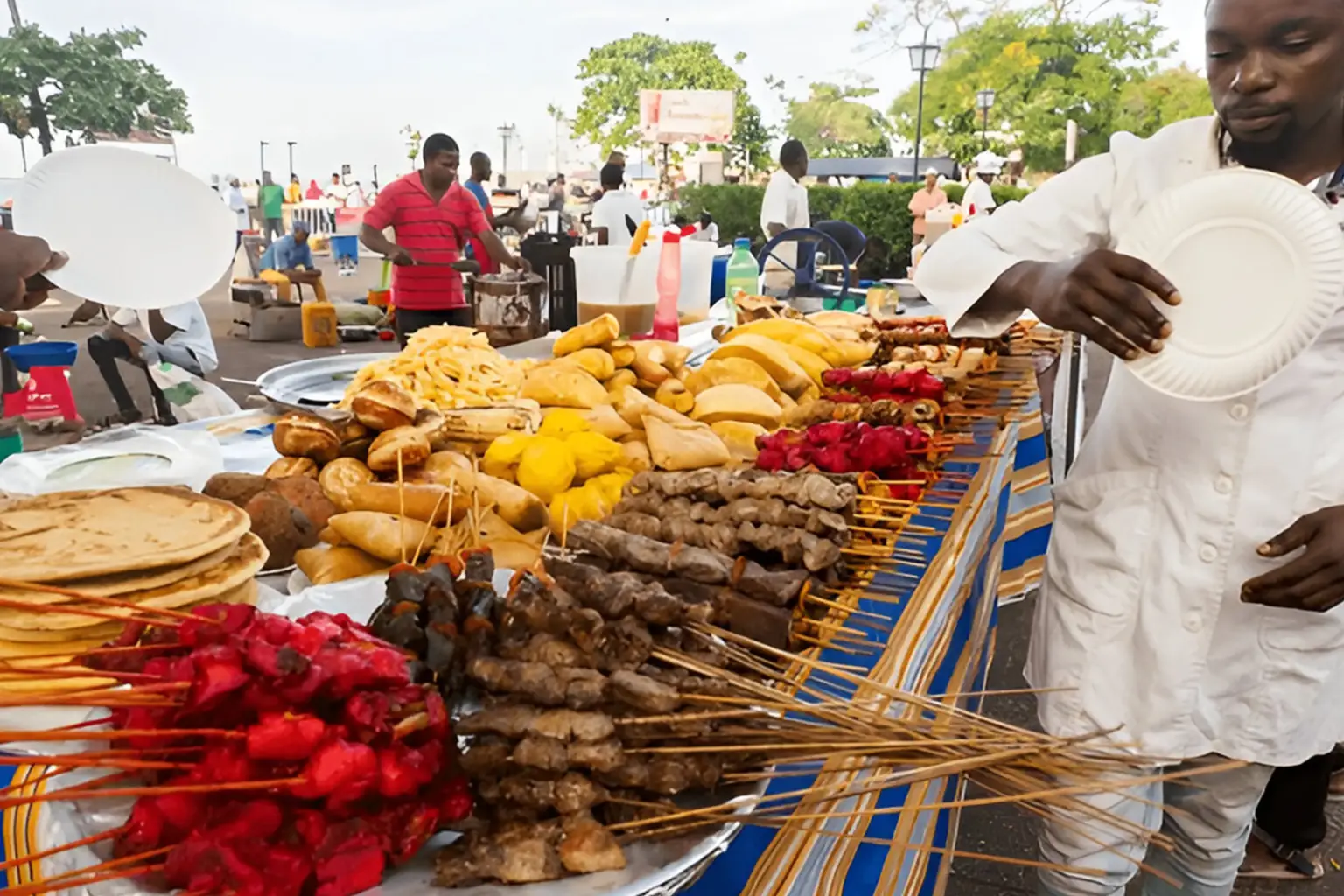
Busy street food stall, stacked with grilled skewers, flatbreads, fried bites, and local snacks, displaying a lively food scene where variety, color, and quick service reflect everyday eating culture.
What snacks to bring on safari Tanzania
Snacks aren’t always needed, but they help on long drives, early starts, and late lunches. They also help with kids.
For what snacks to bring on safari Tanzania, these travel well:
- Nuts or trail mix
- Granola bars or simple biscuits
- Dried fruit
- Electrolyte sachets
- Mints or gum for dusty roads
Skip snacks that melt fast or leave sticky fingers. Dust plus sticky fingers is a small problem that becomes a big irritation.
Trying local food in Tanzania adds a valuable experience to your trip. It helps you understand daily life better, and sometimes a simple meal becomes one of the most memorable parts.
Peter Charles
Come Hungry but Not Confused
Meals on safari should feel easy. Tanzania Safari Foods are usually warm, filling, and comforting, with enough local flavour to remind you where you are. Try ugali once. Try chapati when it shows up. Pick pilau when you see it. Carry a few snacks for long drives. And if you have dietary needs, share them early so the kitchen can plan calmly.
Best Day Safaris keeps meal timing and dietary requests sorted upfront, so the day feels smoother, and the focus stays on wildlife.
Want to know what foods to try during your Tanzania trip?
Ask us before you go.
Frequently Asked Questions
Mostly, it’s good food. Warm, filling, and easy after a long drive. Breakfast comes early, so think eggs, toast, fruit, porridge, tea, and coffee. Lunch might be packed if you’re out in the Tanzania National Park all day. Dinner is the one people settle into. Soup, rice or ugali, vegetables, meat or fish. Simple food, but it feels right and tasty.
Not really. The Tanzania Safari food has flavour, yes, but it’s often the kind of warmth you notice gently, not the kind that makes you reach for water. Rice, stews, and sauces may carry spice, but most camps keep things mild. If you like more heat, just ask. Chilli is often available on demand.
Yes, in most cases, and it’s usually not a struggle. Tanzania Safari Camps are used to this. Rice, beans, vegetables, soups, chapati, eggs, meat-free stews — those are all common anyway. The main thing is to say it early. Not because it’s difficult, but because kitchens work better when they know what they’re cooking for.
Usually, yes. Most Tanzania Safari lodges and camps are careful, and meals are normally cooked fresh and served hot. If your stomach tends to act up when you travel, keep it simple at first. Eat cooked food, wash your hands, drink bottled or filtered water, and don’t go straight for the spicy street stuff on day one.
Take snacks that can handle heat and a bit of rough travel on the Tanzania Wildlife Safari Nuts, dried fruit, plain biscuits, and granola bars work well. Electrolyte sachets are handy too, especially if the sun is draining you more than you realise. And mints help on dusty roads. Avoid chocolate. It sounds nice until it melts into your bag.
Related Safari Experiences

Plan a Trip to Tanzania
We offer different tour types. You can also chat with a local travel specialist if you want a customized tour to Tanzania.


Recommended by



Tanzania Travel Essentials
Your Trusted Guide for Every Safari Detail
Our travel guide is made to save you time. It points you to the best time, cost, safety aspects, and activities, while sharing tips only locals know. Your dream Tanzania trip starts with the right information, and we’ve put it all together for you, so planning feels clearer, easier, and far less overwhelming from the very beginning.
Guestbook Moments
Real Stories from Safari Guests
A good safari often lives on through the words guests bring back. Here, Bestday Safaris travelers share notes on the people, pace, small comforts, wildlife moments, and honest care that became part of their journey. Their reviews help future travelers see beyond the itinerary and understand how each safari feels on the ground.
Excellent

4.9 out of 5
753 Reviews
Lorena T

We had an amazing experience with BestDays Safaris. Our driver Muro was very knowledgeable, took us away from crowds to spot animals and was an excellent guide. The camping accommodation that BestDay Safaris
Mar 2026
Annabella R
Climbing Mount Kilimanjaro was one of the most intense and beautiful experiences of my life, and a huge part of that is thanks to our guide, Boni. From day one, Boni set the tone for...
Mar 2026
Александр Е
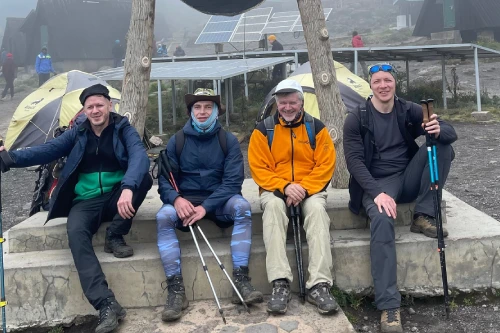
Finally went to fulfill his long-held dream of climbing Kilimanjaro. The journey exceeded all my expectations. I enjoyed nature, met new people, experienced mountain sickness and overcoming myself again...
Mar 2026

Alejandra Q
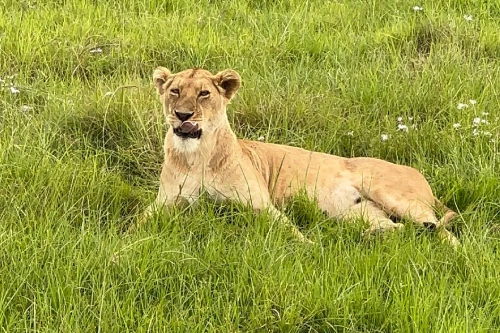
We just finished an incredible safari as our honeymoon on a private safari tour for us two with Best Day Safaris in Tanzania and the whole experience exceeded our expectations.During the trip we explored Tarangire...
Mar 2026

Gabriel R
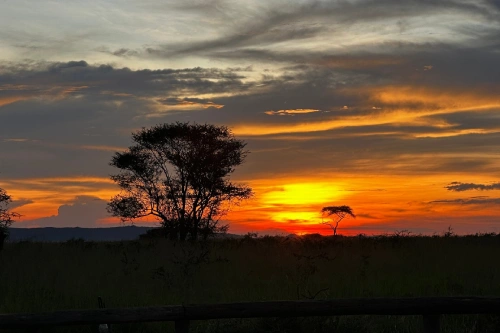
Our safari in Tanzania was honestly better than we ever imagined, easily the best trip we’ve ever taken. We visited Tarangire National Park, the incredible Serengeti National Park, and the breathtaking and the breathtaking...
Mar 2026

Rustam K
In February 2026, we took the Lemosho route to Kilimanjaro with this wonderful team. Everything was perfectly organized, from the first meeting to the climb. And frankly, I don't want to call these guys just...
Feb 2026
Start planning your safari. Get matched with a local adventure specialist.
David
Jackson Mollel
 Stephen
 Faraj
Faraj
 Abel
Abel