
Bestday Safaris

Lake Manyara National Park

About Lake Manyara

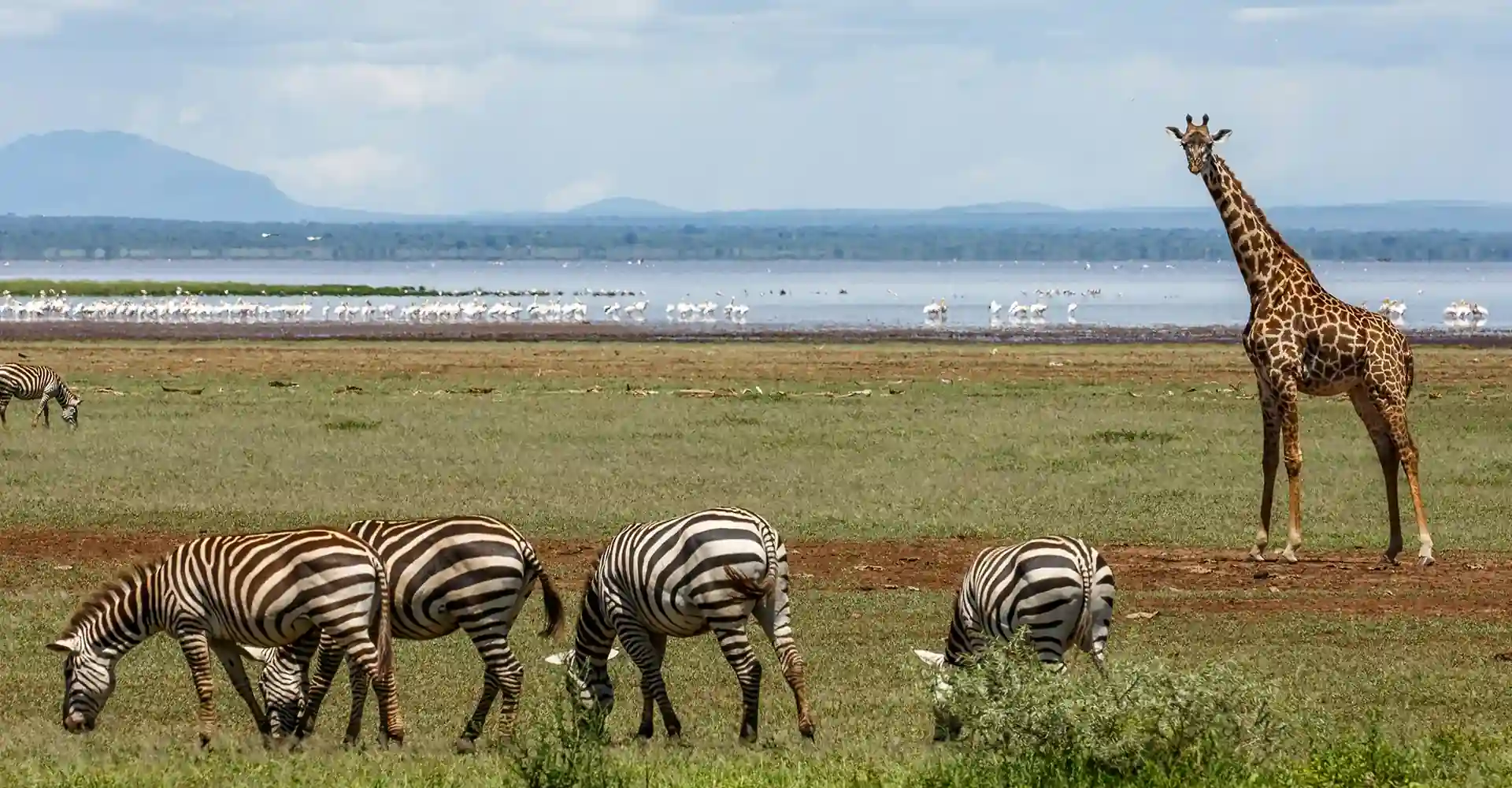
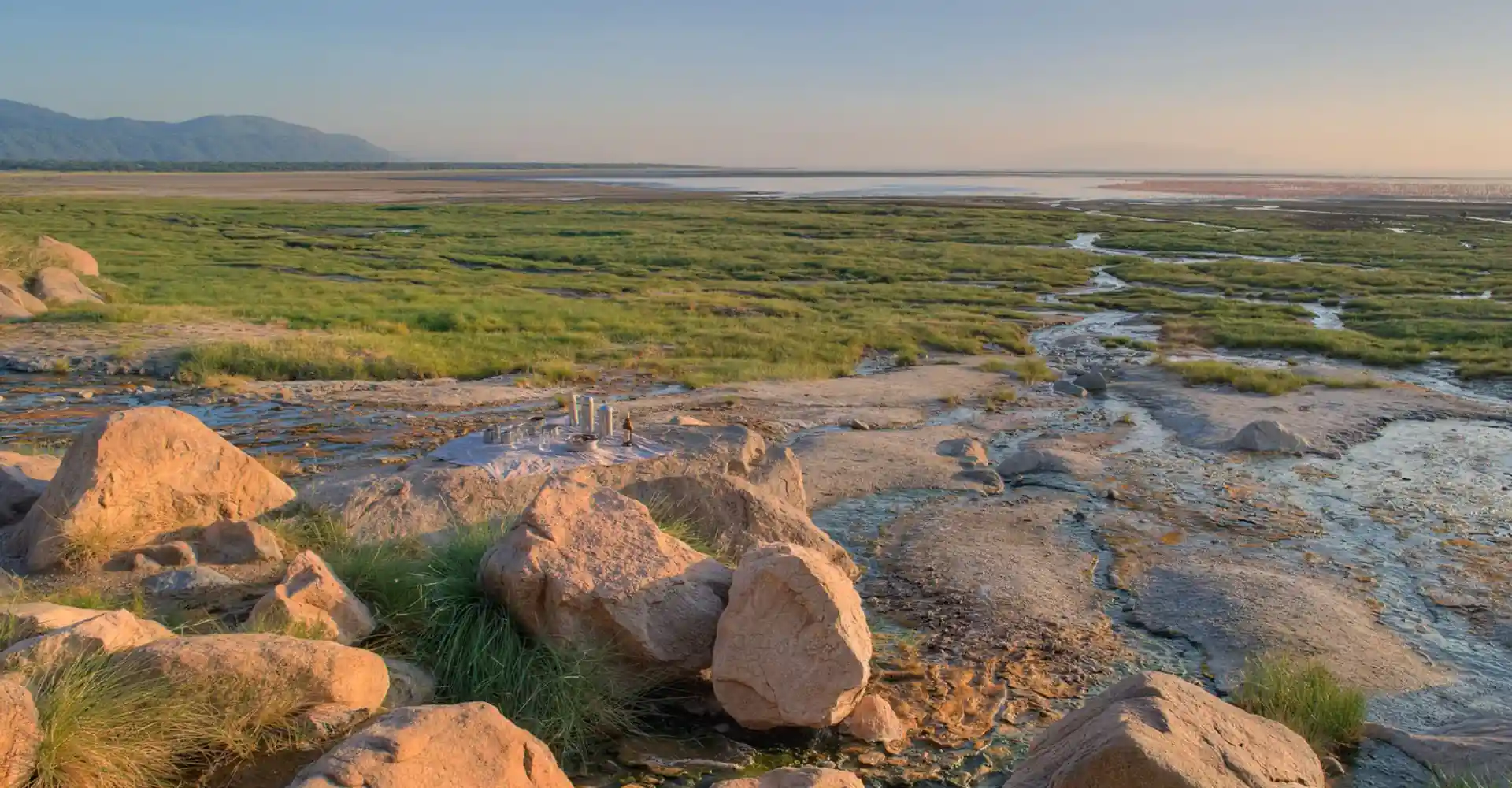
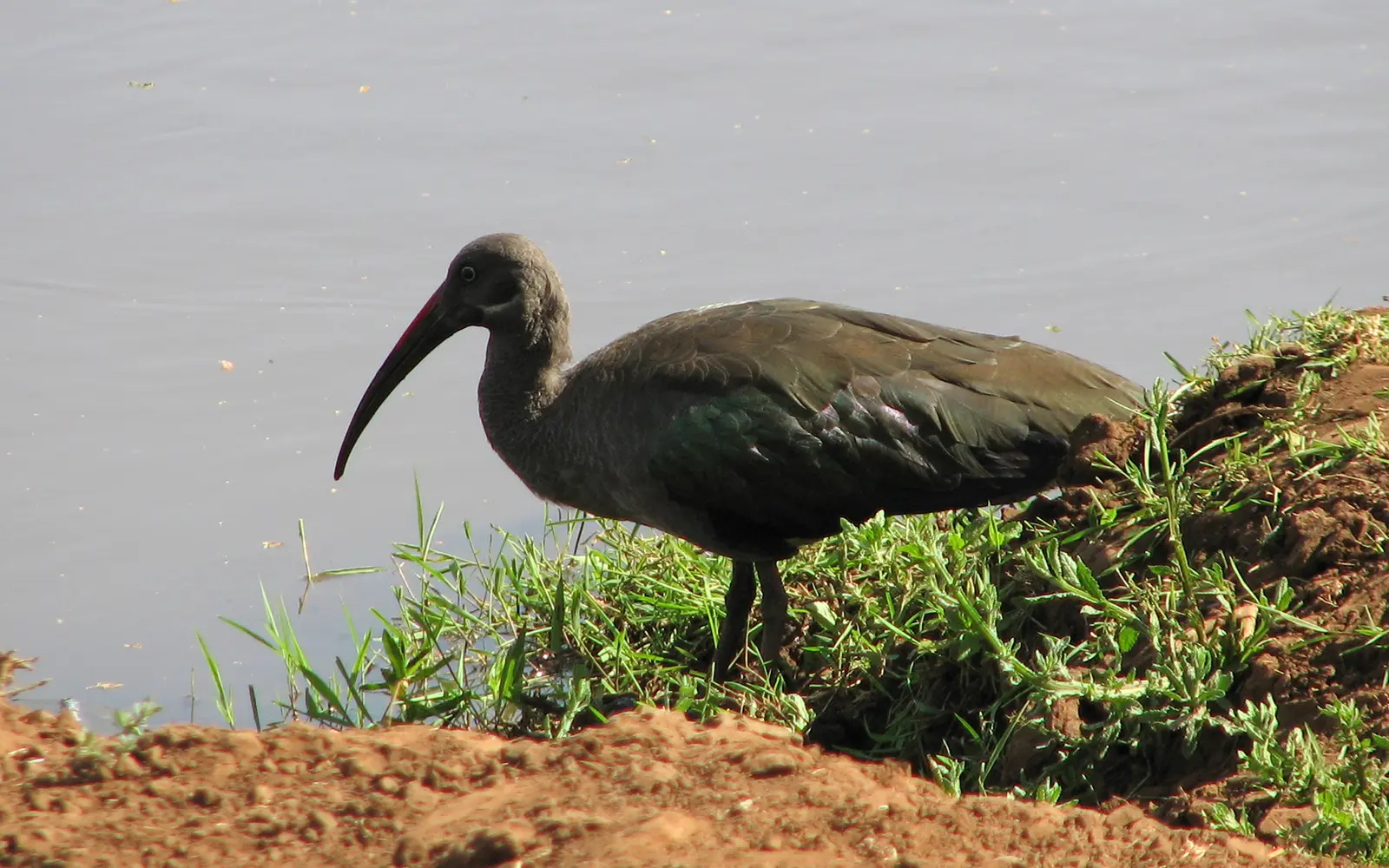
The Lake Manyara National Park covers an area of 325 km2 and is located in the northern Tanzania. The distant sight of flocks of birds on the hazy horizon is unforgettable. Herons, egrets, ospreys, ibis, pelicans, jacanas, and plovers are just some of the 380 species recorded.

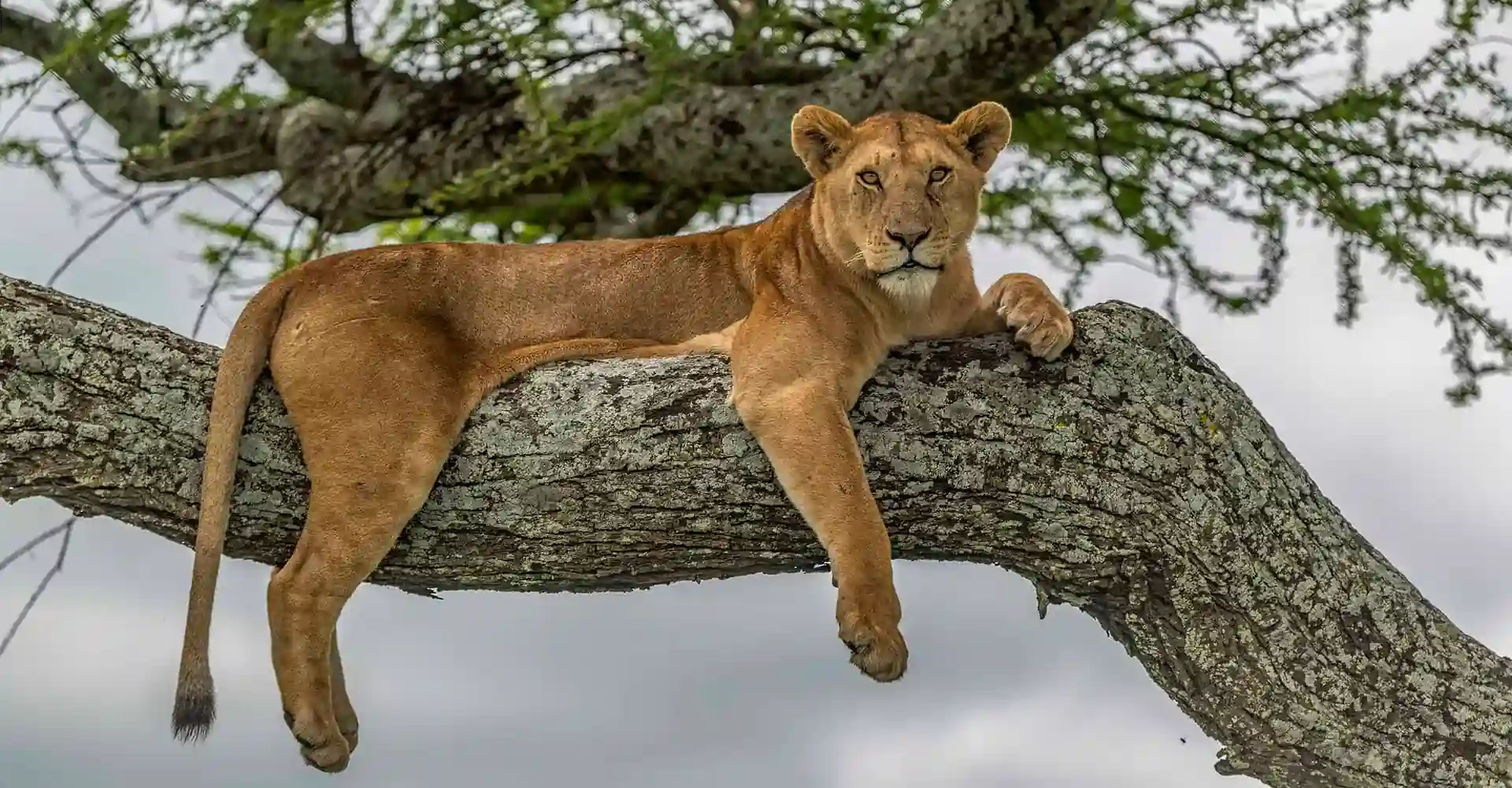
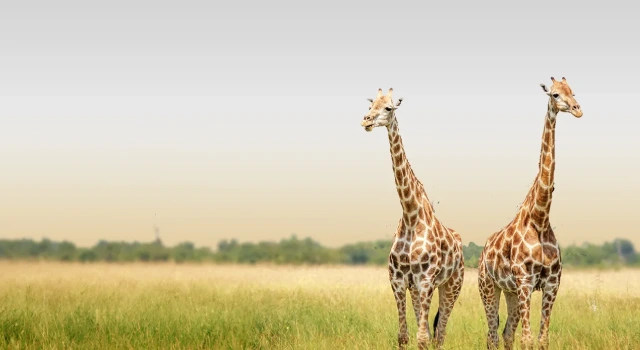
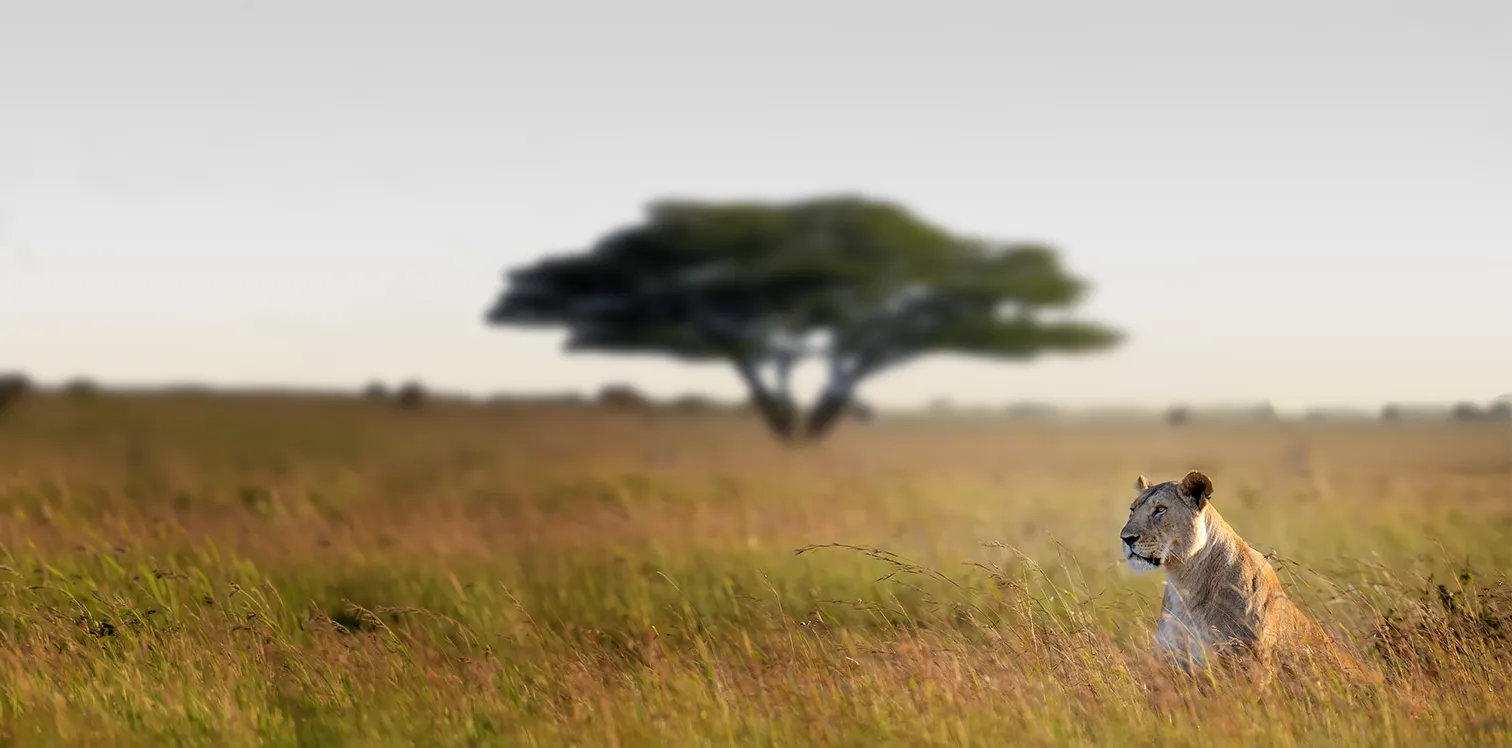
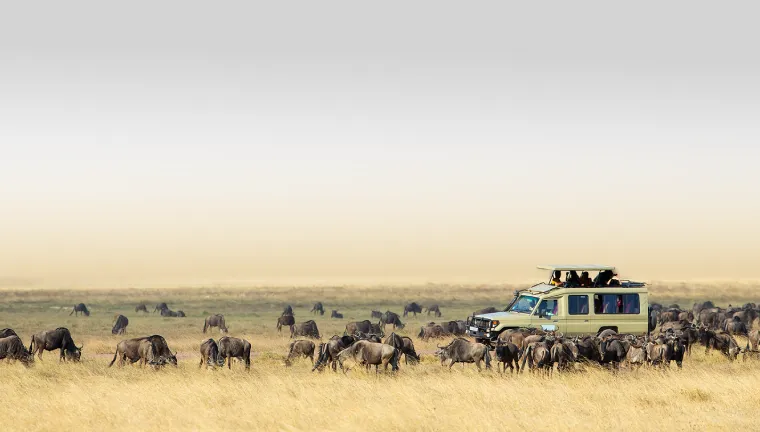
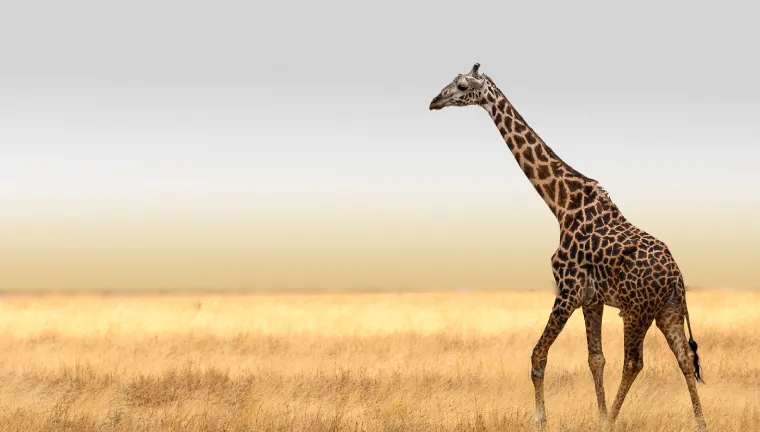
Lush vegetation greets visitors as they enter the park on a Tanzania Safari, where towering trees take advantage of the rich volcanic soil and porous rocks that help underground streams reach the roots. Those lucky enough might even see baboons gathered in troops of between 30 and 100. The park is also home to impalas, giraffes, buffalo, and zebras. It is the smallest of the four parks that make up the Northern Circuit. With a vast proportion of the park consisting of the lake itself, the park's famous tree-climbing lions have almost attained mythical status.

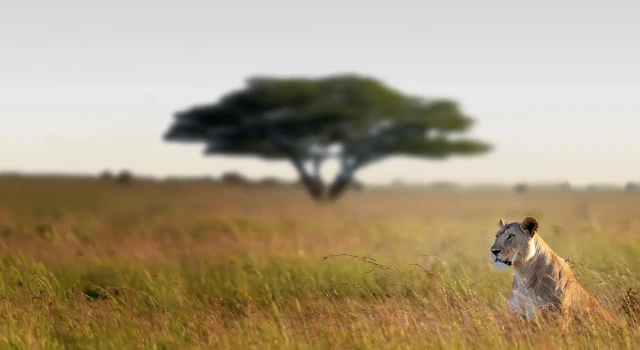
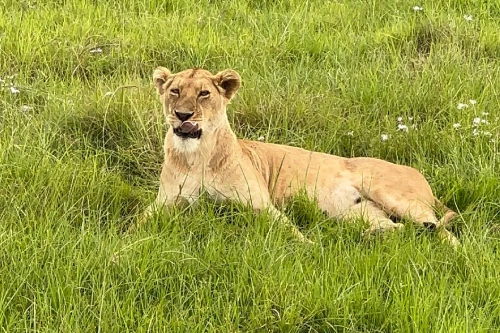
Tree Lions

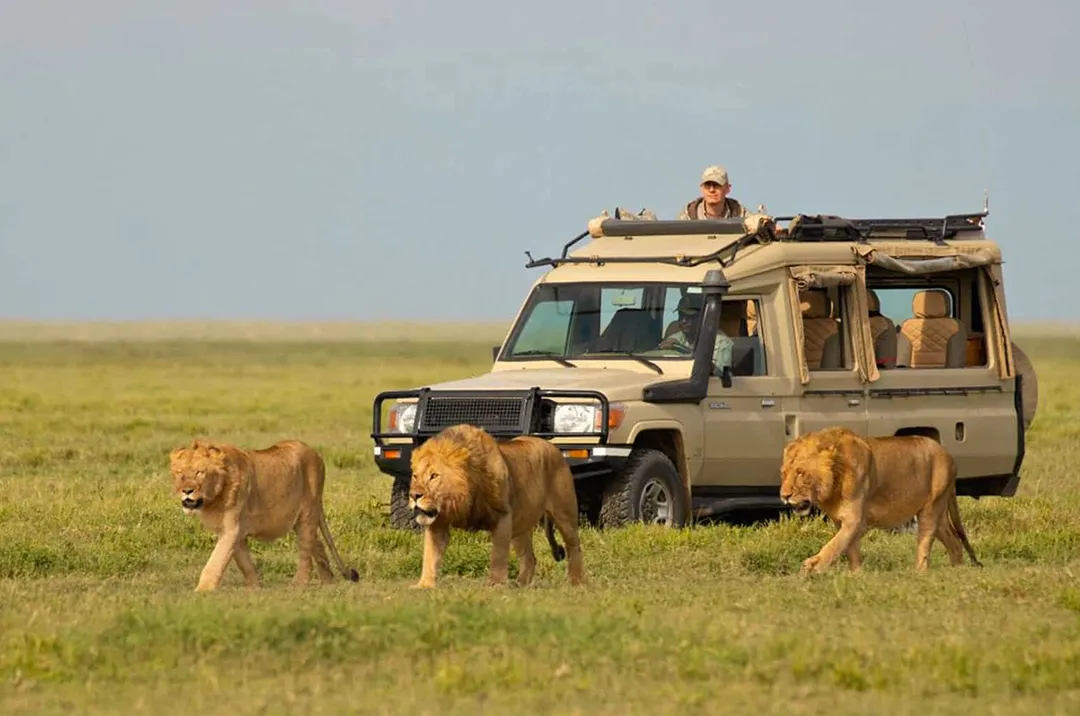
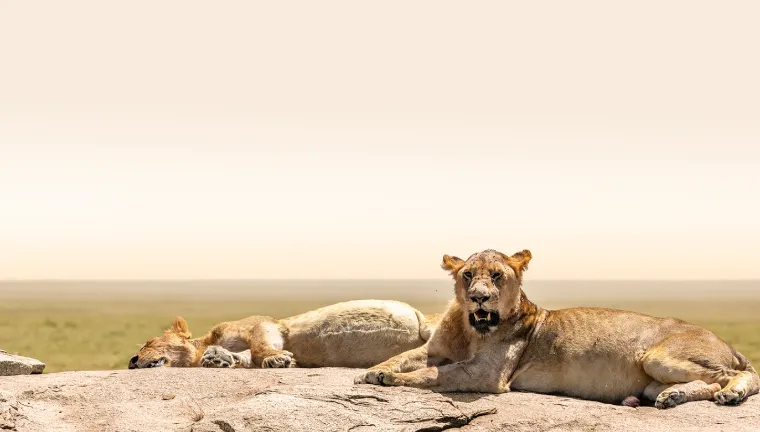
Lions sometimes climb acacia branches here, which still surprises many experienced travellers.

Lake Birds

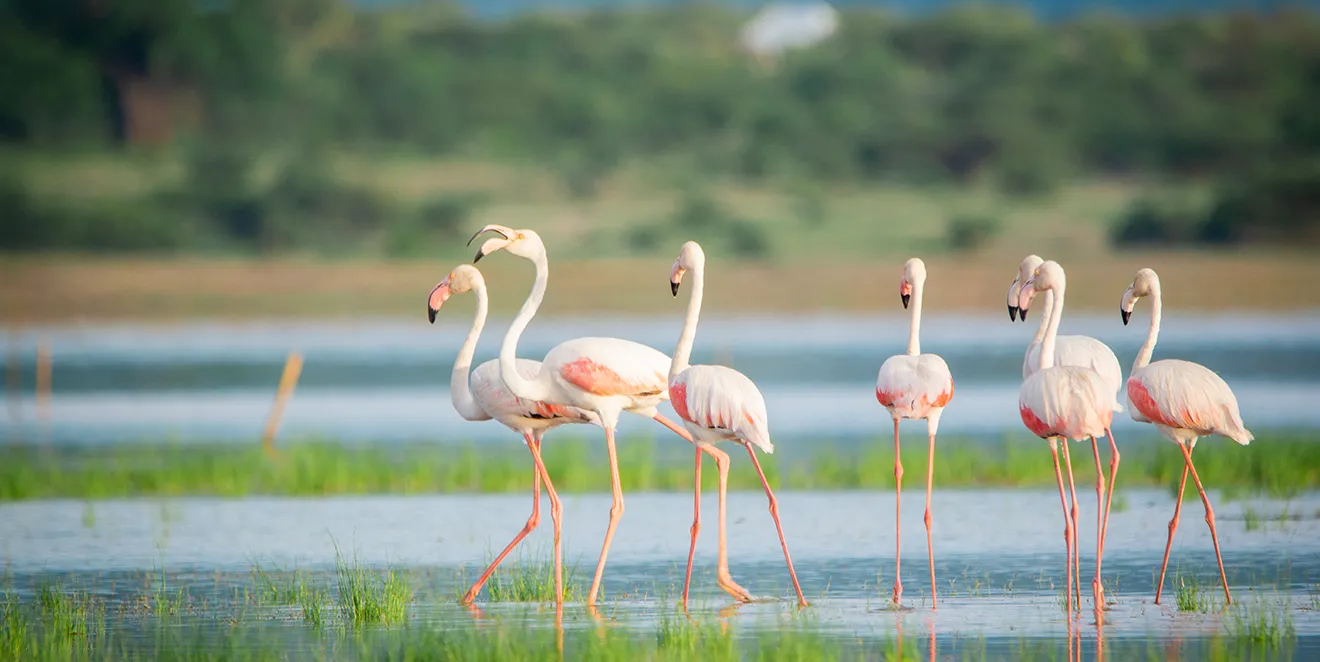
Flamingos, pelicans, and storks gather near the lake when water conditions suit.

Baboon Troops

Large baboon groups move through the forest and appear often near roads.

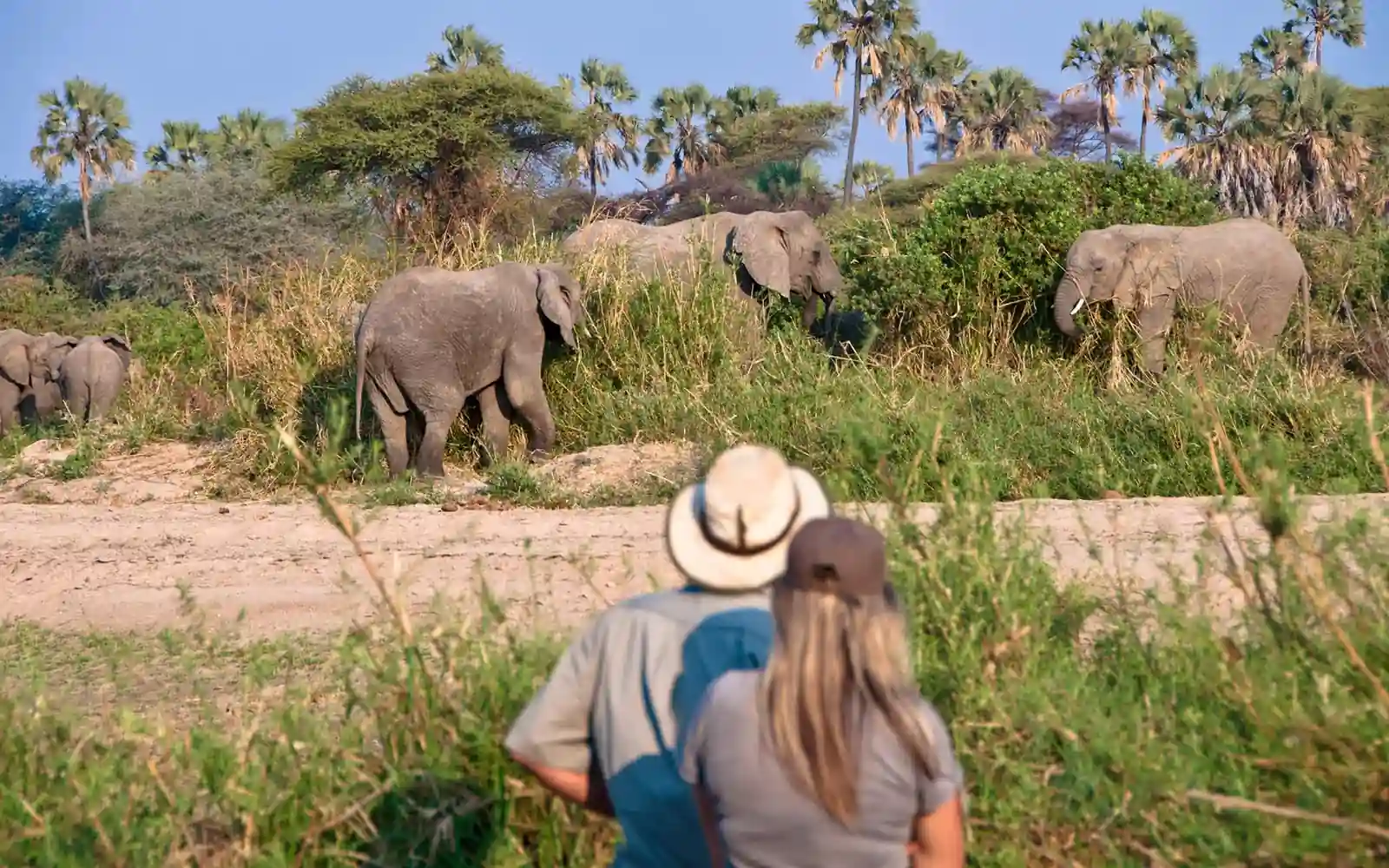
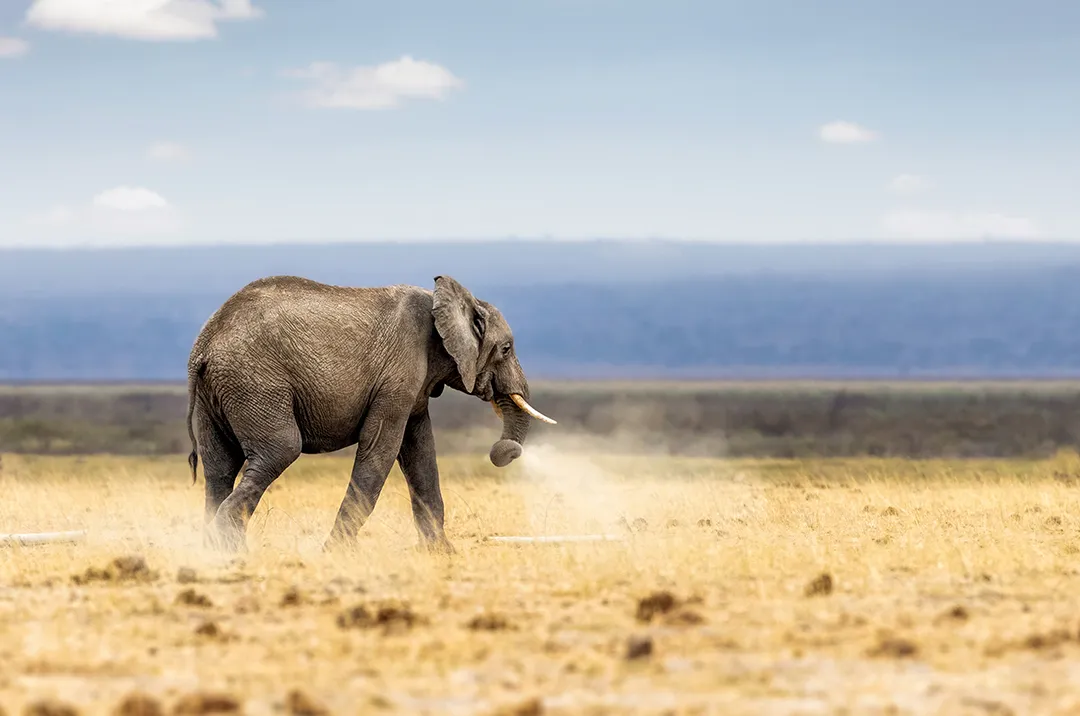
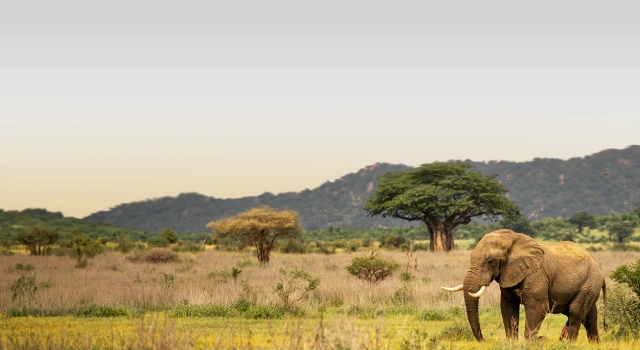
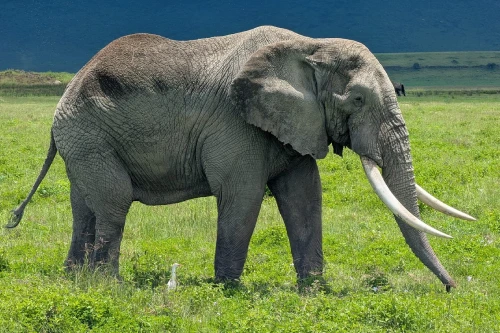
Forest Elephants

Elephants pass through shaded woodland, feeding quietly and disappearing back into cover.

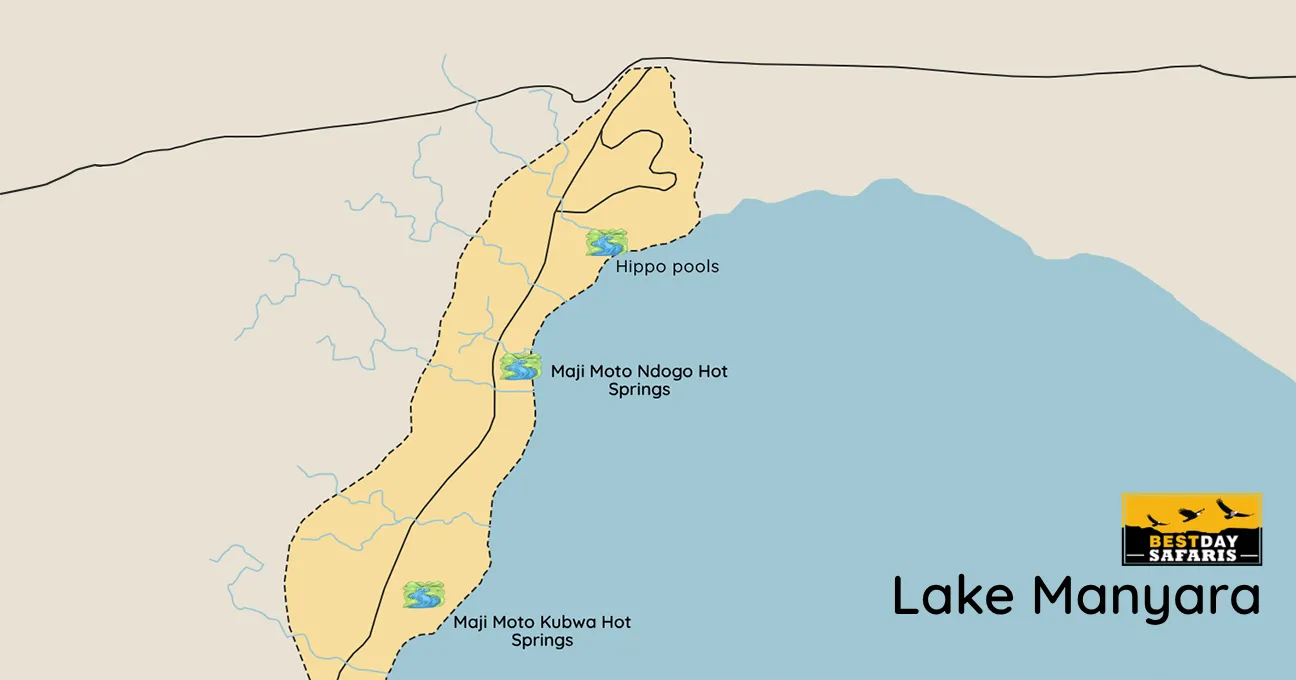
Lake Manyara National Park Map

Plan Your Safari

Pick the right time, route, and camp based on how you want to travel.

Reach out if you want help putting together a Tanzania safari that actually works for your plan.

Best Time Guide

When to Visit Lake Manyara

Season, rainfall, birdlife, and road conditions all affect how Lake Manyara feels during a safari trip.

Month Jan Feb Mar Apr May June July Aug Sept Oct Nov Dec
Max Temp (°C) 28 28 28 28 26 25 25 26 27 28 29 29
Min Temp (°C) 19 19 20 19 17 16 14 15 17 18 18 18
Rainfall (mm) ~80 ~90 ~130 ~160 ~120 ~40 ~20 ~30 ~40 ~70 ~100 ~90

Best Times for Visiting Lake Manyara Park

Lake Manyara National Park can be visited year-round, but it does not feel the same at all times. The dry months, usually June to October, make wildlife easier to spot because the grass is shorter and animals stay closer to water. Roads are easier than too. The wet season, from November to May, brings greener views, stronger bird activity, and fewer vehicles. Flamingos are more likely to be present when lake conditions suit the season. April and May are usually the rainiest months, so travel can feel slower then. June to October works well for easier sightings. November to February can feel fresher, greener, and less crowded. So the best time really depends on what kind of day you want out there, and what matters more to you.

Lake Manyara in the Dry Season

From June to October, Lake Manyara usually reads more easily. The grass thins out, roads stay drier, and animals spend more time near reliable water and open areas. That makes sightings simpler, especially for elephants and general game. It is also a busier period, so the northern parts of the park can feel more crowded during peak weeks there.

Highlights

  • Short grass makes wildlife easier to spot across open sections.
  • Roads stay drier and daily game drives feel more straightforward.
  • Elephants gather more often near water and shaded resting places.
  • Peak season brings more vehicles, especially around the northern tracks.
  • Clearer visibility helps with birds, antelope, and wider landscape views.

Highlights

  • Greener scenery changes the whole mood of the park completely.
  • Bird activity rises near the lake, forest edges, and wet ground.
  • Fewer vehicles make game drives feel quieter and less hurried.
  • Flamingo chances improve when lake conditions and water levels suit.
  • Heavy rain can slow movement on some tracks inside the park.

Lake Manyara in the Wet Season

From November to May, the park changes quite a bit. The forest feels fuller, the lake edge can look more alive, and bird activity picks up. There are fewer vehicles too. Animals spread out because water is available in more places. Heavy rain, especially in April and May, can make some roads slower and less comfortable to use at times.

Traveling in Tanzania is one of the best decisions you can make because it offers a wide range of experiences. You see wildlife, move through very different landscapes, come closer to local culture, and experience things that do not all feel the same. And that is really what stays with people for years to come.

Peter
CEO, Bestday Safaris
Planning a trip to Tanzania
Safari Attractions

Stay updated with our safari travel ideas

Get exclusive safari updates straight to your inbox!

Things to Do

Explore Manyara

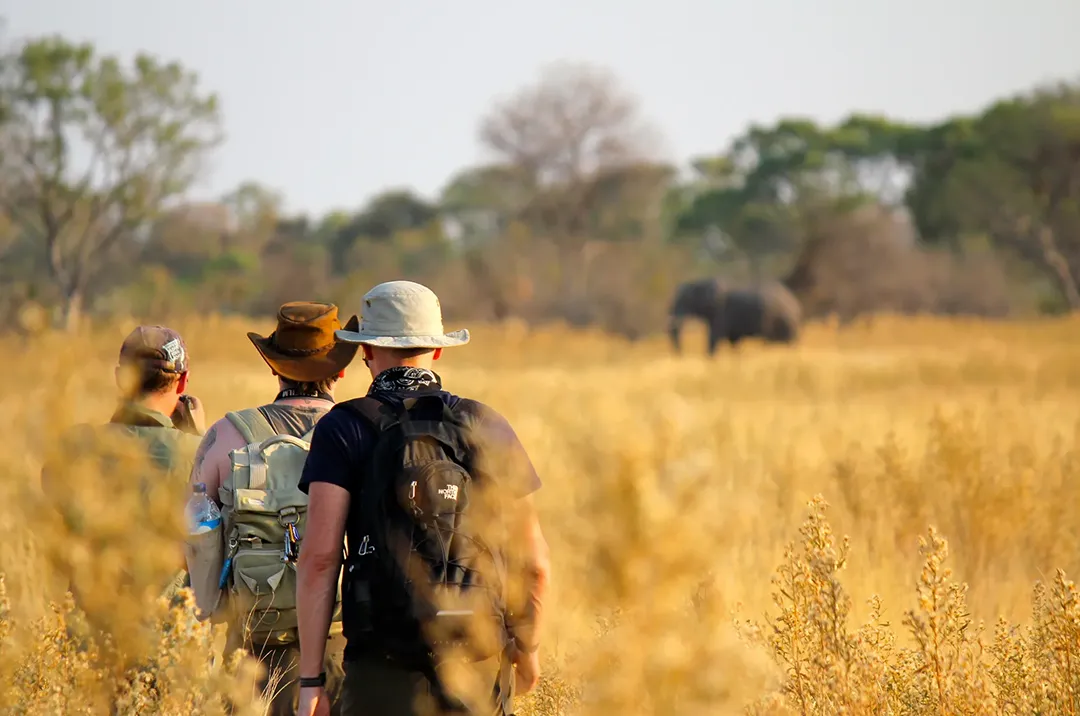
Lake Manyara National Park may be compact, but it gives you more than one kind of day. Game drives are the main draw, yes, but they are not the only reason to stop. Birdwatching, forest walks, cultural visits, and lake views all add something. And because distances are short, you get time to notice smaller things without feeling pushed from one stop to the next.

Game Drives

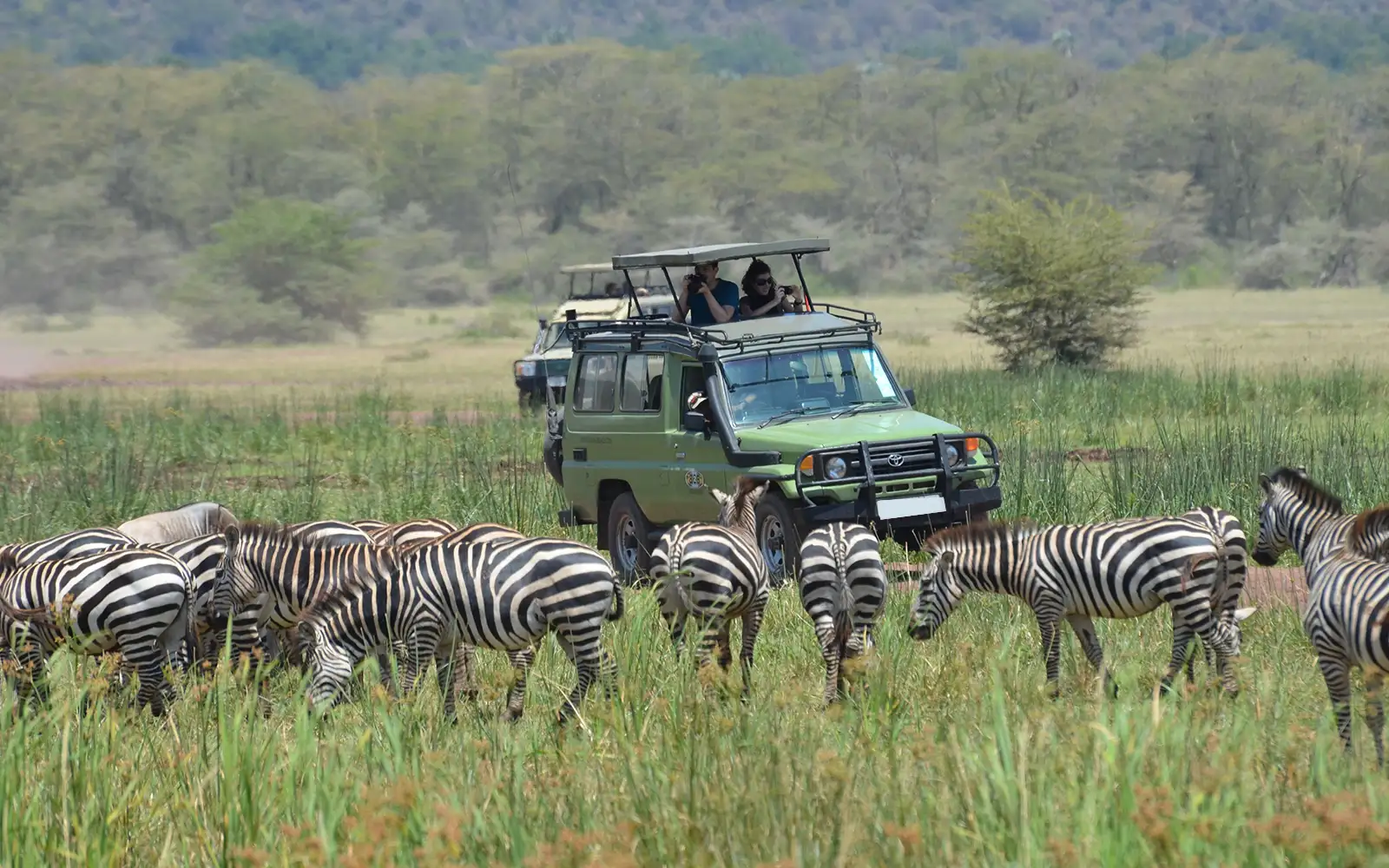
Game Drives

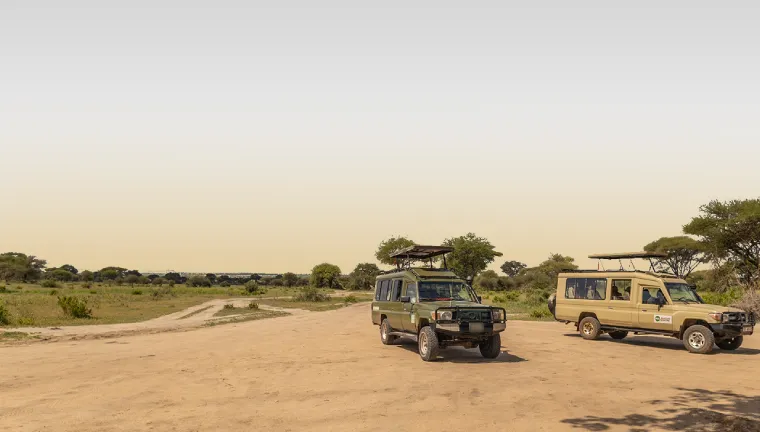
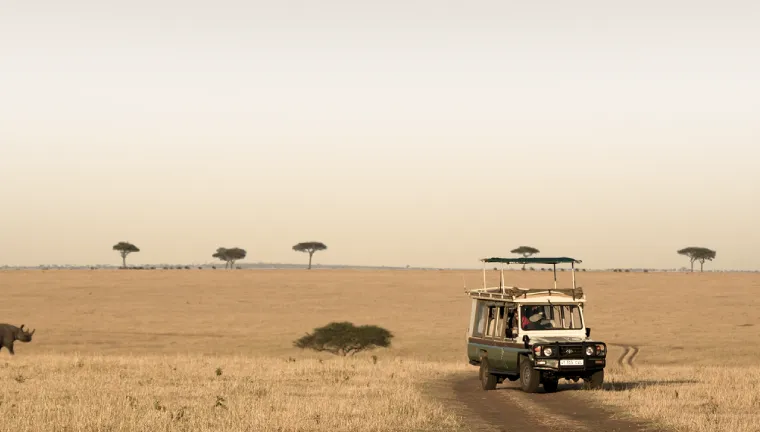
Drive forest roads and tracks while watching elephants, baboons, and antelope.

Bird Watching

Bird Watching

Look along the lake and trees for flamingos, storks, pelicans, and hornbills.

Guided Walks

Guided Walks

Walk with a guide and notice tracks, insects, plants, and bird calls.

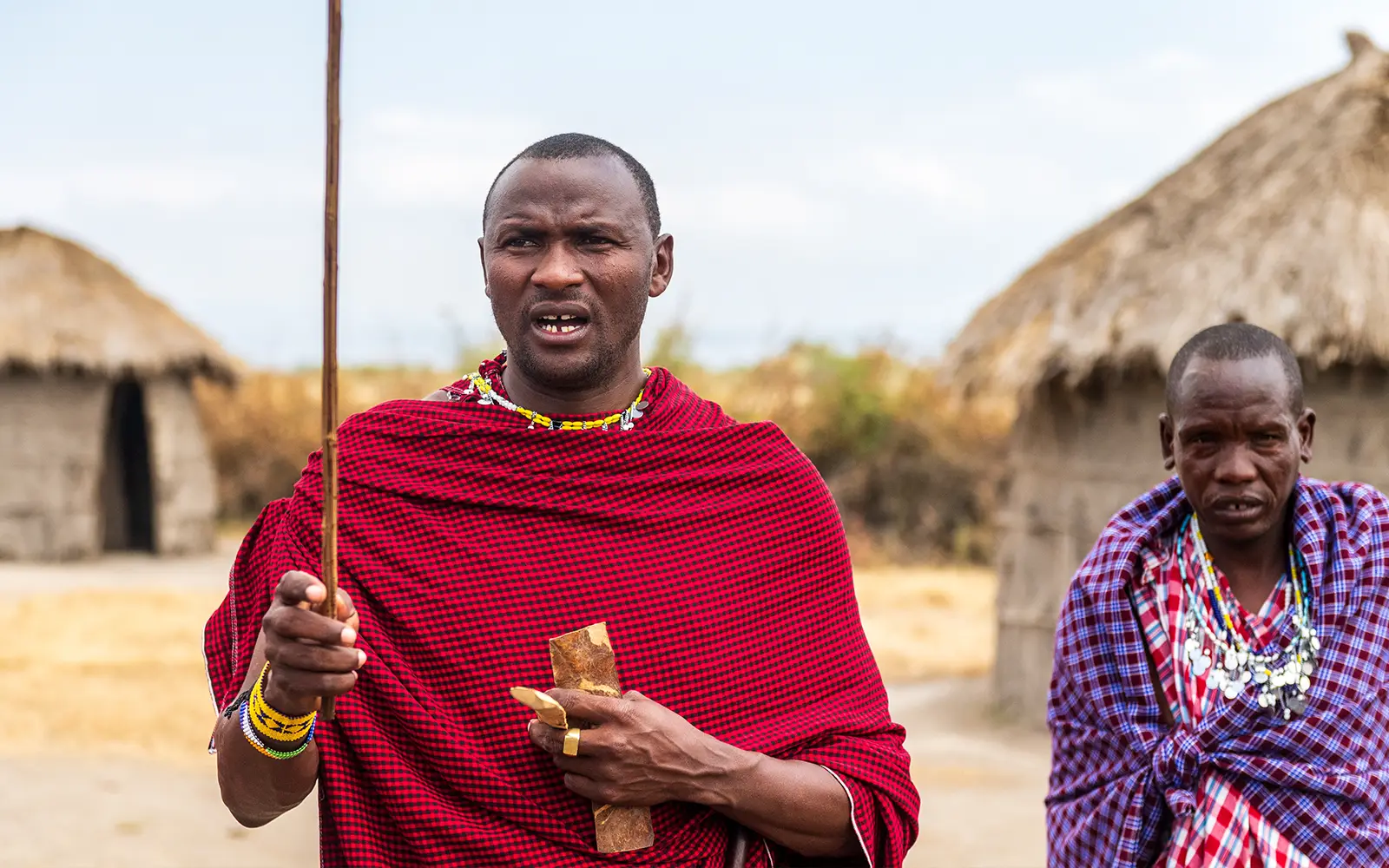
Cultural Visits

Cultural Visits

Meet nearby communities and learn how life continues beside safari routes.

Game Drives

Game Drives

Drive forest roads and tracks while watching elephants, baboons, and antelope.

Bird Watching

Bird Watching

Look along the lake and trees for flamingos, storks, pelicans, and hornbills.

Tanzania Travel Essentials

Your Trusted Guide for Every Safari Detail

Our travel guide is made to save you time. It points you to the best time, cost, safety aspects, and activities, while sharing tips only locals know. Your dream Tanzania trip starts with the right information, and we’ve put it all together for you, so planning feels clearer, easier, and far less overwhelming from the very beginning.

Lake Manyara FAQs

Quick Travel Answers

Visiting Lake Manyara National Park usually raises practical questions. People want to know how long to stay, when to go, what makes the park special, and how it fits into a wider safari route. These answers cover the basics clearly, so planning feels easier and you are less likely to misjudge the stop there.

One day is usually enough. If you want to take it more slowly or add nearby visits, staying another day helps.

It’s the mix. Forest, lake, escarpment; all attractions are close together. And then the wildlife that fits into that space.

There’s a chance to spot tree-climbing lions, but it’s not something you should expect. Maybe one in four visits, sometimes less.

It can be, especially in peak season near the northern section. But move further in, and it settles down.

Yes. It’s smaller, but it adds something different to the overall trip. A change in feel.

Elephants, baboons, lions, giraffes, hippos, and a lot of birds. The birdlife alone can take up your whole attention.

Guestbook Moments

Real Stories from Safari Guests

A good safari often lives on through the words guests bring back. Here, Bestday Safaris travelers share notes on the people, pace, small comforts, wildlife moments, and honest care that became part of their journey. Their reviews help future travelers see beyond the itinerary and understand how each safari feels on the ground.

Excellent

4.9 out of 5

753 Reviews

Start planning your safari. Get matched with a local adventure specialist.

David David
Jackson Mollel Jackson Mollel
Stephen Stephen
Faraj Faraj
Abel Abel

Call us, we're available 24/7

+255 767 130 448 Make an Enquiry