
Best time to visit Ruaha National Park
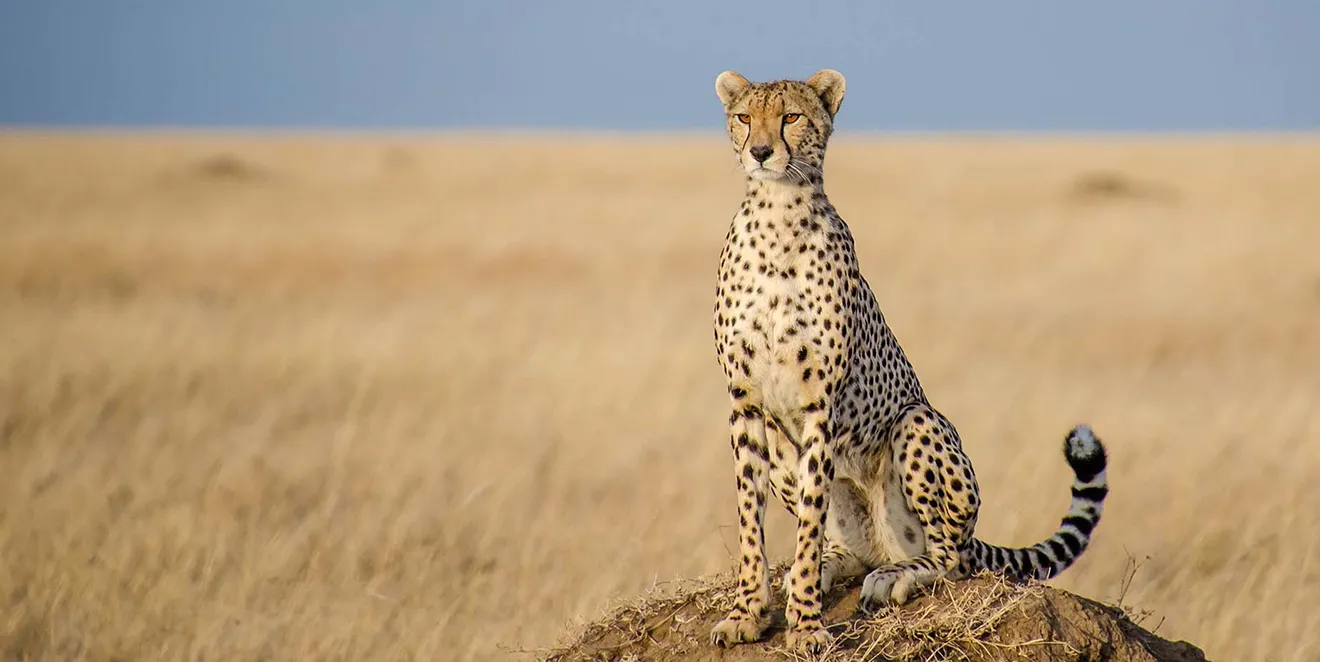
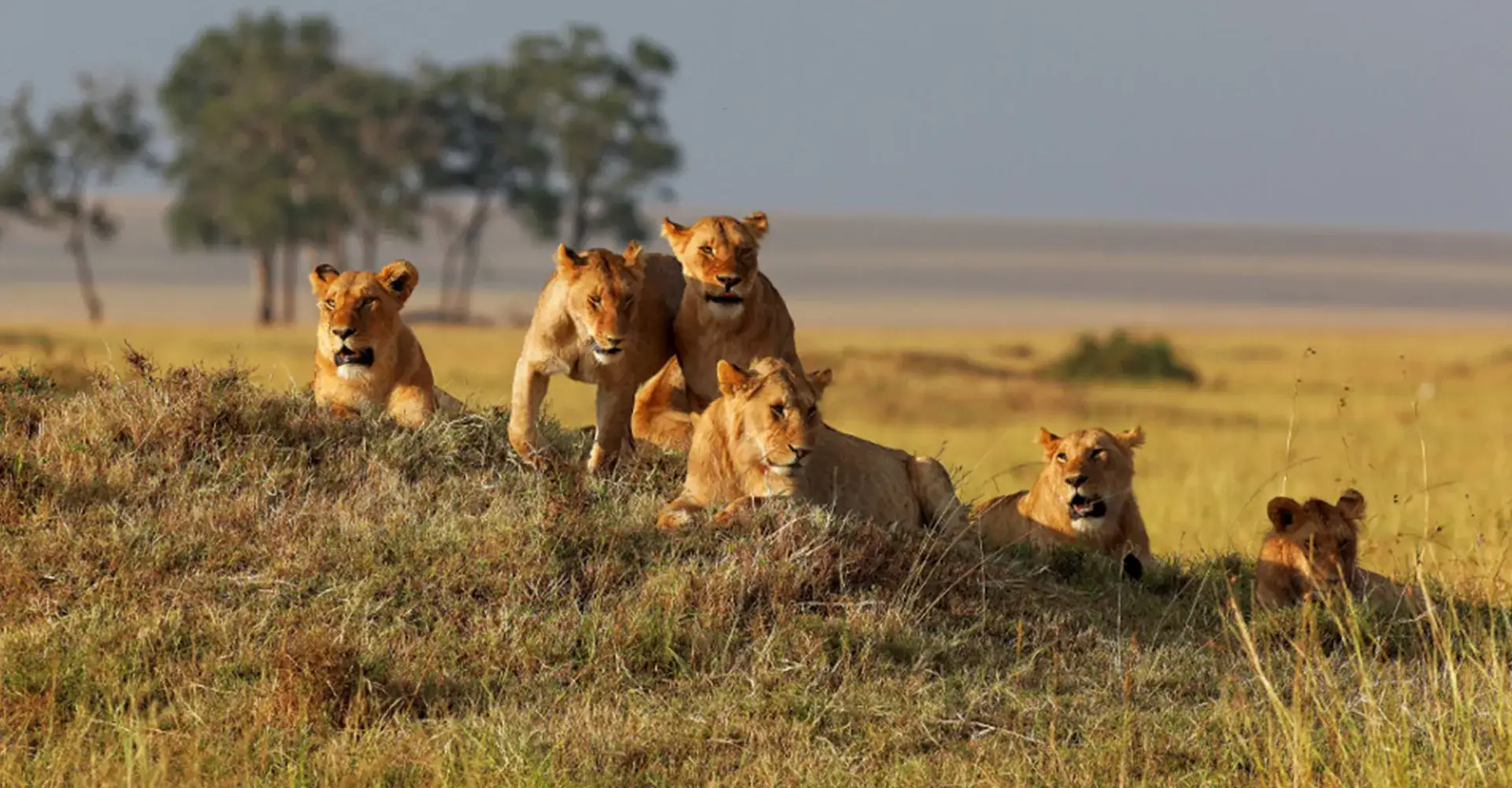
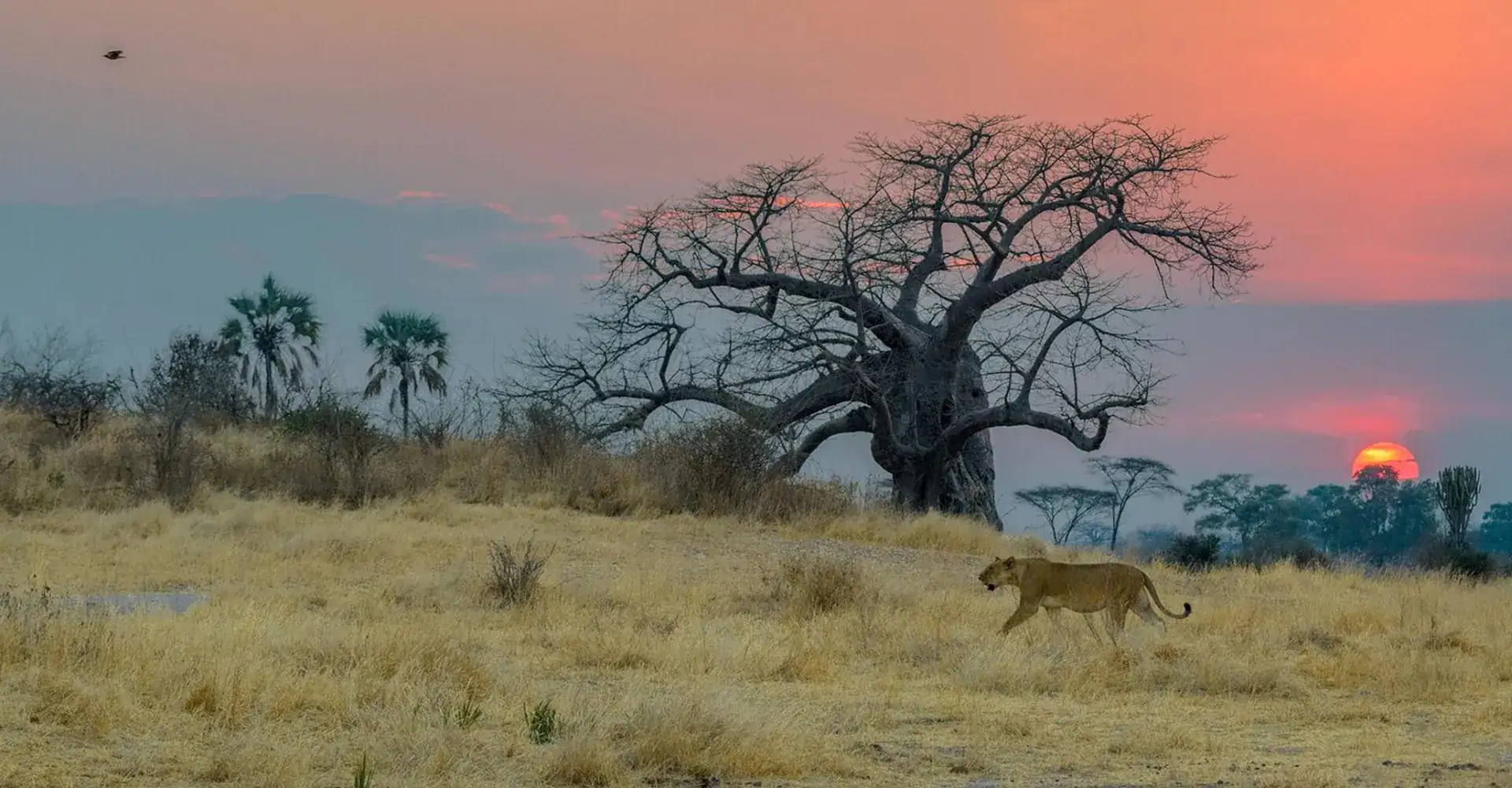
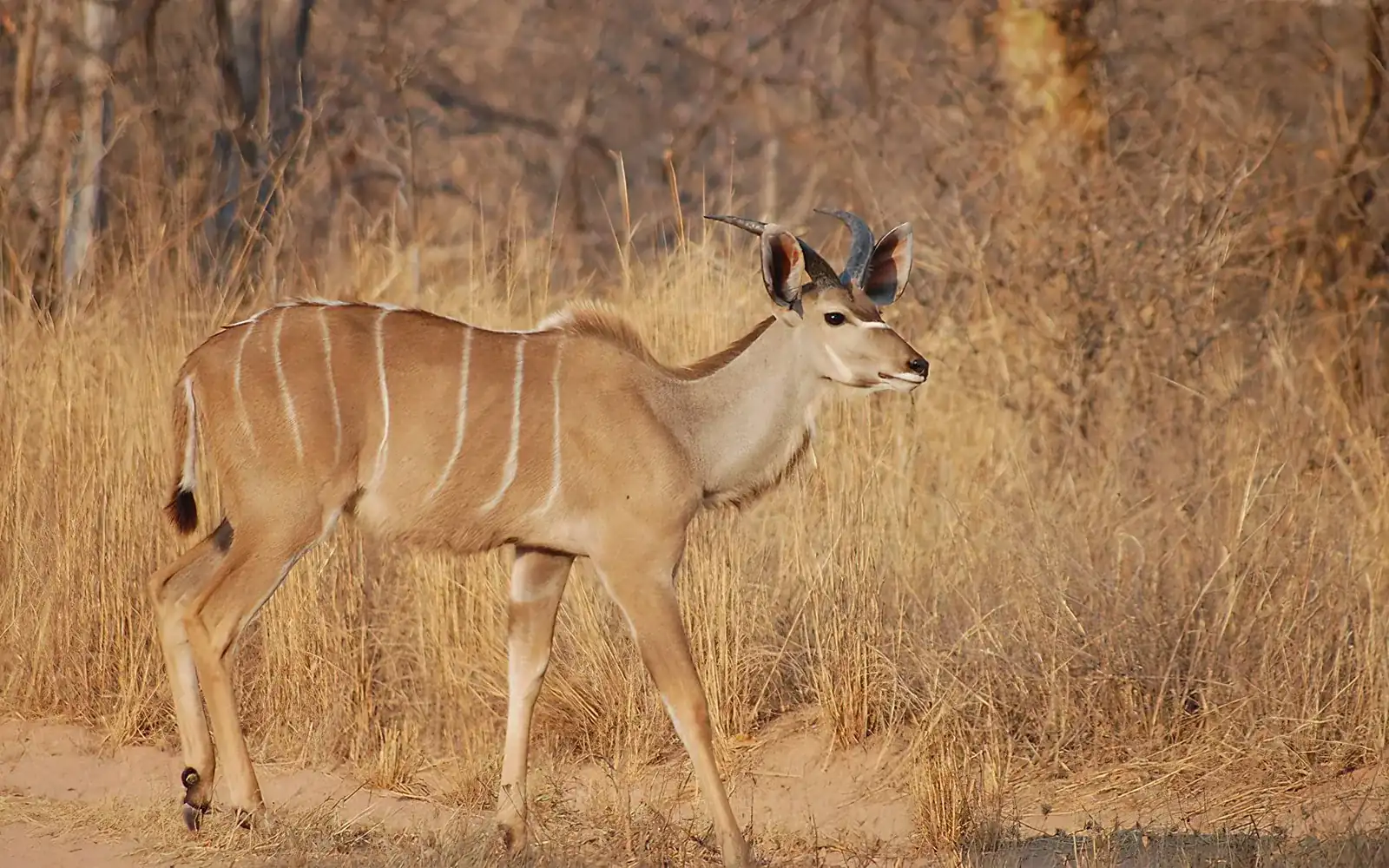
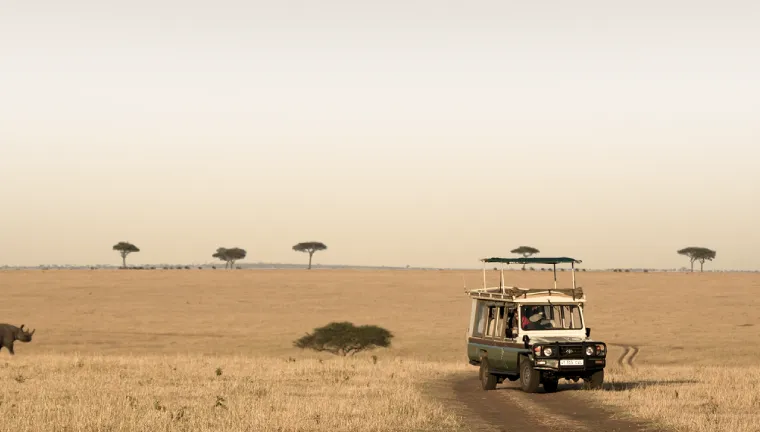
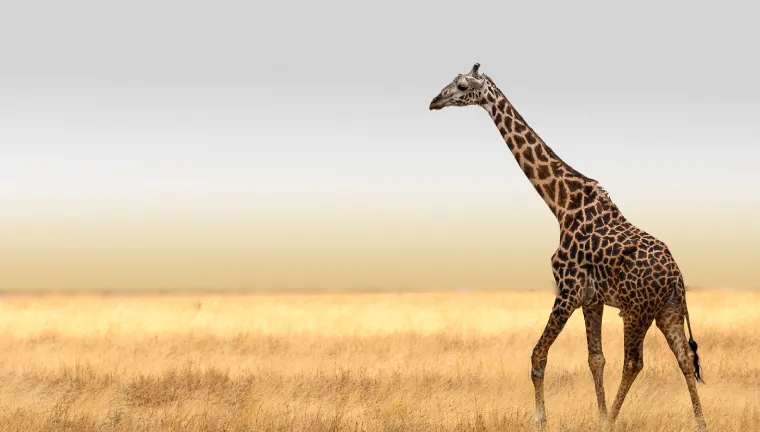
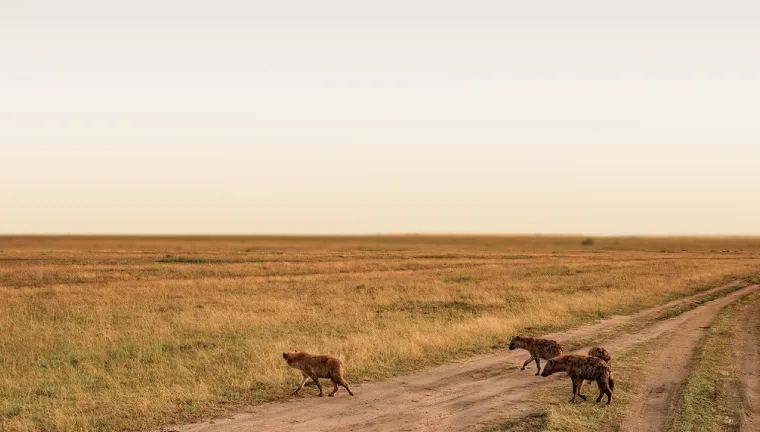
Ruaha National Park is best visited in the dry season, which gives it the name "dry-season park". Mid-May to December is the best time to see large mammals and predators. With water resources becoming scarce towards the end of the dry season, animals gather around water sources that offer unbeatable game-viewing opportunities. Between January and April, the park receives rain, which completely changes the landscape. The bush turns green, birdlife increases, and migratory species arrive. However, wildlife spreads out due to water availability, making sightings less concentrated. Travel during the wet months feels quieter and more remote, but game viewing requires more patience than during the dry period.
Ruaha in the Dry Season
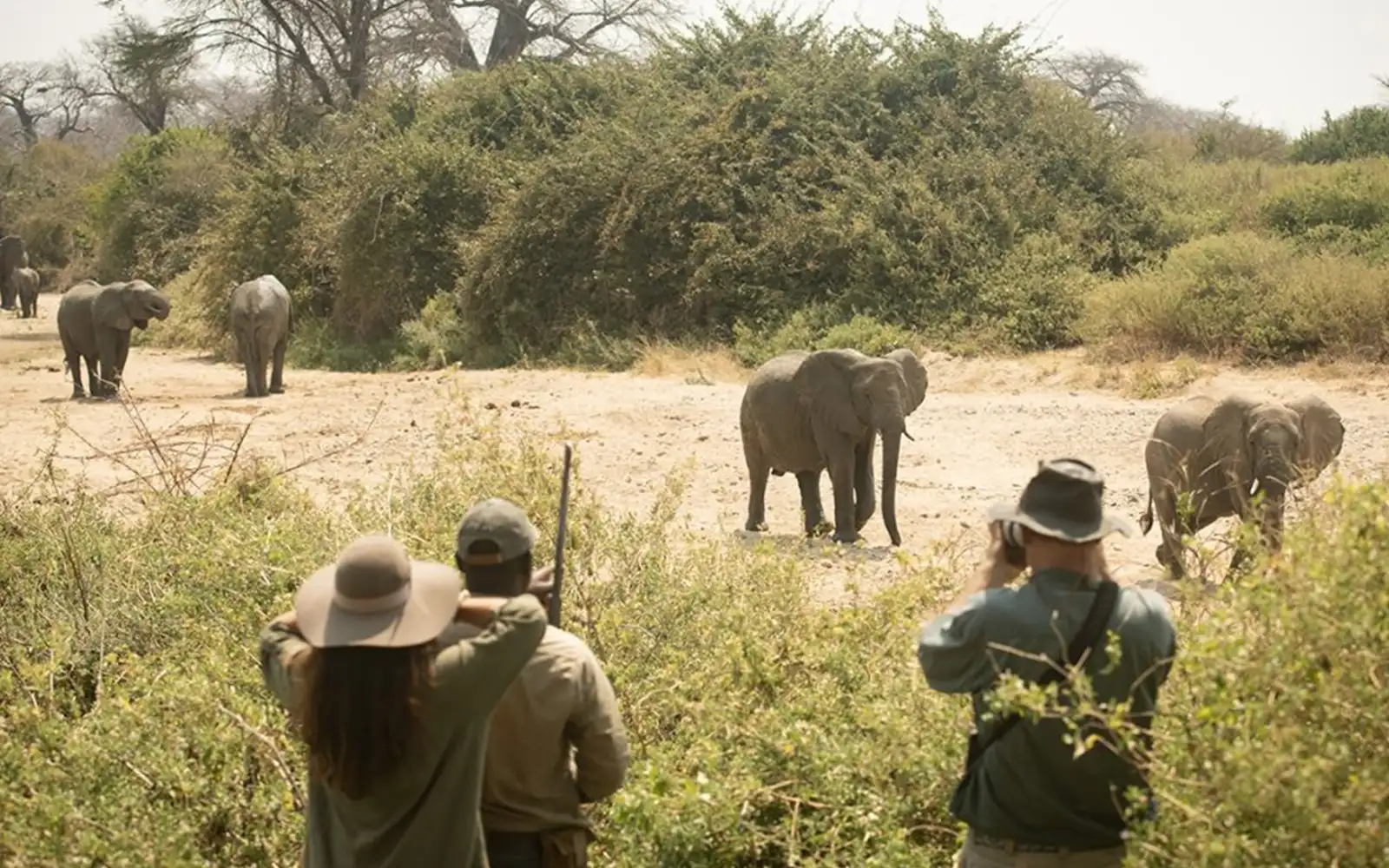
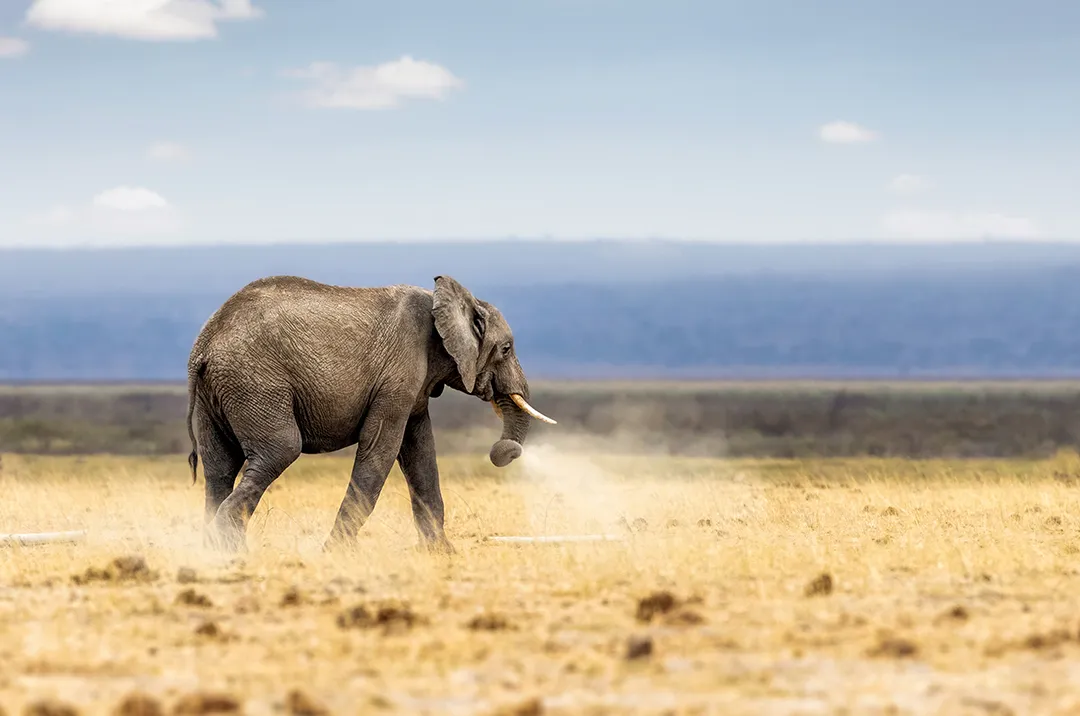
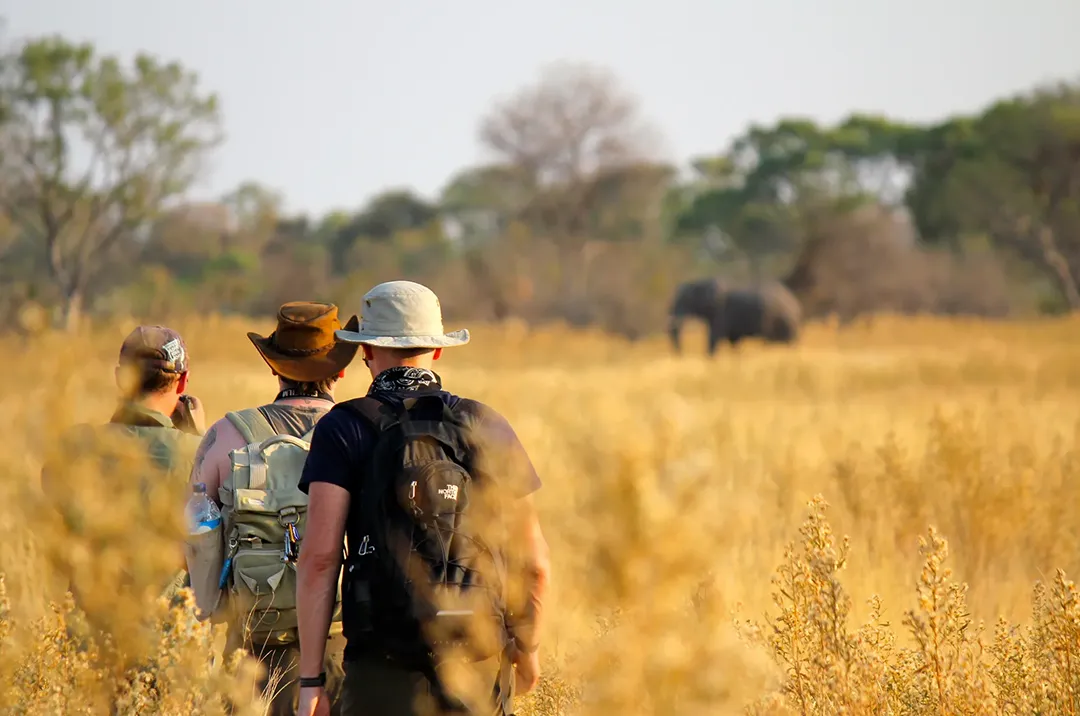
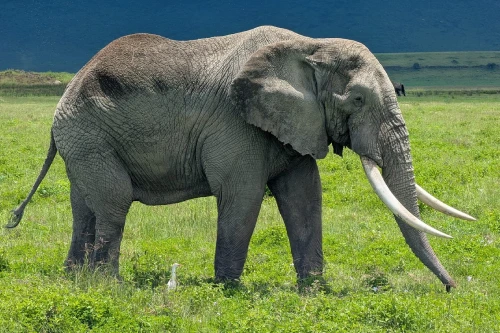
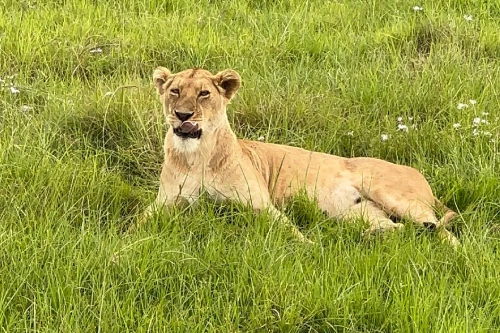
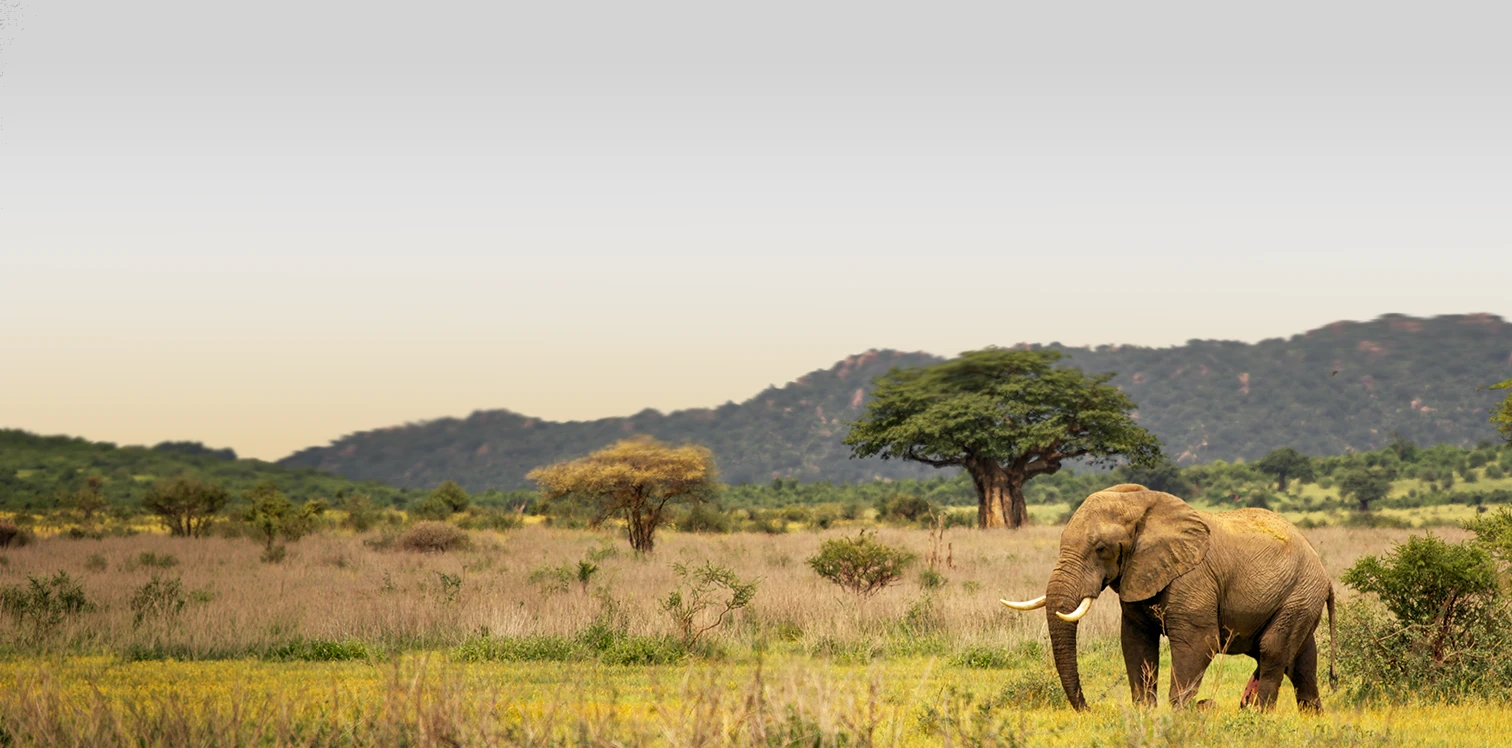
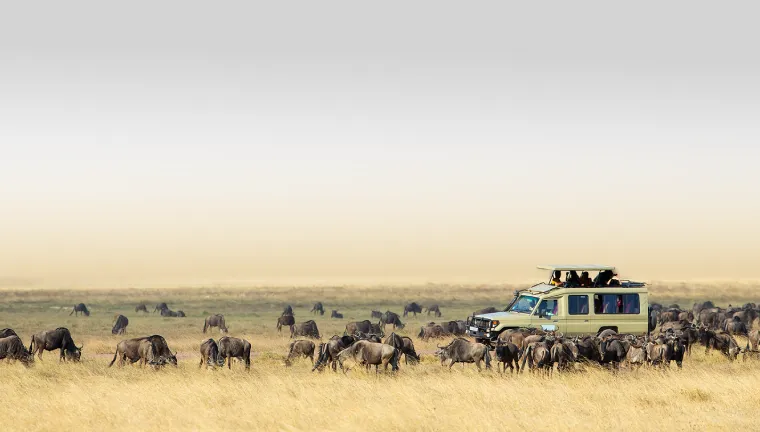
The dry season runs from mid-May through December and remains the best period for wildlife viewing in Ruaha. Water becomes limited, and animals move closer to permanent rivers and springs. This creates strong concentrations of elephants, buffaloes, and predators, especially towards the later months.
Highlights
- Wildlife gathers near water sources, making sightings more predictable and frequent
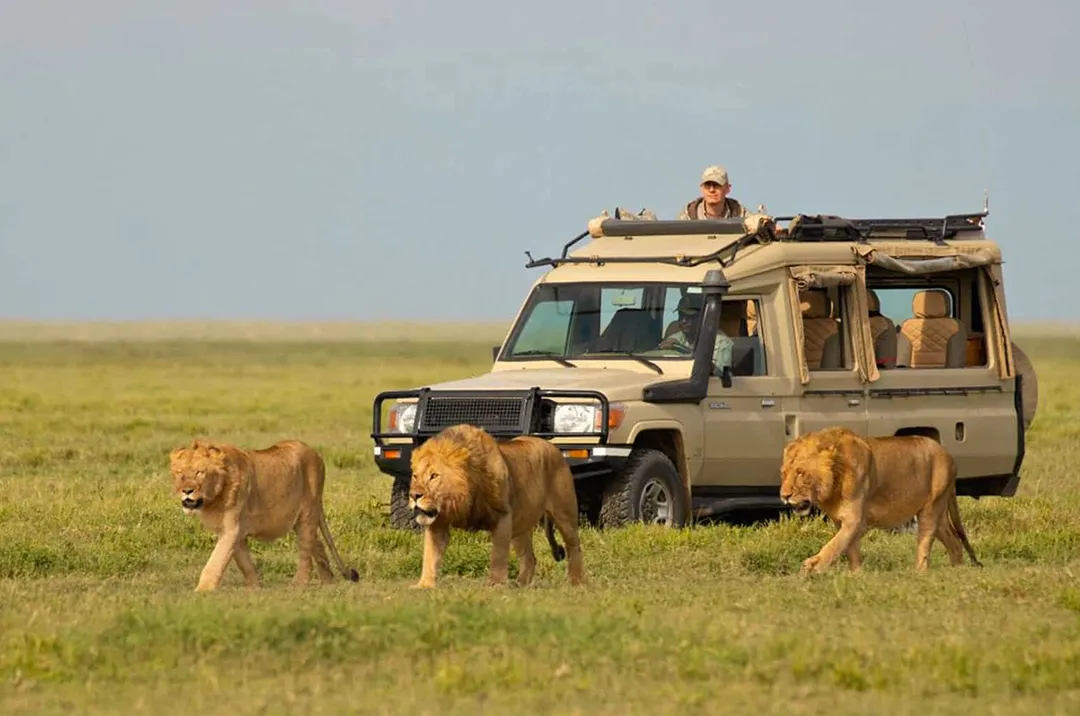
- Predator activity increases around riverbanks where prey animals concentrate daily
- Vegetation thins out, improving visibility across open plains and woodland areas
- Elephant herds become easier to track along dry river systems
- Road conditions remain stable, allowing easier access across wider park areas
Highlights
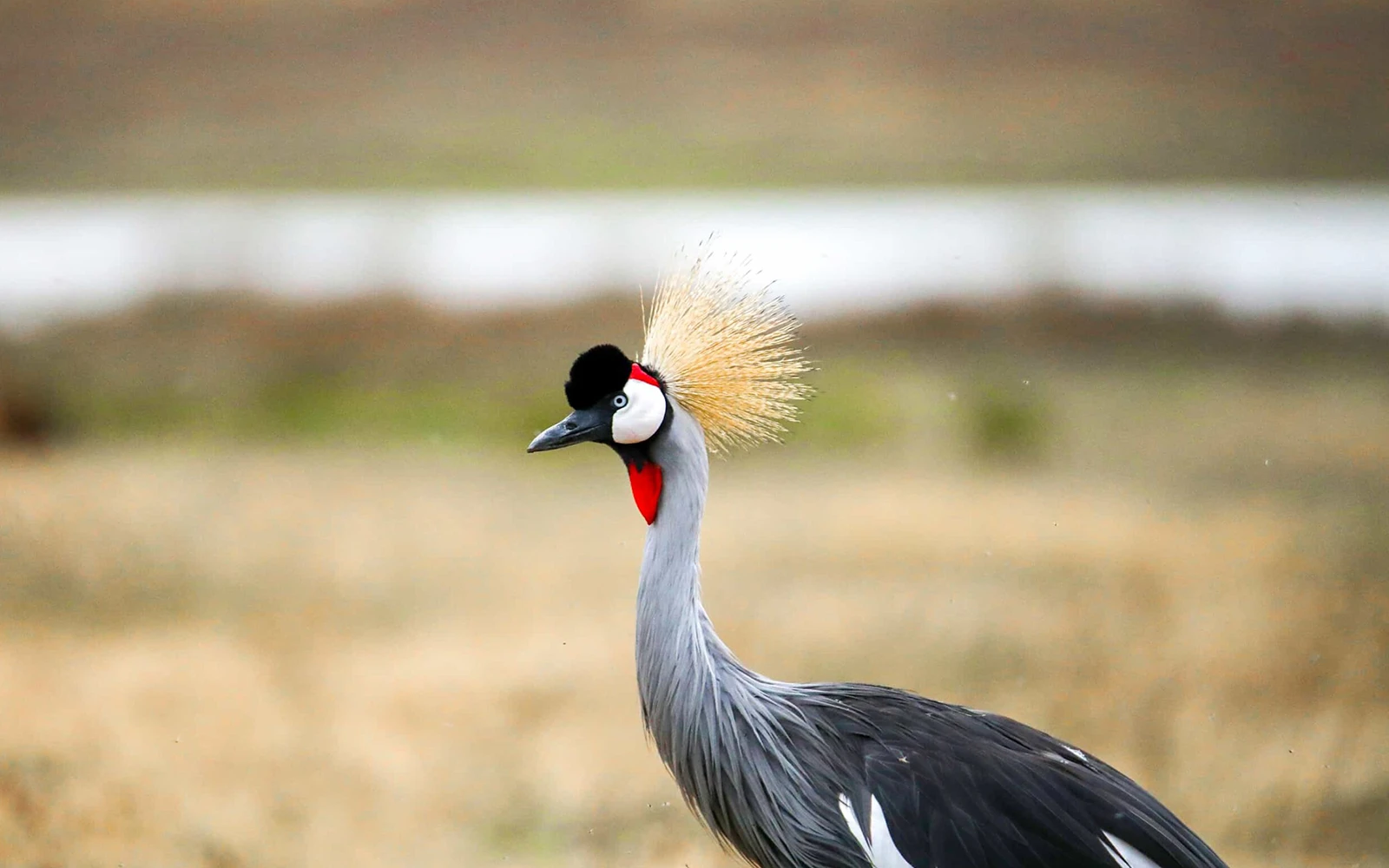
- Migratory birds arrive, creating strong birdwatching opportunities across different habitats
- Landscape turns green with fresh vegetation across woodland and open plains
- Fewer visitors create a more private and less crowded safari experience
- Wildlife disperses due to available water, making sightings less concentrated
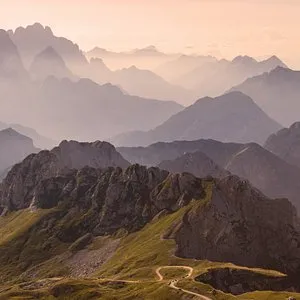
- Scenic views improve with clearer skies and greener surroundings after rainfall
Ruaha in the Wet Season
From January to April, rainfall transforms Ruaha into a greener landscape. The park feels more open and quieter, with fewer visitors. Birdlife becomes a major highlight as migratory species arrive, though wildlife spreads out due to increased water availability across the park.