Bestday Safaris

About Ngorongoro

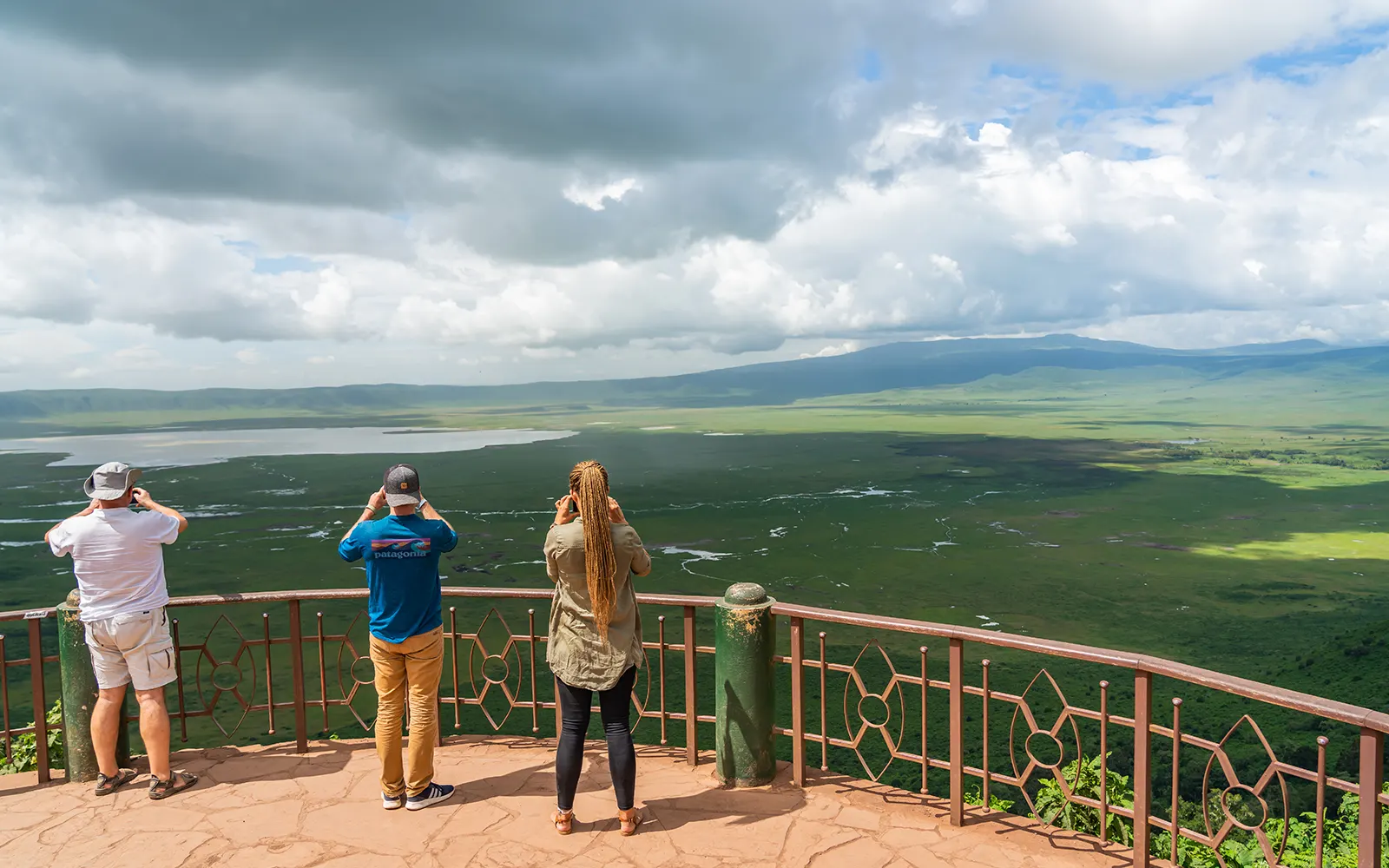
Ngorongoro Crater lies in northeastern Tanzania and is the world’s largest unflooded caldera. It stretches across about 100 square miles of grassland, wetland, and forest, all enclosed by steep walls rising roughly 600 meters. Formed around three million years ago, the crater is now a UNESCO World Heritage Site and one of the most important stops on a Tanzania safari.

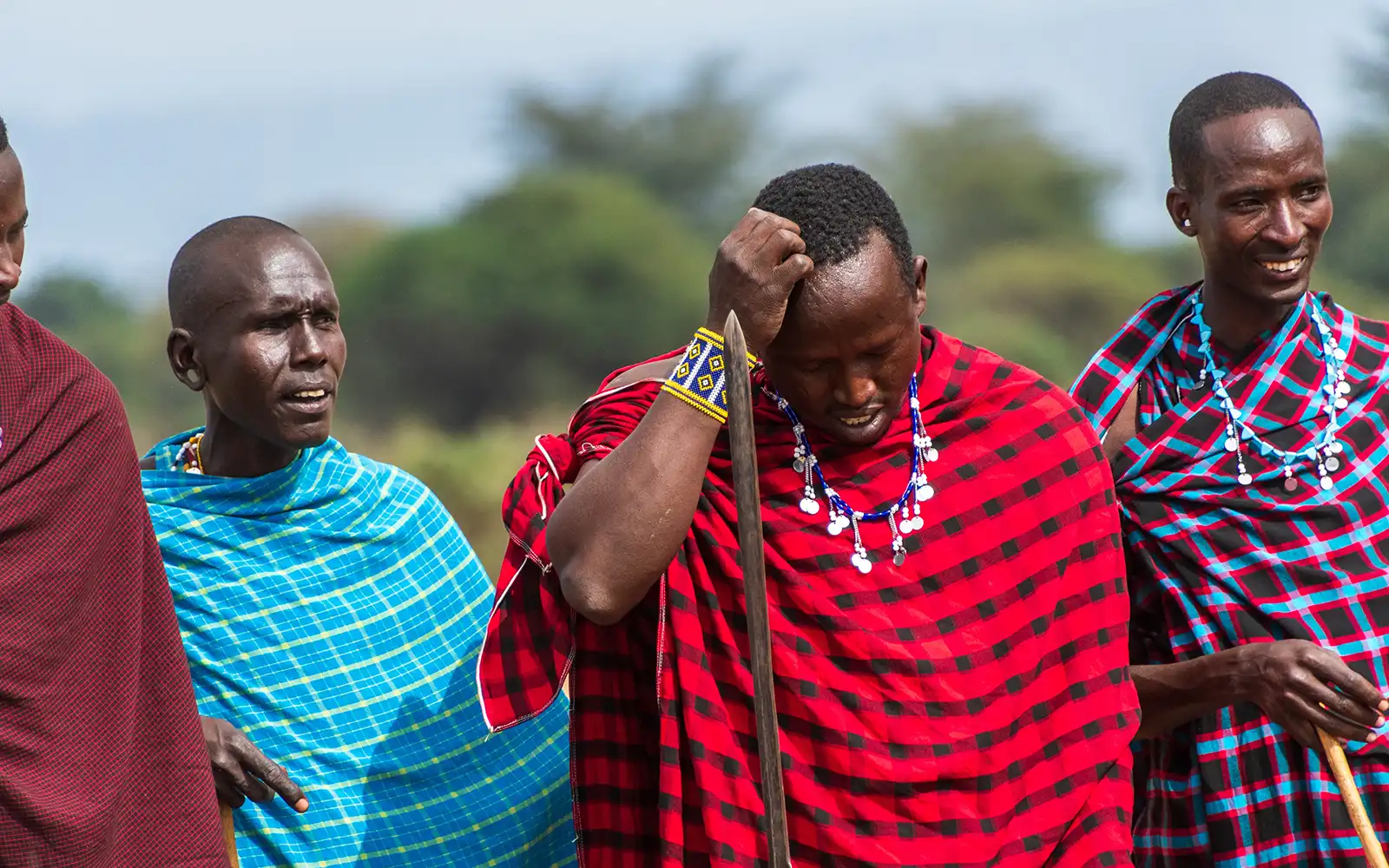
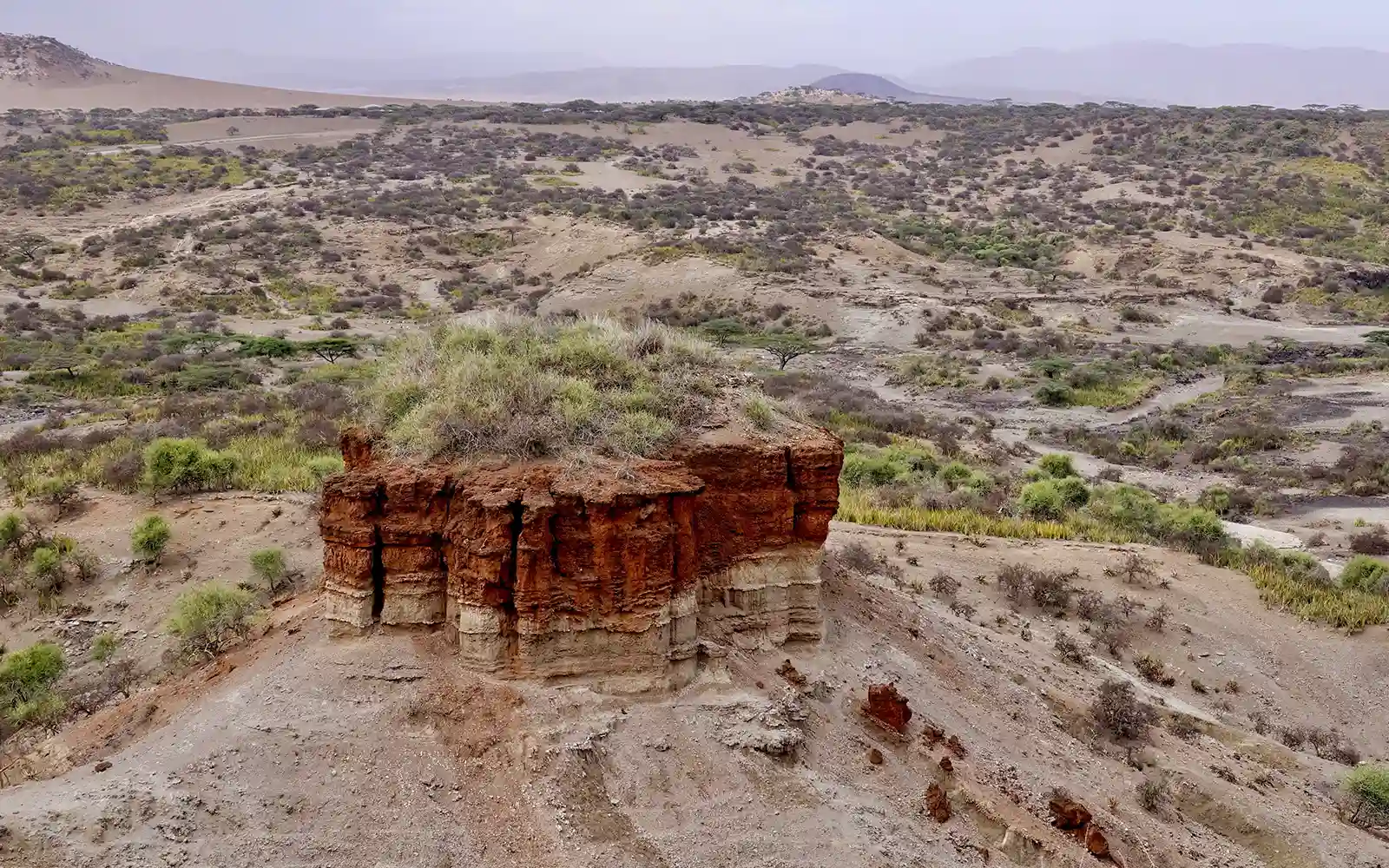
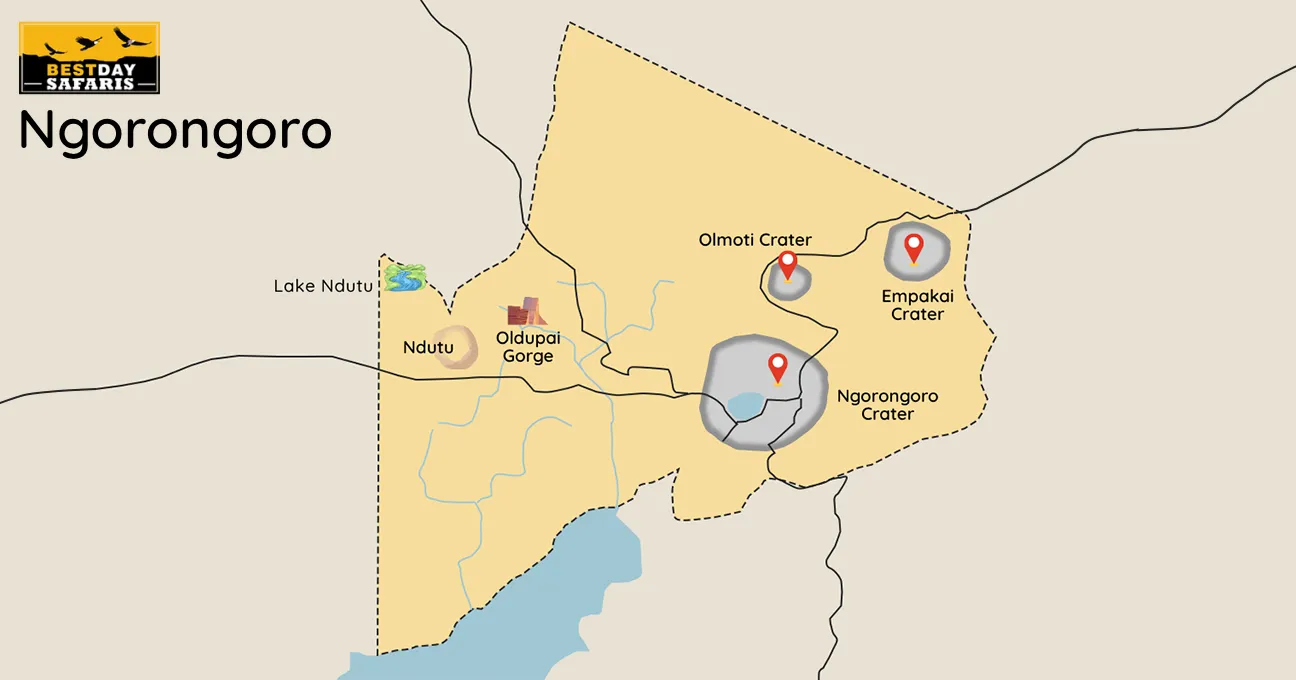
A Ngorongoro Crater safari takes you into a natural basin where wildlife lives in unusually high numbers within a compact area. The crater is part of the wider Ngorongoro Conservation Area, which also includes Olmoti, Empakaai, and nearby Olduvai Gorge. Maasai communities still live around this protected landscape and continue grazing livestock on the surrounding grasslands under a long-standing pattern of shared land use.

Vast Caldera

The world’s largest unflooded caldera is enclosed by steep crater walls and varied habitats.

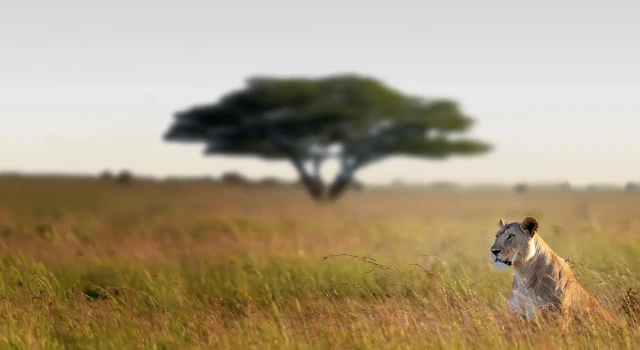
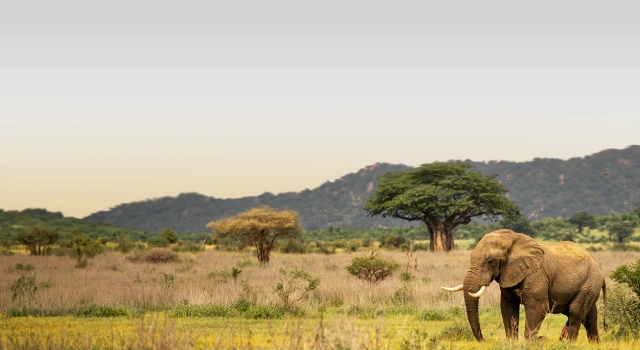
Wildlife Density

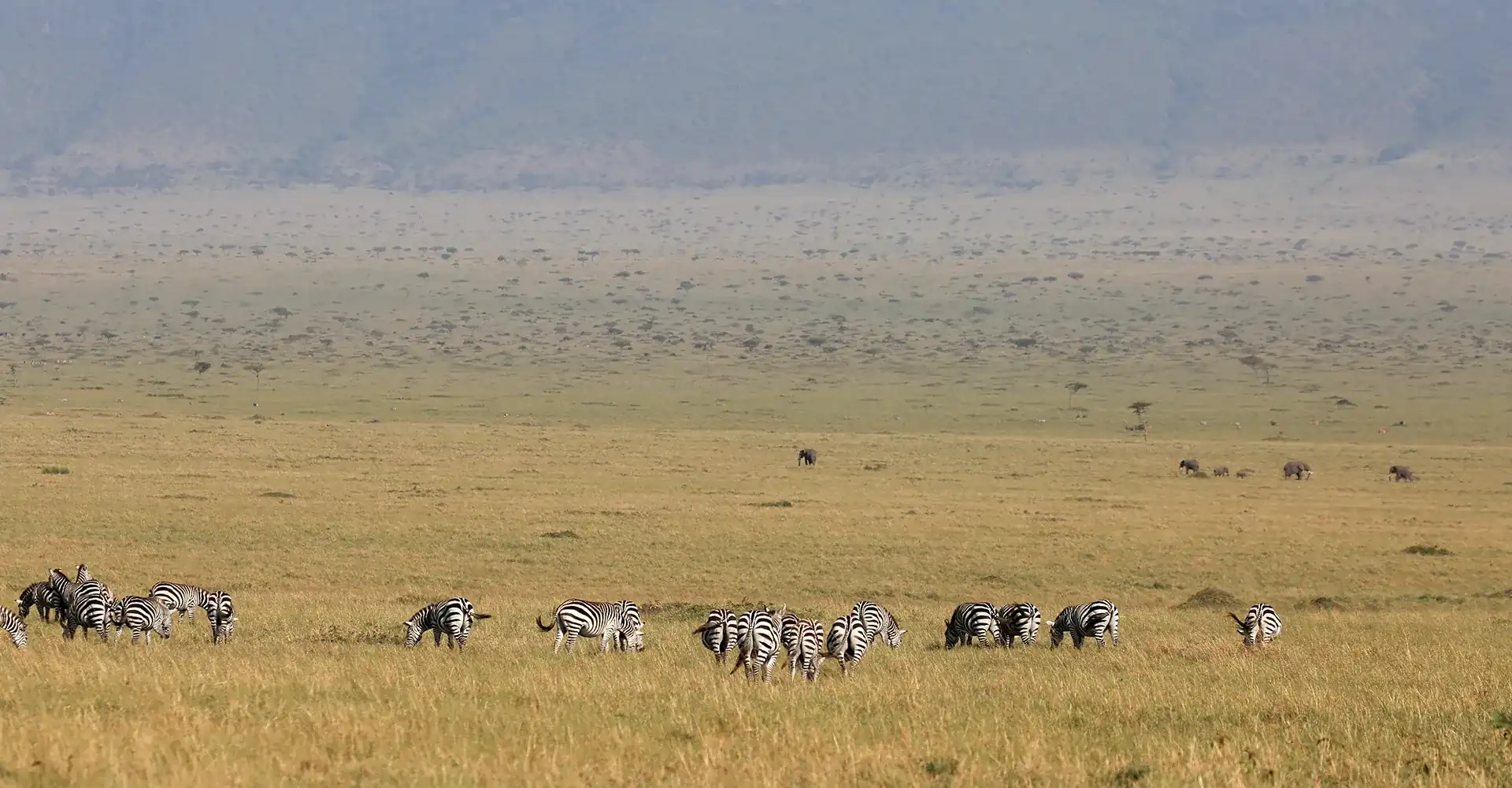
High wildlife concentration keeps sightings steady across most parts of the crater.

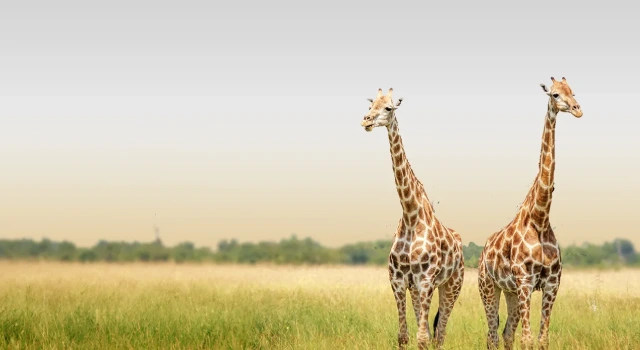
Big Five

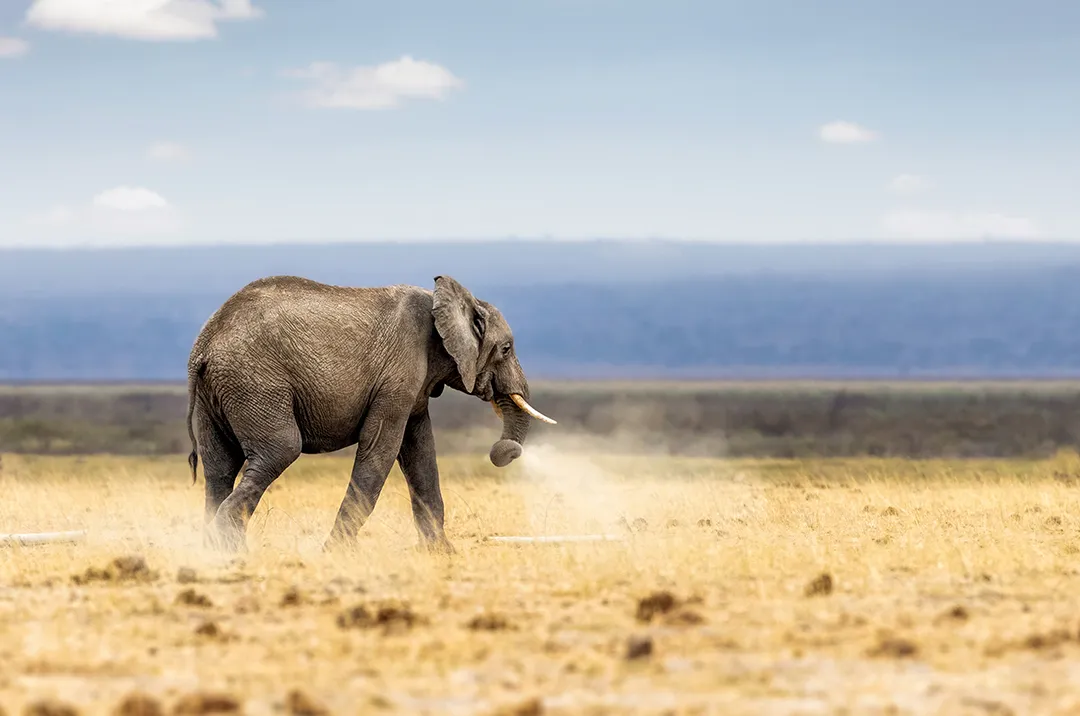
All Big Five live here, including rare chances to see black rhino.

Cultural Presence

Maasai communities still graze livestock around crater edges within shared conservation land.

Ngorongoro Crater Map

Plan Your Safari

Pick the right time, route, and camp based on how you want to travel.

Reach out if you want help putting together a Tanzania safari that actually works for your plan.

Best Time Guide

When to Visit Ngorongoro Crater

Season, rainfall, and crowd levels all affect how the crater feels and what you see there.

Month Jan Feb Mar Apr May Jun Jul Aug Sep Oct Nov Dec
Max Temperature (°C) 25 25 26 25 24 23 22 23 24 25 25 25
Min Temp (°C) 13 13 13 13 12 11 10 10 12 13 13 13
Rainfall (mm) 80 90 130 160 120 40 20 30 40 70 100 90

Best time to visit Ngorongoro Crater

Ngorongoro Crater is open year-round, so there is no bad month to visit. Wildlife stays on the crater floor in most seasons, which keeps game viewing strong. The dry season from June to October is the busiest because the grass is shorter, the roads are easier to travel, and animals gather near reliable water sources. That makes sightings simpler. The wet season runs from November to May and changes the feel of the crater. The landscape turns greener, birdlife increases, and there are fewer vehicles outside holiday periods. Lake Magadi can attract flamingos when water levels rise. January and February feel rewarding because the scenery stays fresh while visibility remains good. So the best time depends on whether you want easier sightings or quieter drives.

Dry Season in Ngorongoro Crater

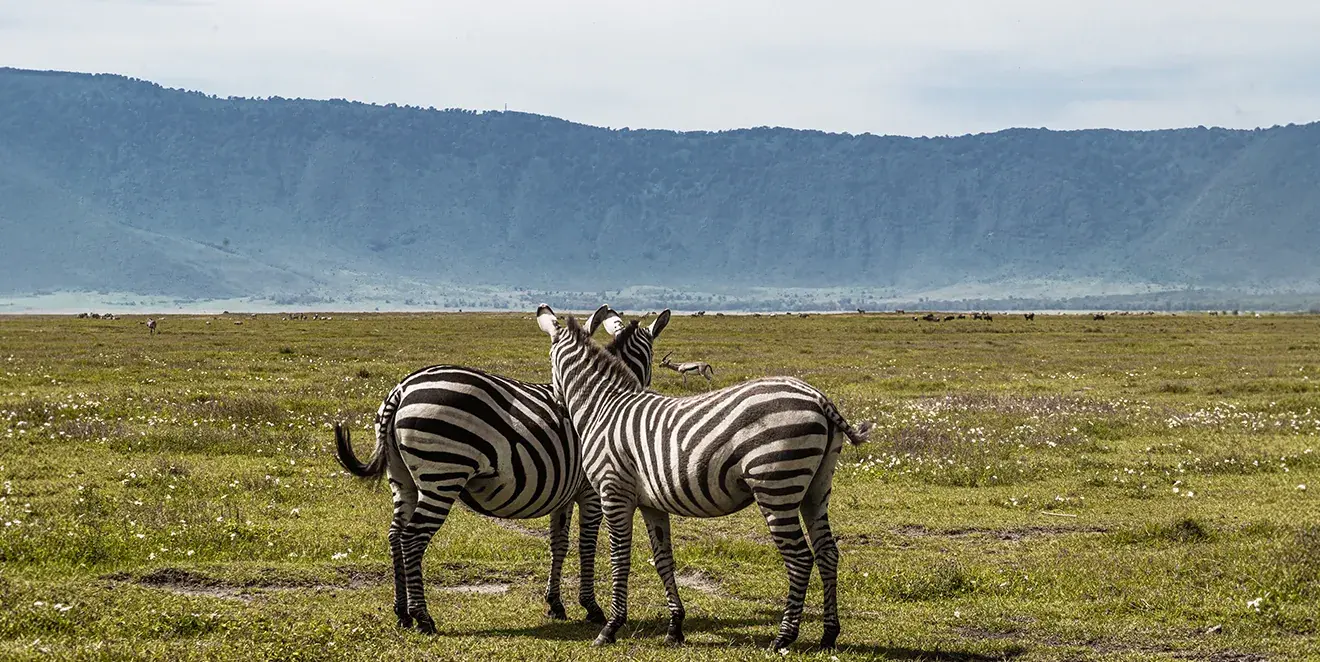
The dry season runs from June to October and is the busiest period for crater safaris. Grass becomes shorter, roads stay easier to use, and wildlife gathers more around springs, swamps, and other reliable water. That makes sightings steadier across the floor. It also means popular areas can feel busier, especially when several vehicles gather around one strong sighting nearby.

Highlights

  • Shorter grass improves visibility across wide sections of the crater floor
  • Wildlife gathers near permanent water and open feeding areas more often
  • Dry roads make game drives smoother and easier to manage daily
  • Animal sightings usually feel more consistent during these drier travel months
  • More visitors gather around popular routes and well-known wildlife areas

Highlights

  • Green scenery gives the crater floor a fresher and fuller look
  • Birdlife is a highlight around wetlands, lake edges, and marshy patches
  • Fewer vehicles can make game drives feel calmer in many weeks
  • January and February often balance green scenery with decent wildlife viewing
  • Long rains may affect roads and slow movement across crater sections

Wet Season in Ngorongoro Crater

The wet season runs from November to May and changes the crater quite a bit. The landscape turns greener, birdlife thrives, and there are often fewer vehicles, especially outside holiday weeks. January and February can feel good. Heavier rain usually falls from March into early May, which can slow some travel plans and road movement on the crater floor.

Traveling in Tanzania is one of the best decisions you can make because it offers a wide range of experiences. You see wildlife, move through very different landscapes, come closer to local culture, and experience things that do not all feel the same. And that is really what stays with people for years to come.

Peter
CEO, Bestday Safaris
Planning a trip to Tanzania
Ngorongoro Safari

Stay updated with our safari travel ideas

Get exclusive safari updates straight to your inbox!

Things To Do

Explore Ngorongoro

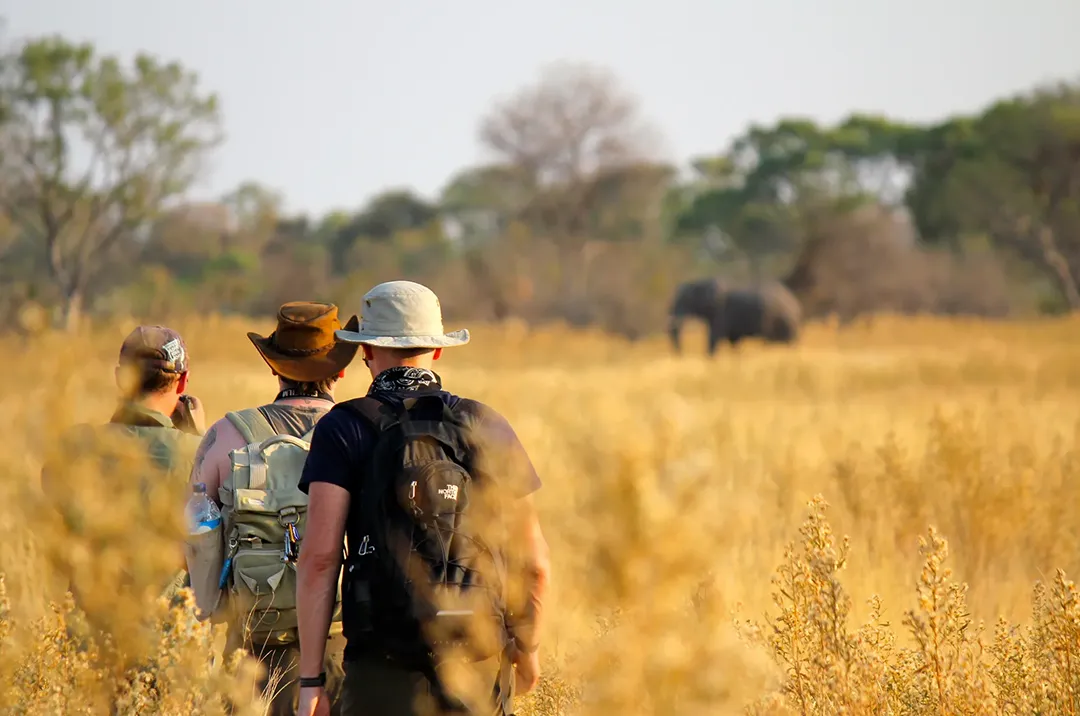
A visit to Ngorongoro is mostly about game drives, but there is more around it. You can explore nearby landscapes, spend time in Maasai communities, or visit Olduvai Gorge. The area feels varied in a quiet way, and even small moments, like stopping near a water source, stay with you longer than expected.

Game Drives

Game Drives

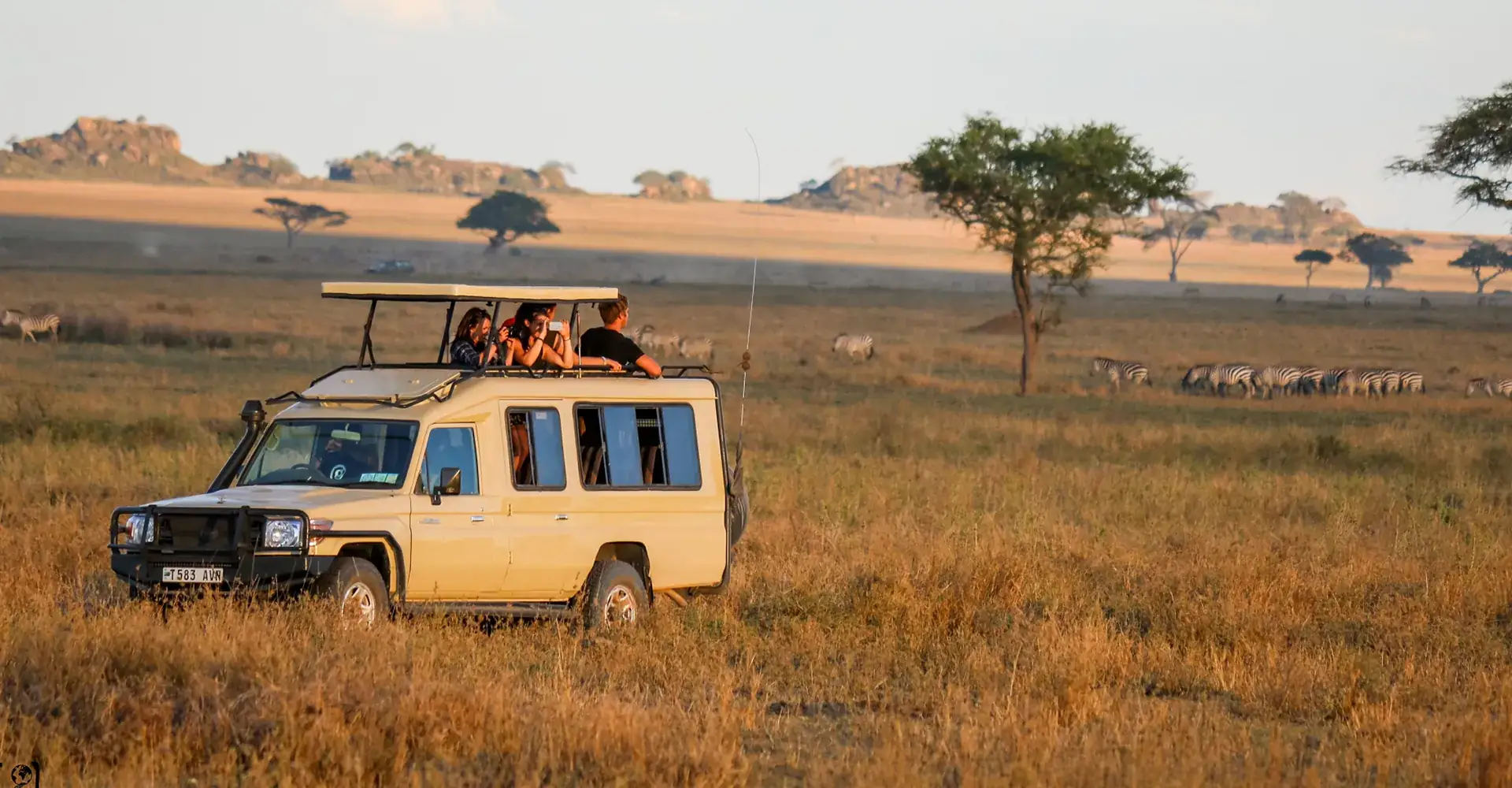
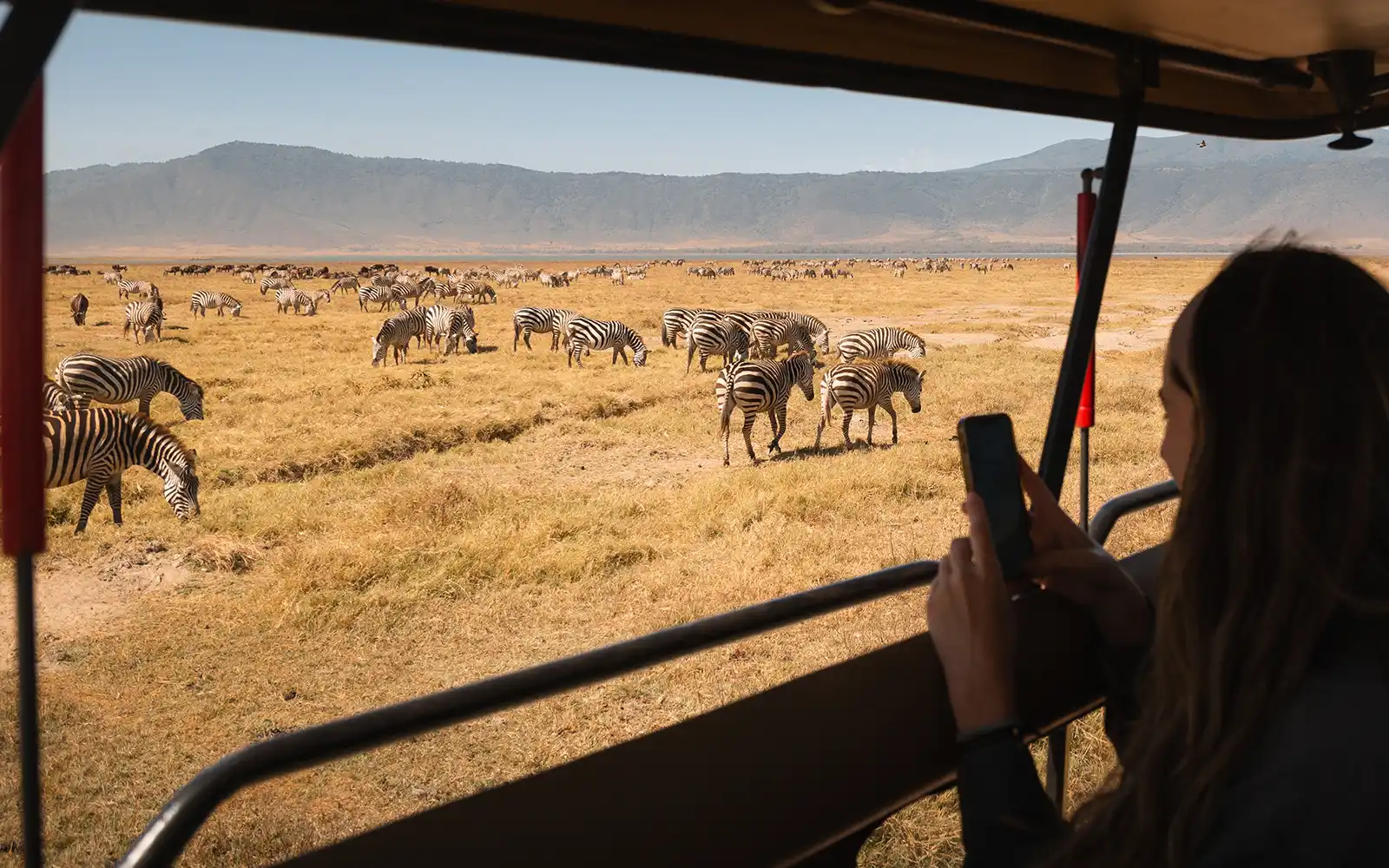
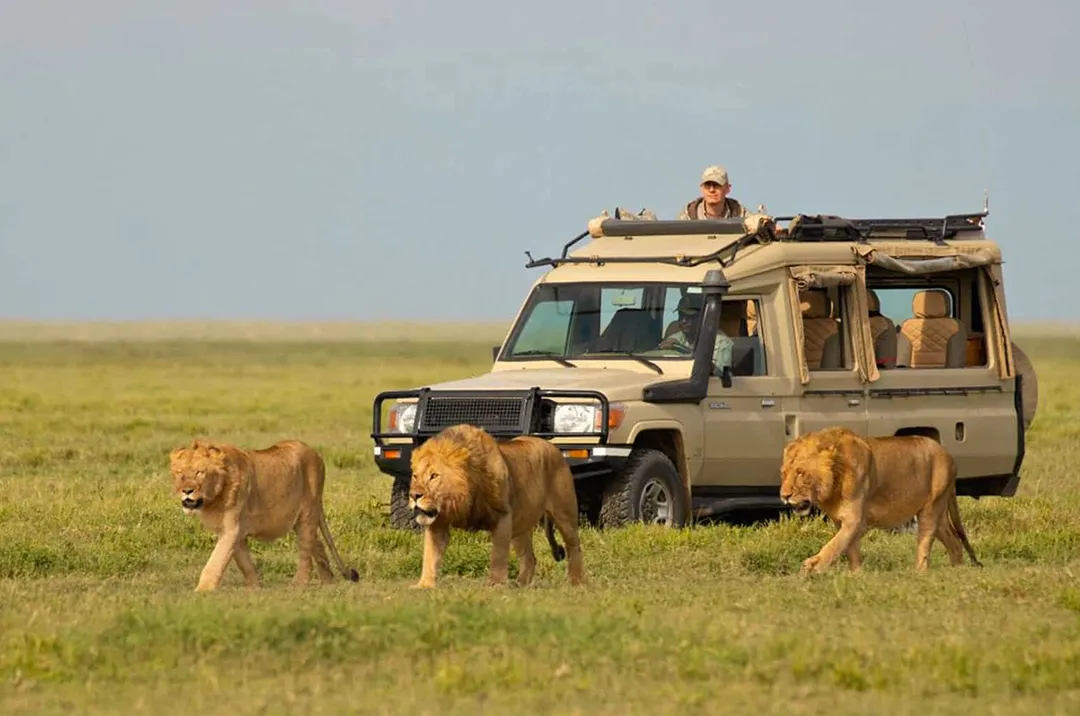
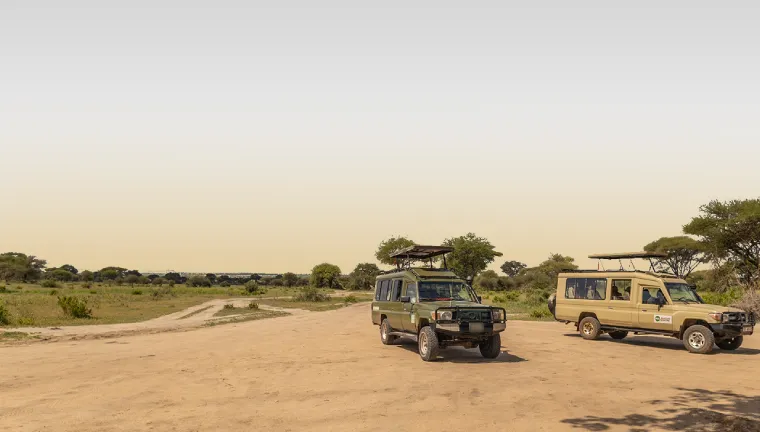
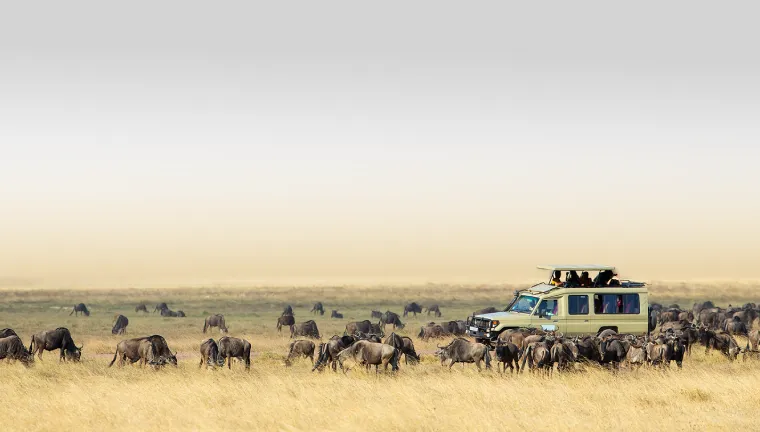
Drive across the crater floor, spotting wildlife in close and open conditions

Maasai Visits

Maasai Visits

Spend time with Maasai communities and learn about daily pastoral life

Olduvai Gorge

Olduvai Gorge

Visit an important archaeological site where early human history was discovered

Lake Magadi

Lake Magadi

See flamingos gather when water levels rise across the shallow crater lake

Game Drives

Game Drives

Drive across the crater floor, spotting wildlife in close and open conditions

Maasai Visits

Maasai Visits

Spend time with Maasai communities and learn about daily pastoral life

Tanzania Travel Essentials

Your Trusted Guide for Every Safari Detail

Our travel guide is made to save you time. It points you to the best time, cost, safety aspects, and activities, while sharing tips only locals know. Your dream Tanzania trip starts with the right information, and we’ve put it all together for you, so planning feels clearer, easier, and far less overwhelming from the very beginning.

Ngorongoro FAQs

Quick travel answers

Planning a Ngorongoro Safari trip brings many small questions, from timing to routes and packing. It helps you understand what really matters before you travel, so decisions feel easier and more practical instead of confusing or overwhelming at the start.

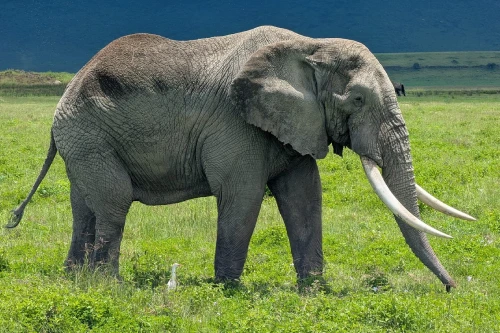
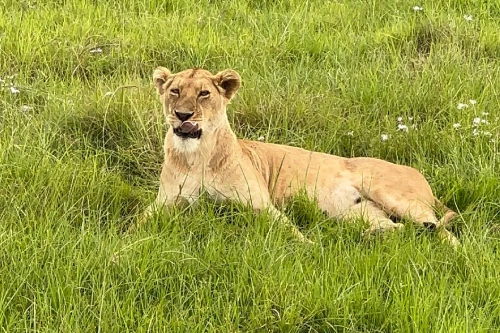
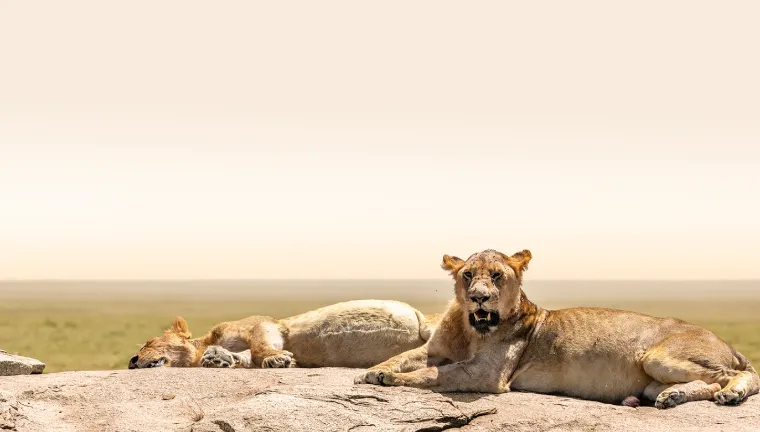
It’s the animal density. You don’t spend hours searching and hoping. Animals are just there. Lions resting in the grass, buffalo blocking your path, elephants moving slowly in the distance. And then, sometimes, a rhino if you’re lucky. It feels full in a way that’s hard to explain until you’re inside.

A long time ago, a huge volcano erupted and then collapsed inward. What you see today is what remained after that collapse. You’re basically driving across the floor of an ancient volcano, even if it doesn’t feel like it at first.

They can, but most don’t. The walls are steep, and there’s no real need to leave. Food and water are available inside, so animals stay. Generations have lived their entire lives within the crater.
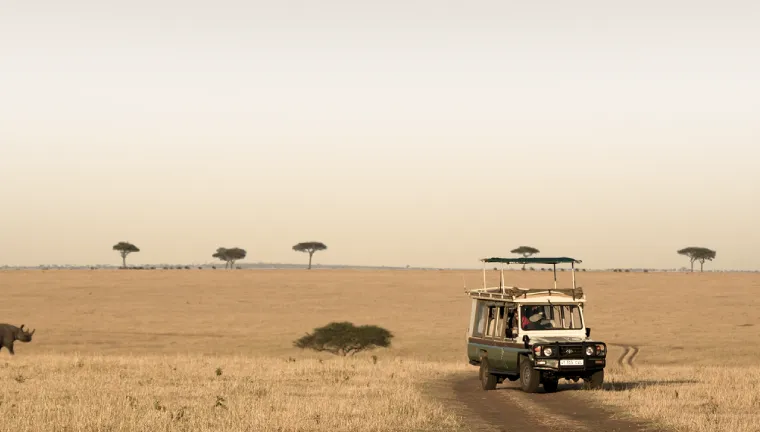
Around 26. That number might sound small, but for black rhinos, it’s meaningful. Seeing one here is far more likely than in many other parts of East Africa.

Any time works, really. But specific great times correspond to the Best Time to Visit Tanzania. Dry months make sightings easier. Wet months feel greener and quieter. It comes down to what kind of experience you want.

One full day is enough. You can cover different sections without rushing. Most people include Ngorongoro as part of a wider Tanzania Safari itinerary alongside places like the Serengeti, Tarangire, or Lake Manyara. But even if the crater is the only stop, one well-spent day there doesn't leave you feeling shortchanged.

Guestbook Moments

Real Stories from Safari Guests

A good safari often lives on through the words guests bring back. Here, Bestday Safaris travelers share notes on the people, pace, small comforts, wildlife moments, and honest care that became part of their journey. Their reviews help future travelers see beyond the itinerary and understand how each safari feels on the ground.

Excellent

4.9 out of 5

753 Reviews

Start planning your safari. Get matched with a local adventure specialist.

David David
Jackson Mollel Jackson Mollel
Stephen Stephen
Faraj Faraj
Abel Abel

Call us, we're available 24/7

+255 767 130 448 Make an Enquiry