
Best time to visit Nyerere National Park
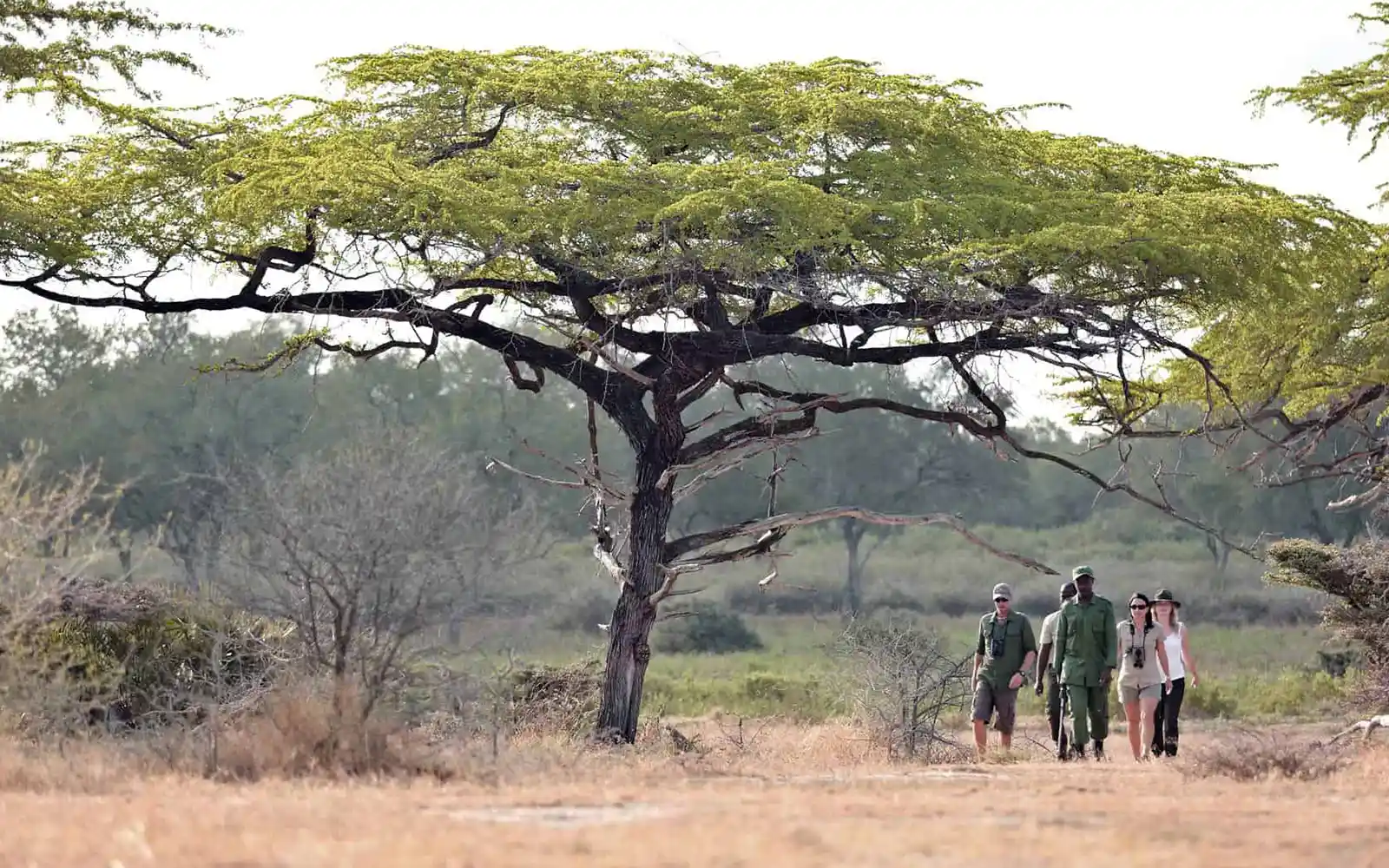
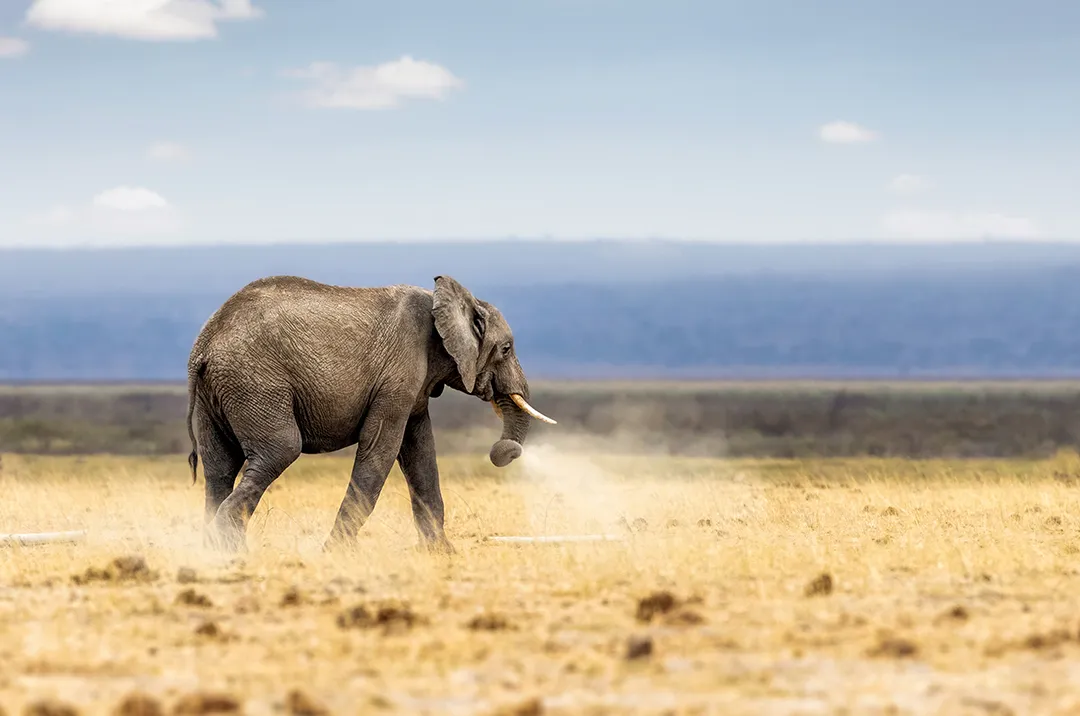
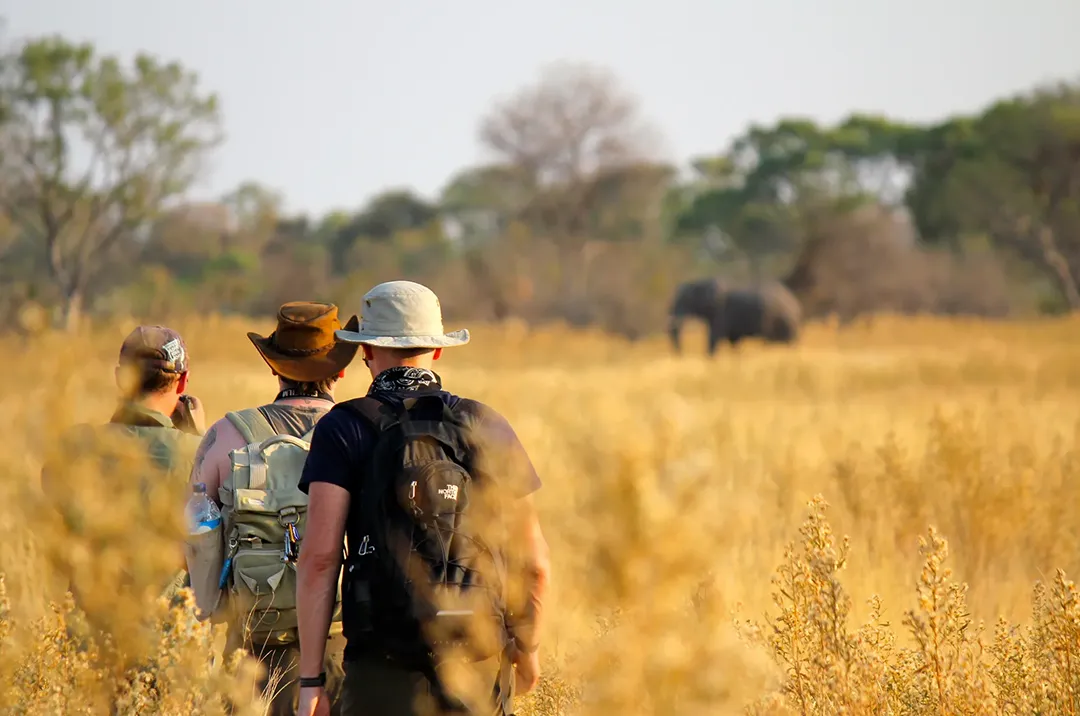
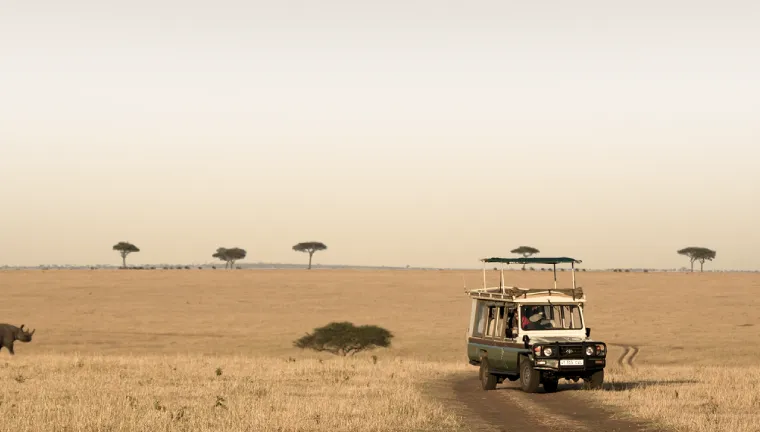
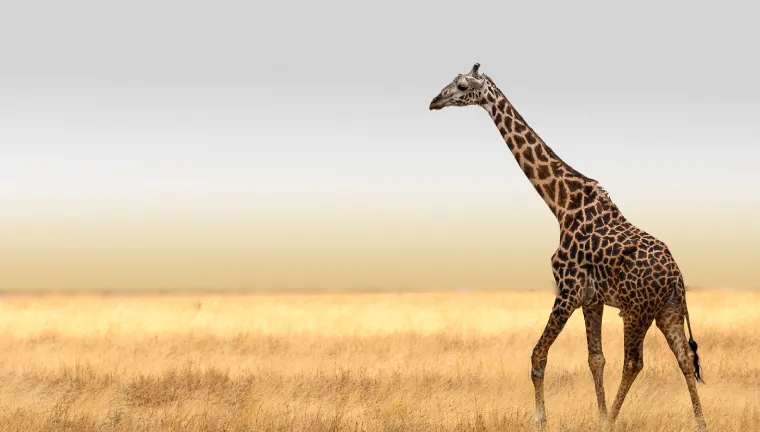
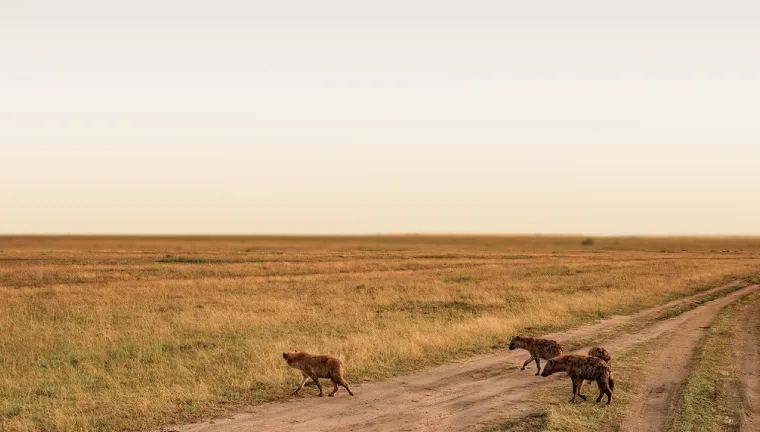
The Best Time of the year to visit Nyerere National Park is the dry season, from June to October. This is the time when animals assemble around water resources. This makes it easier to watch wildlife without any obstruction. If you talk about the weather in Tanzania, it's at its best during this season. The temperature is usually between 27°C (80°F) and 30°C (86°F). You can go and visit every area of the park in the dry season. As Nyerere is in southern Tanzania, here the rains start earlier than in the northern part. You can anticipate rain around mid-December. Also, during the long rains from March to May, there is a high probability that lodges will be closed. This hints that good planning is important for a successful Tanzania Safari.
Dry Season
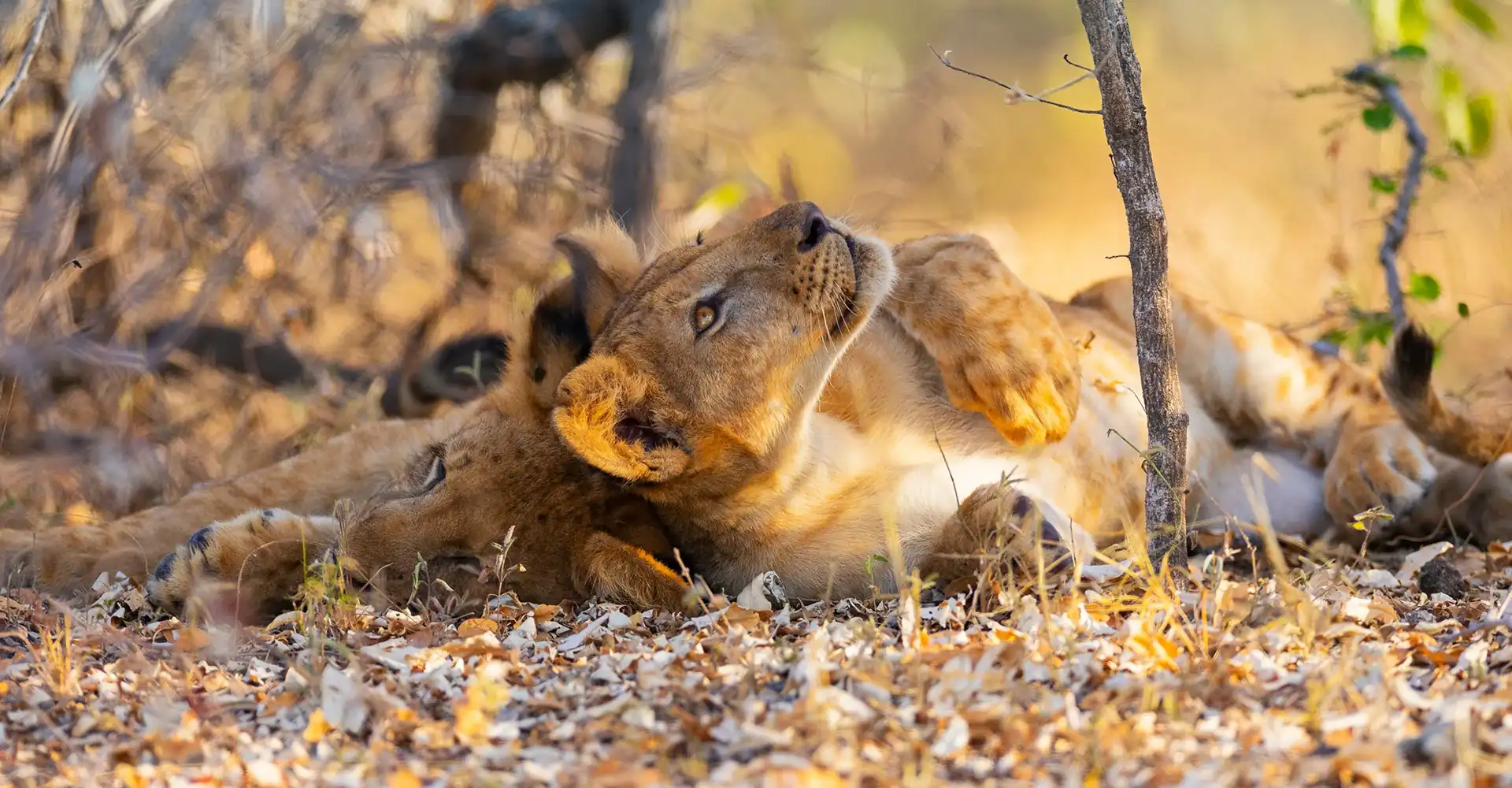
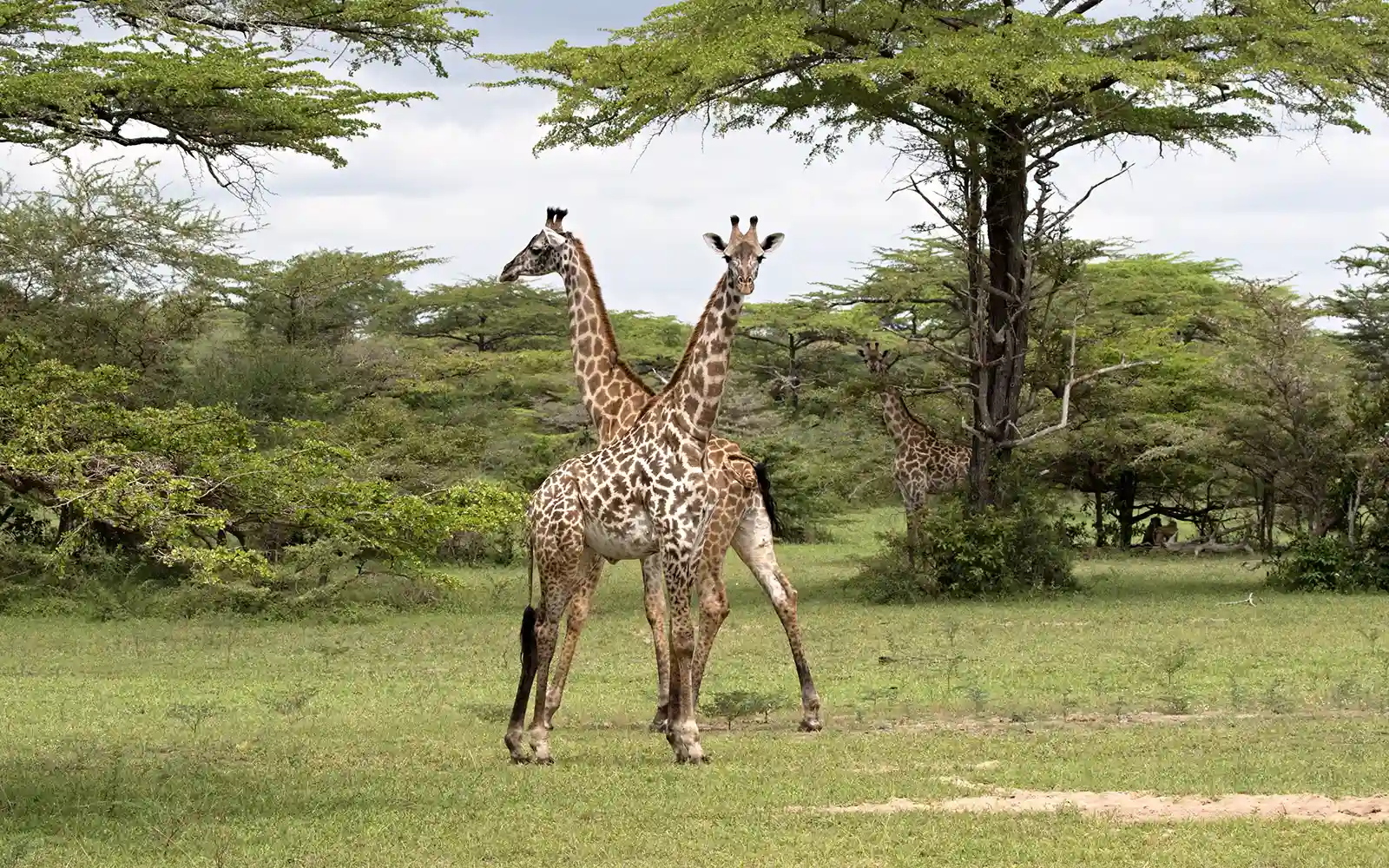
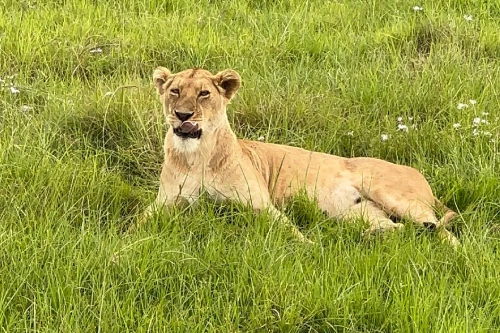
From June to October, it's the long dry season in Nyerere. Temperatures are pleasant, and the regular waterholes are drying up. The accessible lakes and rivers are busy as wildlife arrives to quench their thirst. This makes it a remarkable game-watching experience. January to February is the short dry season. The landscape is lush and green, and it is a wonderful time for photography.
Highlights
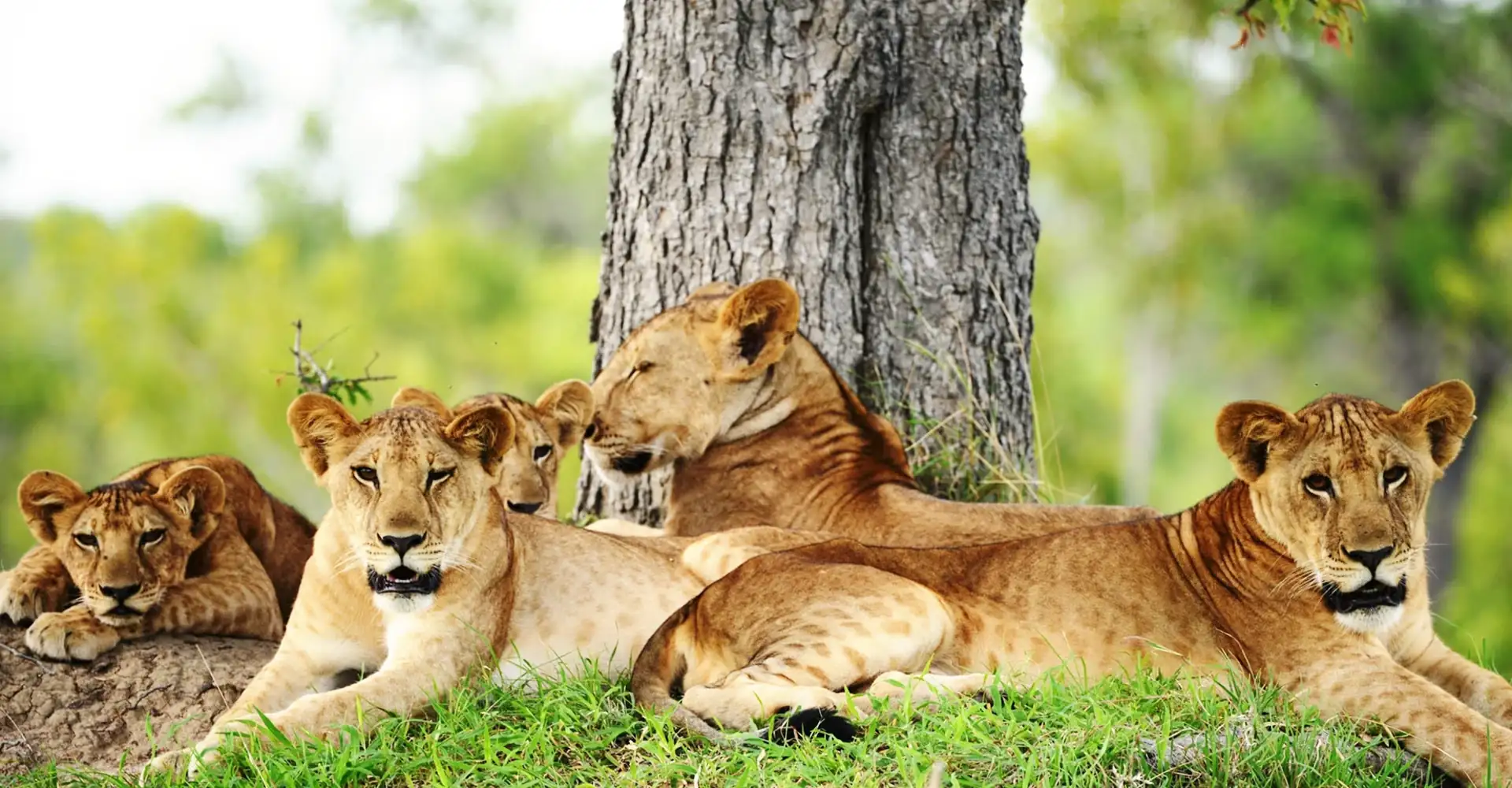
- Animals gather near water sources, improving wildlife visibility across main areas
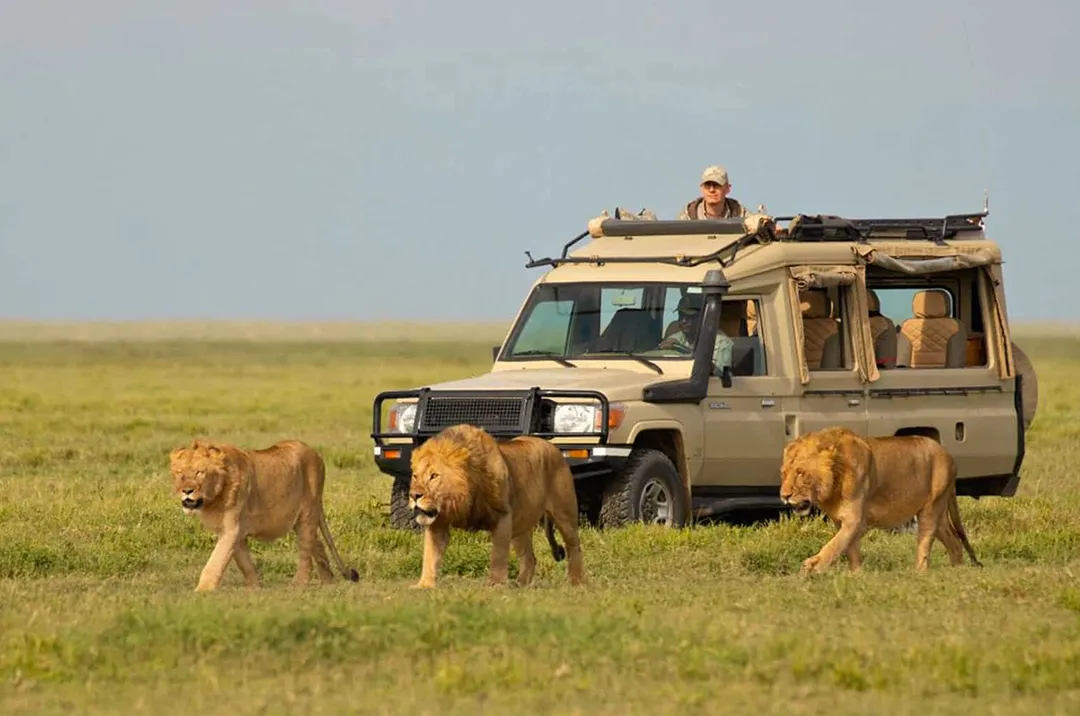
- Game drives become more productive with concentrated animal movements
- Road conditions remain stable, allowing access across larger park sections
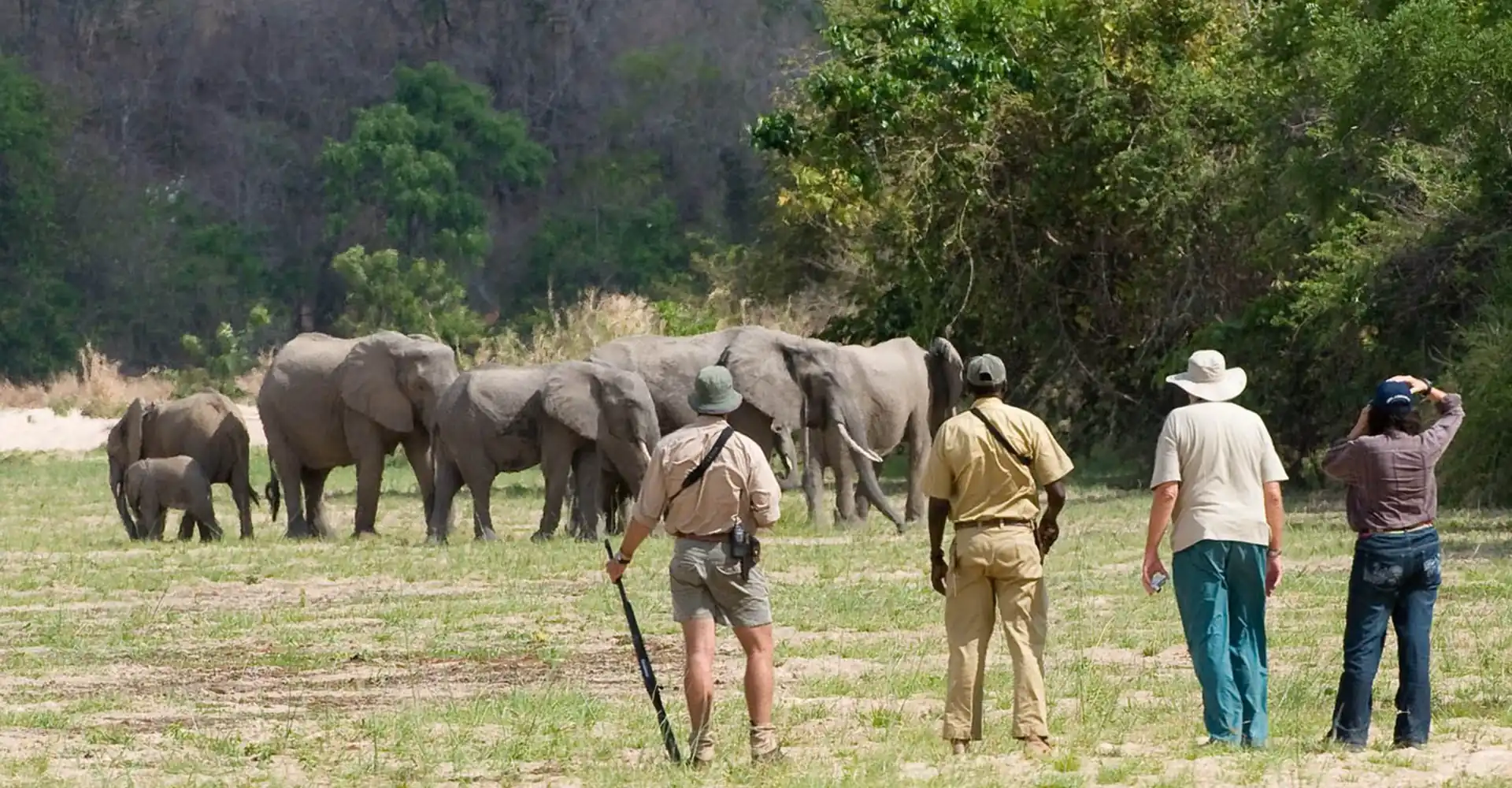
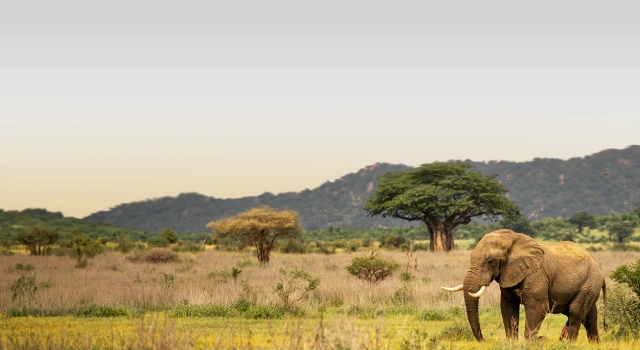
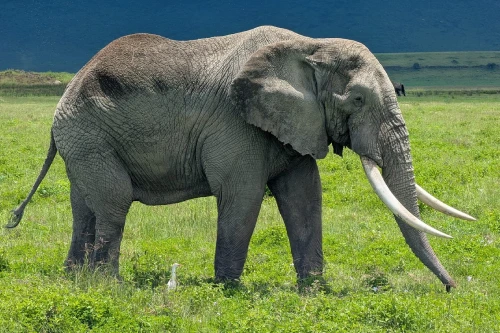
- Elephant and buffalo sightings become more frequent near riverbanks
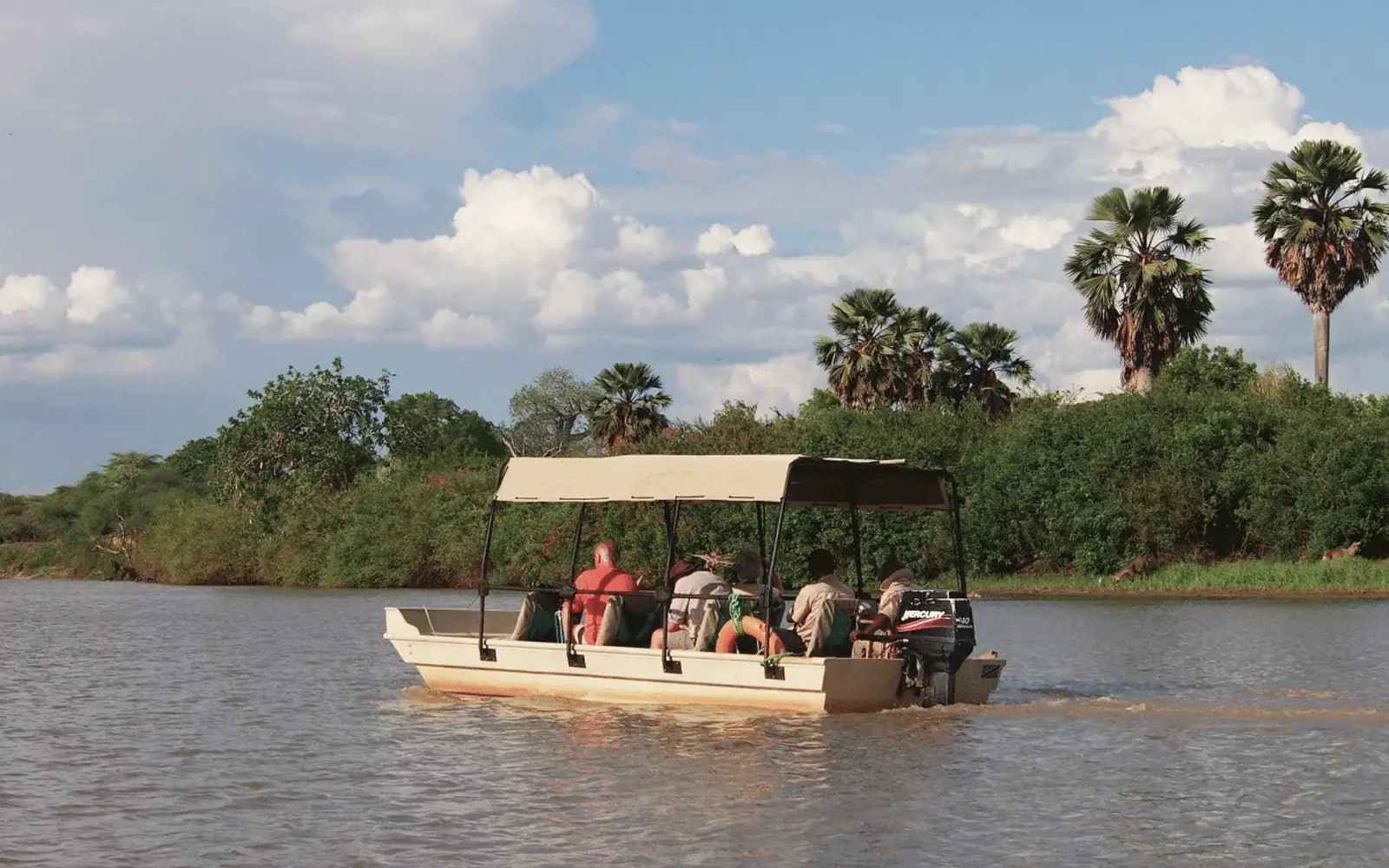
- Boat safaris provide clearer views along shrinking water channels
Highlights
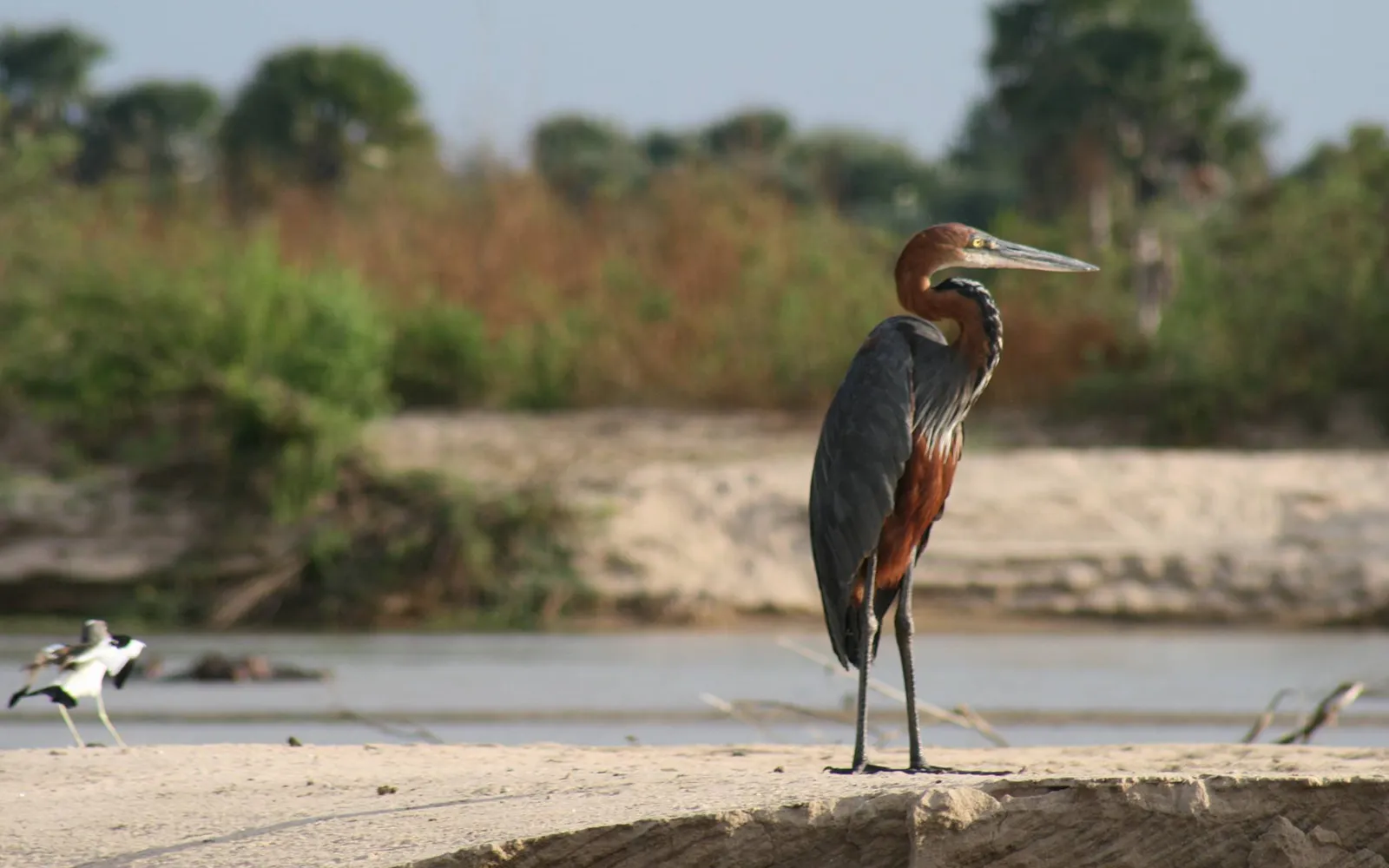
- Birdlife increases with migratory species arriving during wetter months
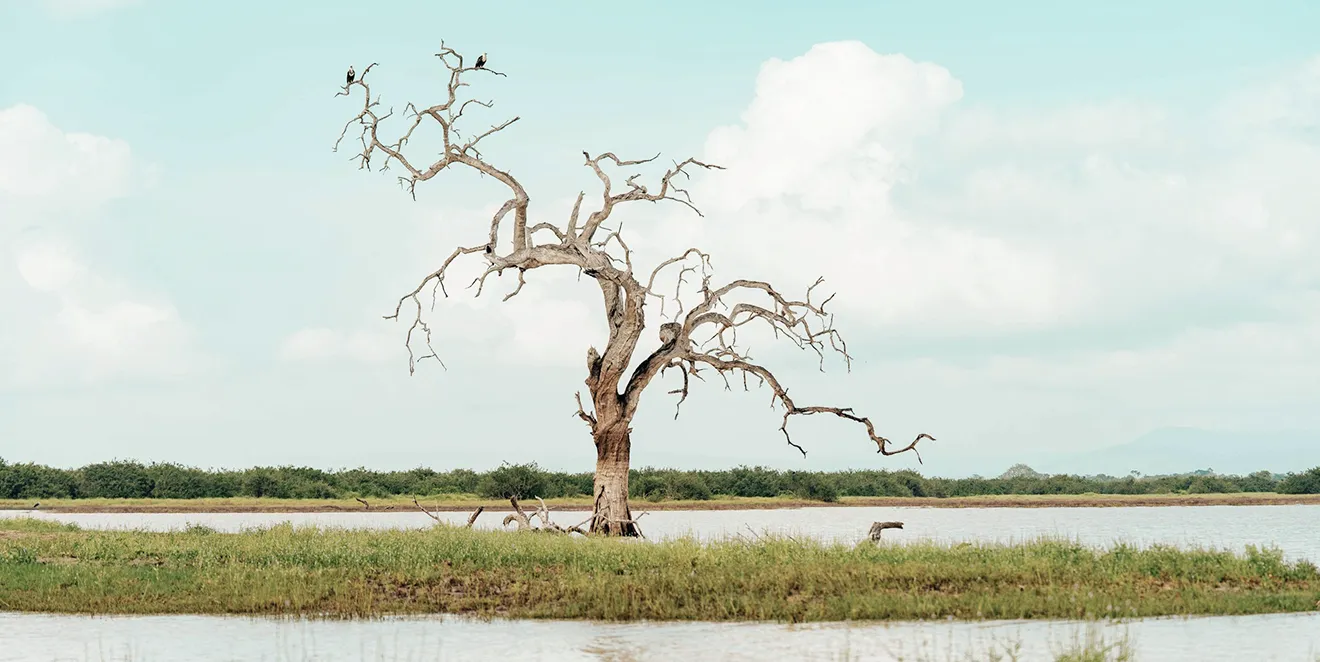
- Green vegetation changes the overall look of the landscape significantly
- Wildlife spreads out as water becomes available across the park
- Some camps close due to heavy rains and access limitations
- Scenery feels richer, though sightings require more time and patience
Wet Season
The rainy season in Nyerere National Park spans from November to May, with a short dry period from Jan to Feb. The rains disperse wildlife and block access. This means most accommodations are closed during these times. There are daily afternoon showers that give much-needed relief to the region. The landscape and wildlife are refreshed, and water levels are restored.