Serengeti National Park

Serengeti National Park

About Serengeti

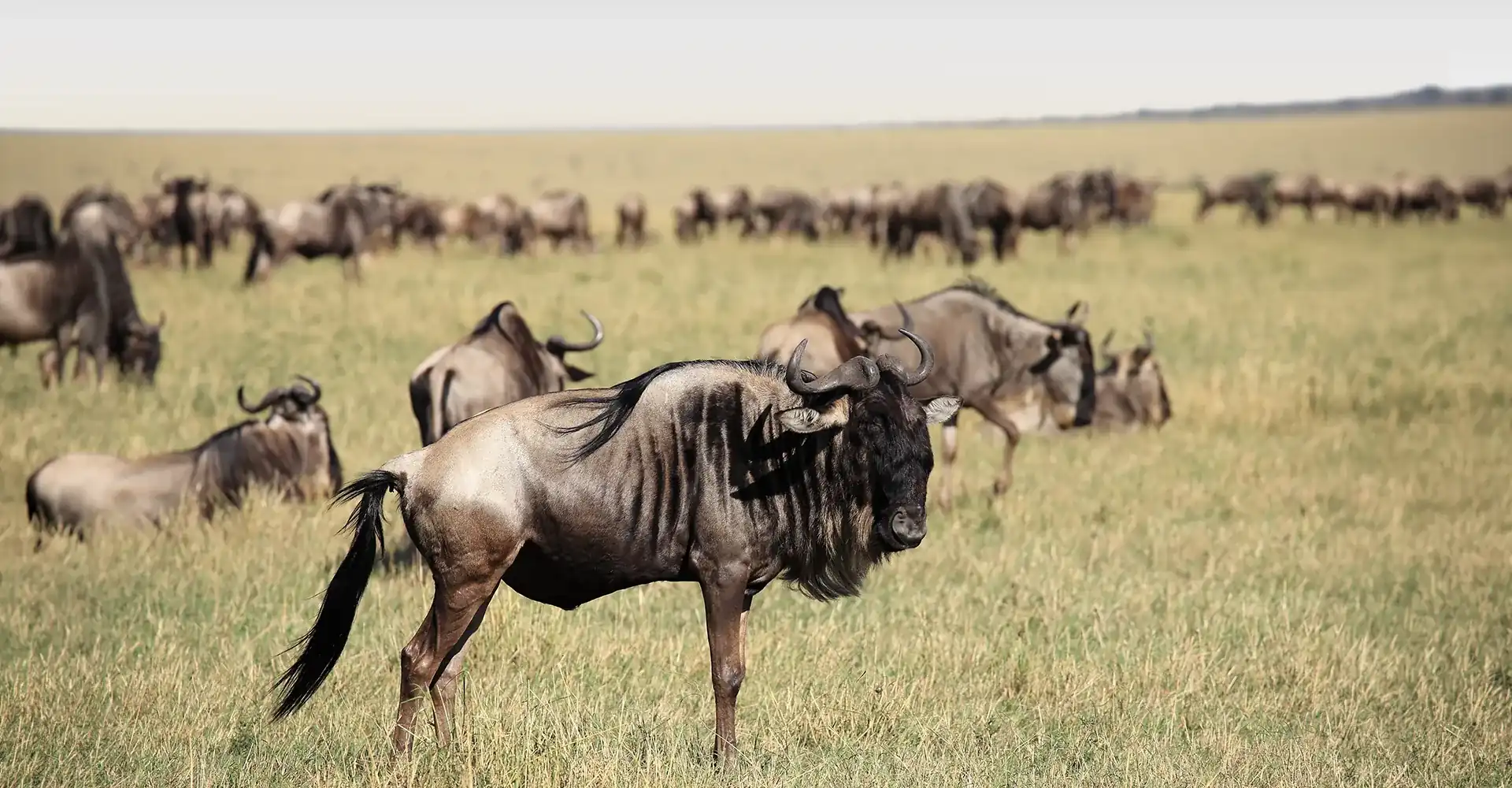
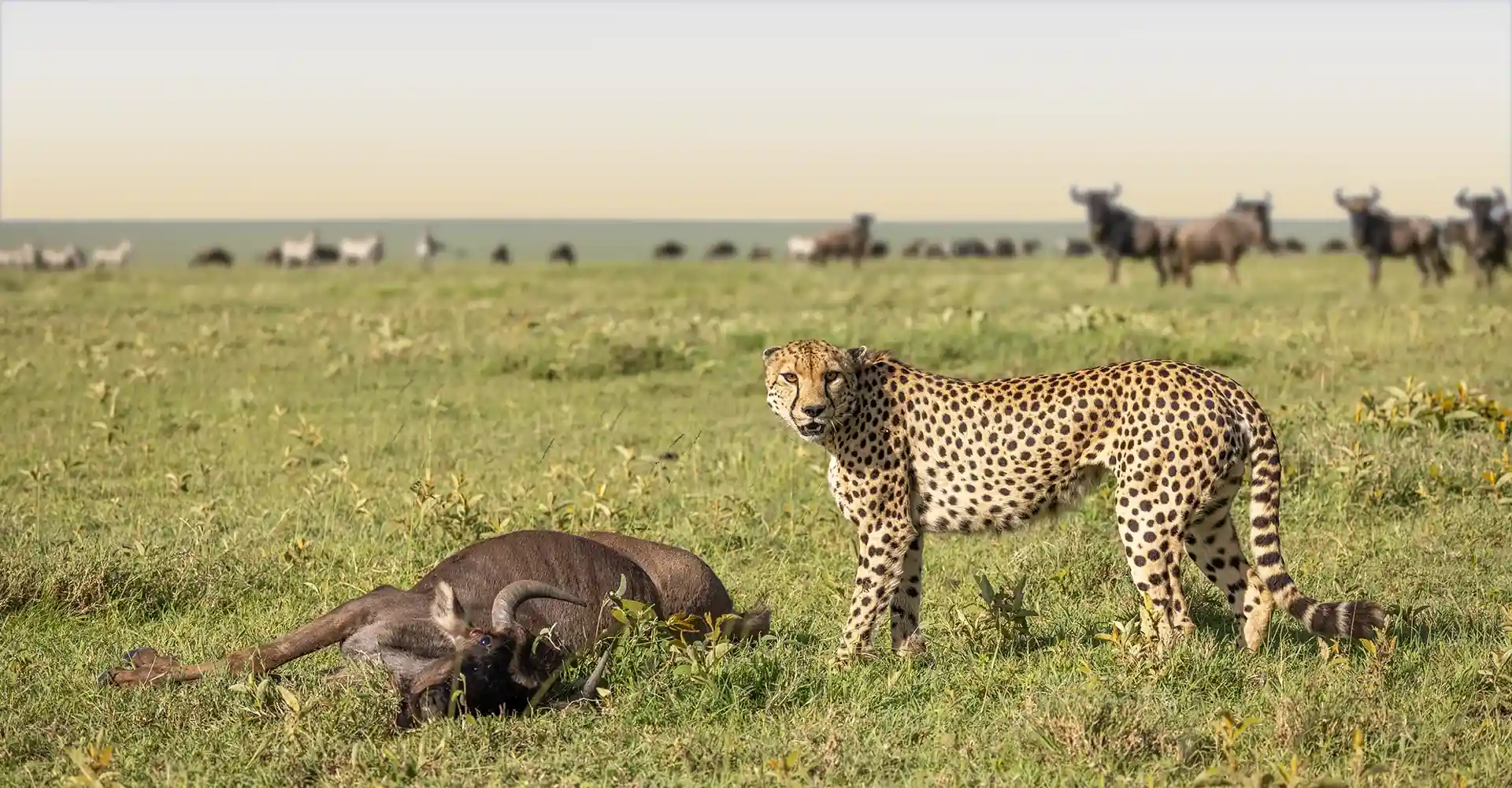
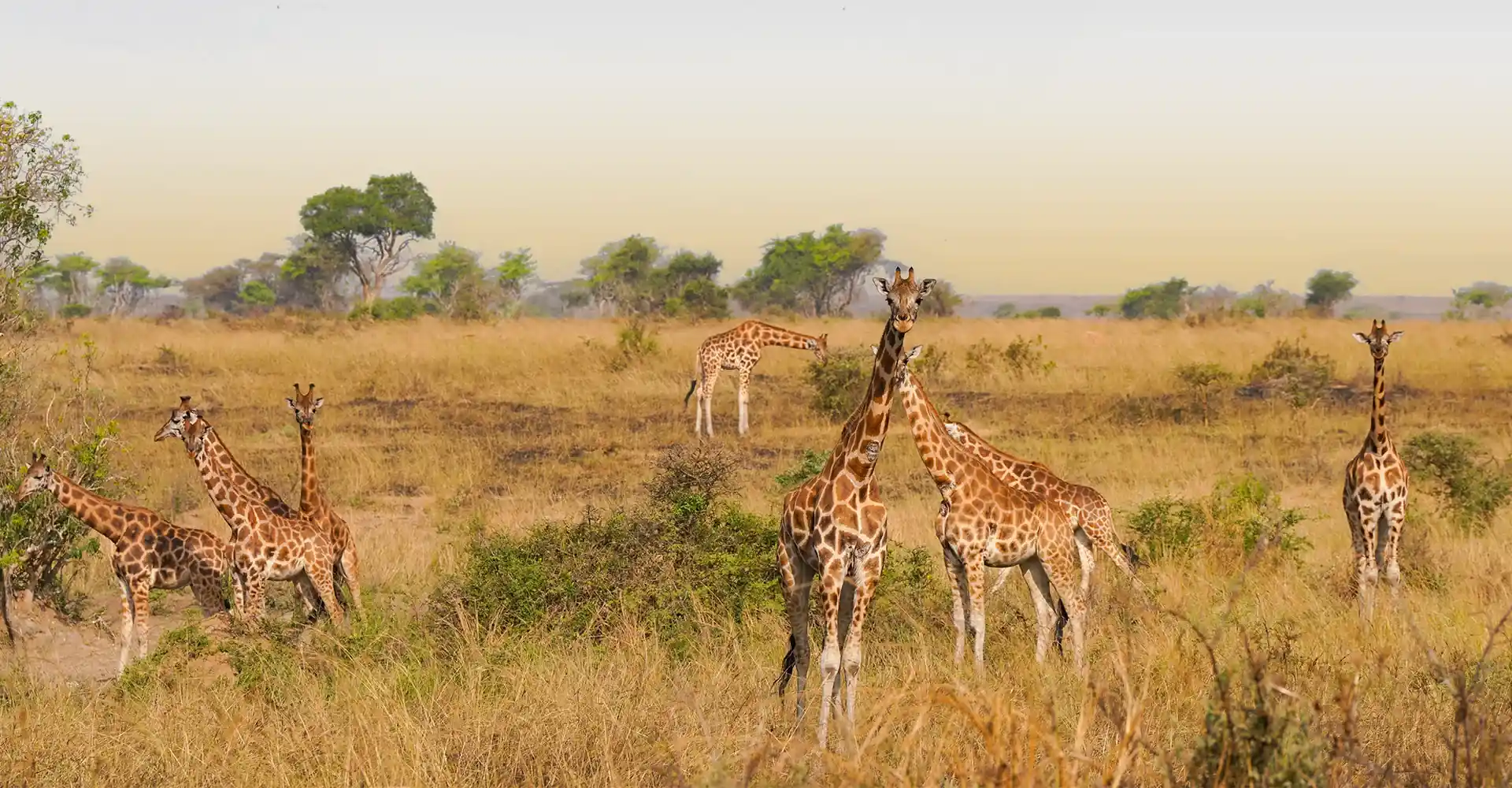
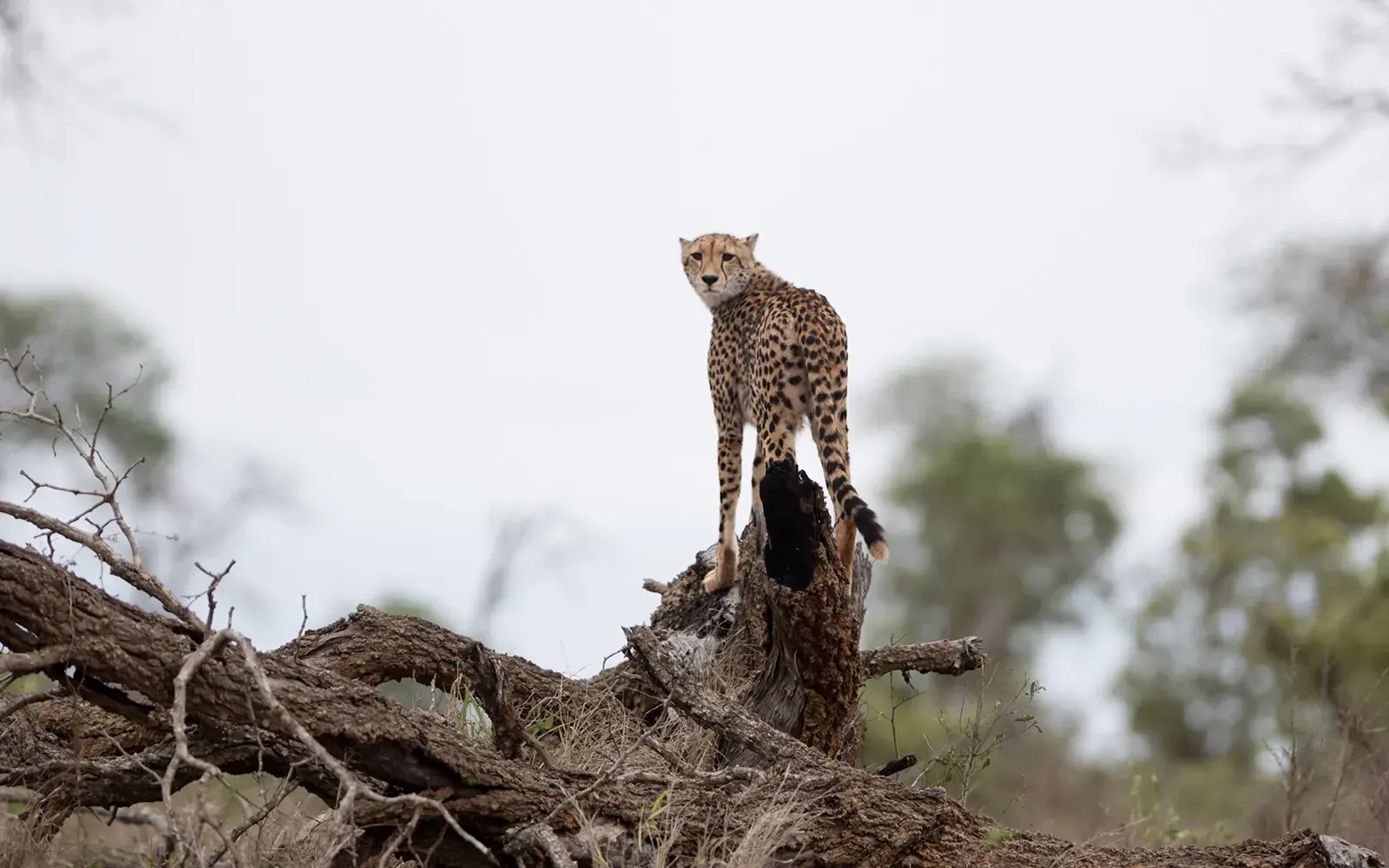
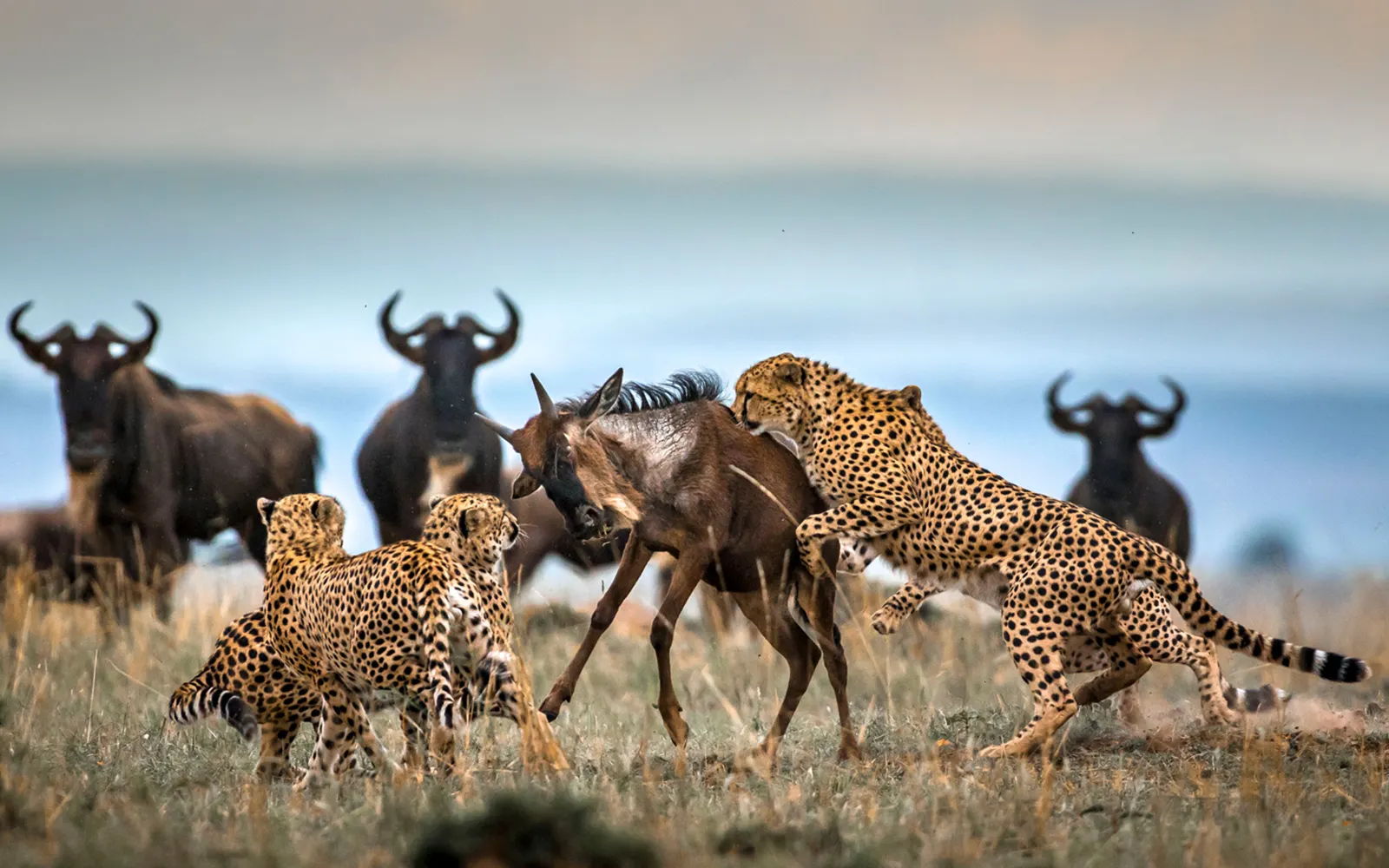
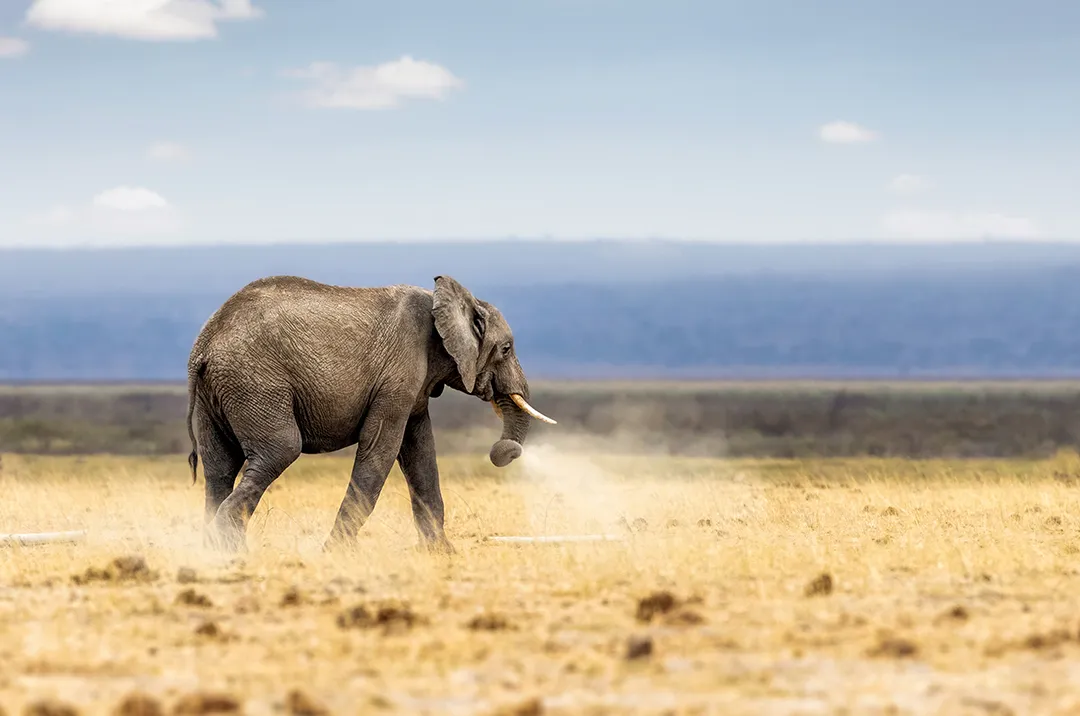
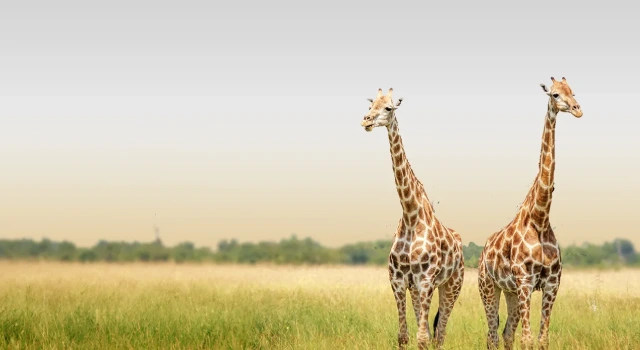
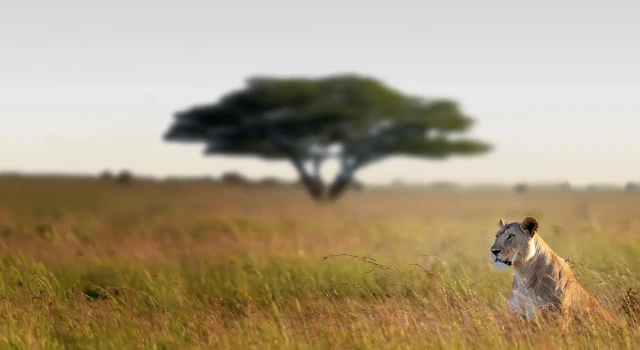
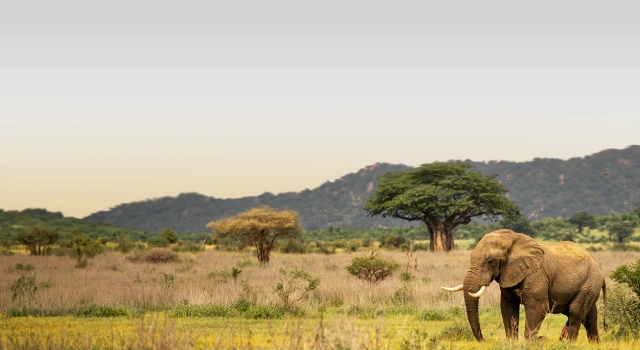
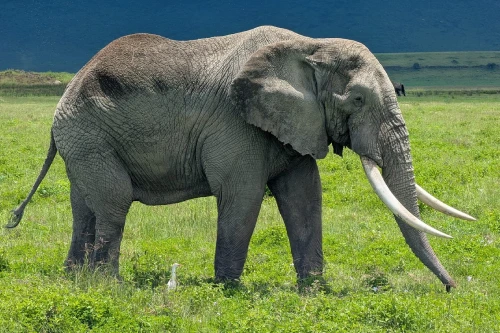
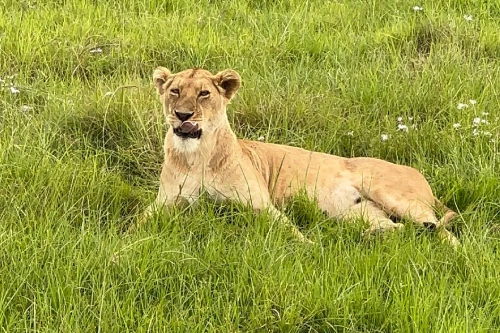
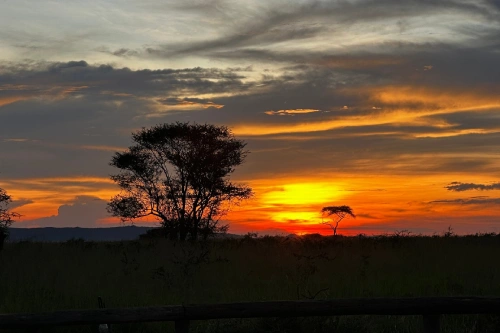
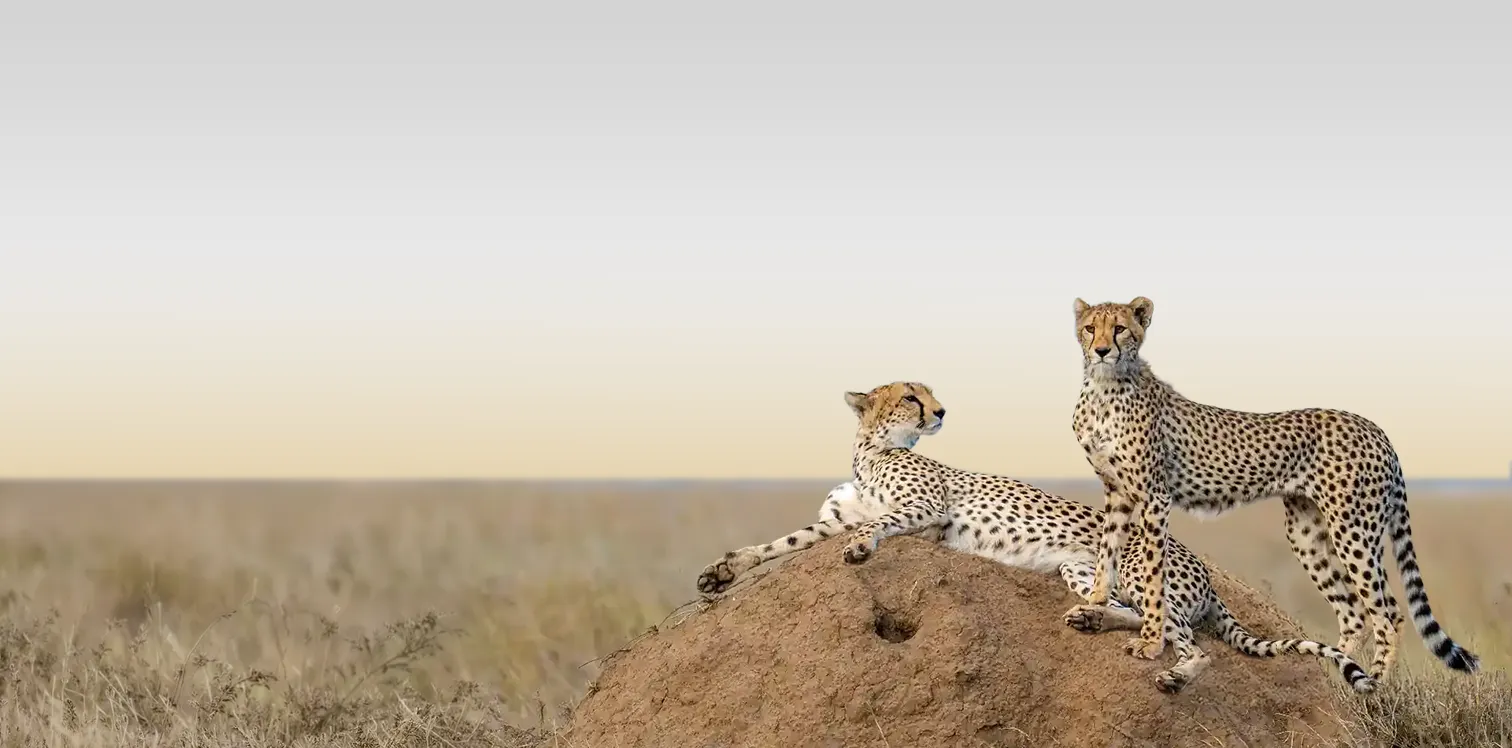
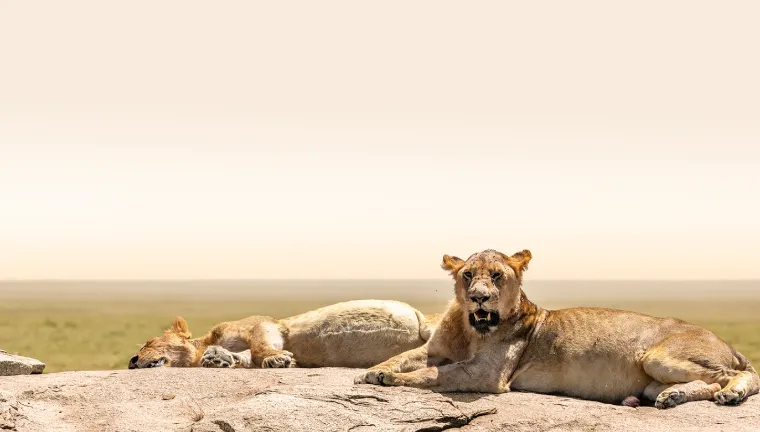
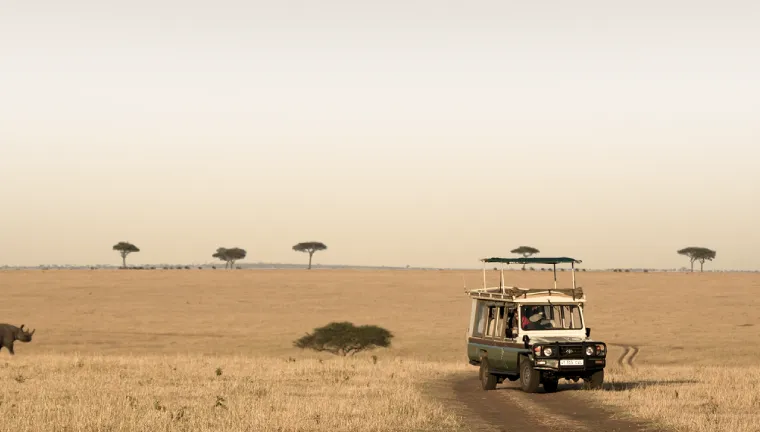
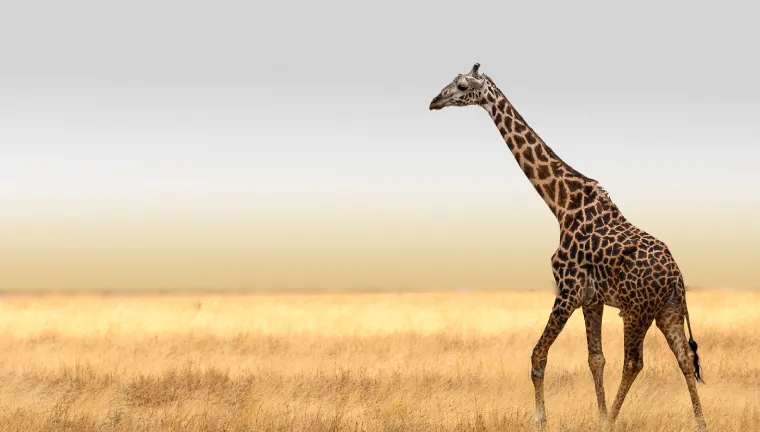
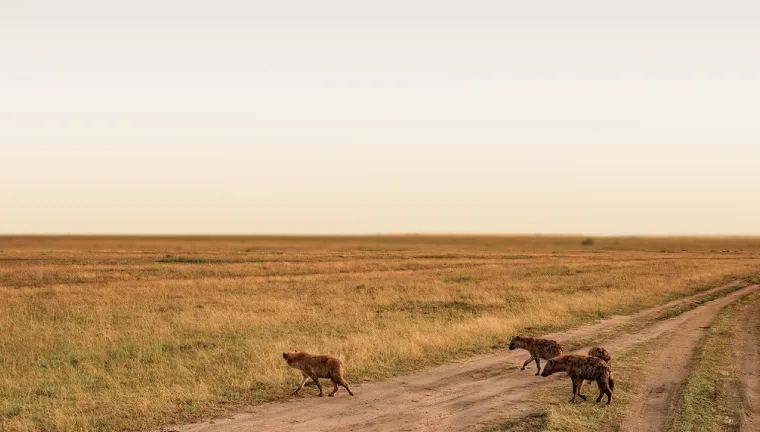
Serengeti National Park is in northern Tanzania and covers a vast area of close to 15,000 square kilometers. It is also a UNESCO World Heritage Site. There are over 2 million animals here, from wildebeest and zebras to gazelles and elands. And then there are predators spread across the same land. Lions resting on kopjes, leopards hidden in trees, cheetahs moving across open ground.

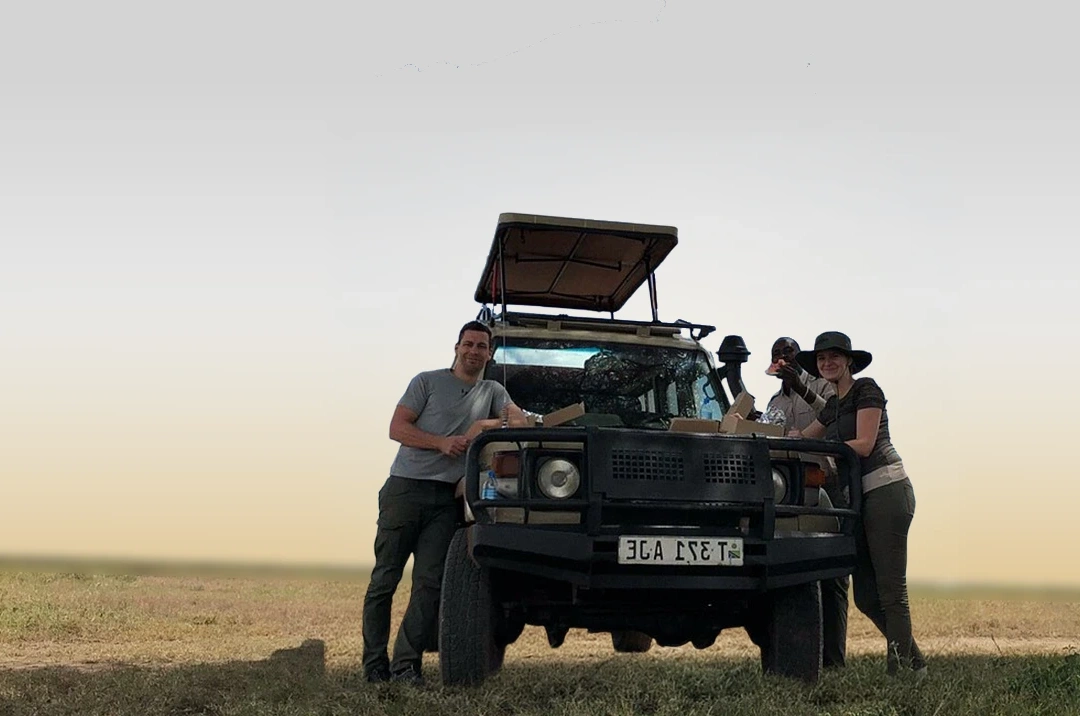
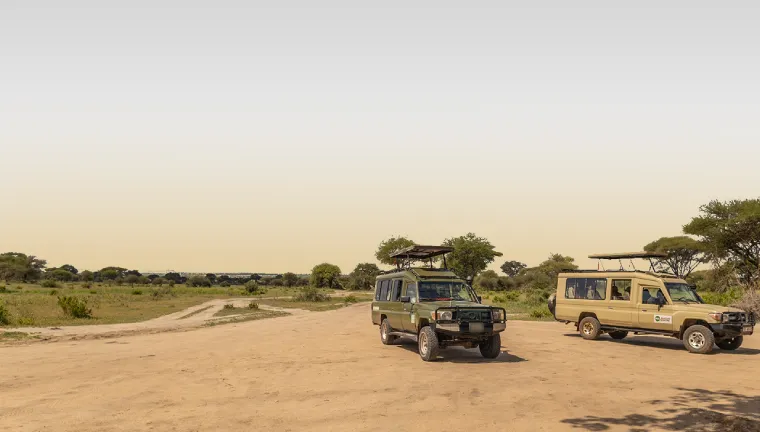
Most people arrive thinking about the Great Migration. But after a few days, you realize the park is not built around just that. Watching a variety of wildlife and birdlife is also a big part of Safaris in the Serengeti. Inside the national park, travelers can engage in many activities, starting from game drives to hot-air balloon safari. All these activities offer a different perspective of the endless plains of the Serengeti.

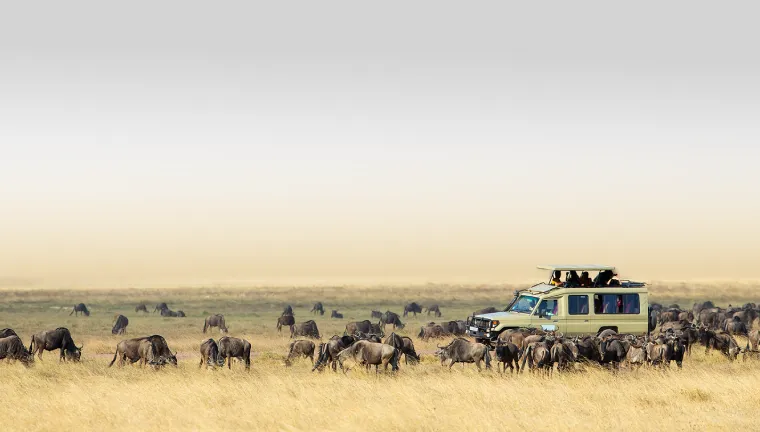
Great Migration

The herds keep moving across the park, following rain and fresh grass.

Predator Population

Big cats and hyenas stay active across different areas throughout the year.

Vast Ecosystem

Plains, kopjes, rivers, and woodlands all exist within one connected system.

UNESCO Status

Recognised worldwide for its size, wildlife density, and ecological importance.

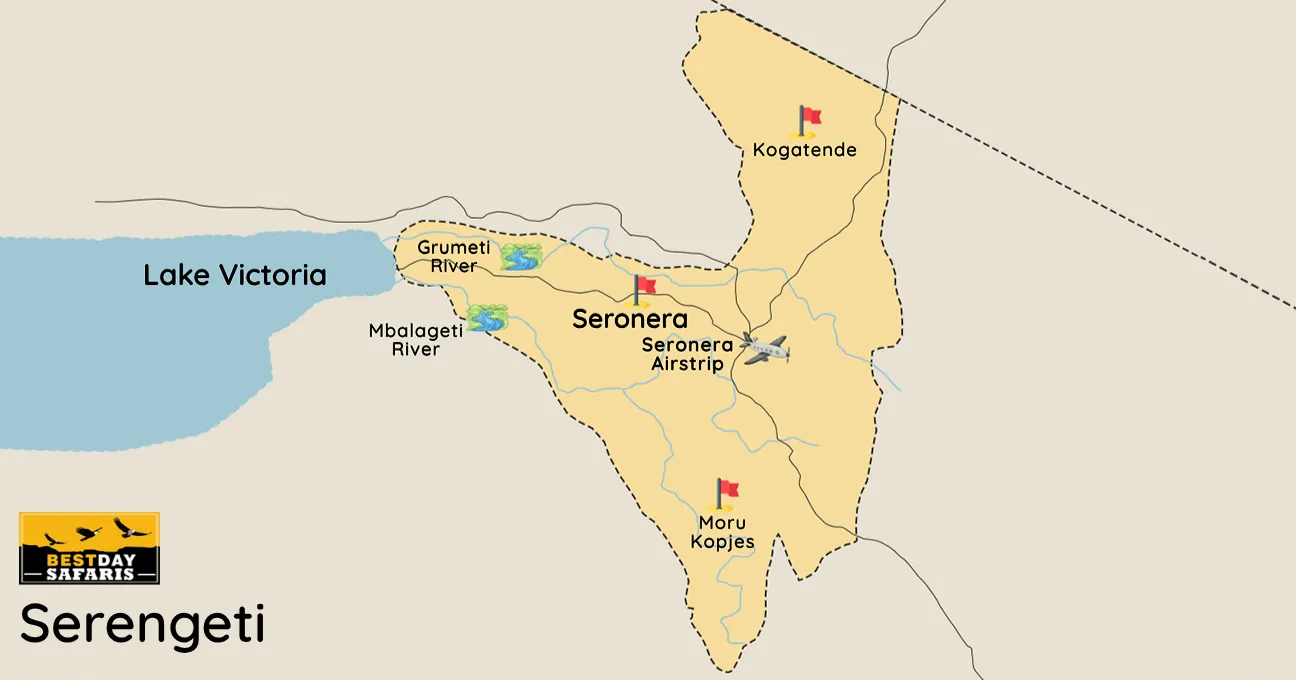
Serengeti National Park Map

Plan Your Safari

Pick the right time, route, and camp based on how you want to travel.

Reach out if you want help putting together a Tanzania safari that actually works for your plan.

Best Time Guide

When to Visit Serengeti National Park

Timing depends on the weather, animal movement, and the kind of experience you want.

Month Jan Feb Mar Apr May Jun Jul Aug Sep Oct Nov Dec
Max Temperature (°C) 29 29 28 27 26 25 25 26 27 28 28 29
Min Temp (°C) 15 15 15 16 15 14 14 15 15 16 16 15
Rainfall (mm) 80 90 130 160 120 40 20 30 40 70 100 90

Best time to visit Serengeti National Park

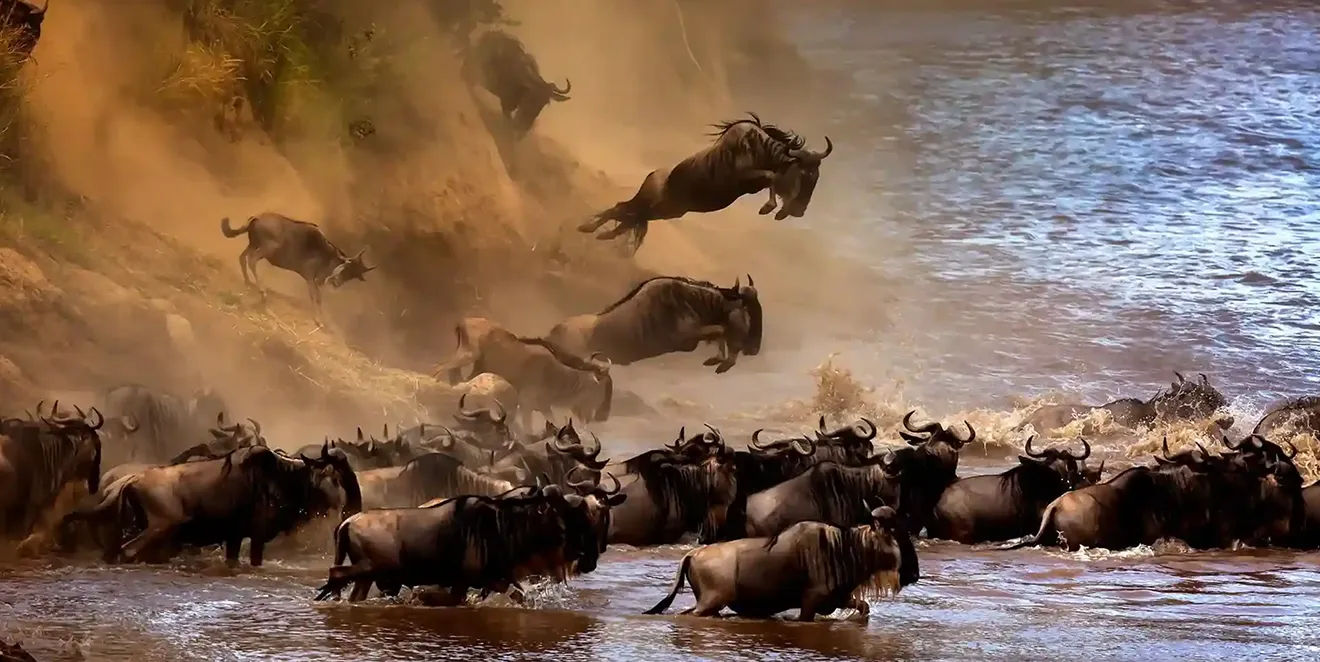
Wildlife stays active for most of the year in Serengeti National Park. A lot of people come hoping to see the wildebeest migration along with the predators that follow it. The movement does not happen all at once. It spans from January to October, so there is a long window during which you can follow it across different areas. January to February works well around Ndutu because that is when calving happens. Then, around June and July, the Western Corridor becomes more active. By August and September, the herds move north, and that is when river crossings may happen. One thing people often notice later is that crowds follow this same pattern. So quieter travel usually means staying a bit away from the main migration zones.

Serengeti in the Dry Season

The dry season runs from June to October and is when most people plan a Safari In Tanzania. The grass gets shorter, and suddenly you can see much further across the land. Animals start gathering around water because there is less of it. That naturally makes sightings easier. Parts of the migration also move through the northern and western regions during this time.

Highlights

  • Short grass makes it easier to spot animals across wide areas
  • Animals gather around rivers and waterholes during dry months
  • Northern regions are better for migration and river crossings
  • Roads stay dry and easier to drive across most areas
  • Clear skies help during long game drives

Highlights

  • Green plains change how the landscape looks across the park
  • Calving season fills the southern plains with newborn animals
  • Predators stay active around herds during this period
  • Birdlife increases with migratory species across habitats
  • Fewer vehicles make sightings feel less crowded

Serengeti in the Wet Season

The wet season runs from November to May and changes the landscape across the Serengeti. Plains turn green, birdlife increases, and visitor numbers drop outside peak periods. Calving season in the southern plains, around January and February, attracts predators, leading to intense wildlife interactions in Serengeti National Park.

Traveling in Tanzania is one of the best decisions you can make because it offers a wide range of experiences. You see wildlife, move through very different landscapes, come closer to local culture, and experience things that do not all feel the same. And that is really what stays with people for years to come.

Peter
CEO, Bestday Safaris
Planning a trip to Tanzania
Serengeti Attractions

Stay updated with our safari travel ideas

Get exclusive safari updates straight to your inbox!

Things To Do

Explore Serengeti Activities

Serengeti National Park gives a mix of wildlife, landscapes, and quiet moments that stay with you. From watching predators to following the migration, each day feels different. It remains one of the strongest Tanzania Holiday Destinations for anyone looking to experience wildlife in a natural and direct way.

Game Drives

Game Drives

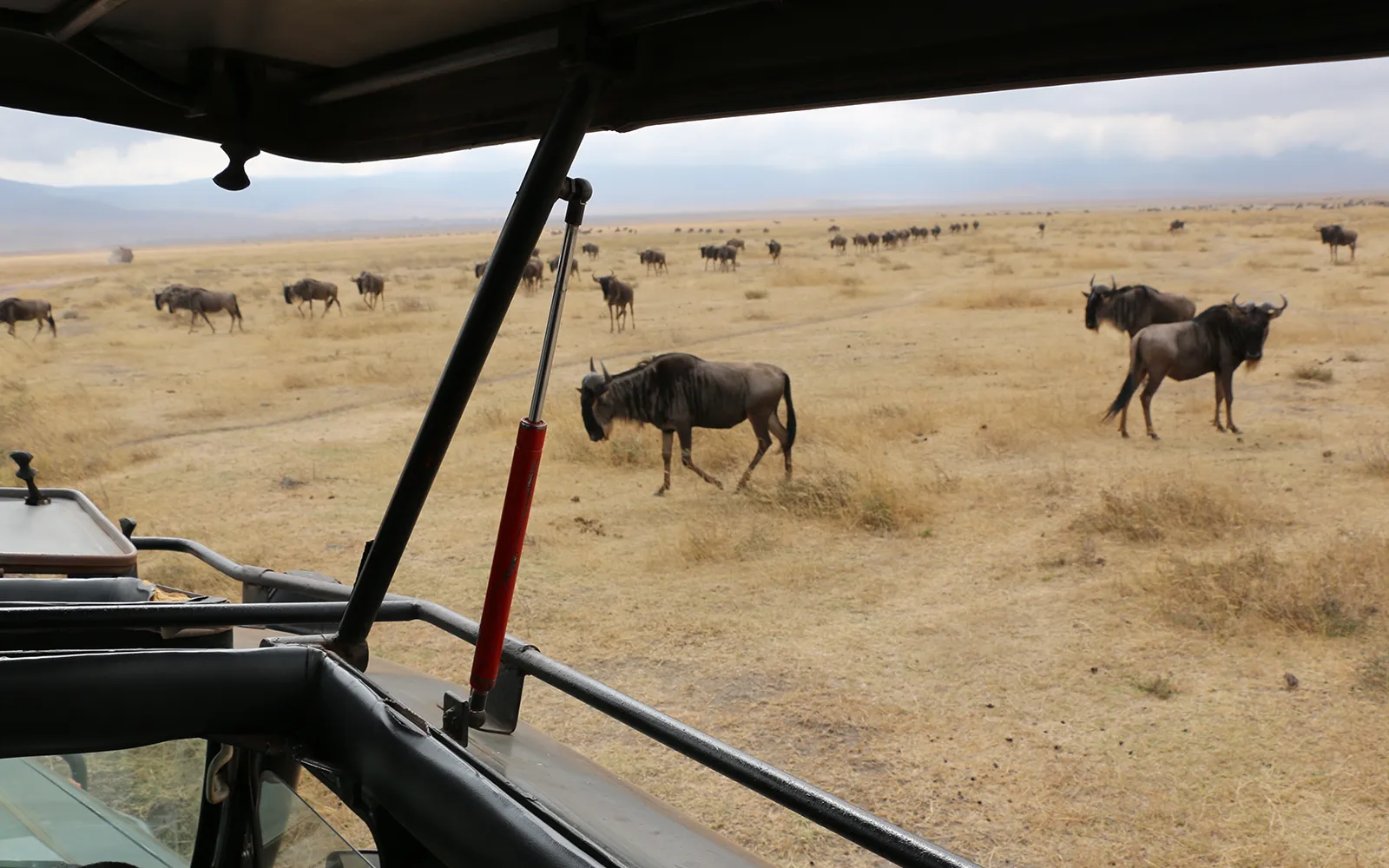
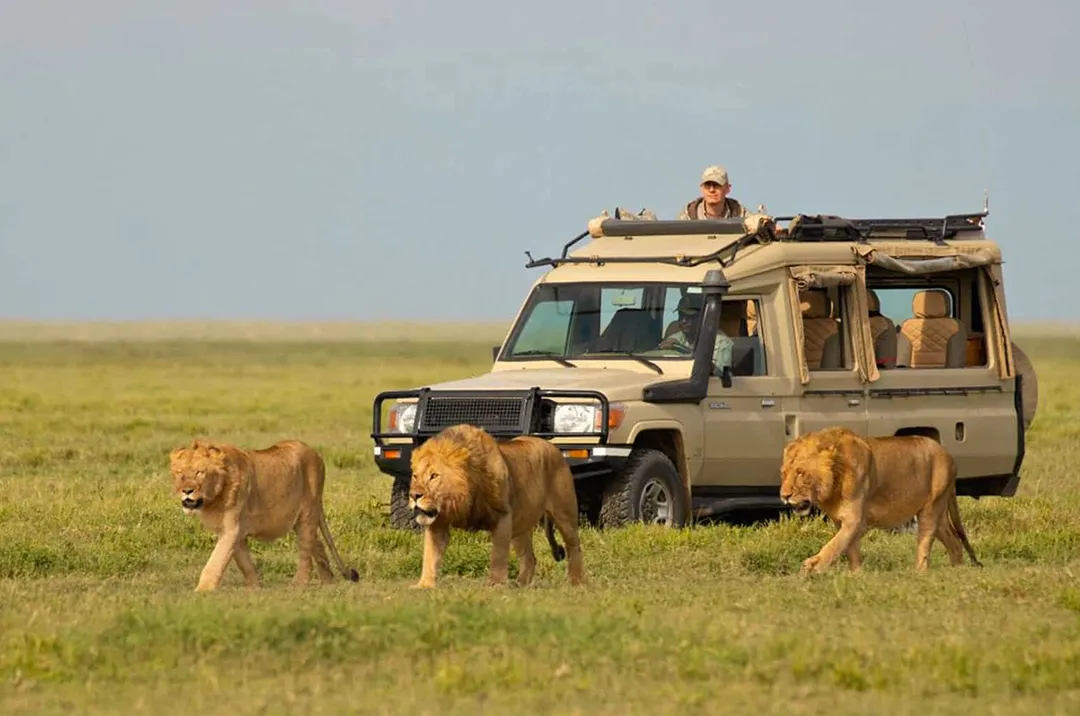
Drive across open plains to spot wildlife in natural, active environments

Predator Tracking

Predator Tracking

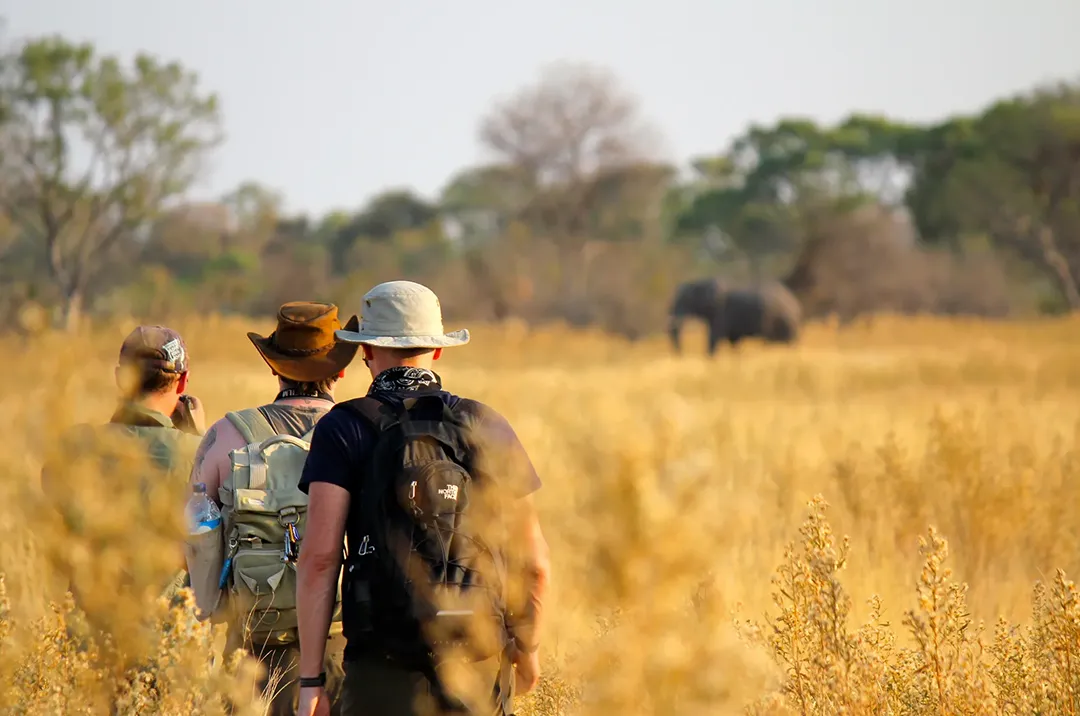
Observe lions, cheetahs, and leopards during active hunting or resting hours

Migration Viewing

Migration Viewing

Follow moving herds across different regions during seasonal migration periods

Balloon Safari

Balloon Safari

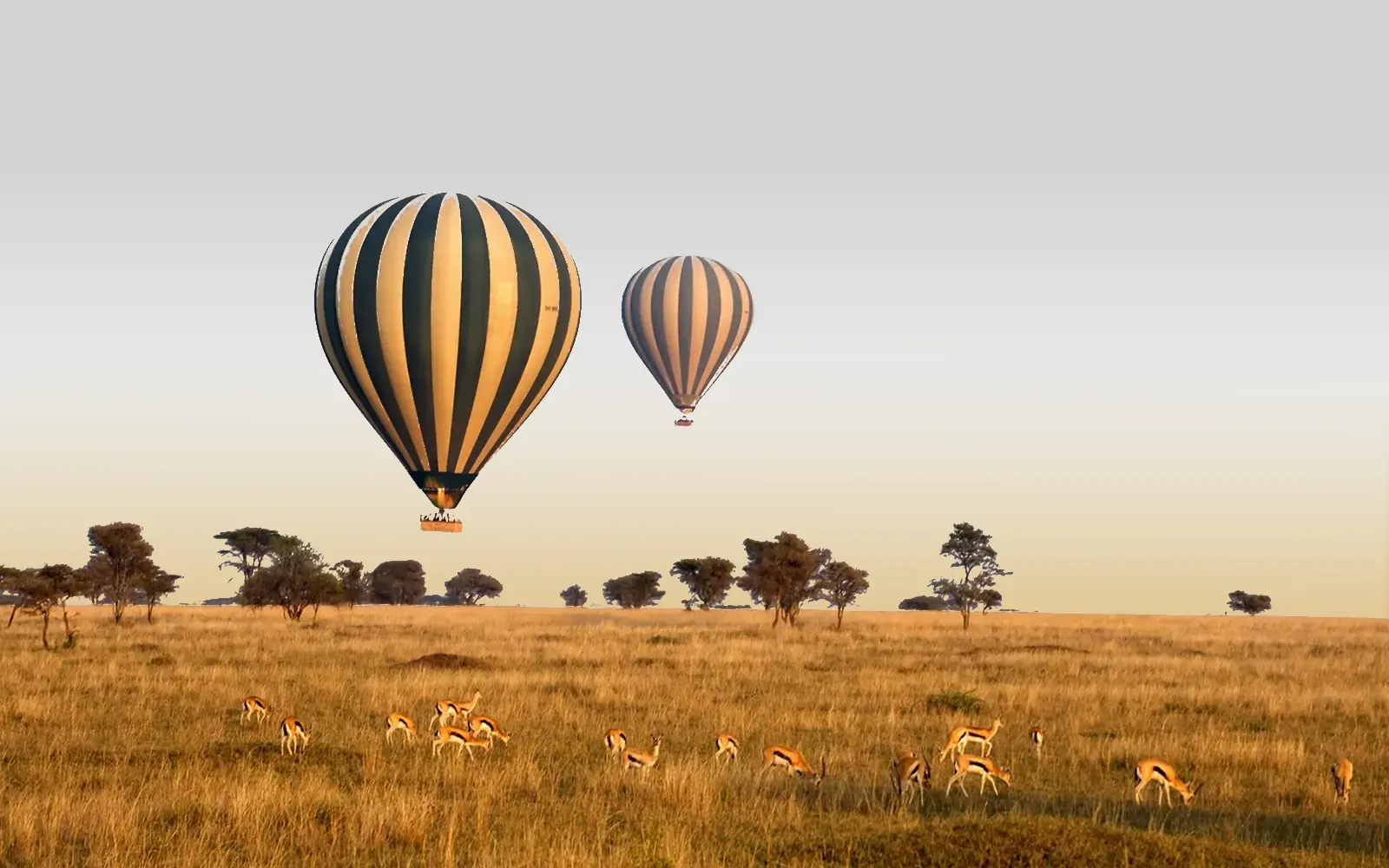
Float above the Serengeti plains at sunrise and watch wildlife from above

Game Drives

Game Drives

Drive across open plains to spot wildlife in natural, active environments

Predator Tracking

Predator Tracking

Observe lions, cheetahs, and leopards during active hunting or resting hours

Tanzania Travel Essentials

Your Trusted Guide for Every Safari Detail

Our travel guide is made to save you time. It points you to the best time, cost, safety aspects, and activities, while sharing tips only locals know. Your dream Tanzania trip starts with the right information, and we’ve put it all together for you, so planning feels clearer, easier, and far less overwhelming from the very beginning.

Serengeti FAQs

Quick travel answers

Planning a Serengeti trip brings many small questions, from the best time to go and routes to packing and what expectations a traveler can have. It helps you understand what really matters before you travel, so decisions feel easier and more practical instead of confusing or overwhelming at the start. It will help make fast and easy decisions.

The Serengeti is famous for a reason. It is one of Africa's most important wildlife areas, and the concentration of animals here is a big part of that. Lions, leopards, cheetahs, elephants, all of them are here in strong numbers. Then there is the Great Migration, which is what most people first hear about. Huge herds moving across open land in search of fresh grass is not something you easily forget, even in pictures.

Three days and two nights is a good minimum. Anything less can start to feel too tight, especially with the distances involved. With three days, you have enough time to go on a few proper game drives, settle into the place a bit, and not feel like you just passed through. It is still not everything, of course. But it is enough to come away feeling like you saw the Serengeti properly.

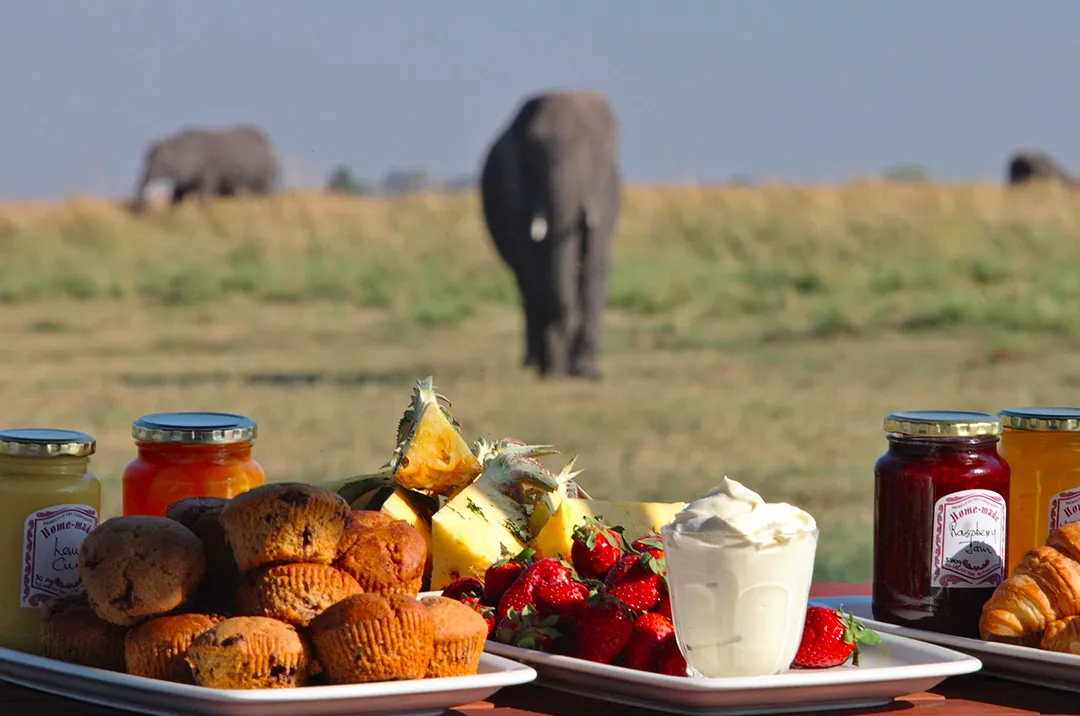
Most of your time will usually go into game drives, because that is the main part of a Serengeti safari. But that is not all there is. Depending on where you stay and how your trip is arranged, you might also do a hot-air balloon safari, visit a Maasai village, go on a bush or nature walk, where allowed, or have a picnic out in the wild. So, the Tanzania Safari experience can open up in a few different ways.

Yes, in general, it is safe to visit the Serengeti. The park is managed by TANAPA, and most camps and lodges take safety seriously. Night guards are common, and your safari guide plays a big role in keeping the whole experience safe. They know the animals, the distances, and when to stop, wait, or move. Most of it comes down to listening carefully and not treating the bush casually.

There is no one perfect answer to that. It really depends on what you want from the trip. The Serengeti changes across the year, and the experience shifts with it. Many people choose the dry season from June to October because animals gather around rivers and waterholes, making sightings easier. But the wet season from November to May has its own pull. The land turns greener, and the southern plains become especially important during calving season.

Yes, you can, and that is one of the main reasons people come here in the first place. The Serengeti is one of the key places to see the Great Migration, with huge herds of wildebeest, zebras, and gazelles moving through the ecosystem in search of grazing. The only thing is, they do not follow a clean fixed timetable. Rain affects their movement, sometimes more than people expect, so the right area and the right timing make a real difference.

Guestbook Moments

Real Stories from Safari Guests

A good safari often lives on through the words guests bring back. Here, Bestday Safaris travelers share notes on the people, pace, small comforts, wildlife moments, and honest care that became part of their journey. Their reviews help future travelers see beyond the itinerary and understand how each safari feels on the ground.
Excellent

4.9 out of 5

753 Reviews

Start planning your safari. Get matched with a local adventure specialist.

David David
Jackson Mollel Jackson Mollel
Stephen Stephen
Faraj Faraj
Abel Abel

Call us, we're available 24/7

+255 767 130 448 Make an Enquiry