Kilimanjaro Packing List
Tackling the highest peak on the African continent is no ordinary feat, and every seasoned Climber will tell you that the key to reaching the Kilimanjaro Summit is preparation. You need to be well-equipped with the right gear for withstanding the varied weather conditions and achieving a successful climb. Hence, we have created a complete Kilimanjaro Packing List to guide you through all the essentials that could make all the difference in your climb.
From essentials to tackle the shifting weather conditions, to gear designed to make the trek more comfortable, we have covered it all. Ready to start the packing for Mount Kilimanjaro Climbing Tours ? Here's everything you need to ace your trek, neatly compiled and ready to check off!
Packing For Kilimanjaro
Travelling to Kilimanjaro involves both international travel and backpacking. One key aspect of the Kilimanjaro Packing List is to keep your travel clothing and gear separate from your climbing gear, preferably in different luggage or duffel bags. You can leave these non-climbing essentials at a hotel or guide office and carry all the climbing essentials on your trek up Kilimanjaro.
Packing List for Kilimanjaro: The Daypack
For the actual climb, you'll need a medium-sized daypack (25–35 Liters). Your Kilimanjaro Daypack should include a sun hat, sunscreen, sunglasses, snacks, packed lunch, gloves, water, money, a passport, a camera, and extra warm clothing.
Packing List for Kilimanjaro: The Duffel Bag
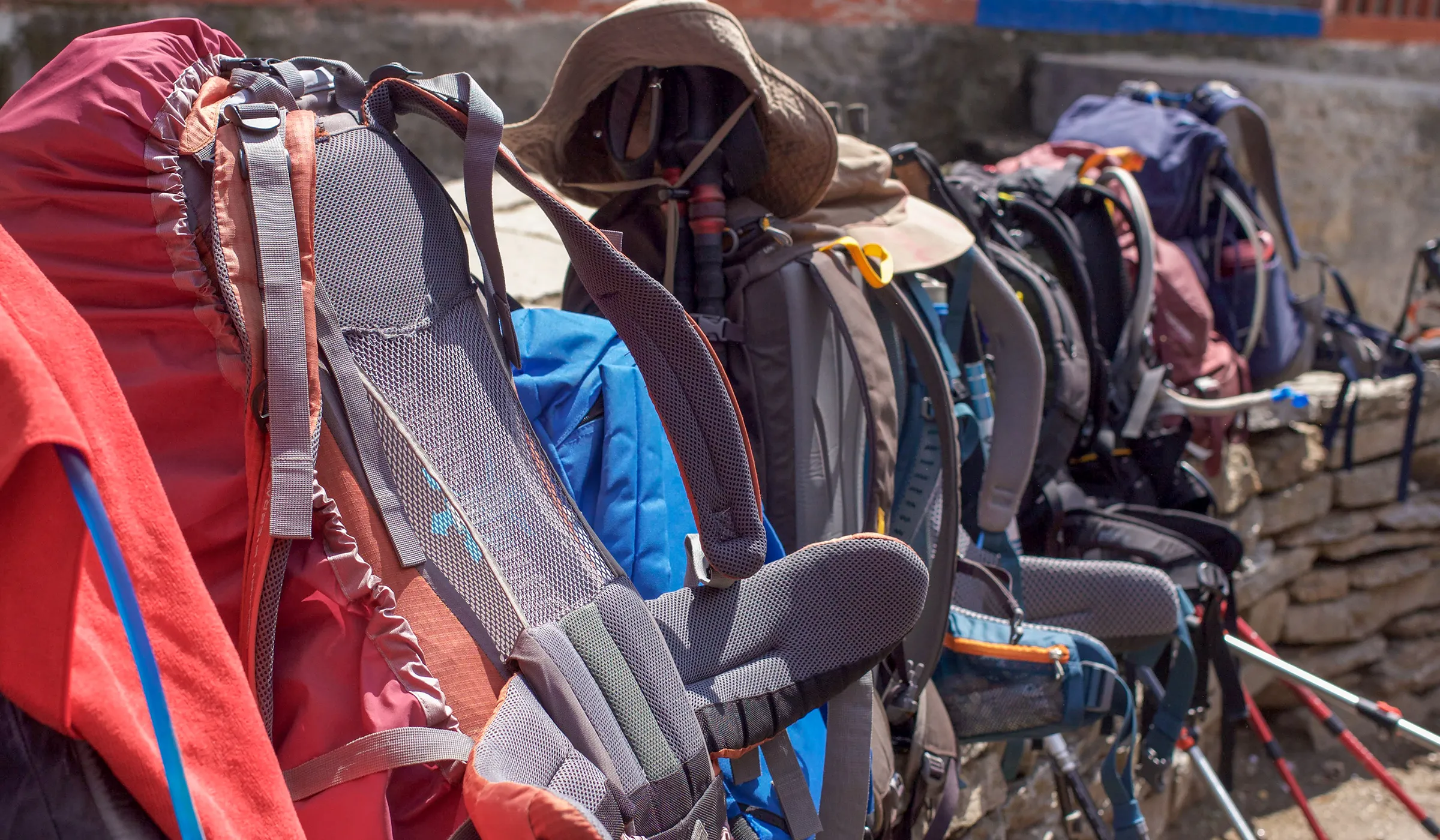
The remaining gear for Kilimanjaro goes into a large, rugged, waterproof duffel bag, ideally of 95-litre capacity. This bag is carried by Kilimanjaro Porters from camp to camp and should not exceed 33 lbs. (15 kg). Also, it’s advisable to pack your items in garbage bags before stashing them in the duffel for extra waterproofing.
Key Points:
- Separate travel and climbing gear into different bags.
- The daypack should include essentials for daily hiking needs.
- The duffel bag should contain the remaining clothing and gear and should be waterproof and lockable.
- Keep the duffel bag weight under the specified limit (33 lbs. or 15 kg).
Factors That Influence The Kilimanjaro Packing List
Preparing your Packing List for Kilimanjaro involves careful contemplation of three essential factors - the weather, altitude, and the duration and type of your trek. These elements will significantly impact the gear you need for a successful Kilimanjaro Climb.
Impact Of Weather:
During your Mount Kilimanjaro Hike, the weather is the most crucial factor to consider.
The dry periods, January-March and June-October, are optimal for trekking, while April-May and November-December present more challenging weather conditions.
Each altitude level, from the humid rainforest at 800m-3000m to the icy Glacial zone at 5000m-5895m, presents unique weather conditions, influencing what you pack for Kilimanjaro.
Altitude Considerations:
The altitude on your Kilimanjaro Trek can make conditions more unpredictable and colder. Risks like frostnip and frostbite are more common at higher altitudes and get worse with low oxygen levels. This makes the selection of the right gear in your Kilimanjaro Gear List all the more crucial.
Duration And Trek Type:
The length of your trek, typically between 5-9 days, dictates the quantity of gear you'll need. Even though Kilimanjaro Porters will assist in carrying gear, you should ensure your duffel bag's weight is manageable, ideally not exceeding 15kg-20kg. This consideration will affect your Mt Kilimanjaro Packing List.
Key Note: – Remember, knowing What to Carry in Your Daypack on Kilimanjaro, understanding the gear you need to climb Mount Kilimanjaro, and selecting the Best Gear for Kilimanjaro are integral for a successful hike.
Considerations Before Climbing Mount Kilimanjaro
Before we delve into the specifics of the Kilimanjaro Packing List, it's vital to address several key factors that should guide your packing decisions for Kilimanjaro. Here's a look at these important considerations:
- A certified guide and trekking team are mandatory. Climbing Kilimanjaro Solo without a guide is not allowed.
- Bear in mind that there are no shower facilities on the mountain.
- Your entire packing list will be segregated into two sections: one in the duffel bag and another in the daypack.
- Except for the Marangu Route, which has huts, all other Kilimanjaro Routes involve camping.
- This is where the invaluable services of Kilimanjaro Porters come into play, as they shoulder the responsibility of transporting your luggage from one camp to the next.
- Regardless of the time of year, make sure to pack warm clothes. Even though the weather in January and February tends to be sunny and warm, the temperatures near the mountain's peak can fall below 0°C.
- Layering is essential. Your Packing List for Kilimanjaro should include three layers of clothing: a base, middle, and outer layer.
- Include a set of non-trekking clothes to wear at the campsites. After a day of hiking and a "wet wipe bath", it's always pleasant to change into something fresh and comfortable.
- The type of clothing for Kilimanjaro is important. While high-quality items like Merino Wool and moisture-wicking fabric are preferable, they can be pricey.
- If budget is a concern, there are more affordable options available. Even standard cotton can be suitable, as long as it's comfortable for you.
- Now let's look at all the essential items you need to pack for your Climbing Mount Kilimanjaro expedition.
Safety Considerations For A Fullmoon Climb On Kilimanjaro
Climbing Kilimanjaro under the light of the full moon can be a magical experience. But it's important to keep safety in mind at all times. Here are some safety considerations to keep in mind when planning a full moon climb on Kilimanjaro:
- Weather – The full moon climb usually takes place during the dry season, which means the weather conditions are generally good. However, it's essential to keep an eye on the weather forecast and be prepared for unexpected weather changes.
- Altitude – Kilimanjaro is a high-altitude mountain, and altitude sickness can be a significant risk for climbers. Be sure to acclimatize properly, stay hydrated, and listen to your body for any signs of altitude sickness.
- Navigation – Climbing Kilimanjaro under the full moon means that visibility can be limited at certain points of the climb. So, ensure that you have a reliable map, a compass, and a headlamp with extra batteries in case of an emergency.
- Equipment – Climbing Kilimanjaro at night under the full moon means that temperatures will drop significantly. So, keep in mind to bring extra layers of clothing and appropriate gear to keep you warm and dry.
- Group Safety – Often it's crucial to prioritize group safety while climbing Mount Kilimanjaro. Stick together as a group, communicate regularly, and keep an eye out for each other. If anyone in the group experiences any issues, such as altitude sickness or injury, take appropriate action and get help if needed.
Travel Documents
Navigating international travel requires a certain set of documents. Without these, your journey to the peak of Kilimanjaro could be over before it begins. Here's what is the must-include in the Packing List for Kilimanjaro.
- A valid passport is crucial (ensure its up-to-date and renew if needed)
- Keep a copy of your passport (either digitally or separate from the original)
- Valid visa; no visa is required for German or European passport holders
- Your overseas health insurance policy Immunization record (verify and update your shots if necessary)
- Your flight ticket (either a hard copy or an e-ticket)
- Carry a travel credit card
- Have some cash on hand
- Maintain a list of emergency contacts and known allergies, if any.
Clothing Section
Climbing Mt Kilimanjaro requires thoughtful preparation due to the mountain's unique and often cold weather conditions. As temperatures can range from 18°C in the rainforest to -5°C at the peak, it's crucial to dress in layers that can be easily adjusted as the weather changes.
Waterproof Outerwear
Choose a breathable and waterproof jacket and trousers. Ensure they have a hood and enough room for additional layers underneath.
Down Jacket Or Thick Fleece
A down jacket or thick fleece is essential for the colder summit nights and evenings. If your down jacket is lightweight, consider adding a fleece jacket for extra warmth.
Mid-Layer Clothing
Wear a mid-layer fleece or jumper over your t-shirts and under your jacket.
Base Layer
Lightweight base layers or thermals provide an extra layer of warmth during cold evenings and the summit night. As they stay closest to your skin, they should be soft and provide adequate comfort.
Trekking Trousers/Shorts
Choose quality walking trousers made of a quick-drying material. Some trousers can convert into shorts, useful for the forest stage.
Underwear
Synthetic or Merino wool underwear is best as they stay dry and comfortable. Remember to pack fresh pairs for each day.
Gloves
Bring waterproof fleece gloves and thin inner gloves. On the coldest summit night, mitts are the best choice to keep hands warm.
Trekking T-Shirts
During the initial phase of your ascent (the first two days), you'll likely trek wearing just this layer. However, as you climb higher and the temperature falls, it will gradually serve more as a foundational layer.
Merino wool is a great material choice for this layer due to its warmth and comfort.
Here is our quick list of all the clothing items that you will ever need on the Mount Kilimanjaro Climbing expedition. This clothing section is divided into top and bottom.
List of Clothing items that must be included in the Kilimanjaro Packing List
|
CLOTHING ITEMS
|
|
TOPS
|
BOTTOMS
|
|
Thermal Base layer (3-4)
|
Underwear (4-5 pairs)
|
|
Short sleeve trekking t-shirts (1-2)
|
Hiking trousers (1-2 pairs)
|
|
Long sleeve trekking t-shirts (2-3)
|
Winter Trekking Pants (1 pair)
|
|
Polartec fleece jacket (1)
|
Thermal Base layer (1-2 pairs)
|
|
Insulated winter jacket (1)
|
Waterproof shell pants ( with size zippers)
|
|
Wind shell jacket (1) or
lightweight rain jacket
(only if the wind shell isn’t waterproof)
|
|
|
Sport Bras
|
|
|
Thin gloves (1 pair)
|
|
|
Thick gloves (summit day)
|
|
Footwear And Headgear
Footwear and headgear are crucial components of your gear when Climbing Kilimanjaro, as they help protect your feet and head, respectively, from the harsh mountain conditions.
Footwear
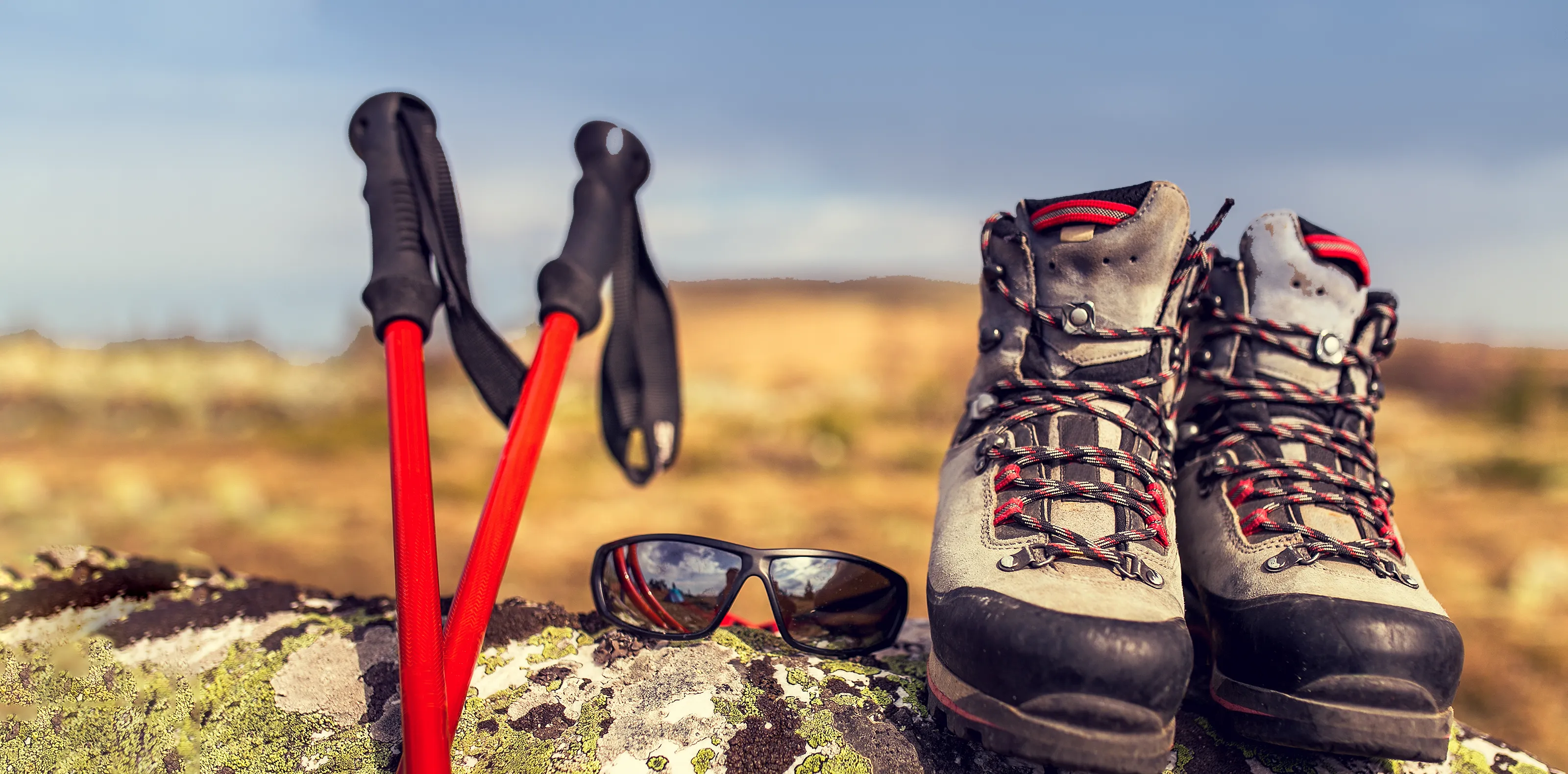
- Opt for leather boots and treat them with waterproofing agents. Choose boots with sturdy ankle support and a rigid midsole. As feet tend to swell at high altitudes, ensure your boots have enough room.
- Carry spare laces and a dry footbed in case of dampness.
- Use regular trekking socks for the initial days and warmer woolen socks for summit night. Ensure these socks fit well in your boots.
- Carry lightweight shoes or sandals to wear at camp for air circulation and comfort.
Our Key Suggestion: Ensure to trim your nails, keep your feet clean, and avoid blisters. You might consider using foot talcum powder and have blister pads handy.
Headgear/Eyewear
- A stretchy, thin material or fleece Buff is useful for protection against sun, dust, and wind.
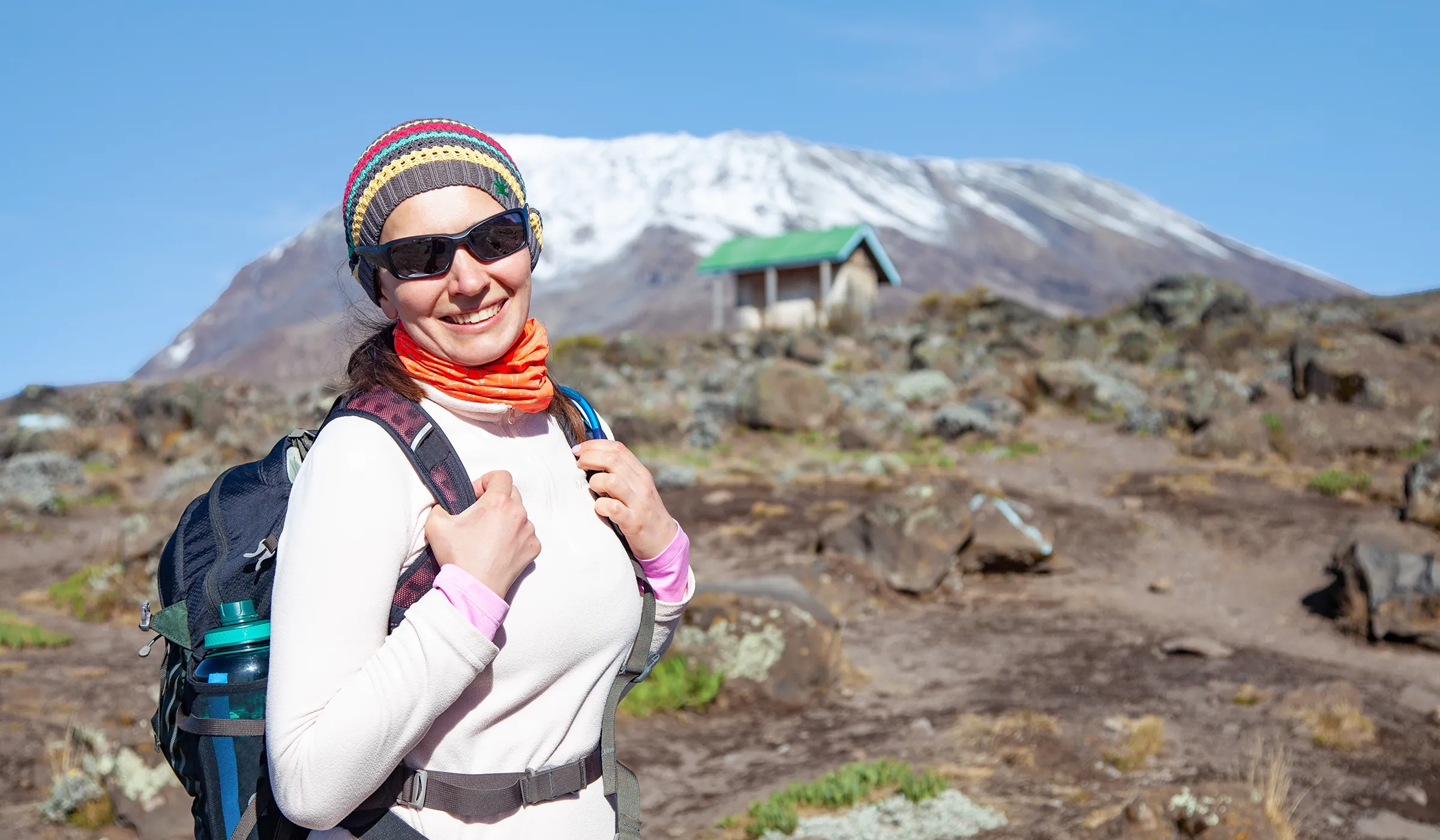
- UV400 sunglasses are essential to protect your eyes from strong UV rays and opt for those with side shields.
- To protect yourself from sun exposure and potential heat stroke, wear a sun hat with a wide brim.
- As temperatures drop, a warm thermal hat is necessary to retain body heat.
Checklist of Footwear and Headgear items to be included in the Kilimanjaro Packing List.
|
FOOTWEAR
|
HEADGEAR
|
|
Mid-weight hiking boots (1 pair)
|
Sun hat with a wide brim
|
|
Sneakers or sports shoes (1 pair)
|
Warm beanie or fleece headband
|
|
Trekking shocks (4-5 pairs)
|
Bandana or neck gaiter
|
|
Inner shocks (3-4 pair)
|
UV Band Sunglasses
|
|
Thick thermal socks (1 pair)
|
|
|
Gaiters (optional)
|
|
Alternatively, you can also download our Kilimanjaro Packing List PDF which contains all the list of items and tick off the checklist after stashing them inside your bag.
Basic Equipment
These are tools and items that are directly related to your climbing experience, ensuring your safety and comfort throughout the journey. Having a collection of these essential basic equipment can significantly impact the success and enjoyment of your trek. Here's a simplified list of basic equipment that should be added to your Kilimanjaro Gear List:
Sleeping Gear
Chilly nights on Kilimanjaro call for a four-season or -20°C rated sleeping bag. Also, don't forget to pack a compression sack to minimize space usage.
Additionally, you can carry an insulated mat and inflatable pillow to protect yourself from chilly weather. That way, you will have a comfy sleep space for yourself.
Scenic Recommendations: In case you don't have one, sleeping bags can be rented from our team in Tanzania.
Trekking Poles
Utilizing trekking poles is a matter of individual choice, yet they are highly suggested to aid with stability and lessen tiredness. You have the option to either rent or purchase these poles, but it's advisable to familiarize yourself with their use in your local surroundings before your trip.
Water Storage
You need to have the ability to carry at least 3 litres of water with you. A combination of a 2-3 litre hydration bladder and a 1-litre bottle is a good setup. Please note that disposable plastic bottles are not allowed on Kilimanjaro to protect the environment.
The Gear List for Climbing Mount Kilimanjaro is given in the below table. Do have a look!
|
BAGS
|
SLEEPING GEAR
|
|
Duffel Bag (>90 litres, waterproof)
|
Sleeping Bag
|
|
Daypack ( 25-35 litres)
|
Sleeping Mat
|
|
Trekking shocks (4-5 pairs)
|
Bandana or neck gaiter
|
|
Waterproof pack cover
|
Sleeping Bag liner
|
|
Compression sacks
|
Compression Sack
|
|
Packing cubes for organizing
|
Inflatable pillow
|
|
Bag locks
|
|
|
WATER STORAGE
|
TREKKING POLES
|
|
Hydration Bladder (2-3 litre)
|
|
|
Wide-mouth water bottle (1 litre)
|
|
Toiletries
As there are no permanent showers in the mountains, you will be only given a hot water bowl to wash your face and hands at the camps. Sometimes, you may be supplied with the hot water bowl in your tent by your guides.
Hence, consider packing some items that promote hygiene and protect you from any kind of infection. Below is a list of recommended toiletries for your Kilimanjaro Packing List:
List of Toiletries that are absolute must-haves when Climbing Kilimanjaro
|
TOILETRIES
|
|
ITEMS
|
DETAILS
|
|
Toilet Roll
|
Always carry one, you never know when you might need it.
|
|
Tissues
|
Helpful in the dusty desert zone.
|
|
Toothbrush and Toothpaste
|
Use eco-friendly products to maintain oral hygiene without harming the environment.
|
|
Wet Wipes
|
A convenient solution when showers are unavailable
|
|
Microfibre Towel
|
Lightweight and quick-drying, great for drying off after a water bucket clean-up.
|
|
SPF Lip Balm
|
Protects your lips from harsh UV rays at high altitudes.
|
|
Small Moisturizer
|
Counteract the dry air at higher elevations.
|
|
Broad Spectrum
Sunscreen
|
UV rays become more potent at altitude, requiring adequate protection.
|
|
Eye Drops
|
To soothe eyes irritated by dry mountain air.
|
|
Insect Repellent
|
Necessary in the rainforest zone to ward off bugs.
|
Special Note for Women : To make your trek more comfortable, females can consider adding the following items.
- A urinating device such as a Shewee allows you to pee while standing, a practical feature on a crowded mountain.
- An eco-friendly pee cloth, like a Kula Cloth, is an effective alternative to the drip-dry method.
- Also, pack your preferred menstrual products regardless of your cycle timing, as high altitude can sometimes trigger an unexpected period
And, if you tend to urinate during the night, a pee bottle could be a practical addition to prevent you from leaving your warm tent. Remember, comfort and preparedness can significantly enhance your Kilimanjaro trekking experience.
Medical Supplies
While our team experts have a well-stocked first aid kit on hand, it's still important for you to carry supplies for minor injuries and blisters. If there's any uncertainty about what personal medical supplies to pack, consulting with your physician or a medical expert is often advisable. Below is the list of medical essentials to be included in the first-aid kit.
- Sanitizing gel or wipes
- Products for mosquito protection (for instance, Nobite, Autan, those containing DEET* or alike)
- Analgesics (like ibuprofen, aspirin)
- Medication for Kilimanjaro Altitude Sickness (such as Diamox)
- Anti-diarrhoea medicine (like Imodium Akut, activated charcoal)
- Antiseptic cream (like Bepanthen)
- Bandages and blister patches
- Water purification devices or iodine tablets
- Hypodermic Needle and Zinc Oxide Sports Tape for popping and dressing blisters.
- If required, electrolyte supplements (in powder or tablet form)
Electronics
As you prepare for your Kilimanjaro Hike, know that there will be no charging facilities on the mountain. So, you'll need to plan your technology needs accordingly.
Let's delve into the key electronic items that you may want to include in your Kilimanjaro Packing List:
List of the electronic items needed while Climbing Kilimanjaro
|
TECH ITEMS
|
DETAILS
|
|
Head Torch and Spare Batteries
|
An absolute necessity, especially for the summit night. It allows hands-free operation.
|
|
GPS/Altimeter
|
Not a requirement but can be beneficial for monitoring your progress and altitude.
|
|
Camera
|
A digital camera with a lightweight tripod will help you take great shots of the mountain. Bring spare SD cards, and a battery pack as they deplete quickly in cold.
|
|
Power Pack
|
As there are no charging stations, a compact power pack with USB cables becomes invaluable.
|
A Note To Climbers: Plan your electronic Gear List for Kilimanjaro carefully to balance between necessity and weight, as each additional item adds to your load.
Keep in mind the cold weather's impact on battery life and plan your power needs accordingly. Ultimately, the goal is to fully enjoy the trekking, not burden it with unnecessary tech.
Other Essentials
In addition to clothing and technical equipment, there are a few extra items you might not immediately think of that can significantly enhance your comfort and convenience during your Kilimanjaro Climb. These other essentials might seem minor, but they can greatly contribute to a smoother and more enjoyable adventure.
List of Other Essential Items to be Included in Kilimanjaro Packing List
|
OTHER ITEMS
|
DETAILS
|
|
Snacks
|
Pack high-energy, non-perishable snacks like trail mix, energy bars, and dried fruits to keep your energy levels up while climbing.
|
|
Ear plugs
|
Ear plugs can help block out any potentially disruptive noise, ensuring you are well-rested for the next day’s climb.
|
|
Small torch
|
Opt for a lightweight, compact torch that won't take up too much space in your bag. It will help you move around the campsite at night.
|
|
Spare Contact Lenses/Glasses
|
If you depend on these for vision, having a backup pair is essential. Don’t forget a sturdy case to protect them.
|
|
Flask
|
A flask is a great addition to your Kilimanjaro packing list. Staying hydrated is crucial at high altitudes, and a flask allows you to carry water easily and keep it at a desirable temperature.
|
|
Umbrella
|
Umbrella provides quick shelter from sudden rain showers or intense sun. Choose a small, lightweight, and sturdy travel umbrella that can withstand strong winds.
|
|
Ziplock bags
|
These bags are required to carry important possessions such as money, passport, etc.
|
Top Tips For Preparing Your Kilimanjaro Gear
Here are some top tips to ensure your gear preparation is on point:
- Preparing in advance is key. Don't wait until the eleventh hour to assemble your gear.
- Carefully go through our "Kilimanjaro Packing List" and cross-check it with what you already own. This will help you identify the items you need to acquire.
- Hunt for discounts. Numerous sites offer high-quality gear for discounted prices. Find those cost-effective deals and save some money.
- Practice Packing. Regularly pack and unpack your bag to have a thorough understanding of where each item is located.
- Get comfortable with your gear. Practice hiking in your local area with hiking boots, daypack, and trekking poles to get acquainted with the gear.
- Plan for the entire journey. Consider the period before and after your climb.
Fortunately, most hotels allow you to leave excess luggage while you tackle the mountain, so plan your Kilimanjaro Climb Packing List accordingly.
Lastly, if you are still unclear about any aspect of your Kilimanjaro Hike Gear List, our team of experts is ready to assist you. Don’t hesitate to reach out to us!
Important Kilimanjaro Packing List Information
When preparing your Kilimanjaro Packing List, several key factors must be considered to ensure a successful and enjoyable hike.
Weight Limits
Your main duffel bag will be carried by porters during your climb on Kilimanjaro. But, there's a weight rule: the bag can only be up to 15 kg (35 pounds). If your bag weighs more or if you have extra bags, you'll need to hire an additional porter.
How To Pack
Use packing cubes or large resealable bags to organize your gear within your duffel bag. They keep your gear organized and dry, making it easier for you to locate items when needed.
What To Pack
We have provided a comprehensive Gear List for Kilimanjaro for your convenience. Ensure you effectively utilize this list by checking off each item as you pack, guaranteeing you're well-prepared for the climb.
Important Note: Kilimanjaro National Park encourages plastic-free hikes to preserve the mountain's natural beauty. So make sure you avoid carrying plastic to the mountain. Opt for reusable water bottles and avoid packing items in plastic bags and save the environment.
Kilimanjaro Packing List With Estimated Prices To Buy
For avid climbers and trekkers, purchasing personal gear, boots, and sleeping bags can be a worthwhile investment. Let’s have a look at some essential items and their estimated price range in USD in the table below:
Essential Items Needed for Climbing Kilimanjaro and their estimated prices.
|
Item
|
Price (USD)
|
|
Hiking Boots
|
$100-$200
|
|
Waterproof Jacket and Pants
|
$50-$200
|
|
Base Layers
|
$40-$100
|
|
Gloves
|
$20-$50
|
|
Headlamp
|
$20-$50
|
|
Daypack
|
$50-$150
|
|
Duffel Bag
|
$60-$150
|
|
Trekking Poles
|
$20-$100
|
|
Sleeping Bag
|
$100-$300
|
Note: Remember, these prices are estimations and can vary based on brands, quality, and location of purchase.
However, the alternative of renting equipment is also available for those climbers who don’t want to invest in buying stuff themselves.
- Renting presents an opportunity to save money and simplify packing.
- This also allows for the acquisition of last-minute items once you've arrived in Tanzania.
At our company, African Scenic Safaris, we have the option of providing rental services for sleeping bags and some other essential gear. For a detailed list, you can download our Kilimanjaro Packing List PDF or else, talk to our team of experts who will guide you pack efficiently for Kilimanjaro Climbing Tours.
Excited for your Kilimanjaro Climbing adventure! With our packing list, you’ll have everything covered for a smooth climb. Begin your journey with confidence – book your climb with us today and let’s make it happen!
What Not To Pack For Kilimanjaro?
Remember careful packing for Mount Kilimanjaro Climbing also involves being mindful of things that should be left behind. Some items can take up unnecessary space, add weight, or simply not be needed on the mountain. Hence, it’s better to avoid them and not include them in the Packing List for Kilimanjaro:
- Hair Dryer- There's no electricity on the mountain, and you won't be showering often.
- Loud Speakers- Opt for headphones instead, as loud music can disturb others.
- Laptops- Without charging opportunities, these are best left behind.
- Heavy Tripods- A lightweight one could work, but remember that fatigue is a factor.
- Makeup- You won't need it on the mountain, and it's generally not used.
- Universal Plug Adaptor- There are no sockets on Kilimanjaro.
- Pressurized Spray Bottles- These can explode at high altitudes.
- Alcohol- It's banned in the national park and not conducive to maintaining good health.
- Excessive Gear- Pack lightly as you or your porters will carry everything.
- Items Provided by Guides- Tents, chairs, camp stoves, and cooking gear are usually supplied.
- Computers and Tablets- There's no WiFi, and these devices are often fragile.
- Disposable Items- Aim for sustainability and bring reusable items.
- Fancy Clothing- Functionality is more crucial than style on the mountain.
Gear Up For Your Kilimanjaro Adventure
As you gear up for the exciting journey of Climbing Mount Kilimanjaro, meticulous planning becomes your greatest ally. And, our thoughtfully curated Kilimanjaro Packing List is a roadmap designed to guide you through this planning and packing process, ensuring no essential item is left behind.
So, if you are ready to turn your dream into a reality, discover our bespoke Kilimanjaro Climbing Packages at African Scenic Safaris. Set out on the journey of a lifetime with us, knowing you're armed with the right gear and backed by the best team. Book your climb today!
Kilimanjaro Packing List PDF
Download our free Arusha National Park PDF for expert safari tips and top recommendations from African Scenic Safaris experts.
Explore Kilimanjaro Travel Guide
Find essential topics below to help you plan, prepare, and enjoy your Kilimanjaro travel experience fully.
Climb Kilimanjaro With Us
Get ready for a mountain adventure with real advice, smiling guides, and simple help that actually works. We’re with you from start to summit.
Frequently Asked Questions
As temperatures vary greatly from the base to the summit, it's recommended to pack clothes for layering.
This typically includes a base layer (thermal underwear), mid layer (fleece or down jacket), and outer layer (waterproof and windproof jacket and trousers).
High-quality, waterproof, and broken-in trekking boots are crucial for your comfort and safety. Additionally, bring multiple pairs of moisture-wicking socks for your Kilimanjaro Climb .
A good quality, 4-season sleeping bag is essential for warmth during cold nights. You may bring your sleeping bag and in case you don’t, our guides will supply a sleeping bag during Kilimanjaro Hike.
Trekking poles are not a must, but they're highly recommended. They can help with balance and reduce the impact on your knees and legs during descents.
A comfortable, well-fitted, 20-35 litre daypack is ideal for carrying your essentials like water, snacks, a camera, sunscreen, and additional layers during the day.
In your daypack, include items like water, high-energy snacks, sunscreen, a camera, extra layers of clothing, sunglasses, a hat, a first-aid kit, and other personal items you may need easy access to during the day.
The views are spectacular! But remember, batteries drain quickly in cold temperatures, so keep them warm and bring spares.
Consult your healthcare provider for advice on medications like Diamox which can help prevent altitude sickness. Also, hydration and gradual acclimatization are key to preventing Altitude Sickness In Kilimanjaro.
Wet wipes, travel-sized toiletries, small towels, toothbrushes and toothpaste, hand sanitizer, and toilet paper are some of the essentials.
Yes, most tour operators set a weight limit for your duffel bag carried by porters (usually 15kg/33 lbs). Your daypack isn't included in this limit, but remember, you'll be carrying it, so keep it light.
Simbo Natai, a Germany-based travel consultant, spent seven years living in Tanzania before returning to snowy Schleswig
About the author





 African Scenic Safaris #1 on TripAdvisor