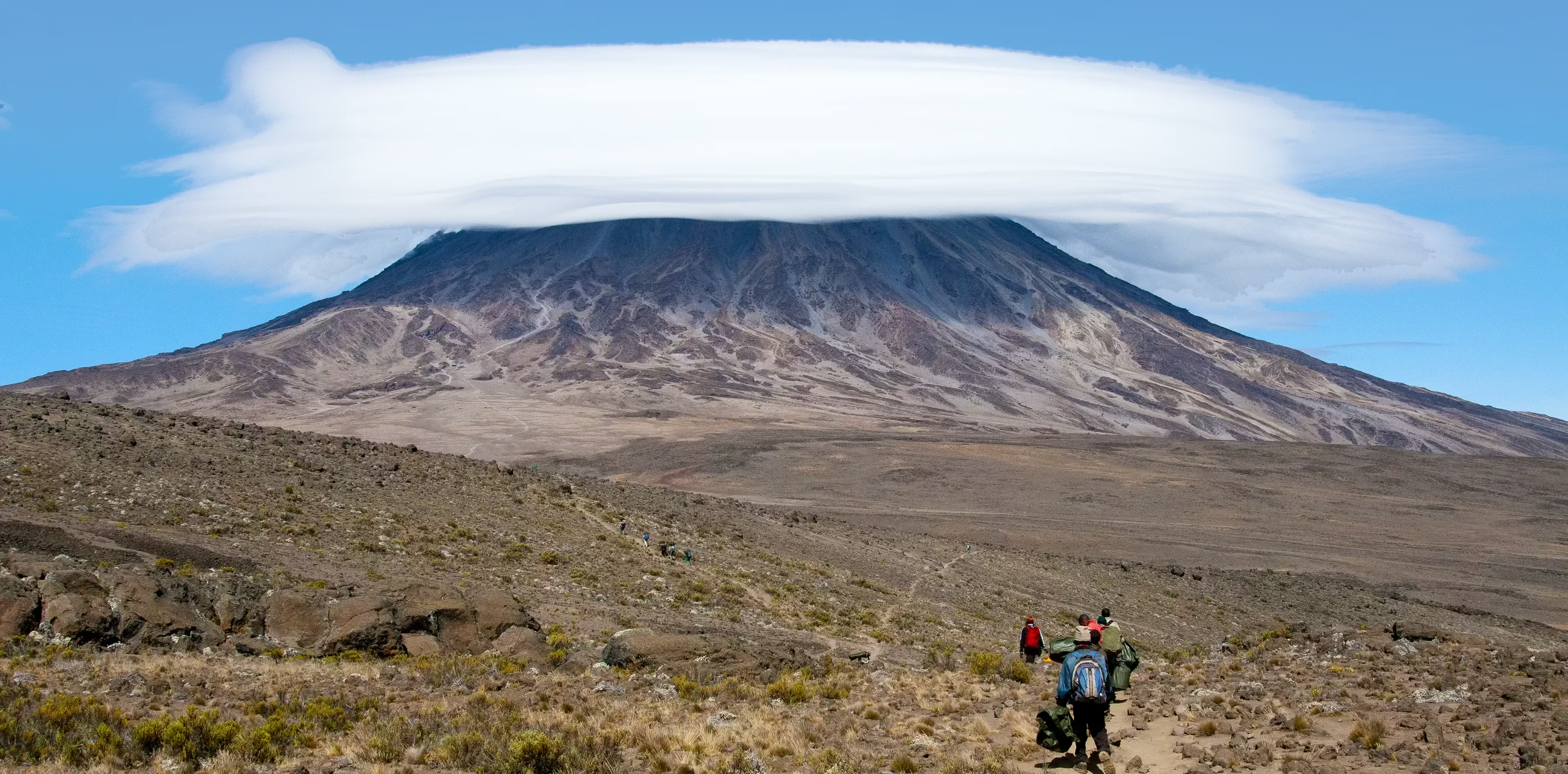
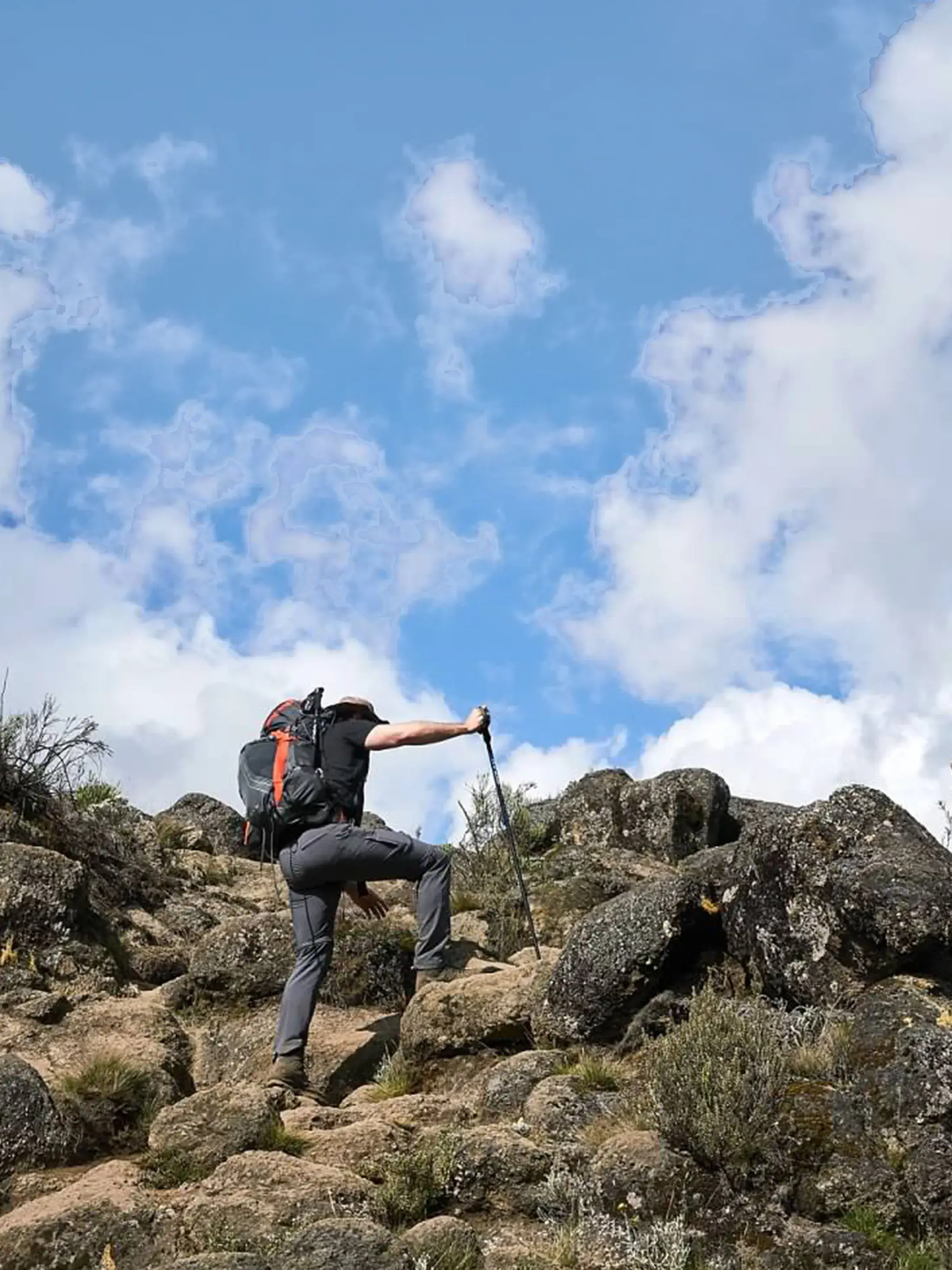
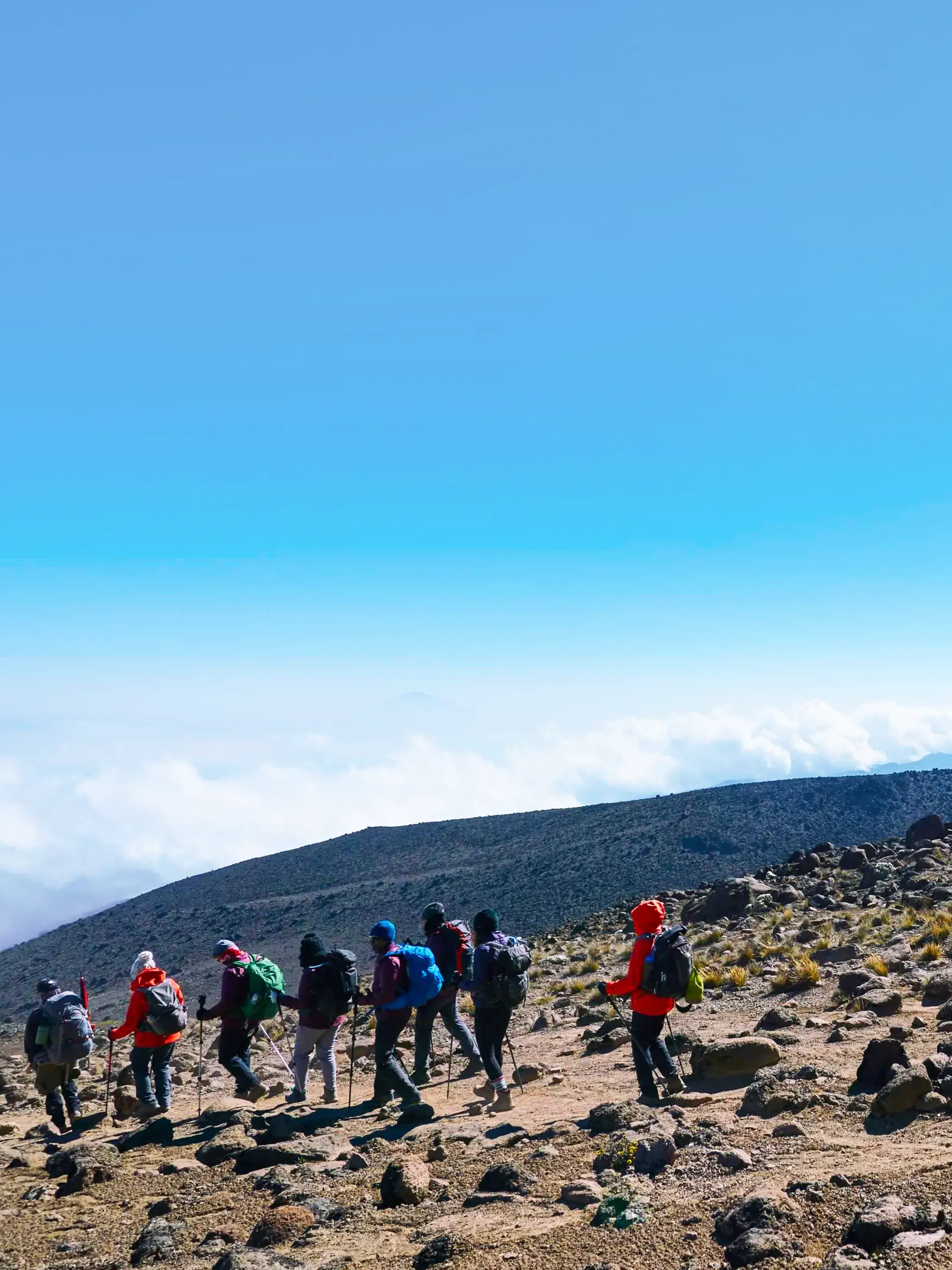
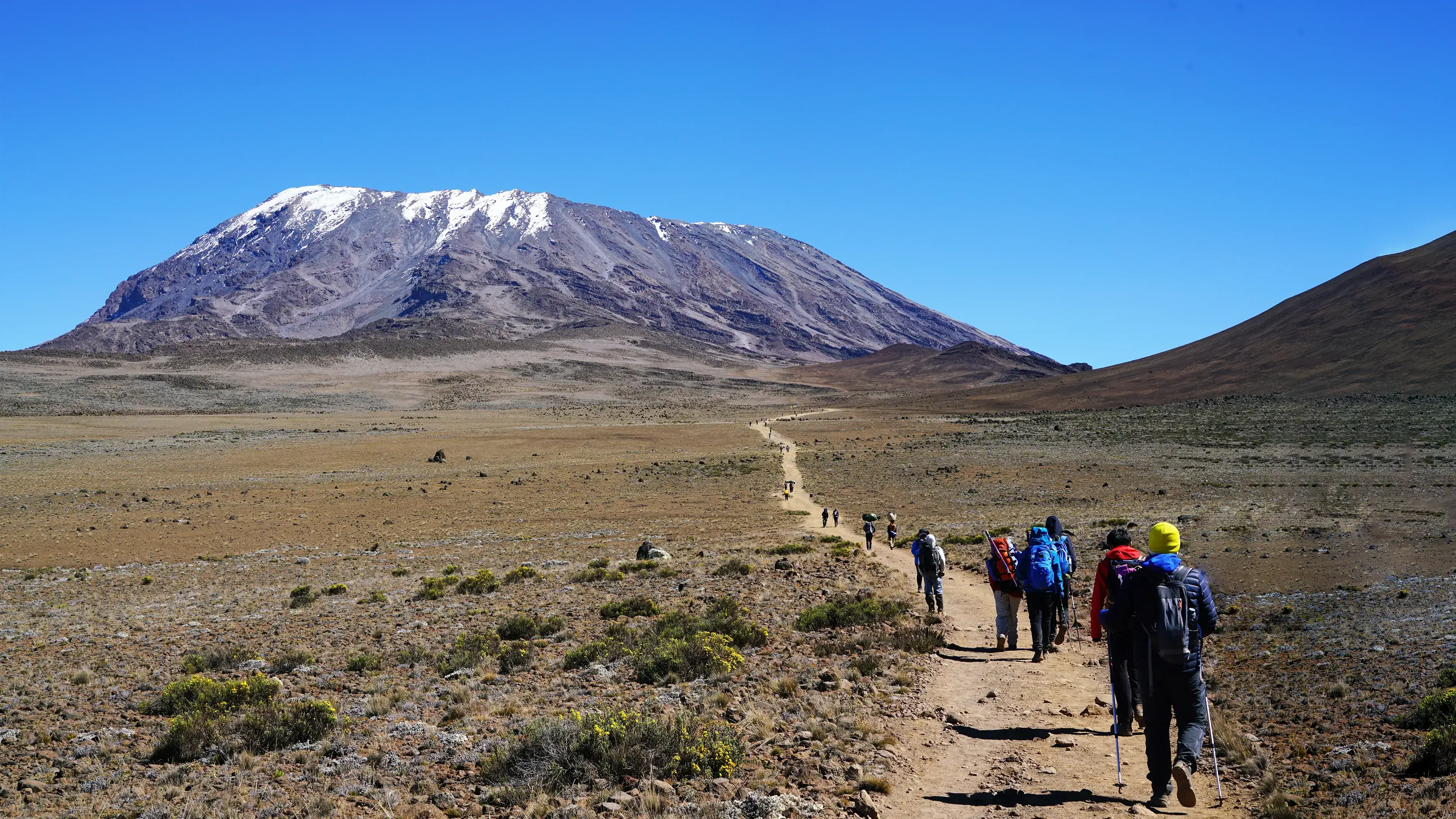
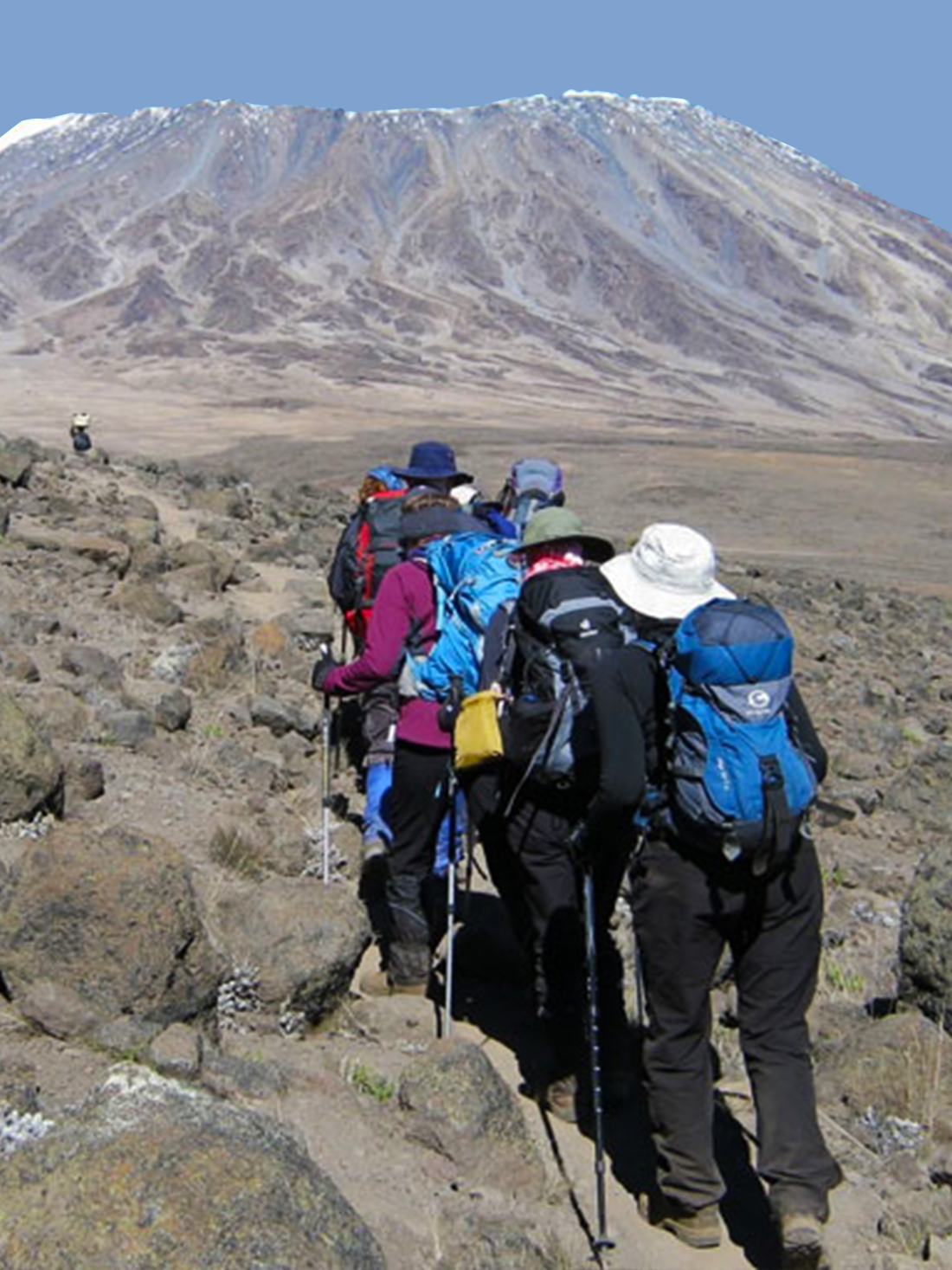
The Lemosho Route starts on the west side of Kilimanjaro, and you can get there by driving 2-3 hours from Moshi or 3-4 hours from Arusha. This path is known for its beautiful, quiet trails that begin in a lush rainforest.
The journey covers 70 km and lasts 8 days, helping climbers get used to the high altitude slowly, which makes reaching the top more likely. This route is easier because it lets climbers adjust to the altitude gradually.
Our Kilimanjaro Climbing Packages include this route, offering a way to climb high during the day and sleep low at night. Mount Kilimanjaro Climbing on the Lemosho Route is great for anyone ready for an adventure, providing scenic views and a less crowded path.
At African Scenic Safaris, we consider the Lemosho Route on Kilimanjaro one of the best ways to experience the mountain. It’s peaceful, scenic, and offers a great chance to adjust to the altitude slowly. The trail begins in a beautiful rainforest and moves through ever-changing landscapes—from green valleys to alpine deserts. This slow and steady route fits perfectly with our safe and responsible Climbing Kilimanjaro style. With more time to acclimatise, climbers feel better and have a higher chance of success on their Mountain Climbing Kilimanjaro journey.
Grab the full itinerary with trek distances, elevations, and day-by-day details—a handy reference to guide your Kilimanjaro preparation from start to summit.
Replanting native trees to restore Kilimanjaro’s fragile ecosystem.
Offsetting carbon footprint by funding renewable energy projects.
Creating fair jobs and supporting local mountain communities.
All accommodation is included from the initial meeting point through to the end of the expedition, as listed on the itinerary. We always choose the highest quality hotels, even when travelling through more remote areas with less established infrastructures.
Upon arrival at Kilimanjaro Airport, you will be transferred to your accommodation where your guide will meet you for a full briefing and equipment check.
This morning you will drive to the Londorossi gate where you will complete entry formalities. From here, your drive continues for around 1 hour to the trailhead.
Enjoy lunch before commencing your trek through lush undisturbed forest where you may be lucky enough to see Colobus monkeys. The path undulates, steeply in places, to arrive at the first camp after 2-3 hours of trekking on Mt Kilimanjaro.
Your trek will begin in the forest; however, you will soon leave it behind, taking a steep track into a zone of giant heather and volcanic rock.
This is a full day ascending the lush rolling hills below the Shira Plateau. Shira is the third of Kilimanjaro’s volcanic cones.
The trail begins to ease as you reach the edge of the plateau, reaching camp after 5-6 hours. The view of Kibo across the plateau is incredible during your Mt Kilimanjaro Climb.
Trek across the Shira Plateau with an optional climb to Shira Cathedral (3,880m). Shira is one of the highest plateaus on earth. The day finishes with a gradual climb to Shira 2 Camp.
Trekking time without the optional excursion is approximately 3 hours. Including acclimatization to the peak of Shira Cathedral will add approximately 1 hour.
This stage is a part of the Kilimanjaro Climbing experience, where each step brings you closer to the summit.
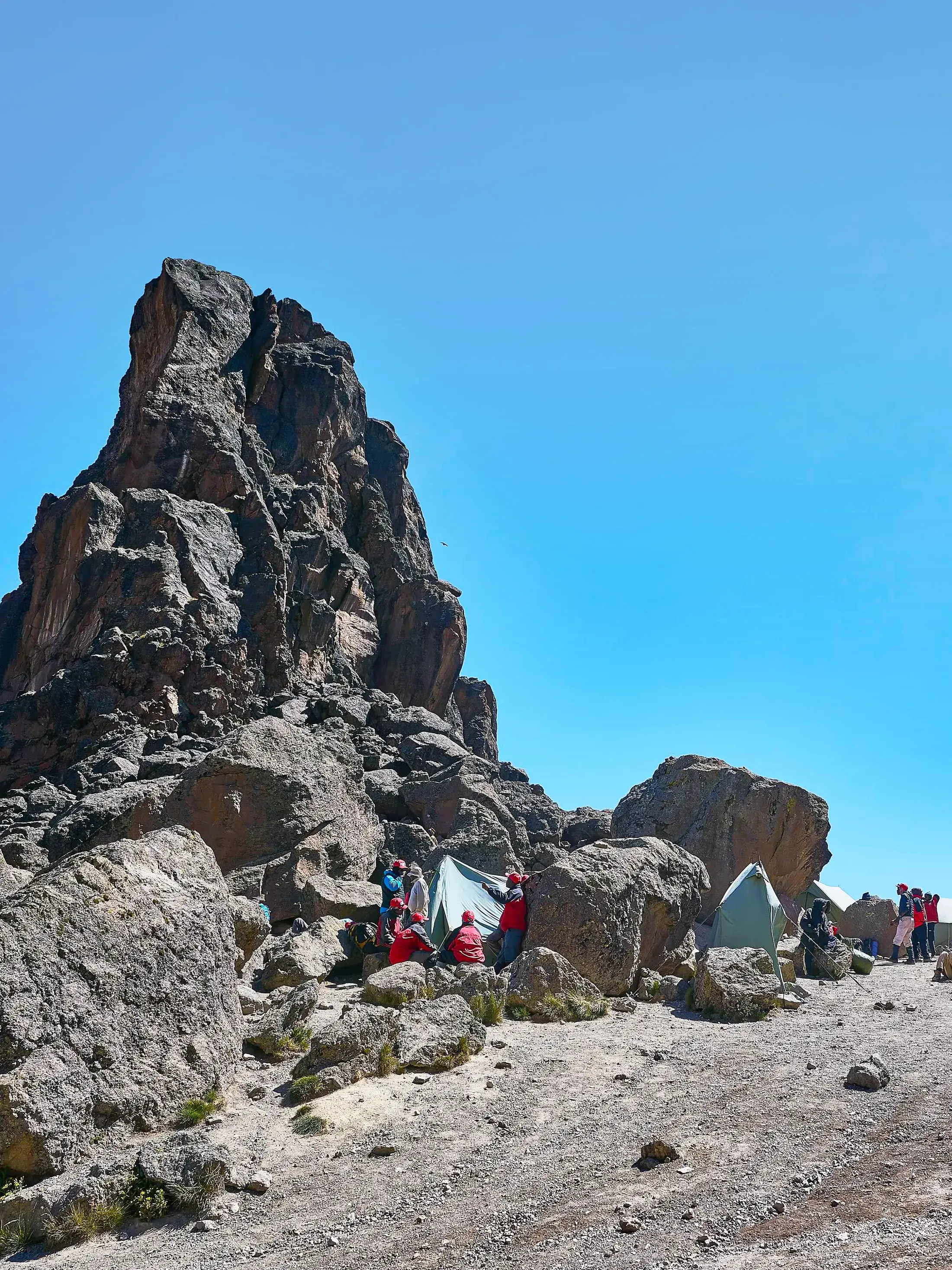
Your climb today will take you steadily up and over the expansive ridgelines of high desert to Lava Tower Kilimanjaro at 4,600m.
The trek to the base of the tower, a 300-foot-high volcanic plug, takes around 4-5 hours. From here, begin a steep descent into the Barranco Valley, passing exotic large flowering plants, Senecio Kilimanjaro. This descent will take 1-2 hours.
Although you end your day at almost the same elevation as you started, today is crucial for acclimatization. Camp is in a beautiful, sheltered valley below the imposing Barranco Wall, a highlight of the Climbing Mount Kilimanjaro journey.
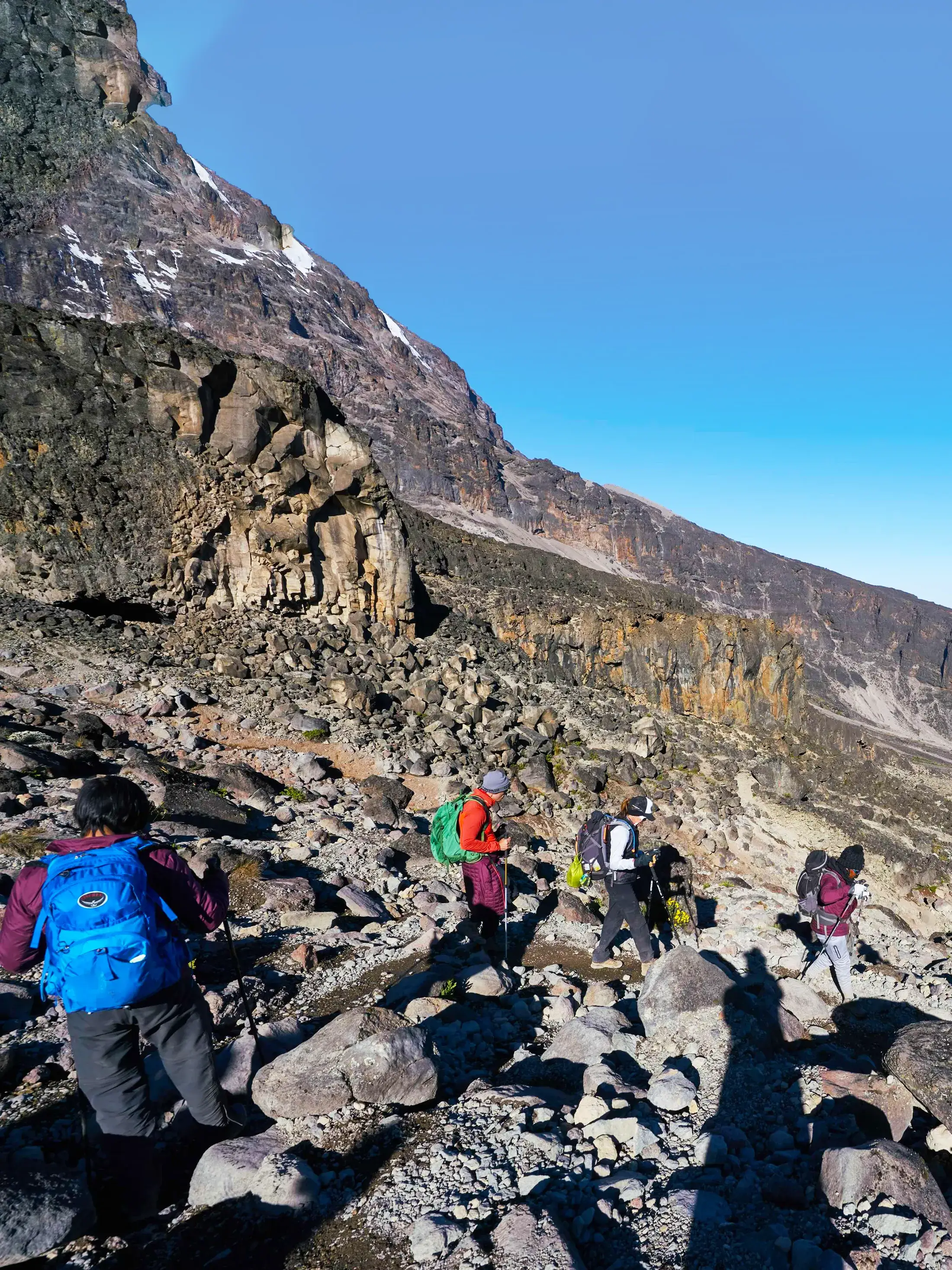
Begin the day by tackling the Barranco Wall, an exhilarating scramble that not only tests your limits but also offers fantastic views back towards camp.
As you reach the top at 4,200m—highlighting the impressive Kilimanjaro Height—follow the undulating path around the mountainside.
On a clear day, the landscape opens up with spectacular views: Kibo looms to your left and Mount Meru stretches out to your right.
The day's journey continues as you descend into the Karanga Valley, followed by a short but steep climb to your camp. The walking time for today's segment is approximately 3-4 hours.
Spend the morning Climbing Mount Kilimanjaro steadily up to Barafu Camp, which is Swahili for ice, and then continue up a rocky slab to Kosovo.
This small camp is located on the ridge below the summit cone. You have now completed the South Circuit, which offers views from many different angles. The walk will take around 4-5 hours, meaning you will arrive at Kosovo in time for lunch and a full summit briefing, before spending the afternoon resting.
The two peaks of Mawenzi and Kibo can be seen from this position, making it a key spot in the Climbing Mt Kilimanjaro experience.
In the early hours of the morning, begin your final ascent to the summit of Kilimanjaro, taking approximately 5-7 hours.
It can be very cold at night at this Mount Kilimanjaro Elevation, but it will warm up by the end of your hiking day, requiring clothing for both temperature extremes.
Just when you think you’ve reached your limit, the sun will rise, and you’ll be rewarded with a rich red sky framing Mawenzi.
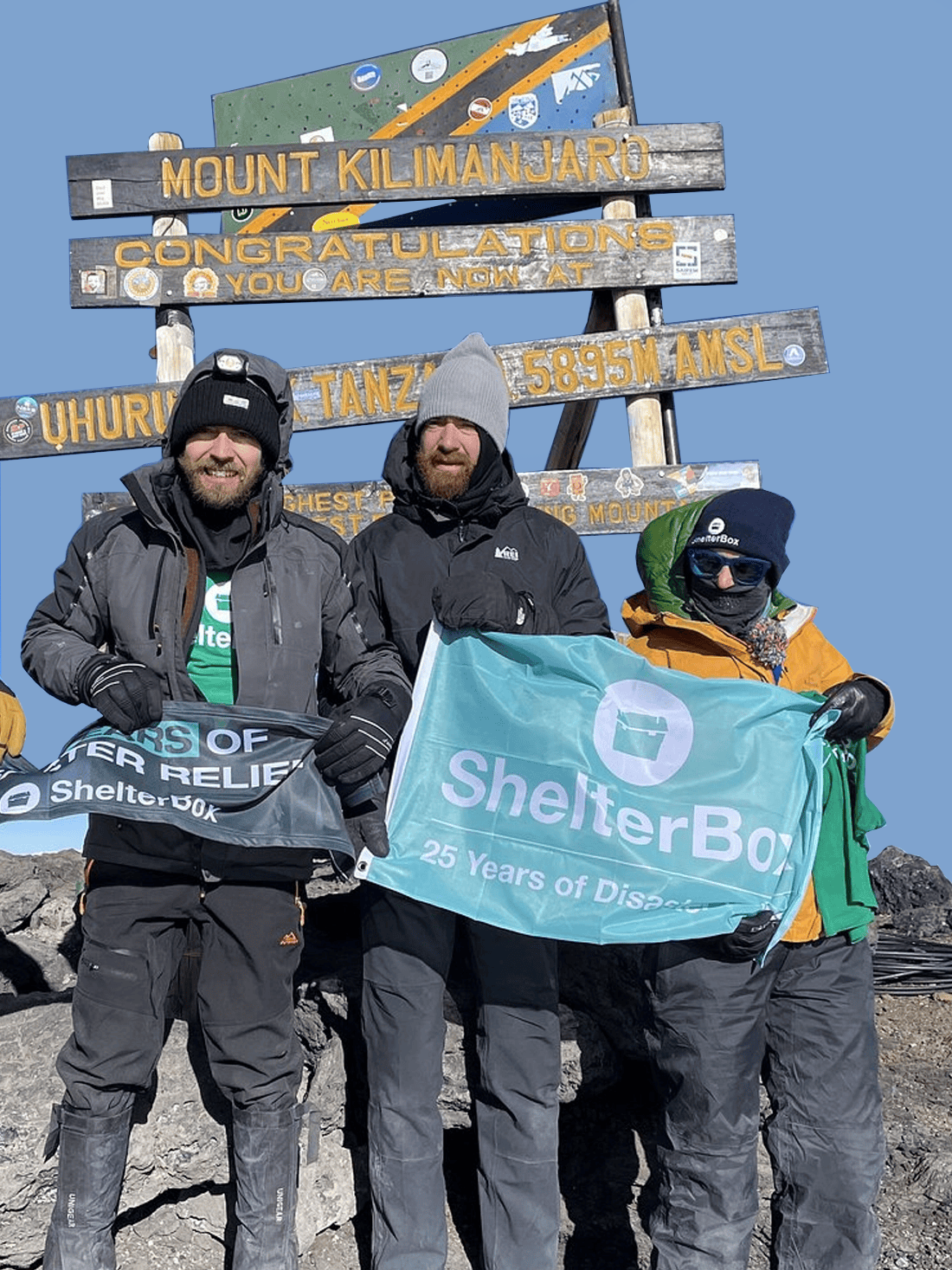
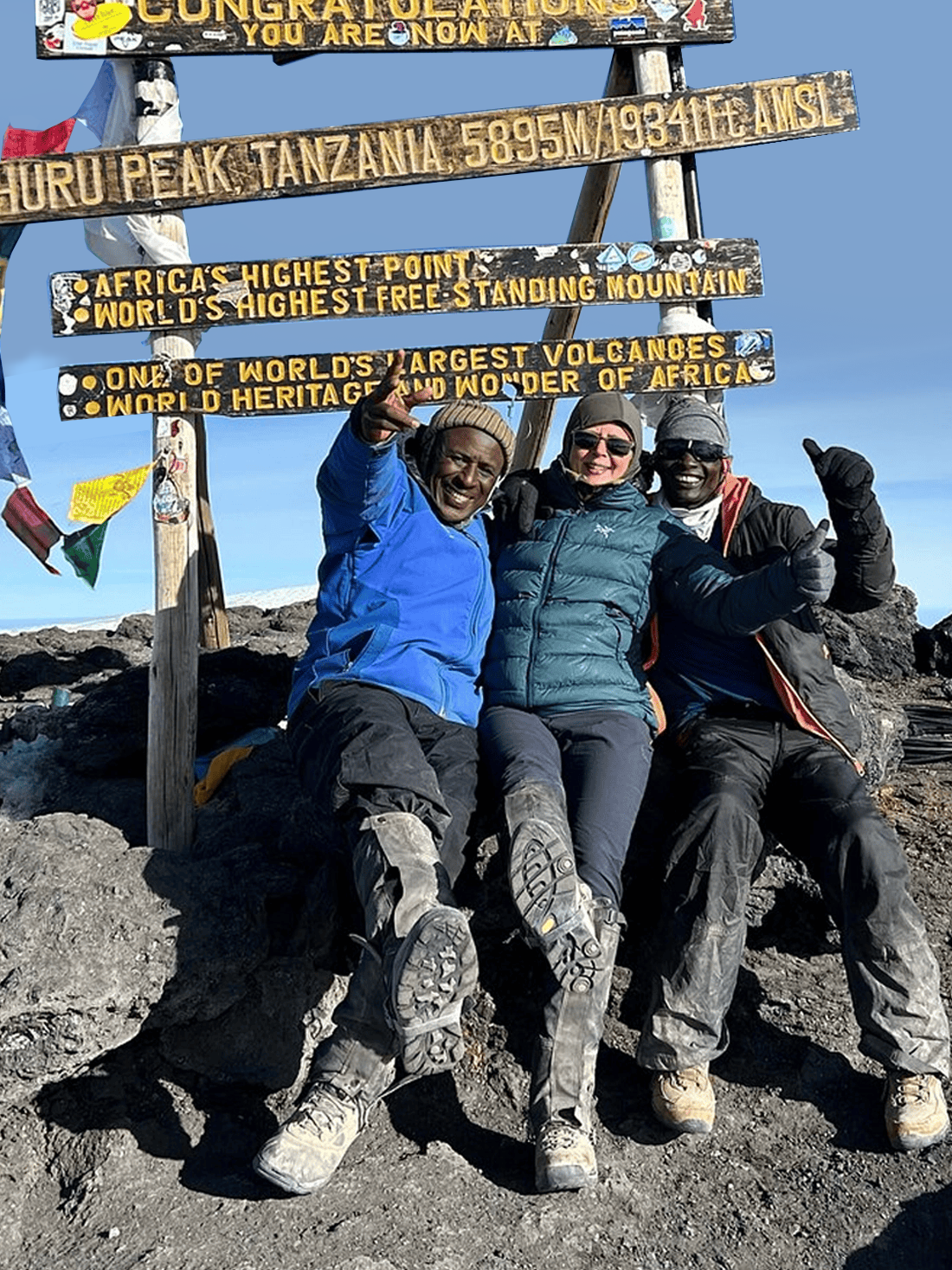
At Stella Point (5,750m), join the crater rim. From here, climb less steeply to Uhuru Peak, the highest point on Mount Kilimanjaro in Africa.
From the summit, descend to Mweka Hut, with lunch served on the way, taking around 6 hours. Enjoy your last dinner on the mountain and a well-earned sleep.
Descend to the gate through the lush forest (2-3 hours), looking for monkeys along the way. You will be collected from Mweka Village and taken to your hotel in Moshi.
Today you will be transferred to Kilimanjaro Airport in time for your flight, or if you’ve decided to extend your Tanzanian adventure, begin the next part of your journey!
Get reliable guidance and personal tips from our local team, based on your travel goals, timing, and trekking style.
We assure the privacy of your contact data.
Scenic, wild, high—Lemosho delivers it all
Hike Length
Average Climb Cost
Kilimanjaro Success Rate
The Lemosho Route Success Rate remains among the highest across all Kilimanjaro climbing routes, especially on the 7- and 8-day itineraries. Both provide a gradual ascent and better adjustment to the challenging Kilimanjaro altitude.
Lemosho Route
From our detailed statistics:
Although the 8-day version shows slightly lower summit numbers, it attracts many first-time trekkers who may lack high-altitude experience. This naturally affects overall success. Also, couples often turn back together if one faces difficulty, which impacts statistics.
Still, the 8-day route remains ideal for beginners thanks to its slower pace and superior acclimatisation opportunities.
For climbers aiming for both safety and scenery, the Lemosho Route—particularly over 7 or 8 days—offers one of the most reliable paths among all Kilimanjaro Routes. It’s a smart choice for reaching the Roof of Africa with strength and confidence.
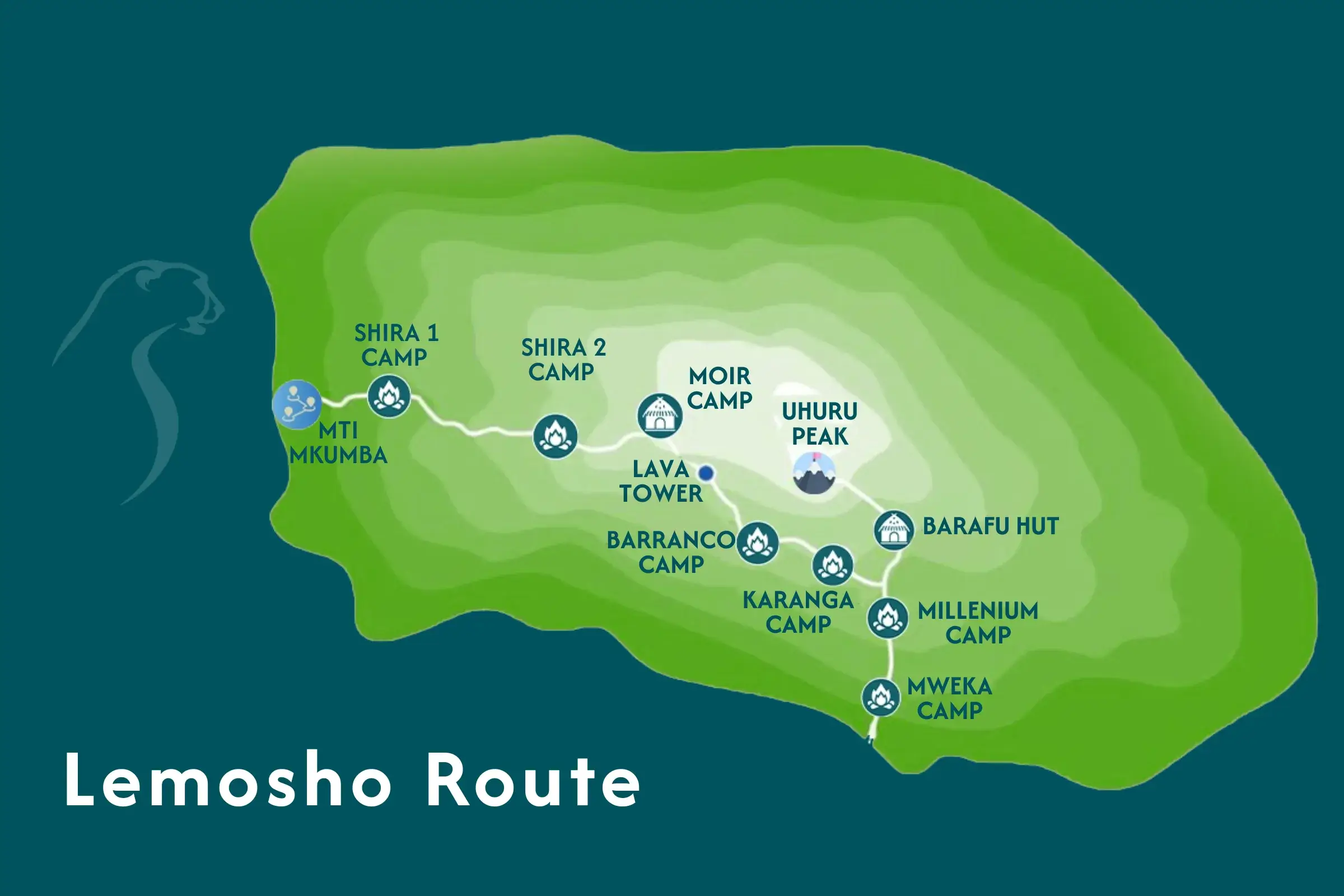
The Lemosho Route Itinerary offers several designated campsites along the trek. These stops are strategically located at various elevations to facilitate acclimatization and provide climbers with opportunities to rest and rejuvenate. The rest stops typically consist of several Kilimanjaro Campsites equipped with tents, dining facilities, and basic amenities.
The following representation provides various examples of the rest stops along the Kilimanjaro Lemosho Route Map along with the location:
| Camp Name | Elevation (In Metres) | Elevation (In Feet) |
|
Londorossi Gate |
2,100 |
6,890 |
|
Mti Mkubwa Camp |
2,820 |
9,250 |
|
Shira 1 Camp |
3,505 |
11,499 |
|
Shira 2 Camp |
3,840 |
12,598 |
|
Moir Hut Camp |
4,200 |
13,780 |
|
Lava Tower Camp |
4,630 |
15,190 |
|
Barranco Camp |
3,950 |
12,960 |
|
Karanga Camp |
3,995 |
13,106 |
|
Barafu Camp |
4,673 |
15,331 |
|
Mweka Camp |
3,100 |
10,170 |
Climbers are encouraged to listen to their bodies, stay hydrated, and take advantage of these rest stops to ensure a safe and enjoyable experience on the Lemosho Route Kilimanjaro.
Download our detailed Lemosho Route PDF to explore daily itineraries, altitude profiles, packing tips, and expert advice—your complete guide to climbing Kilimanjaro with confidence.
The Kilimanjaro Climb Cost via the Lemosho Route is based on the duration of the trek, the number of climbers in the group, and the level of service. As a guideline, here are the estimated costs for the two main itineraries:
This shorter Mt Kilimanjaro climb itinerary is priced between $2,505 per person, depending on the number of participants and the level of service included in our Kilimanjaro Climbing Packages. Prices reflect variations based on factors such as accommodation, meals, equipment rental, and park fees.
The longer Lemosho Route itinerary of 8 days generally offers a more relaxed pace, allowing for better acclimatization and increased chances of summit success.
The cost of this itinerary starts at $2,710 per person. Prices include variations based on the number of participants and the level of service included in our Kilimanjaro Climbing Packages, with factors such as accommodation, meals, equipment rental, and park fees influencing the total cost.
Before you start your adventure on Kilimanjaro's Lemosho Route, remember to plan for extra costs. These include tipping your guides and porters, buying Kilimanjaro Travel Insurance, and any visa fees. Planning these will help you be fully ready for your climb.
The Best Time to climb Kilimanjarovia the Lemosho Route is when the weather is dry, from January to March and June to October.
Climbing during these months might cost a bit more because more people want guides and places to stay. However, picking these months for your climb means better weather for your trek to the top.
Also, consider climbing during a Kilimanjaro Full Moon Climb. Climbing when the moon is full is special because the moonlight lights up the paths beautifully at night. This makes it easier to see and walk, and it adds something magical to your climbing experience.
By keeping these tips in mind, you’ll be better prepared and have a more enjoyable climb up Kilimanjaro.
(Per Person in USD)
There are different ways to climb Kilimanjaro, and each one offers a slightly different experience. Some routes are great for beginners, others for seasoned hikers. It just depends on how you like to climb.
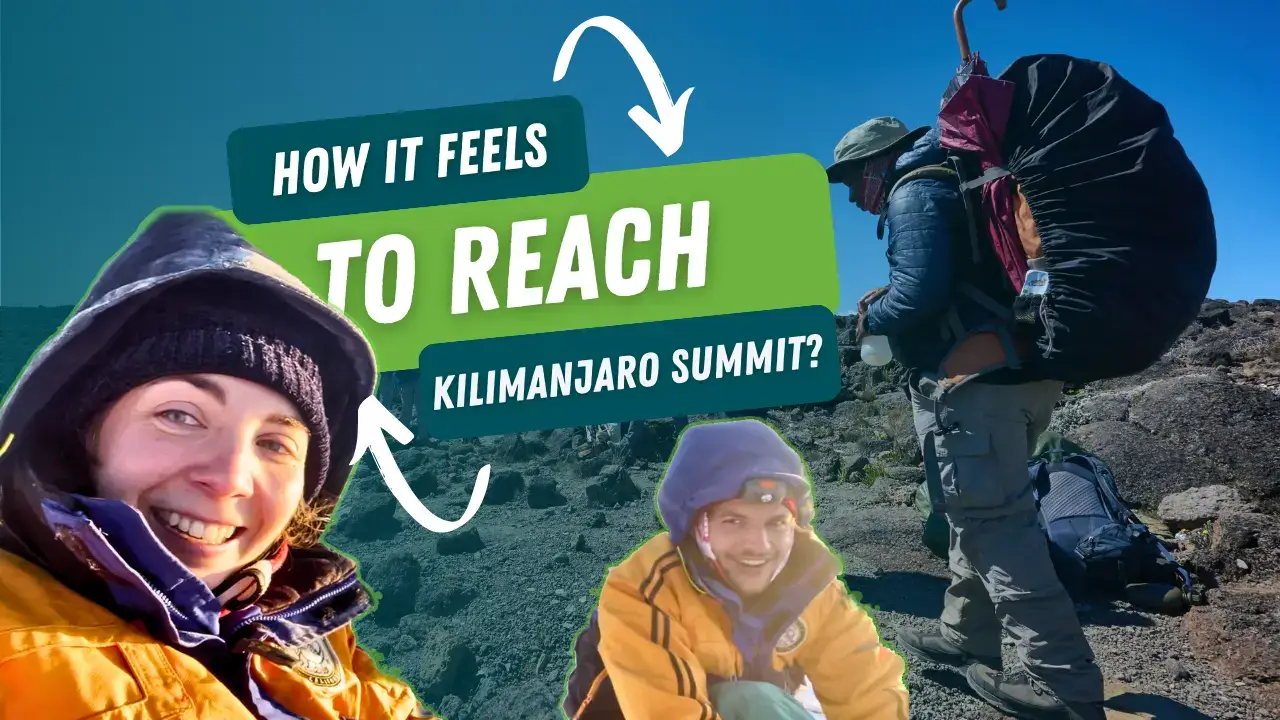
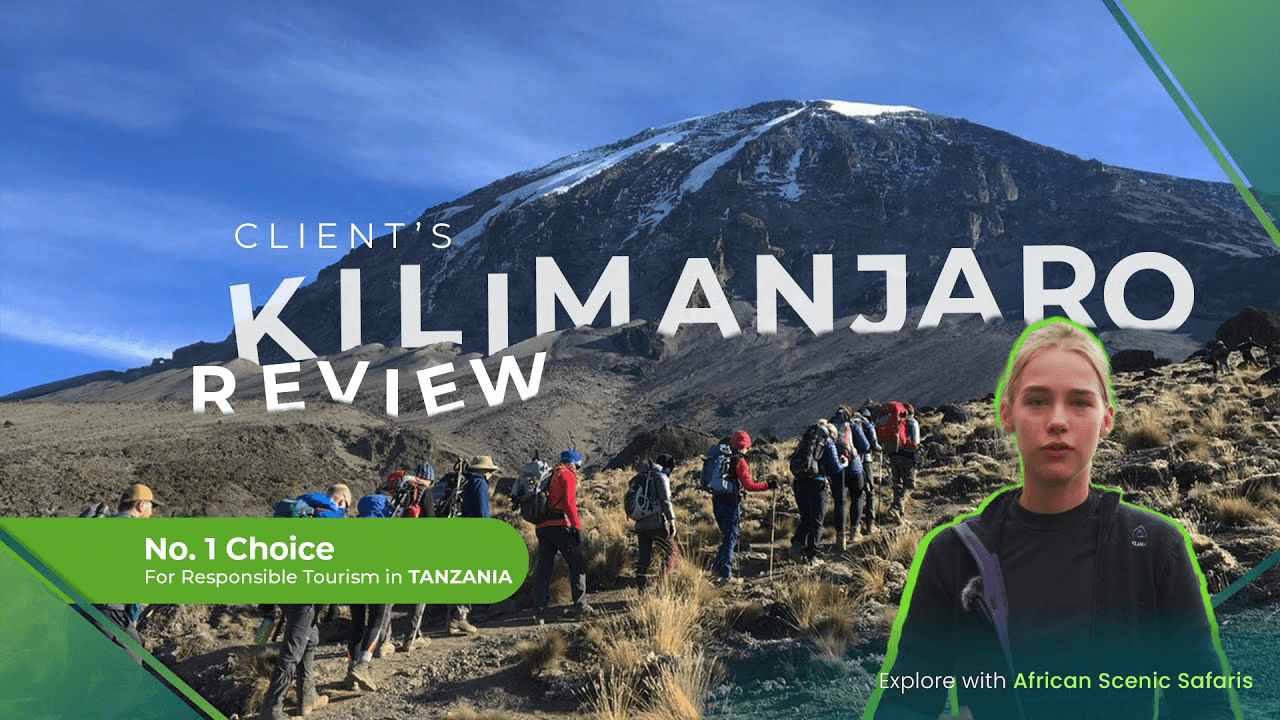
African Scenic Safaris #1 on TripAdvisor Every trek has a story to tell. Some are about getting to the top, while others are about the way they got there. It's not just about hiking Kilimanjaro—it's about who you walk with and how it makes you feel. Our guests share honest moments, helpful tips, and warm memories that remind us of this.
This section breaks down everything from trek length to what to pack and how to prepare. If you’re choosing the Lemosho Route, these answers will help you feel ready.
It typically takes around 7-8 days to complete the Tanzania Mt Kilimanjaro Climb via the Lemosho Route. This route allows for better acclimatization and higher chances of reaching the summit.
The Lemosho Route on Kilimanjaro is considered to have a moderate to challenging difficulty level, requiring good physical fitness, stamina, and mental determination due to steep sections and high altitude.
At African Scenic Safaris, we consider that a successful climb is making it up and back down Kilimanjaro safely, regardless of whether you reached the summit or not. In this regard, our success rate is 100%. Nonetheless, the Lemosho Route Success Rate is still very high.
Yes, the Mount Kilimanjaro Lemosho Route is renowned for its scenic beauty, offering diverse landscapes such as lush rainforests, moorlands, alpine deserts, and breathtaking views, making it one of the most visually appealing routes on Mount Kilimanjaro.
The average daily trekking distance on the Lemosho Route Map ranges from 6 to 12 kilometres (3.7 to 7.5 miles), depending on the specific day and campsite.
Compared to other Kilimanjaro Climb Routes, the Lemosho Route is generally less crowded, offering a quieter and more serene trekking experience with fewer fellow climbers encountered along the way.
While not mandatory, it is highly recommended to undergo physical training and preparation before climbing the Lemosho Route. This includes cardiovascular exercises, strength training, and hiking to improve endurance and fitness levels.
The Best Time to Climb Kilimanjaro via the Lemosho Route is during the dry seasons, which are from June To March, providing better weather conditions and increased chances of a successful summit.
The Lemosho Route Kilimanjaro has a total of 6 camp stays, including camps like Shira 1 Camp, Barranco Camp, Karanga Camp, Barafu Camp, and sometimes Millennium Camp or Mweka Camp.
Attractions along the Kilimanjaro Lemosho Route include the lush rainforests of the lower slopes, stunning views of the Shira Plateau, the iconic Barranco Wall, the lunar-like landscape of the Southern Circuit, and the magnificent sunrise from the summit of Kilimanjaro.