Know About Training For Kilimanjaro
A pair of hiking boots and a sense of adventure? Just these things will not suffice on Kilimanjaro! The climb requires a comprehensive Training for Kilimanjaro approach to physical conditioning, mental preparedness, and strategic acclimatization.
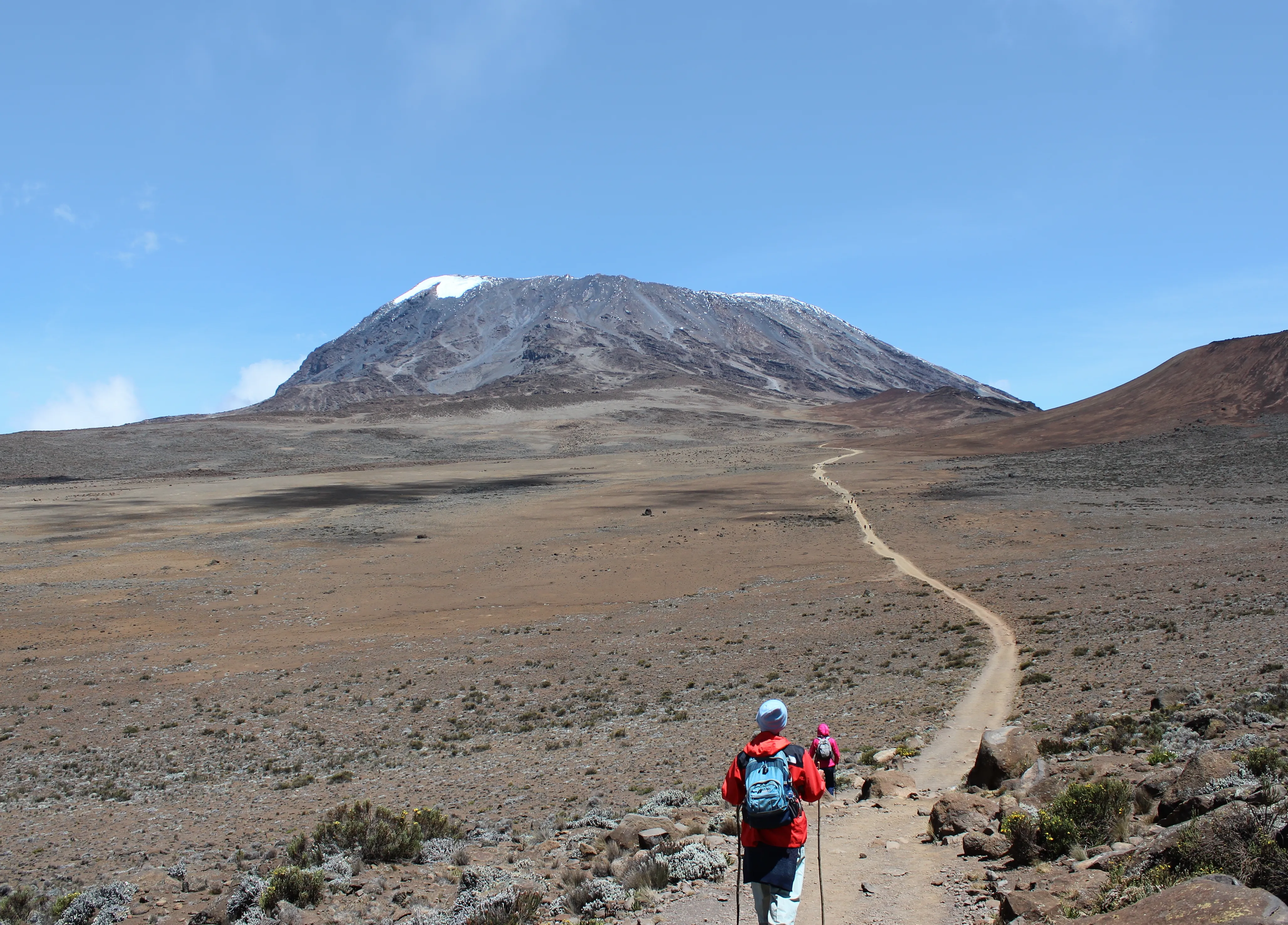
Climbing Kilimanjaro may not necessitate technical mountaineering skills, but it is a difficult multi-day trek at high altitudes, posing unique challenges that can test even the most seasoned adventurers. We have a task to accomplish through this exploration – to equip climbers with the knowledge and tools necessary for a seamless Mount Kilimanjaro Climbing adventure.
Physical Conditioning For Kilimanjaro Climbs
Preparing for the physical demands of ascension requires a targeted Kilimanjaro Training Program that builds strength, endurance, and flexibility. Incorporating a variety of exercises into the Training Plan for Kilimanjaro can help you develop the necessary fitness levels for a successful climb.
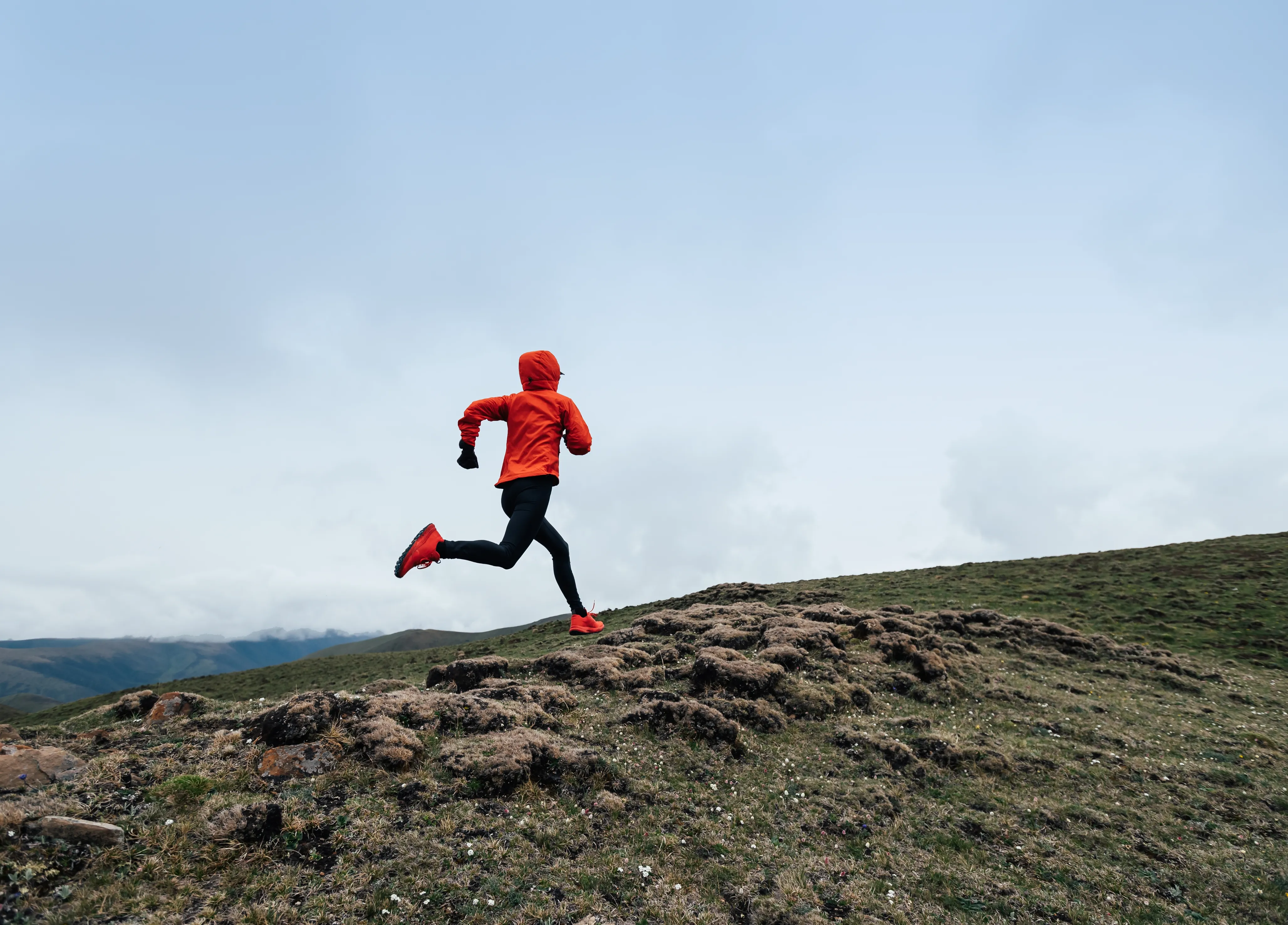
- Aerobic exercises such as hiking, running, and cycling are excellent for building cardiovascular endurance.
- It is essential for tackling the steep inclines and high altitudes of Kilimanjaro.
- Strength training exercises like squats, lunges, and deadlifts can help strengthen the muscles in your legs, core, and upper body.
- The advantage of this is the stability and power that will be acquired to navigate rocky terrain and carry a backpack.
Incorporating exercises like yoga, Pilates, and balance drills into the Training Schedule for Kilimanjaro can help enhance your coordination and stability, making it easier to navigate uneven terrain and rocky paths.
- Furthermore, flexibility exercises such as stretching and foam rolling can help improve mobility and range of motion, reducing the likelihood of muscle strains and injuries during the climb.
- It's important to gradually increase the intensity and duration of your workouts as you progress in your training program to build endurance and prepare your body for the physical challenges of Climbing Mt Kilimanjaro.
The following is a representation going over the typical Training Plan for Kilimanajro:
| Exercise Type |
Duration |
Description |
| Warm Up and Stretch |
5 minutes |
Stretching to prepare muscles |
| Aerobic Exercise |
15 minutes |
Cycling or jogging at moderate intensity |
| Strength Training |
10-12 reps (3 sets) |
Squats, Leg press, Calf raises, Leg curls |
| Body-weight Training |
25 reps |
Lunges, Sumo Squats |
| Aerobic Exercise |
20 minutes |
Stairmaster, Cycling, or running on an incline |
| Cool Down and Stretch |
8 minutes |
Gentle cycling or jogging, followed by static stretching |
| ESTIMATED TOTAL TIME |
1 hour 10 minutes |
Month |
By following a comprehensive Training Programme for Kilimanjaro that includes aerobic exercise, strength training, balance and stability work, and flexibility training, you can enhance your physical conditioning.
Training For The Kilimanjaro Altitude – The Strategies
Various strategies can help individuals acclimatize effectively and reduce the risk of Kilimanjaro Altitude Sickness, Acute Mountain Sickness (AMS), High Altitude Pulmonary Edema (HAPE), and High-Altitude Cerebral Edema (HACE).
Below we have lined up the different strategies for coping with the Altitude of Mt Kilimanjaro:
| Acclimatization Strategy |
Training Suggestions |
| Gradual |
Ascent Follow a well-paced itinerary with gradual increases in elevation, allowing time for the body to adjust to altitude. |
| Hydration |
Stay well-hydrated by drinking plenty of fluids, preferably water, to maintain blood volume and aid in adaptation. |
| Supplemental Oxygen |
Use portable oxygen systems as a temporary measure to alleviate symptoms of altitude sickness and aid acclimatization. |
| Medication |
Consult with a healthcare professional about medications like acetazolamide (Diamox) to prevent and alleviate symptoms |
| Healthy Lifestyle |
Maintain proper nutrition, rest, and stress management to support the body's adaptation to high altitudes. |
Using Regular Activities As Training Opportunities
In addition to your structured Training to Climb Mt Kilimanjaro, seize opportunities throughout your daily routine to enhance your preparation. Utilize everyday activities as training opportunities – add a 20-pound daypack to your dog-walking routine or opt for the stairs instead of the elevator. Every step counts towards building endurance and strength.
Key facilities include
- Whether you're in the hills or at the gym, make the most of your surroundings to simulate the challenges of Mount Kilimanjaro Climbing.
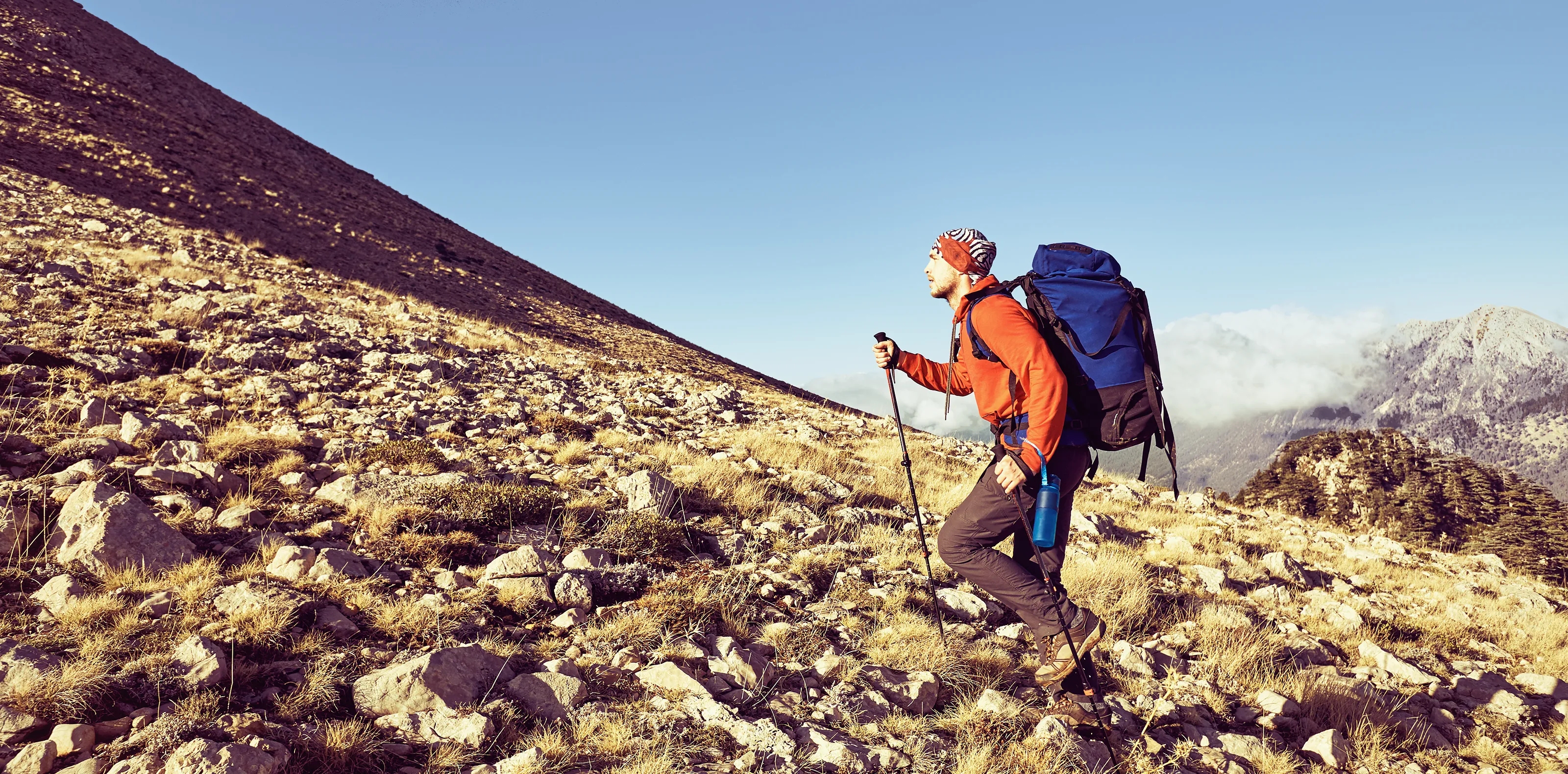
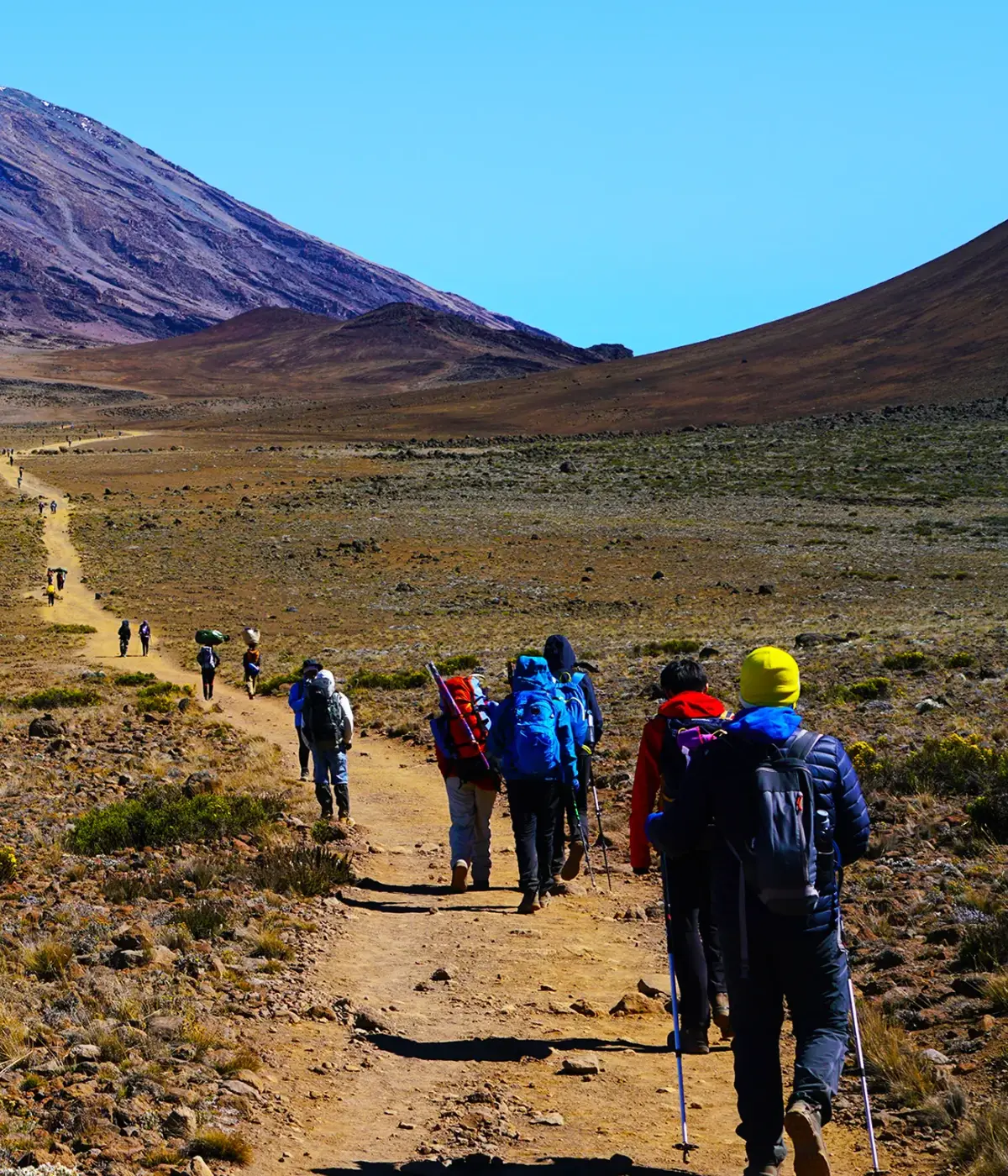
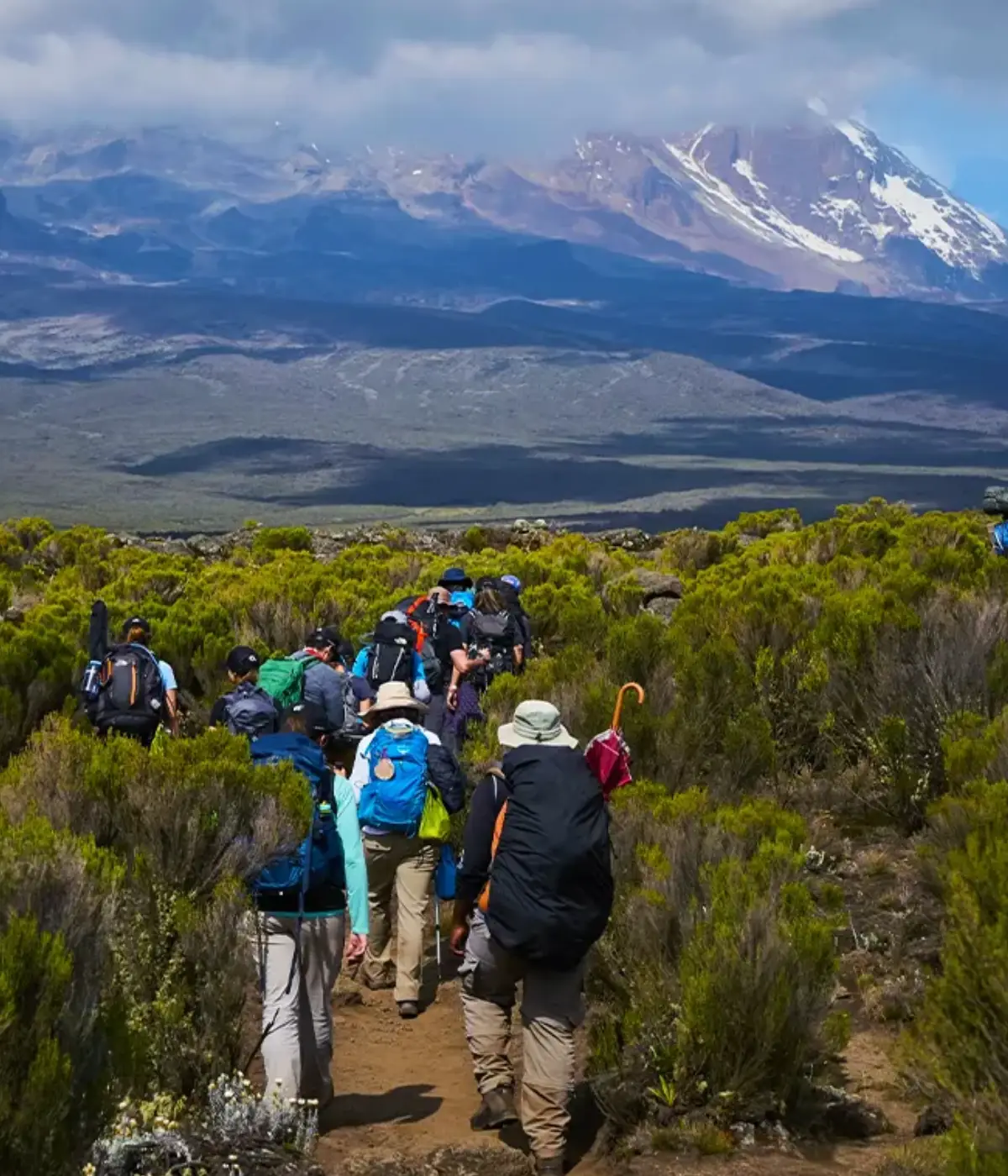
- Hiking over uneven terrain or increasing the duration of your walks can mimic the demands of the mountain, preparing you for long hours on your feet.
- If hills aren't accessible, opt for treadmill incline workouts or use the stair climber while wearing your hiking boots and daypack to replicate the experience.
- Ensure that your training plan is progressive, gradually increasing intensity and duration to challenge your body without risking burnout.
- Listen to your body's cues and adjust your training as needed to avoid overexertion and injury.
We Advise in – Consulting with a personal trainer or utilizing online training programs. This can provide valuable guidance in structuring an effective and safe Training Programme for Kilimanjaro that is tailored to your fitness level and goals.
Incorporating a variety of exercises, including cardiovascular workouts, strength training, and balance drills, into one's training regimen can help build the strength needed for a successful Kilimanjaro ascent.
Rest And Recovery – They Are Important Too
While it's essential to push yourself during the course of a Kilimanjaro Climb, it's equally important to recognize the signs of overtraining, such as muscle soreness, fatigue, and poor sleep. These indicators suggest that you may be pushing too hard and need to prioritize rest and recovery.
- Starting the Training to Climb Kilimanajro early, ideally three to six months before your climb, allows for a gradual buildup of fitness and endurance.
- Remember, success isn't achieved overnight! It's the result of consistent effort and dedication over time.
- To keep your training effective, vary your workouts every 3-4 weeks.
- Incorporating different activities and exercises challenges your body in new ways, preventing adaptation and ensuring continuous progress.
- Avoid solely walking for your preparation, as your body can quickly adapt to this activity, particularly at sea level.
As your climb date approaches, stop the Training Program for Kilimanjaro about two weeks beforehand. While it's essential to maintain some level of activity, reducing the intensity allows your body to recover fully and ensures you start your climb feeling fresh and energized.
Nutrition And Hydration Guidelines
Proper nutrition and hydration are fundamental aspects of preparing for a Kilimanjaro Climb, as they play a decisive role in:
- Sustaining energy levels
- Enhancing performance
- Supporting overall well-being throughout the expedition
Here are insights into the importance of nutrition and hydration, along with tips for meal planning and hydration strategies at high altitudes:
Importance of Nutrition
Sustained Energy Levels – Consuming nutrient-rich foods ensures a steady supply of energy for the demanding physical exertion required during the Kilimanjaro Trek.
Muscle Recovery and Repair – Adequate protein intake supports muscle recovery and repair.
Immune Function – Proper nutrition boosts the immune system, reducing the risk of Kilimanjaro Altitude related illnesses.
Hydration – Staying well-hydrated is essential for regulating body temperature and preventing dehydration.
Hydration Strategies
Consistent Fluid Intake – Drink fluids regularly throughout the day, aiming for at least 3-4 litres per day to compensate for increased water loss at high altitudes.
Electrolyte Balance – Consume electrolyte-rich beverages or snacks to replenish lost minerals.
Warm Fluids – Choose warm beverages like herbal teas or warm water with lemon to aid digestion and increase fluid intake, especially in cold Kilimanjaro Temperatures.
By following these nutrition and hydration guidelines and customizing your meal plans and hydration strategies to suit the demands of high-altitude climbing, you can optimize your energy levels, enhance performance, and increase your chances of reaching Uhuru Peak.
Climb Kilimanjaro With Us
Get ready for a mountain adventure with real advice, smiling guides, and simple help that actually works. We’re with you from start to summit.
Mental Preparedness For Climbing Kilimanjaro
Delving into the psychological aspects of Training for Kilimanjaro is essential for forming the right mindset, maintaining motivation, and employing effective mental strategies to navigate the demands of the Kilimanjaro Hike. Here's a detailed look at mental preparedness for Kilimanjaro climbers:
- ◊ Cultivate a positive mindset for success. Viewing challenges as opportunities for growth rather than obstacles can help maintain motivation.
- Being adaptable and open to change is next, as fluctuating weather conditions, Kilimanjaro Climbing Route challenges, and unexpected circumstances are common.
- Instead of becoming overwhelmed by the enormity of the Kilimanjaro Climb, focus on the present moment.
- Visualizing success and mentally rehearsing the climb can build confidence and reduce anxiety.
- Clarifying personal goals and reasons for undertaking the climb can provide intrinsic motivation.
By integrating these mental preparedness strategies into Training to Climb Kilimanjaro and ascent plans, climbers can enhance their psychological readiness, maintain motivation, and effectively navigate the mental challenges that come with Mount Kilimanjaro Climbing.
Get Fit for Kilimanjaro with Our Training Guide
Closing out things, Training for Kilimanjaro is not just about building strength and endurance – rather it’s also about how climbers can cultivate mental courage and a deep respect for the mountain. By following a comprehensive training regimen welcoming the Mount Kilimanjaro Climbing journey with determination and perseverance, you'll be well-prepared for the set of challenges that Kilimanjaro presents.
Explore Kilimanjaro Travel Guide
Find essential topics below to help you plan, prepare, and enjoy your Kilimanjaro travel experience fully.
Frequently Asked Questions
The Best Training for Kilimanjaro duration varies depending on individual fitness levels and climbing experience. Generally, a Training Plan for Kilimanjaro may span from three to six months, focusing on gradually increasing endurance, strength, and altitude acclimatization.
Training for Mt Kilimanjaro requires a combination of cardiovascular endurance, muscular strength, and mental resilience. A training regimen tailored to Kilimanjaro climbing should include aerobic exercises like hiking and running, and, strength training for core and leg muscles.
Altitude Training for Kilimanjaro typically involves gradually increasing elevation in training hikes or using altitude simulation techniques. Aim to train at elevations similar to Kilimanjaro's high camps, which range from 3,800 to 4,600 meters (12,500 to 15,100 feet).
An exercise Training Schedule for Kilimanjaro includes a mix of aerobic activities, strength training, flexibility exercises, and altitude training. Hiking, running, cycling, and stair climbing improve cardiovascular fitness, while strength exercises like squats, lunges, and core workouts build muscular endurance.
It's recommended to stop training one to two weeks before your Kilimanjaro Climb to allow your body to rest and recover. Focus on light exercise, stretching, and staying hydrated during this period.
Start Training for Kilimanjaro as soon as possible to build the necessary fitness and endurance for the climb. Ideally, begin your training regimen three to six months before your scheduled expedition date to allow sufficient time for preparation and adaptation.
While it's possible to Climb Kilimanjaro without extensive training, adequate preparation significantly increases your chances of summit success and enhances safety.
The fastest recorded time to climb Kilimanjaro is approximately 5 hours and 23 minutes for the ascent and 2 hours and 25 minutes for the descent. However, climbers typically take between five to nine days to complete the climb, depending on the route and Kilimanjaro Climbing Package.
To prepare for Kilimanjaro, follow a comprehensive training plan that includes aerobic exercises, strength training, altitude acclimatization, and mental preparedness. Additionally, familiarize yourself with Kilimanjaro Climbing Routes, packing essentials, and safety guidelines.
Kilimanjaro is classified as a Class 5 hike, meaning it requires a moderate level of skill and experience. While technical mountaineering skills are not required, climbers should be prepared for long days of trekking at high altitudes, with some sections involving scrambling over rocks and navigating steep terrain.
Simbo Natai, a Germany-based travel consultant, spent seven years living in Tanzania before returning to snowy Schleswig
About the author

 African Scenic Safaris #1 on TripAdvisor