What Is Lake Manyara National Park Known For?
Located at the base of the Great Rift Valley escarpment near Arusha, Lake Manyara
National Park is one of Tanzania's most scenic and ecologically wealthy
parks.
Despite being quite small, it boasts an extraordinary array of habitats, including acacia
woodlands, open grasslands, groundwater forests, and the alkaline Lake Manyara. During
the wet season, the lake is home to a variety of avian species, including pelicans,
storks, herons, and thousands of flamingos.
The park is also home to a variety of remarkable wildlife, such as iconic tree-climbing
lions, giraffes, buffalo, zebra, and hippos. Additionally, it is home to large elephant
herds. Lake Manyara is an excellent destination for short safari stops between major
parks, birdwatching, and game excursions.
It is frequently incorporated into custom-designed Tanzania
Safari Packages that combine wildlife viewing with cultural and
scenic highlights throughout the northern safari circuit due to its accessibility and
diverse biodiversity.
Quick Facts on Lake Manyara National Park
- Location :
Monduli District of Arusha Region, Tanzania
- Area : 470 square
kilometres (180 sq mi)
- Max. length : 40
km (25 mi) max
- Max. width : 15
km (9.3 mi) max
- Max. depth : 3.7
m (12 ft)
- Surface elevation
: 1,045 m (3,428 ft)
Location And Geography
Lake Manyara National Park is located between the Great Rift Valley
and Lake Manyara and is a protected area in Tanzania’s Arusha and Manyara regions.
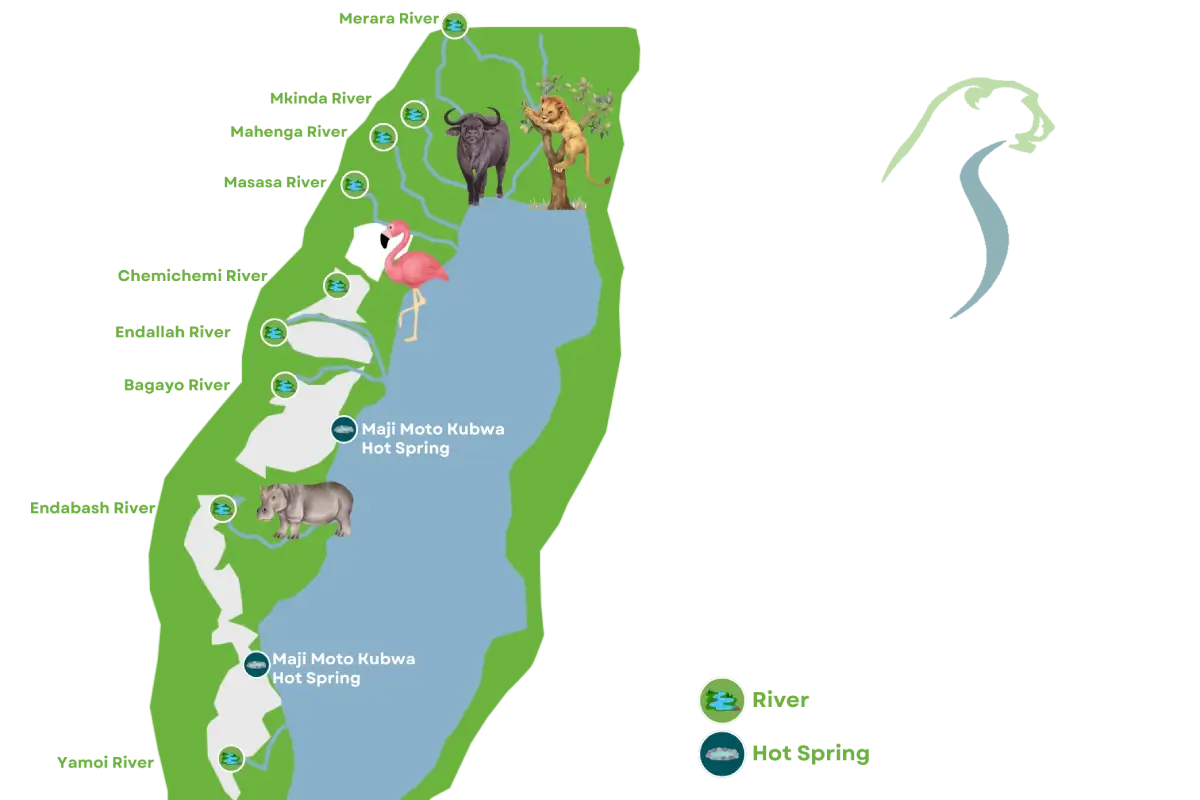
Lake Manyara National Park is named after a shallow alkaline or soda lake which is fed by
a series of rivers coming over the cliffs. The lake has no outlets. The varied terrain
and vegetation are part of the appeal of Safari In
Tanzania.
- For starters, there’s a groundwater forest covered
with evergreen mahoganies and figs.
- Then, there are the open savannahs and acacia
woodlands.
- Around the lake itself, there are salt flats and
marshlands.
Lake Manyara National Park is located between the Great Rift Valley
and Lake Manyara and is a protected area in Tanzania’s Arusha and Manyara regions.
Lake Manyara National Park is named after a shallow alkaline or soda lake which is fed by
a series of rivers coming over the cliffs. The lake has no outlets. The varied terrain
and vegetation are part of the appeal of Safari In Tanzania.
Set in the Great Rift Valley, Lake Manyara stuns with tree-climbing lions, vibrant
flamingos, underground forests, hot springs, and canopy walks—a rare mix of
scenery, wildlife, and adventure.
Getting to The Lake Manyara National Park
Lake Manyara National Park can be accessed through two main entry points: the northern
and southern gates. The northern gate is more frequently used, as it’s closer to most
safari lodges and camps. This makes it a convenient starting point for game drives and
day visits. The southern gate is less commonly used but offers access to the quieter,
more remote areas of the park. Depending on your safari route and accommodation, your
entry point may vary.
Lake Manyara National Park
Getting to Lake Manyara by Air
Arusha is the gateway town for most Lake
Manyara National Park Safaris. The most convenient way to get to
Lake Manyara National Park when flying from outside to Tanzania is by scheduling your
flight to the Kilimanjaro
International Airport (JRO). The airport is just 46 km. away
from Arusha.
- You can also go a different way and book a charter
flight from Julius Nyerere International Airport (DAR) in Dar es Salaam.
- And then fly to Arusha Airport (ARK) or
Kilimanjaro International Airport (JRO).
Flights from Arusha and Serengeti National Park to the airstrip in Lake Manyara are also
available.
Getting to Lake Manyara by Road
Lake Manyara National Park is located 126 km away from Arusha and is well connected by
road. It can be easily reached by any private conveyance. By car, it takes one to two
hours on the newly constructed tarred road from Arusha Town to the Manyara entrance
gate.
The park forms an important stop as part of your Northern Circuit safari. It can also be
accessed through public transport like a bus to Mto wa Mbu village and then rent a car
to get you into the park.
Weather And Climate Of Lake Manyara National Park
Lake Manyara National Park is a delightful destination for any Tanzania
Safari due to its consistently mild and comfortable climate. Daytime
temperatures are generally consistent, with uncommon instances of excessive heat.
Nevertheless, it is advisable to bring warm clothes for game drives during the early
mornings and evenings, as the temperature can be quite cool.
The optimal period for wildlife observation is the dry season, which spans from June to
October. Short rainfall from November to December and long rains from March to May are
the two phases of the wet season, with a brief dry period in between. Light rain showers
are common in the afternoon, with full-day precipitation being uncommon. The park's lush
landscapes and wildlife activity are influenced by this seasonal variation throughout
the year.
Monthly Average Temperatures In Lake Manyara
| Month |
Season |
Average Temperature Variation |
| January |
Short Dry and Hottest, Rainfall is still significant |
30°C to 16°C |
| February |
Short Dry and Hottest, rainfall continues. |
30°C to 17°C |
| March |
Wet and Hot |
30°C to 17°C |
| April |
Wet and Hot |
27°C to 18°C |
| May |
Dry and Hot |
26°C to 16°C |
| June |
Dry and Warm |
25°C to 15°C |
| July |
Dry and Warm |
25°C to 14°C |
| August |
Dry and Warm |
26°C to 15°C |
| September |
Dry and Warm |
28°C to 15°C |
| October |
Dry and Warm |
29°C to 16°C |
| November |
Wet and Hot |
29°C to 17°C |
| December |
Wet and Hot |
29°C to 16°C |
Rainfall Period
The amount of rainfall that Lake Manyara National Park receives varies
depending on the time of year. The park experiences two distinct rainy seasons: the long
rains, which occur from March to May, and the short rains, which occur from October to
December. Here’s a table that will offer you more clues:
| Month |
Amount Of Rainfall (In Millimeters) |
Average Daylight |
| January |
60 mm |
12 hr. and 18 min |
| February |
80 mm |
12 hr. and 14 min |
| March |
114 mm |
12 hr. and 8 min |
| April |
161 mm |
12 hr. and 2 min |
| May |
36 mm |
11 hr. and 57 min |
| June |
2 mm |
11 hr. and 55 min |
| July |
1 mm |
25°C to 14°C |
| August |
1 mm |
12 hr |
| September |
1 mm |
12 hr. and 5 min |
| October |
16 mm |
12 hr. and 11 min |
| November |
71 mm |
12 hr. and 17 min |
| December |
75 mm |
12 hr. and 20 min |
- During the long rainy season, the park receives
the majority of its rainfall.
- This period coincides with the park's low season,
which means that fewer tourists are visiting the park.
- The heavy rainfall during this time can make some
parts of the park inaccessible.
- But it also creates lush vegetation and an
abundance of water sources, which attract large numbers of animals.
During the short rainy season, the park receives less rainfall. This period is still
considered a good time to visit the park, as the vegetation is still green and the
wildlife is still abundant. However, the park can become quite dusty during this period,
which can impact visibility.
When To Visit Lake Manyara National Park
You can visit Lake Manyara National Park throughout the year, as its wildlife and scenery
remain impressive in every season. The park experiences two main seasons—the dry season
and the wet season—each offering distinct advantages for travellers. Both seasons offer
rewarding experiences, depending on your interests and safari expectations.
The Dry Seasons in Lake Manyara National Park
Lake Manyara National Park experiences two dry periods each year. The short dry spell
typically occurs during January and February. The longer and more pronounced dry season
lasts from June to October. These months are ideal for game viewing, as animals gather
around limited water sources, making wildlife easier to spot.
- During these dry spells, more and more visitors do
approach the park for outstanding game-viewing opportunities.
- Because limited water sources and vegetation are
getting thin and short, spotting wildlife becomes easier.
- As a result of limited water sources, visitors can
spot maximum wildlife forms concentrated in certain places which means more glances
of prey-predator play.
This makes the dry season a suitable time to explore the vast wilderness and richness of
Lake Manyara National Park.
The Wet Seasons in Lake Manyara National Park
The wet season in Lake Manyara National Park is defined by the period
from November to May. The park is transformed into a vibrant, verdant, green landscape
with tall grasses and lush vegetation following the rains, making it an ideal location
for photography.
- Although the extensive vegetation can make it more
difficult to observe animals, it is an ideal time for birdwatching.
- The landscape is enhanced by the arrival of a
large number of migratory bird species, which contribute colour and movement.
- During this season, there are fewer visitors,
which results in a more immersive and tranquil experience in the natural world.
The park's natural beauty is emphasised during the wet season, which provides a
tranquil alternative to the busier drier months.
Here’s a quick comparison of both the dry and wet seasons of Lake Manyara National Park:
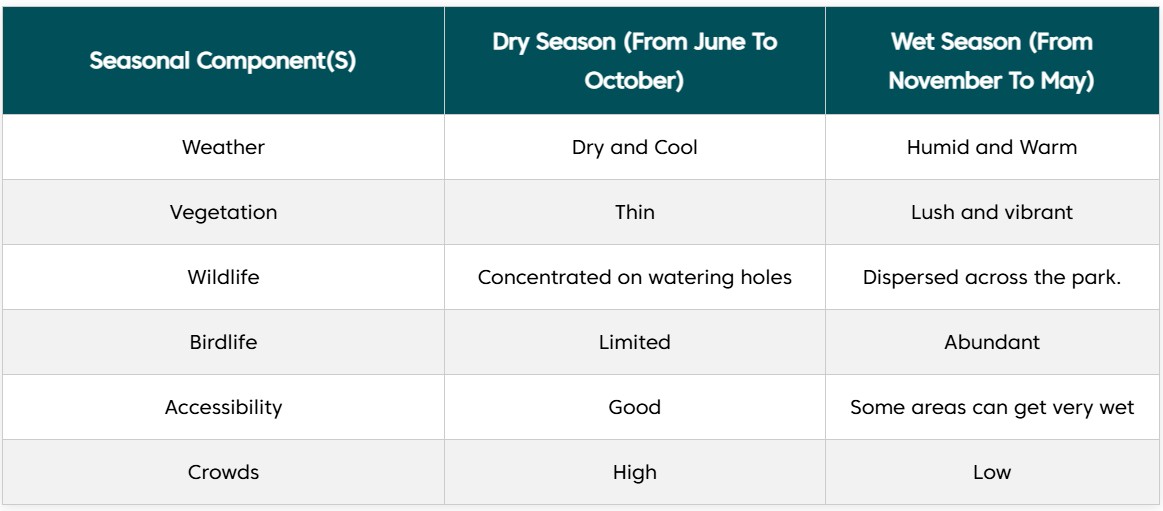
| Seasonal Component(S) |
Dry Season (From June To October) |
Wet Season (From November To May) |
| Weather |
Dry and Cool |
Humid and Warm |
| Vegetation |
Thin |
Lush and vibrant |
| Wildlife |
Concentrated on watering holes |
Dispersed across the park. |
| Birdlife |
Limited |
Abundant |
| Accessibility |
Good |
Some areas can get very wet |
| Crowds |
High |
Low |
Below is a monthly breakdown of visiting Lake Manyara National Park based on each month
of the year. This will assist you in deciding which month you’d like to visit the park
based on your preferences.
If you like to watch birds and other animals, January is a great
month to visit Lake Manyara National Park. The
park is full of life thanks to the recent rains that have made
the plants grow lush, and the lake brings in thousands of
flamingos and other birds.
During game drives, you can see elephants, lions climbing trees,
and baboons playing. It's clear and cool early in the morning,
and it rains sometimes in the afternoon, which makes the scenery
look better.
Fewer people are on safari in the summer than in the autumn, so
it's a peaceful experience. This time of year, the park's mix of
forest, lake, and savannah makes for a great range of scenery
and animals.
- Average temperature reaches 28°C (82°F), hot and
sunny days.
- Chance of short thunderstorms, mostly dry with lush green
views.
- Fewer visitors make game drives quieter and more peaceful.
- Excellent time to see birds and nesting wildlife behavior.
- Landscapes are vibrant; great for photos and light adventure
walks.
Our Overview
A good time to
visit
In February, the days are dry and clear, which is great for
watching animals. As water sources dry up, animals gather around
lakes and forests. Lions that climb trees are busier, and there
are lots of birds.
It's one of the best times to visit Lake Manyara for photos and
leisurely safaris because the sky is clear and you can see
everything well. The park is lively and not too busy, so it's
perfect for people who want a balanced, in-depth wildlife
experience.
Flamingos are still there, and hippos can be seen relaxing in the
water near the platforms where people can watch.
- Daily temperatures stay around 28°C (82°F), hot and
comfortable.
- Low rainfall, occasional short showers in the afternoon.
- Ideal month to pair with Serengeti’s calving season
tours.
- Wildlife viewing is strong, with increased predator
activity.
- Among the best months to visit Tarangire National Park.
Our Overview
A good time to
visit
Weather in February
Cloud
In March, the long rains start, which makes the park's
surroundings look new and green. It may rain some days, but
early morning trips are still useful. Birds are drawn to the
area when it rains and shines, and the view is especially lovely
this time of year.
This month is less busy, so trips and lodges are more flexible.
March is a great month for bird watching, walking in the woods,
and taking pictures.
Nature lovers who want to travel through Tanzania's
National Parks in peace will enjoy this off-season
peace, with fewer people and more beautiful scenery.
- Temperatures remain around 28°C (82°F) early in the
month.
- End-of-month sees start of long rains and cloudy skies.
- Vegetation thickens, reducing visibility but enhancing
landscape beauty.
- Great for dramatic skies and lush photo opportunities.
- Fewer tourists; quieter, introspective safari atmosphere.
Our Overview
A good time to
visit
It rains the most in April, but the park is also the greenest
during this time. When there are fewer tourists, you can get
closer to animals, like elephants and monkeys that live in the
bush.
A lot of migrating birds have come to visit, making the birding
great. Even if the roads are muddy, going on an adventure is
still fun. Many camps offer seasonal savings in April, making it
a good time to book a Lake Manyara safari package on a budget.
It's a calm time to enjoy the park's wide range of plants and
animals while the light is soft and the air is still.
- Temperatures steady at 28°C (82°F), with increased
humidity.
- Peak of long rains—expect frequent showers and muddy
tracks.
- Landscape turns emerald green, perfect for photographers.
- Wildlife harder to spot but birding remains rewarding.
- Lodge rates are lower; great for budget Tarangire safaris.
Our Overview
A good time to
visit
May is still in the rainy season, and the wet weather brings new
plants and green scenery. Even though it's not a very busy time
for tourists, it's great for people who like peace, greenery,
and good deals.
Animals are still moving around, and hippos are often seen near
the lake. The streams along the cliff are running faster now,
which makes the park even more beautiful.
May is a great month to look for peaceful and inexpensive
Lake Manyara Tour Packages. Just know that it
might rain sometimes while you're on your beautiful game drives.
- Temperature cools to 25°C (77°F), comfortable and
slightly crisp.
- Rain still falls, but skies begin to clear up.
- Fewer crowds, quiet safari scenes, and moody green
backdrops.
- Wildebeest rut starts in Serengeti—great for
multi-park combos.
- Not peak season, but very peaceful for repeat travelers.
Our Overview
A good time to
visit
June begins the dry season and is often regarded as the best time
to visit the national park. As Lake Manyara's terrain dries, it
becomes simpler to see animals near still-existing waterholes
and in the open plains.
Birdwatching remains gratifying, and elephants, giraffes, and
zebras are increasingly apparent. Game drives are smoother, and
the roads are drier, which is ideal for families or first-time
visitors.
June provides a revitalising and gratifying safari environment
with excellent lighting for photography and prolonged wildlife
activity under a clear sky and fewer insects.
- Temperatures are mild at 24°C (75°F), ideal for
safaris.
- Rainfall drops; dry season begins with clearer skies.
- Start of high season with excellent wildlife viewing.
- River zones attract elephants, giraffes, and lions.
- Pack layers—cool mornings warm quickly by mid-morning.
Our Overview
A good time to
visit
With great game watching all across the park, July is cool and
dry. Pleasant weather and great wildlife visibility make July
one of the most popular months to visit Lake Manyara.
The thinning of the forest canopy somewhat facilitates the
spotting of birds and primates. Often, large elephant herds
congregate in the park's open spaces.
July offers traditional East African safari experiences with
great views of tree-climbing lions and hippos lounging in the
cool lake waters.
- Cool and dry with temperatures around 24°C (75°F).
- No rainfall, skies are bright and game viewing superb.
- Wildlife returns in large numbers near the Tarangire River.
- River crossings begin in Serengeti—combine both parks
in July.
- Book early—this is peak Tarangire safari season.
Our Overview
A good time to
visit
In northern Tanzania, August is one of the busiest months for
tourists. When it doesn't rain much and the days are warm and
dry, game drives are easy and fun.
It's always possible to see wildlife, and animals tend to gather
in the same ways near the lake and clearings in the trees. Also,
there is less greenery, which makes it easier to see. Now is a
great holiday time for families and groups.
If you're looking for the best Lake Manyara tour packages, August
is a busy and exciting month full of sights to see, from big
cats and birds to beautiful landscapes.
- Average daytime highs around 25°C (77°F),
comfortable all day.
- Rain is unlikely; clear skies dominate the landscape.
- Mini wildebeest migration and elephants flood the park.
- High predator activity as herds become easy prey.
- Peak season—expect more travellers and fully booked
lodges.
Our Overview
A good time to
visit
Lake Manyara in September
As the busy season ends in September, it's still possible to
watch the wildlife well during the dry season. Wildlife stays
near water sources, and you can often see blue monkeys,
bushbuck, and baboons on the forested hills.
It's still dry in the park, which makes it easy to get to and
makes game drives smooth. This is a great month to travel if you
want to see a lot of different landscapes and enjoy nice weather
without all the other tourists that come in July and August.
People looking for Things to do in Lake Manyara
will find a lot to do in September. They can see a lot of
different animals, birds, and have relaxing picnics by the lake.
- Warm and dry with highs near 27°C (80°F).
- Very low rainfall; conditions ideal for walking safaris.
- See rare species like oryx and gerenuk near water.
- Ostrich nesting behaviors visible—great for bird
enthusiasts.
- High season continues; book activities in advance.
Our Overview
A good time to
visit
Weather in September
Cloud
This is the last month of the dry season, October. When the lake
level is low, a lot of animals that need water gather together.
The landscapes start to look dry, which makes it easier to see
animals.
The temperature goes up a little in the afternoon, but the
mornings stay cool and are great for driving. October is a great
month to travel if you want to see a lot of sights without many
other people there.
The weather is also nice. It's also a good choice for
photographers.
- Temperatures climb to 28°C (82°F), hot and dusty.
- No rain yet, but distant storms begin appearing.
- Elephants gather in herds; big cats thrive.
- Dust devils sweep across the golden plains.
- Final dry month before the green season returns.
Our Overview
A good time to
visit
In November, it briefly rains, which cleans up the dry lands and
makes the park green again. It rains very little and for a short
time most of time, typically in the late afternoon or overnight.
A lot of migrating birds come back to the lake, which is great
for people who like to watch birds. It's a great time to get
away to nature because there aren't as many people there.
November is a good month to plan a Lake Manyara tour package
because it is cheap, the wildlife is busy, and the scenery is
beautiful with new life and soft, golden light.
- Hot month with 29°C (84°F) highs and afternoon
storms.
- Short rains begin; dramatic skies and greener terrain
emerge.
- River floods renew life across the park’s valleys.
- Great for early greenery and emerging wildflowers.
- Shoulder season—fewer crowds, lively bird and wildlife
scenes.
Our Overview
A good time to
visit
Weather in November
Cloud
Lake Manyara National Park is full of holiday spirit and new
green plants in December. The short rains keep happening, but
most of them happen at night, which makes morning outings fun.
Every game drive is more exciting when migrating birds and new
animals come back. It's a nice time to take pictures in the
park, with fewer people there early in the month and more people
there near the holidays.
This is a great time for both families and couples to go
exploring without stress. For Lake Manyara Safari
Packages with a holiday theme, December is a great
month to combine fun and wild beauty.
- Warm and stormy with temperatures around 29°C
(84°F).
- Afternoon thunderstorms rarely affect morning game drives.
- Migratory birds arrive, improving birdwatching immensely.
- Greenery returns and large herds spread across the park.
- High season resumes with lively holiday safaris.
Our Overview
A good time to
visit
Weather in December
Cloud
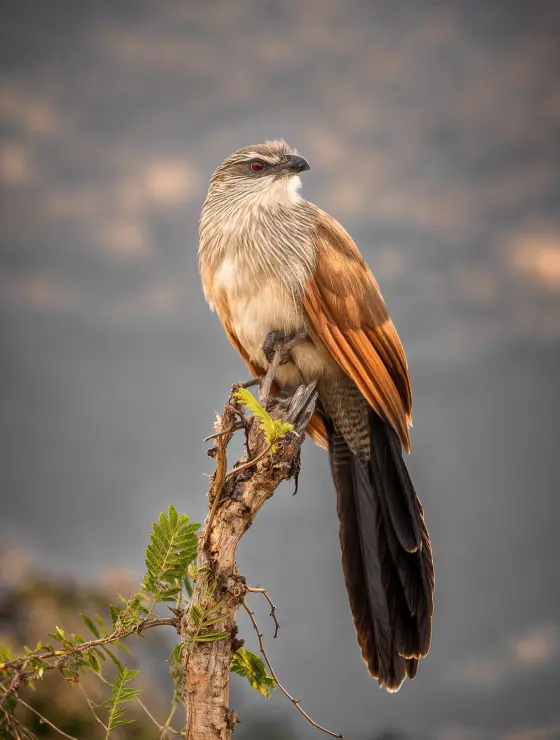
Birdlife of Lake Manyara National Park
No other Tanzania
National Park comes close to providing the best birdwatching
experience than Lake Manyara National Park. Over 400 different species of birds have
been recorded in the park and one can expect to see more than 100 of them in just a
single day of Tanzania
Safari Packages. Below are some of the birding highlights of Lake
Manyara:
Common bird species:
- African jacana
- Comb duck
- Hamerkop
- Pied Kingfisher
- Sacred Ibis
- Southern ground hornbill
- Little stint
- Saddle-billed stork
Migrant bird species:
- Sanderling
- Cuckoos
- Black-tailed godwit
- Barnacle goose
- Common nightingale
- Greater and Lesser Flamingos
Endemic bird species:
- Pied Avocet
- Spur-winged goose
- Pemba white-eye
- Uluguru Bushshrike
Near endemic bird species:
- Pemba Sunbird
- Moreau’s sunbird
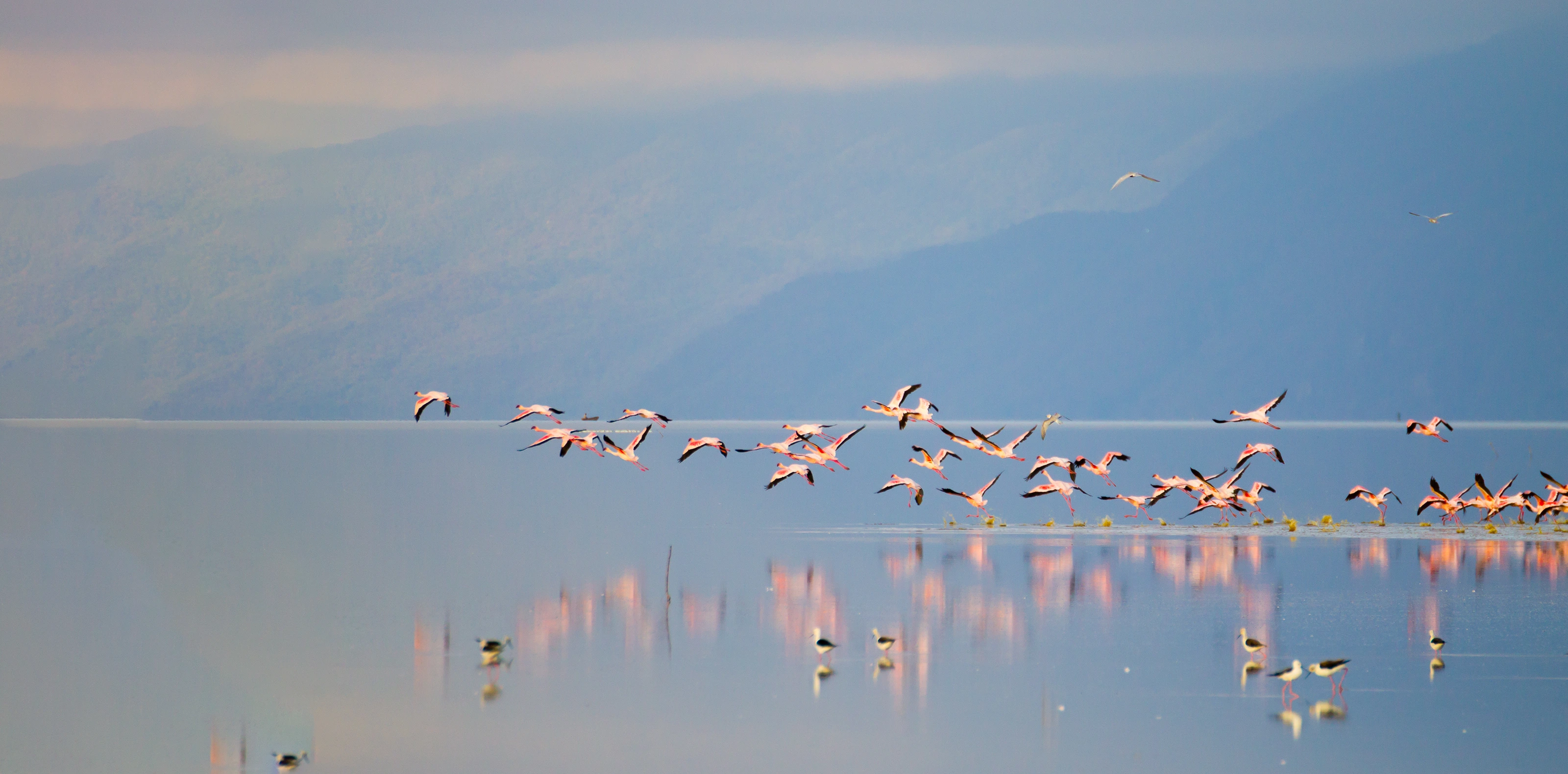
A Dreamland of Flamingoes
The most probable birdwatching highlight of Lake Manyara National
Park, and the aspect for which the park is most famous – is the
population of flamingoes.
- Lake Manyara National Park
Safaris allow you to see both greater and lesser species of flamingoes.
- Greater flamingoes have whitish-pink feathers,
pink legs, and black-edged wings. Lesser flamingoes weigh almost half compared to
the greater species.
- Both species are pretty much the same in
appearance, but they can be easily distinguished by their much pinker plumage and
black bills.
- At times, extensive stretches of azure waters are
painted pink by thousands of flamingoes huddled together on their legs.
- And at other times, pink spots create a polka
dot-like pattern on the surface of the water.
Seeing a plumage of flamingoes take flight is going to be an experience that will knock
your shoes off! You’ll witness the wings beating the air, hear the harmony of their
sounds, and see the glorious spectacle of the communal lift.
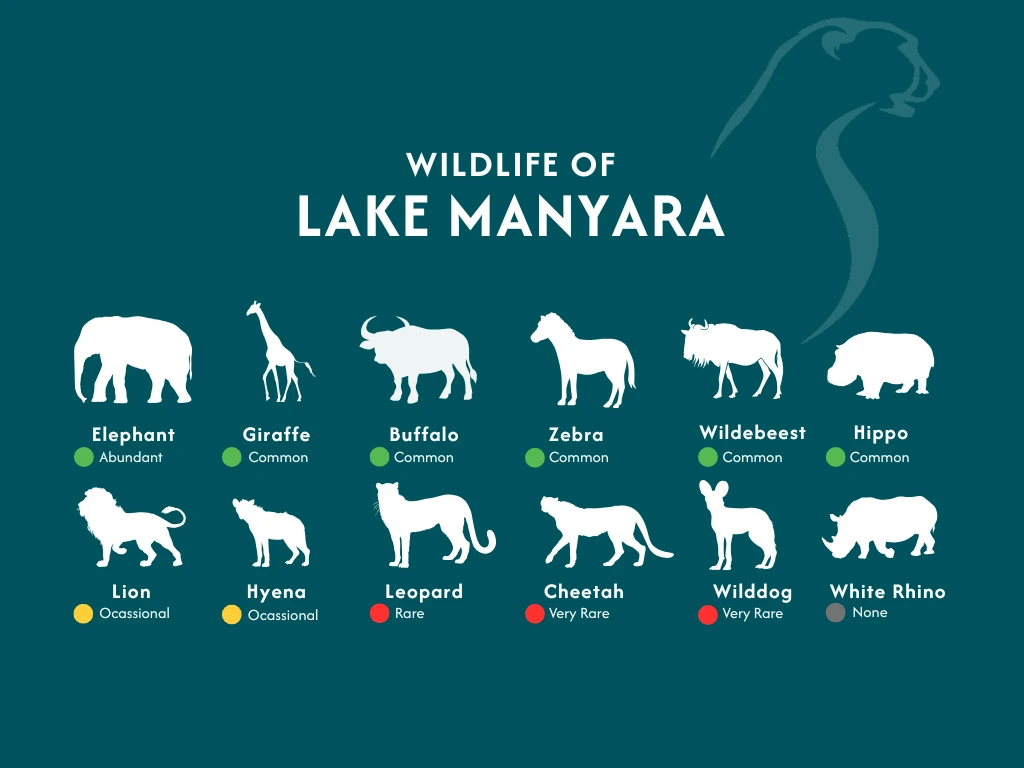
Wildlife of Lake Manyara National Park
Lake Manyara National Park is renowned for its exceptional birdlife, but it also boasts a
diverse array of fauna. The park hosts one of the biggest concentrations of mammals in
Africa, making it an excellent place for seeing both birds and animals.
Apart from rhinos, all of the big five can be seen on safaris and elephants have become
synonymous with the park’s name. Here is a list of animals that you can anticipate
seeing on Lake
Manyara National Park Safaris:
Lake Manyara National Park
Lake Manyara National Park offers ample opportunity for wildlife
spotting, game viewing, birding, and unique night game drives. During wet seasons when
water levels are sufficiently high, visitors can go canoeing as well.
While sightings of cheetahs and African Wild Dogs are rare, they do happen and contribute
an element of excitement and unpredictability to the experience. Their occasional
presence signifies the park's natural diversity and the unpredictability that makes each
safari distinctive.
Lake Manyara is distinguished by its baboon population,
the greatest globally. Groups exceeding 100 individuals are frequently observed,
providing visitors with a unique insight into the intricate social behaviours of these
intriguing monkeys in their native environment.
Attractions of Lake Manyara National Park
The incredible game-viewing circuit through the compact ecosystem of Tanzania offers an
example of an ideal Safari In
Tanzania experience. Right from the entrance gate, there will
never be a moment that won’t amaze you.
The road takes you through an expanse of lush groundwater forest where hundreds of
baboons along the roadside can be seen welcoming you! Other animals that you are
expected to encounter are blue monkeys and cape bushbucks.
Here are some of the primary attractions in and of Lake Manyara National Park:
Lake Manyara National Park
Lake Manyara – The Eponymous Body Of Azure Water!
Lake Manyara is the major attraction of the national park. 89 square miles of the park is
covered by the lake itself. It is a shallow alkaline lake that is formed as a result of
a depression within the Great Rift Valley.
The average depth of the lake typically varies between 2.8 to 3 feet, making it quite
accessible for wildlife throughout the year. It’s surrounded by marshlands, saline
flats, and grasslands. Because of an unlimited water source, large fig and mahogany
trees are filling up the forest area.
This alkaline Soda Lake is home to an incredible array of bird life that thrives on its
brackish waters. Lake Manyara is a scenic gem, which is clear from the statement stated
by Ernest Hemingway as “the loveliest I had seen in Africa”.
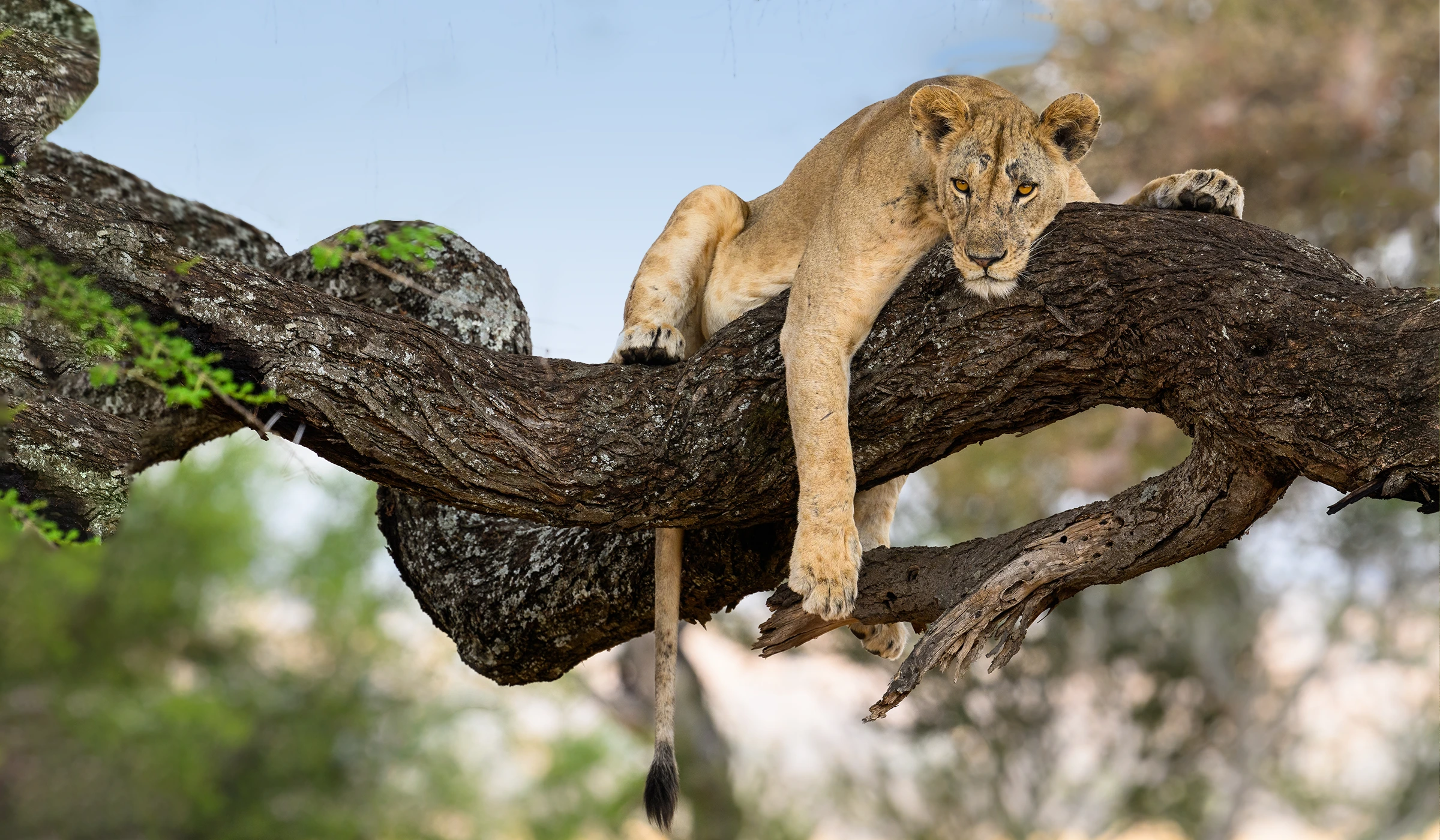
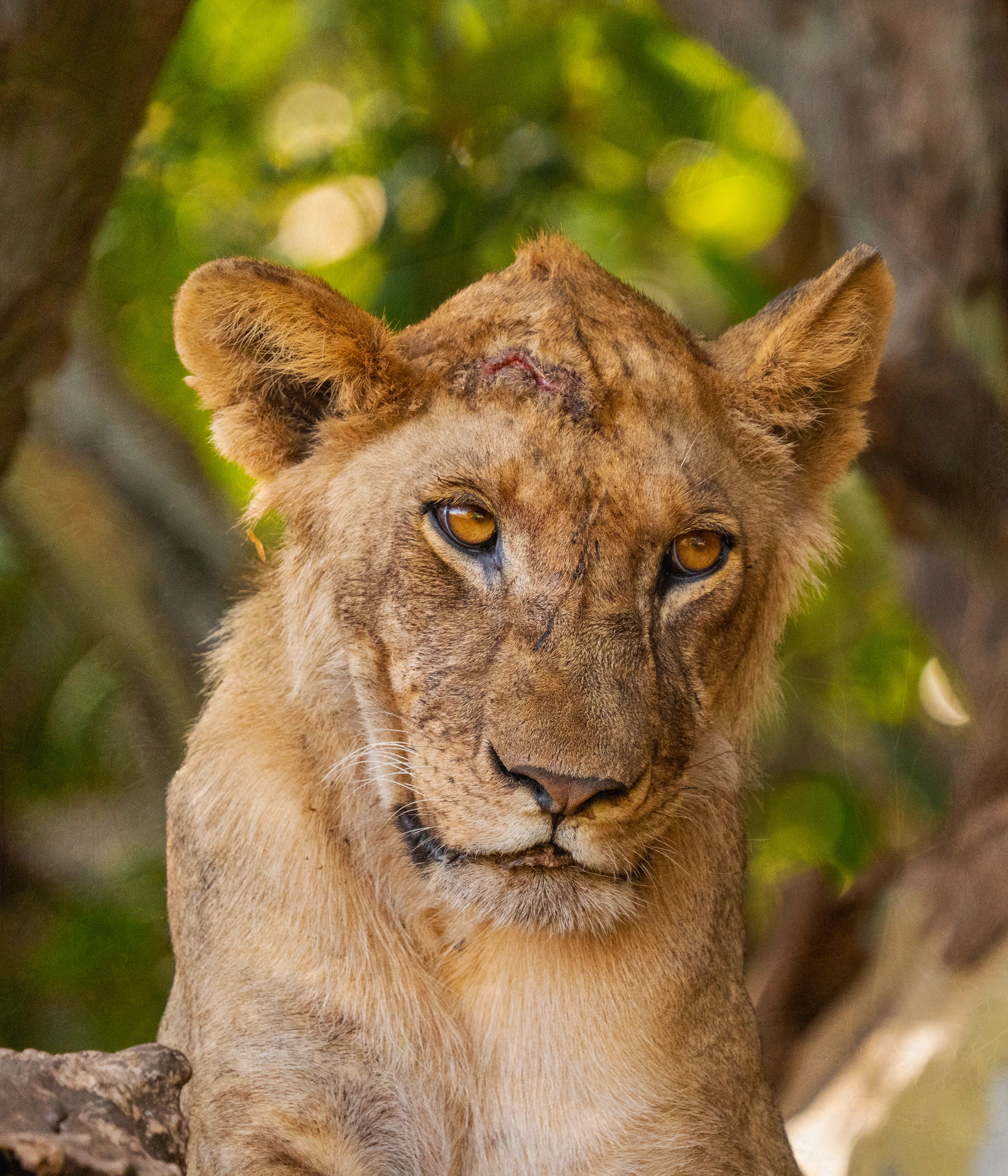
Tree-climbing Lions
Lake Manyara’s famous tree-climbing lions are another reason for visiting
this Tanzania
National Park. It is among the most unique attractions that can be
seen by visitors.
Lions seem to climb trees mostly to keep themselves from getting bitten by insects, keep
an eye on their prey grazing on the nearby savannah plains, and lastly stay protected
from elephants and buffalos, who at times tend to attack.
Pink Flamingoes
Lake Manyara is famous for hosting probably the largest population of Flamingos in the
world. Algae-filled Lake Manyara attracts nearly about 1.9 million flamingos that
leverage the lake for feeding on algae.
The big flocks of flamingos make them easier to be spotted from a distance and almost
paint the Lake a shade of pink.
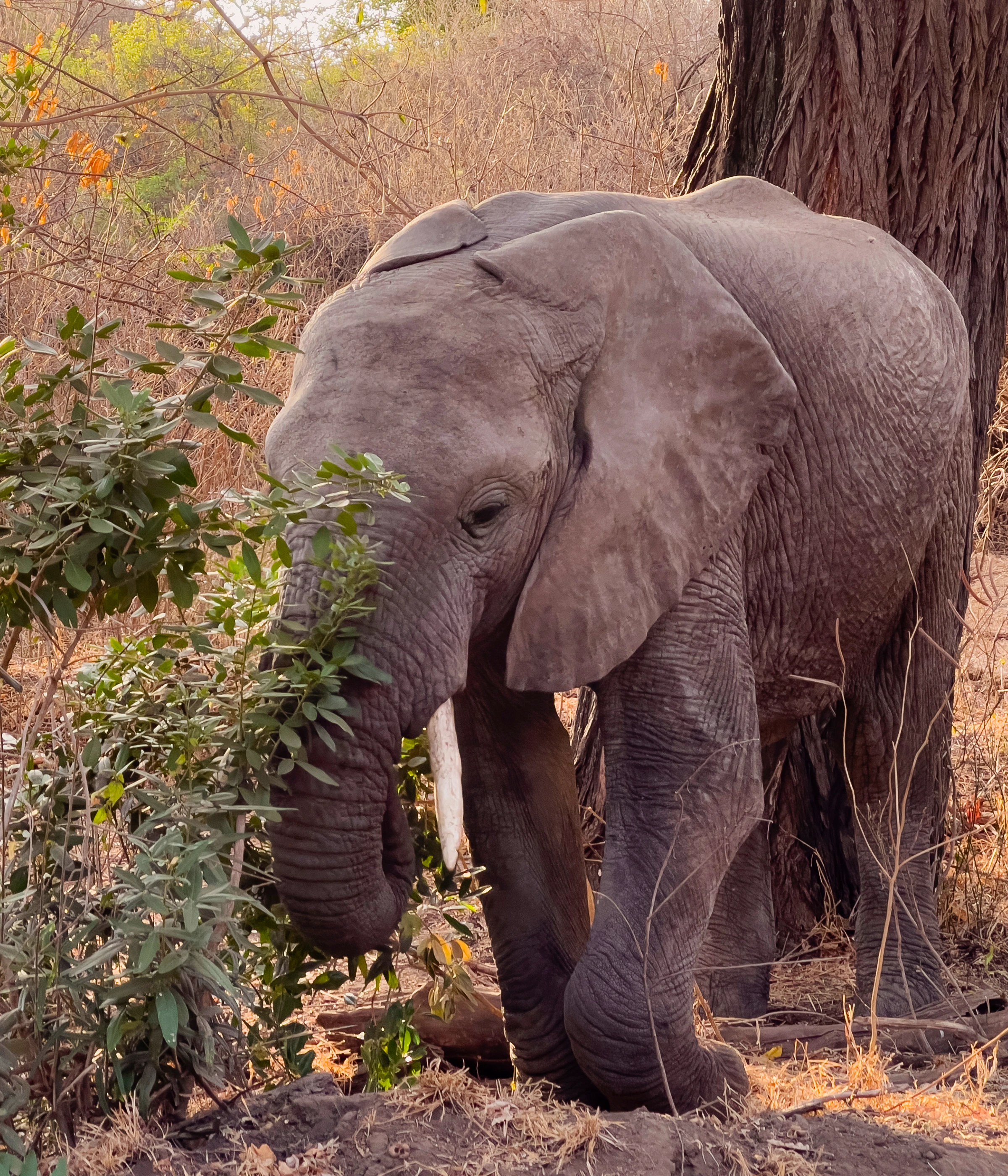
Impressively Tusked Elephants!
A large Elephant population inhabits Lake Manyara National Park. They can be abundantly
seen throughout the park and more so near the water bodies during the dry seasons. Lake
Manyara also serves as an important habitat for these huge mammals.
Hot Springs
A large swampy area that gets fed with hot springs water located on the western shores of
Lake Manyara National Park is called Maji Moto Kubwa hot springs.
Several hot springs seep from the nearby valley wall, bubbling at over 60 degrees Celsius
fall into the swamp. It is a famous viewpoint, where you can do almost nothing and still
enjoy your time gazing at the timeless beauty of this place.
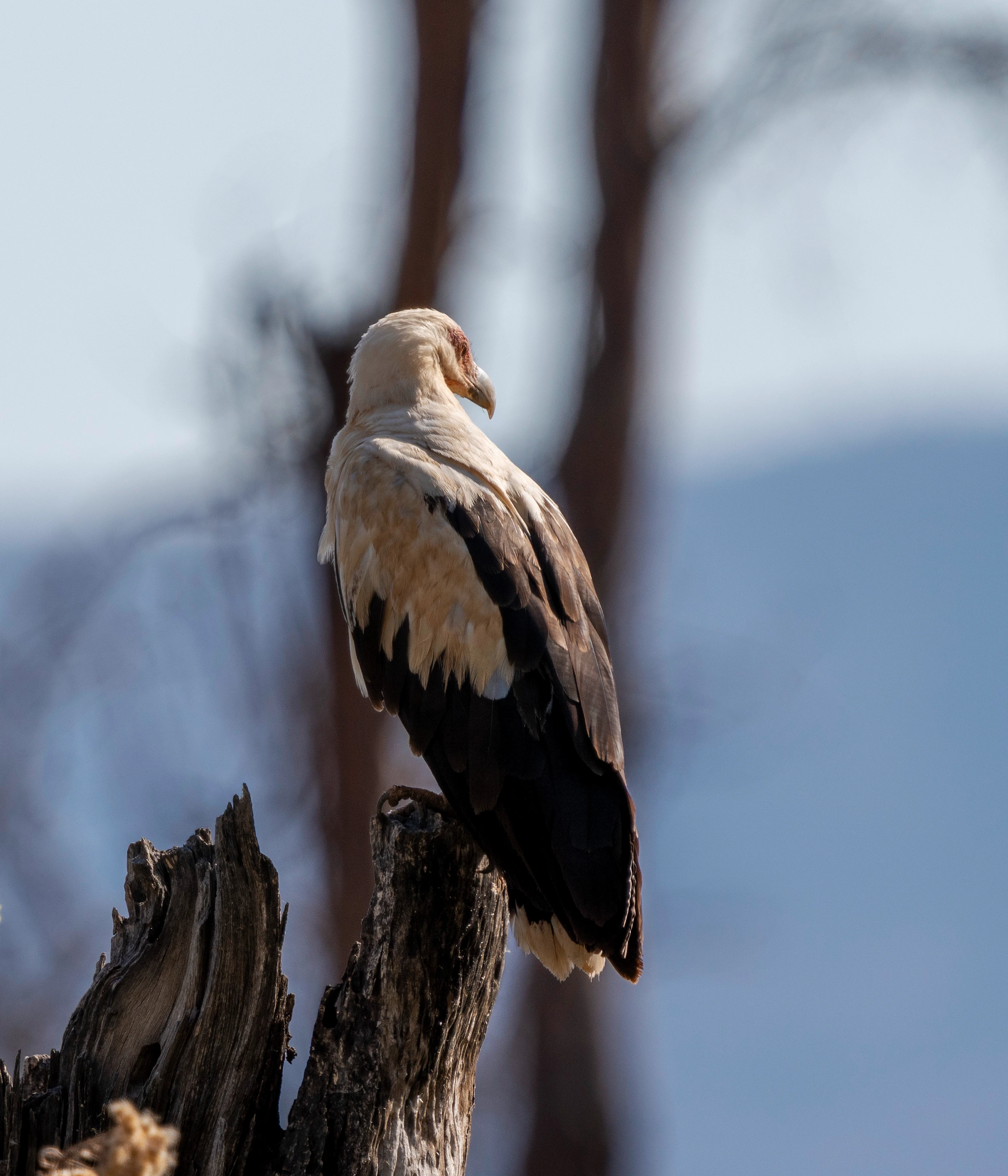
Bird Species
Lake Manyara National Park is a habitat for a variety of bird species that includes a
huge array of migratory and native birds. Flamingos, ostriches, hornbills, pelicans,
herons, grey-crowned cranes, secretary birds, cormorants and storks are among the major
bird species in the park.
With over 400 varieties of bird species, Lake Manyara National Park is rightly called a
bird watcher’s paradise. Even a first-time visitor to Africa might expect to spot
100 of these in one day.
Things To Do In Lake Manyara National Park
Lake Manyara National Park is a unique destination that offers visitors a wide variety of
activities and experiences to enjoy. Here are some of the
different Lake Manyara National Park Activities:
- The wildlife species can be seen in their natural
habitat occupied with their daily activities.
- Lake Manyara is covered with mahogany trees and
therefore an excellent place to spot giraffes, monkeys, and buffalos.
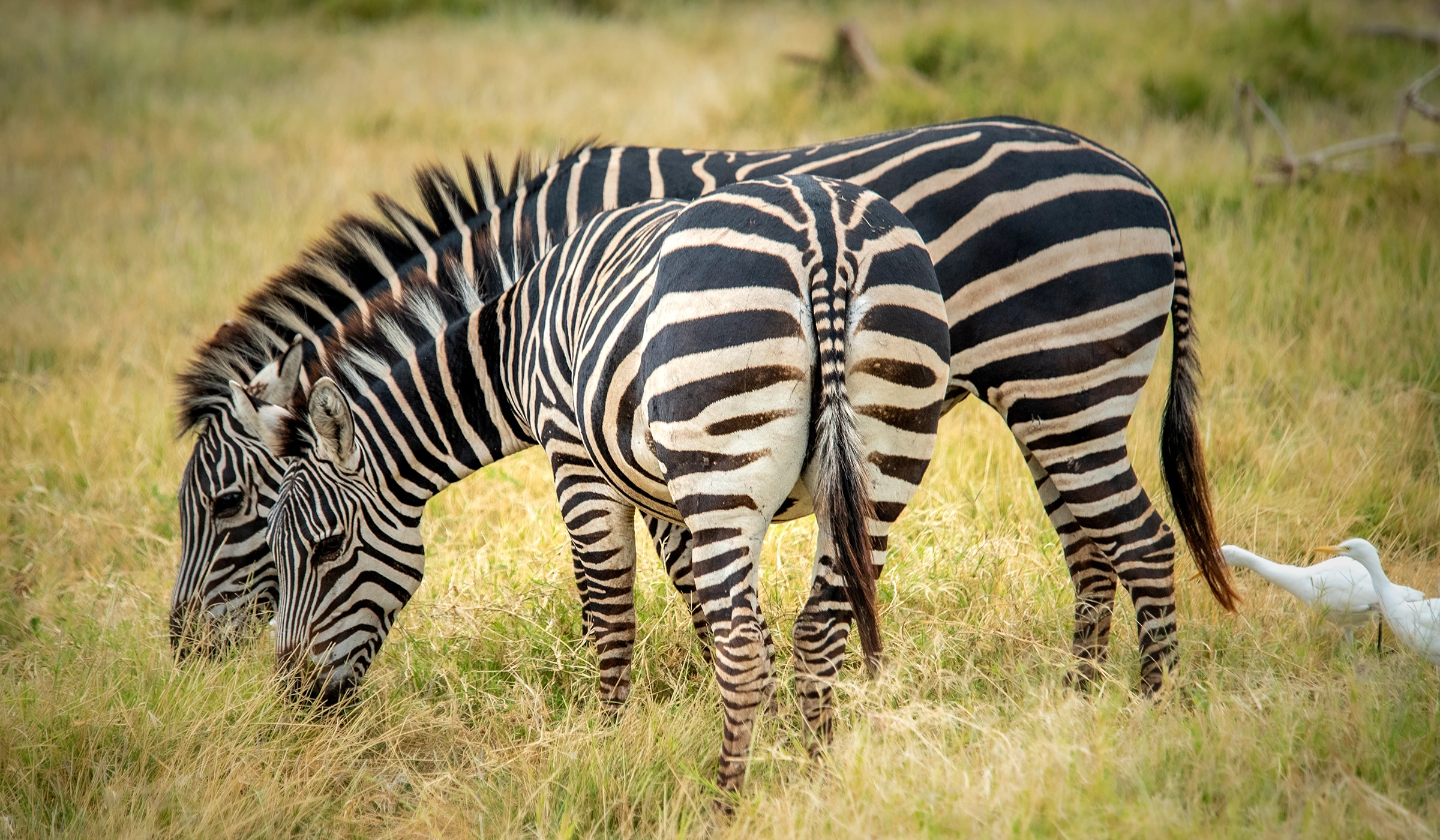
- While on its vast stretch of savannah plains one
can easily spot zebras, impalas, warthogs, elephant herds, cheetahs, and hippos
among many others.
Spotting tree-climbing lions taking a rest on the tree branches is also a common
phenomenon in the Lake Manyara National Park.
Lake Manyara National Park
Night Game Drives
Lake Manyara National Park is among the few Tanzania
National Parks that offer night game drives. Sometimes these
animals are difficult to spot during broad daylight but nocturnal animals can be easily
seen during the night. Night Safaris are done in special safari jeeps with open sides
and tops for ensuring uninterrupted night game driving and viewing.
Animals like lions, leopards, porcupines, civet cats, jackals and so many others can be
seen taking strolls at night. Therefore, do not forget to plan for a night game drive in
Lake Manyara National Park during your next Safari in
Tanzania and experience the thrill and excitement on an
entirely different level.
Canoeing
Just like Night safaris, Lake Manyara National Park is among the few places in Tanzania
where you can go canoeing. Canoeing on Lake Manyara offers ample opportunity to spot
aquatic wildlife like water birds, hippos along with many other animals on the shore
gathered to quench their thirst.
Walking Safaris
Lake Manyara National Park offers an extraordinary opportunity to discover its varied
wildlife most distinctly. This National Park is a scenic beauty and nature walks are an
excellent way to explore its various facets.
In the company of armed guides for the safety of tourists from dangerous animals, walking
safaris in the Lake Manyara National Park are one of a kind that takes you close enough
to nature and ensures close encounters with the wildlife.
Treetop Canopy Walk
Moving along the treetop walkway is another major activity to undertake during the Lake
Manyara National Park safari. It is an incredible way of discovering the beauty of the
park.
Canopy walk ensures ultimate views and amazing bird-watching experiences. You will also
come across playful monkeys jumping and entertaining throughout the route.
Our Recommended Lake Manyara Tours
We at African Scenic Safaris have a great appreciation for
Lake Manyara National Park which is why we love to show travellers the wonders of this
Tanzania National Park comprehensively. If you’d also like to go for a Lake
Manyara Tour then below are some of our recommendations:
12 Days
Tanzania Family Safaris – This Tanzania Safari itinerary
is made specifically with families in mind so that every member can enjoy the safari
experiences Tanzania offers. This isn’t the extent of the Tanzania
Safari Package however because you’ll experience a
combination of the best of both the bush and beach.
8 Days
Tanzania Classic Safari – This is a Tanzania Safari
Package that represents safaris in a classic sense. You’ll get to visit 4
different Tanzania
National Parks, including Lake Manyara on the last day.
Note : All of our above packages are fully customizable meaning that
you can shape your safari experiences in whichever way you prefer.
Lake Manyara Accommodations
Lake Manyara National Park has a range of varied accommodation options. There are several
private concessions as well as tented camps and luxury lodges. You’ll have certain
choices based on your budget i.e., budget, mid-range, and luxury. Below are some of our
recommendations for each category:
Budget Accommodations
These types of Tanzania
Accommodations are great for those individuals who want to
experience Tanzania Safaris in the most rustic and natural way. Plus, an added benefit
is travelling on an affordable budget.
Lake Manyara Tortillis Camp
This Lake Manyara Accommodation is located in
the heart of Lake Manyara national park with an excellent view of the
lake.
The camp offers all en-suite bathroom facilities and a great camping
experience. You can even enjoy a bonfire dinner along with the rest of
the guests in the camp. Book your stay with Tortilis for a comfortable
stay within budget on your Tanzania
Safari and have a great time throughout.
Bougainvillea Group
Bougainvillea group has been providing comfortable accommodation, great
food, and friendly service on the northern safari circuit since 2005.
The Bougainvillea Safari Lodge is located on the outskirts of Karatu town
about midway between Lake Manyara National Park and the Ngorongoro
Crater.
Mid-Range Accommodations
This accommodation category is also a popular choice among visitors. You’ll get to enjoy
all basic plus some hints of luxury amenities in these Lake Manyara Accommodations.
Serena Hotels and Lodges
Serena’s location is one of its major advantages. It is located on
the edge of the Great Rift Valley escarpment at the northern end of the
Lake Manyara National Park. The view from the cliff top is magnificent.
Serena Lodge is big, accommodating around 145 guests on any given day.
The stay is comfortable. Moreover, the rooms and services are reasonably
priced.
Manyara’s Secret
Claimed to be the most romantic lodge in Tanzania, Manyara’s Secret
is a lovely place to be in while you are on a safari to Tanzania.
From the lodge, you can catch glimpses of tree-climbing lions, who call
Lake Manyara National Park their home. There are a variety of bird
species and an equally good number of elephant populations.
Luxury Accommodations
If you prefer to have a safari experience covered with signature luxuries and amenities,
then this is your go-to option. Some examples include:
Beyond Lake Manyara Tree Lodge
This Lake Manyara Accommodation melts into the
natural beauty of its breathtaking surroundings within the vicinity of
The Lake Manyara National Park.
- The Lodge offers an exclusive
safari experience in a more remote area of the National Park. The
ultimate spot to rejuvenate mind, body and soul.
- Wellness is the motto at the Lodge
and the lush forest environment is the ultimate way to recharge
yourself.
- From the comfort of your room, you
can experience spectacular sunrises and sunsets, which are just
enough to set your mood right.
Lake Manyara Kilimamoja Lodge
The lodge is located on the rim of the great African Rift Valley with
stunning views over Lake Manyara, Mount Meru and on a clear day, Mount
Kilimanjaro.
Lake Manyara Kilimamoja Lodge location is pretty comfortable to reach as
it is only 110 km from Arusha, 15 km from Mto WA Mbu Village, 7 km from
Lake Manyara Airport, and 10 km from Lake Manyara National Park.
Overlooking pristine lush green gardens and local vegetation with over
130 species of birds is a desirable staying option.
Escarpment Luxury Lodge
Overlooking the beautiful lake Manyara below, the Escarpment Luxury Lodge
is located on the rim of the Great Rift Valley.
It is only a 25 km drive from the iconic Ngorongoro Conservation Area and
a 90-minute drive to Tarangire
National Park. The main lodge area features a
uniquely designed lounge bar just off the restaurant serving exquisitely
crafted dishes.
Mawe Mawe
It is a luxury accommodation found in Northern Tanzania at the edge of
the Great Rift Valley within the Manyara ecosystem.
It is beautifully located amidst the wild between four National Parks
including the Manyara, Serengeti, Ngorongoro Conservation Area, and
Tarangire.
Set in the Great Rift Valley, Lake Manyara stuns with tree-climbing lions, vibrant
flamingos, underground forests, hot springs, and canopy walks—a rare mix of
scenery, wildlife, and adventure.
Central Highlights of Lake Manyara National Park
Now that we’ve covered all the major aspects of Lake Manyara National
Park Safaris, it’s time for a refresher! Here are some of the central
highlights of Lake Manyara National Park:
- The centrepiece of the park – Lake Manyara,
provides a stunning backdrop for wildlife sightings.
- Home to an extensive array of wildlife – ranging
from mammals and primates to several herbivores, antelopes, and tree-climbing lions.
- The park is home to the largest population of
baboons on the planet.
- The varied vegetation ranges from lush forests to
open grasslands.
- Unique habitats like an umbrella, acacia, sausage,
and baobab trees provide a life-nurturing force for a variety of wildlife and
birdlife.
- The best Tanzania National Park to see a full
display of high-flying avians with more than 400 documented species of birds.
- The wet season of the park brings with it several
migratory birds, with the highlight being the plumage of beautiful pink flamingoes.
- The soothing Maji Moto Hot springs are located
inside the park’s premises, and visiting here is the most relaxing and refreshing.
Lake Manyara National Park PDF
Download a complete checklist with everything you’ll need for your Tanzania
Safari—clothing, gear, essentials, and helpful tips, all in one handy guide.
An Integral Paradise For Safari Lovers!
We at African Scenic Safaris have a great appreciation for
Lake Manyara National Park which is why we love to show travellers the wonders of this
Tanzania National Park comprehensively. If you’d also like to go for a Lake
Manyara Tour then below are some of our recommendations:
12 Days
Tanzania Family Safaris – This Tanzania Safari itinerary
is made specifically with families in mind so that every member can enjoy the safari
experiences Tanzania offers. This isn’t the extent of the Tanzania
Safari Package however because you’ll experience a
combination of the best of both the bush and beach.
8 Days
Tanzania Classic Safari – This is
a Tanzania Safari Package that represents safaris in a
classic sense. You’ll get to visit 4 different Tanzania
National Parks, including Lake Manyara on the last day.
Go on Safari with Us
Discover Tanzania’s untamed beauty with experts who bring every moment to life. From tracking lions to quiet sunset views, we make each day in the wild truly count.
Lake Manyara National Park FAQ'S
Lake Manyara National Park is located in northern Tanzania, close to
the town of Mto WA Mbu.
The Best Time to Visit Lake Manyara National Park is from June to
September when the weather is dry and the wildlife is easier to
spot.
Lake Manyara National Park Entrance Fee vary depending on your
nationality and the duration of your visit. As of 2021, the fees
range from $22 to $70 per person per day.
Lake Manyara National Park is known for its diverse wildlife,
including elephants, lions, leopards, giraffes, zebras, baboons, and
over 400 species of birds.
Yes, there are several lodges and campsites within the park that
offer overnight accommodations.
Lake Manyara National Park has a tropical climate with two rainy
seasons: from November to December and from March to May.
Yes, guided safaris are available in Lake Manyara National Park,
either through a tour operator or the parks’ guides.
Yes, Lake Manyara National Park is considered safe for visitors.
However, it's important to follow safety guidelines and stay within
designated areas.
It typically takes around 4-6 hours to explore Lake Manyara National
Park, although this can vary depending on how much wildlife you want
to see and how many stops you make. We recommend you at least plan
for a full-day Lake Manyara Safari to take in all its wonderful
experiences.
Yes, walking safaris are available in Lake Manyara National Park, but
they must be booked in advance and are subject to availability.
The best way to get to Lake Manyara National Park is by car, either
by renting one or booking a guided tour that includes
transportation.
Some important items to bring with you to Lake Manyara National Park
include sunscreen, insect repellent, comfortable shoes, and a
camera.
There are a few restaurants and food vendors within Lake Manyara
National Park, but it's recommended to bring your food and water as
well.
No, swimming in Lake Manyara is not allowed due to the presence of
wildlife and the risk of contracting diseases.
Some other popular attractions near Lake Manyara National Park
include the Ngorongoro Crater, Tarangire National Park, and
Serengeti National Park.
Simbo Natai, a Germany-based travel consultant, spent seven years living in Tanzania before returning to snowy Schleswig
About the author





 African Scenic Safaris #1 on TripAdvisor