mobile rating
#1 Operator in Tanzania
Mount Kilimanjaro Climbing

Mount Kilimanjaro Climbing

Mount Kilimanjaro Climbing

Reaching the Roof of Africa isn’t just about altitude but attitude, preparation, and purpose.

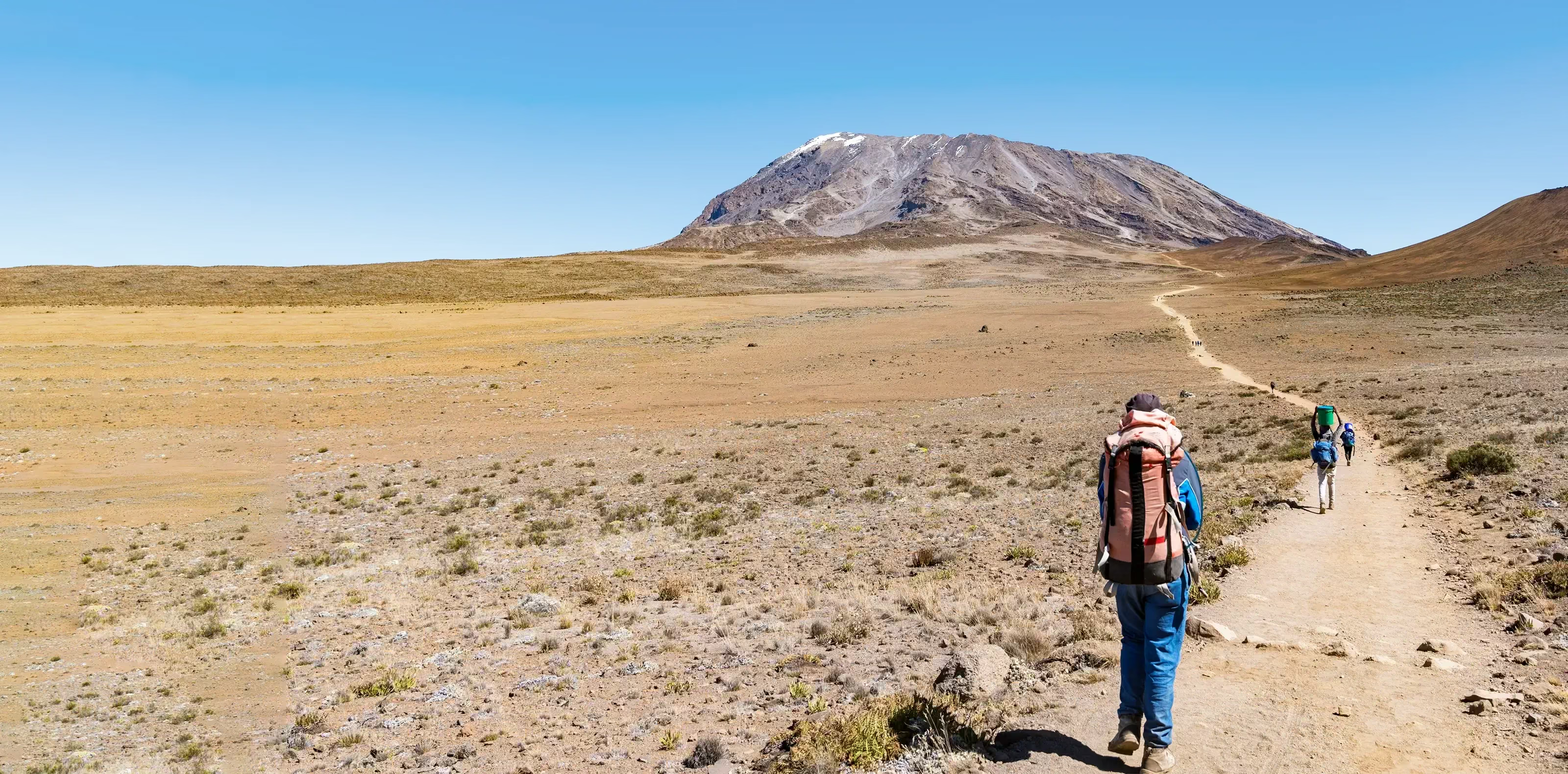
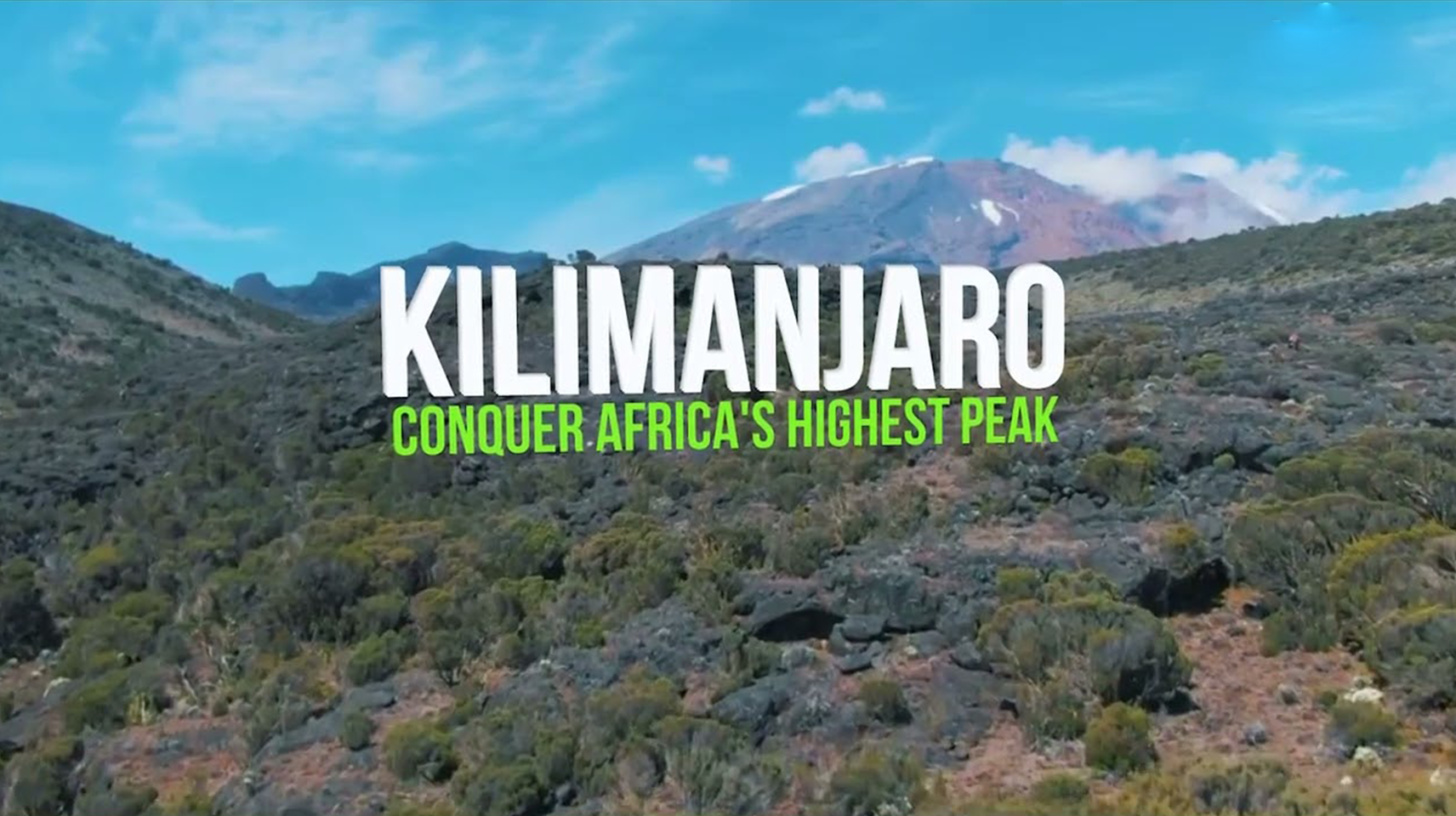
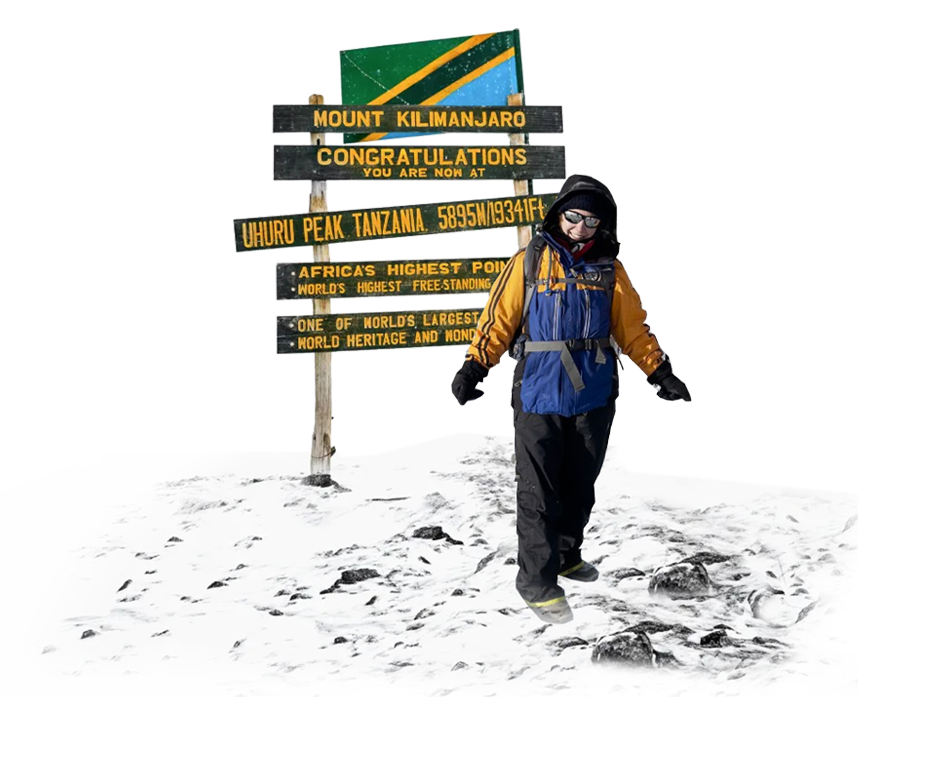
Kilimanjaro, standing at a majestic height of 5,895 meters (19,341 feet), is the highest free-standing mountain in the world and is proudly known as the "Roof of Africa."

Every year, this beautiful peak draws thousands who want to experience its scenic trails. Mount Kilimanjaro Climbing doesn't need expert skills, just good health and eagerness to reach the top.

We've put together special Kilimanjaro Climbing Packages based on our years of experience guiding climbers. Our expertise guarantees you're well-prepared for your adventure, leading you step by step to the summit.

Join us and be among the many who have successfully climbed Kilimanjaro, enjoying incredible views and a great sense of achievement.

The Kilimanjaro Climbing Experience

Rainforest to glaciers—this climb pushes limits, builds grit, and fuels a thrill like no other.

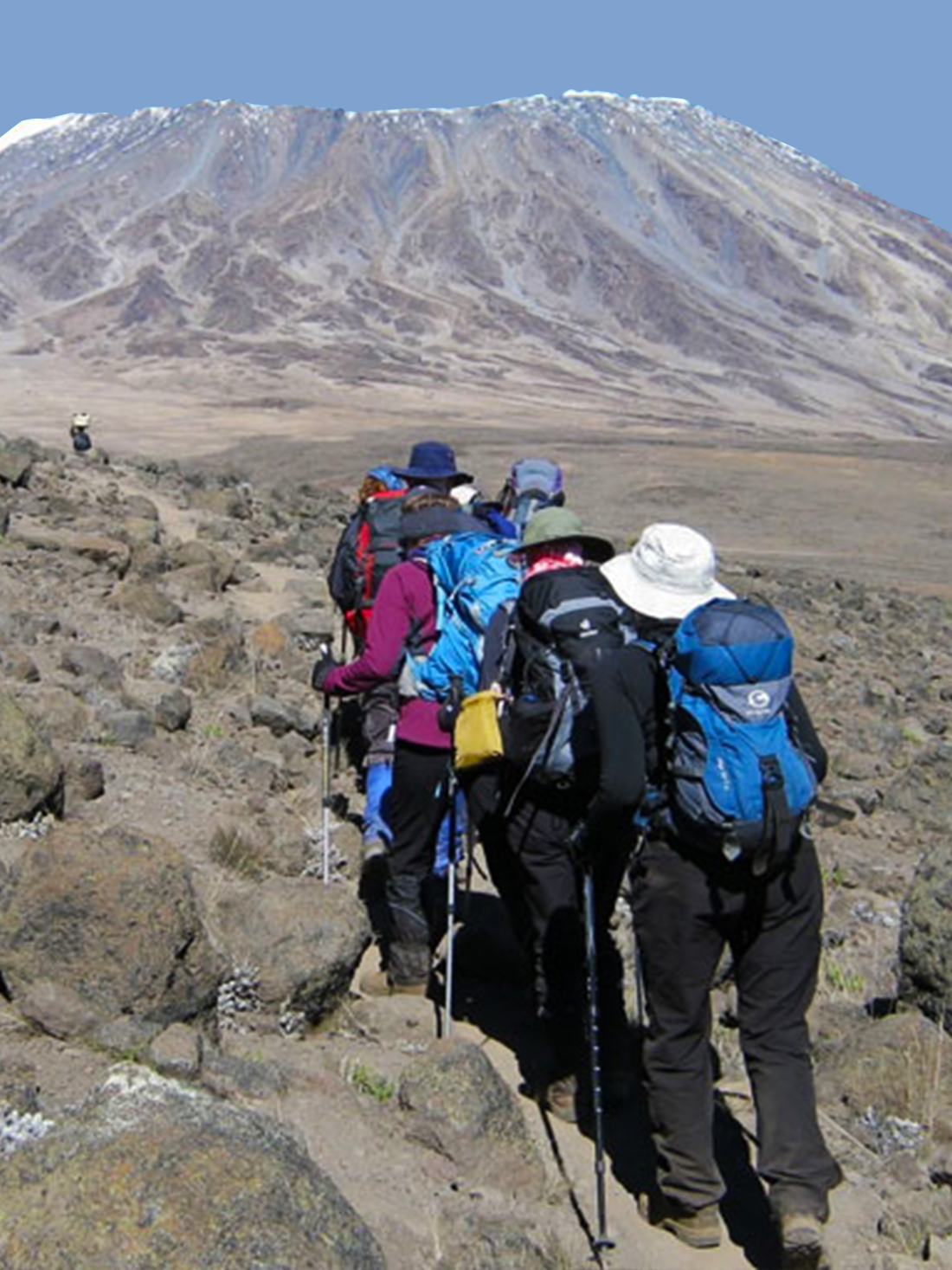
This is not just a hike—it’s a high-altitude adventure packed with action, emotion, and wild scenery. One day you're walking under giant trees, the next you're crunching over icy paths. The altitude kicks in, your focus sharpens, and the summit feels both distant and within reach. With our experienced team beside you, the energy stays high, and the momentum never fades. It’s raw, real, and life-changing.

Our Kilimanjaro Climbing Packages are designed to match that spirit—fully supported, expertly guided, and made for summit success.

Simbo Natai

Climb With Insight

Kilimanjaro isn’t technical, but altitude is real. Most risks come from poor planning, bad equipment, and untrained guides. We do things differently—safely, professionally, and with deep care for your journey.

Kilimanjaro Climbing Routes

The mountain rises the same, but the path you walk determines your Kilimanjaro Climbing story

African Scenic Safaris leads Kilimanjaro climbs through four distinct routes: Machame, Lemosho, Northern Circuit, and Rongai. From quiet forest trails to sweeping ridge views, every route reveals a different face of the mountain. We match climbers with routes that balance scenery, acclimatisation, and summit success—guided by experience, not shortcuts.

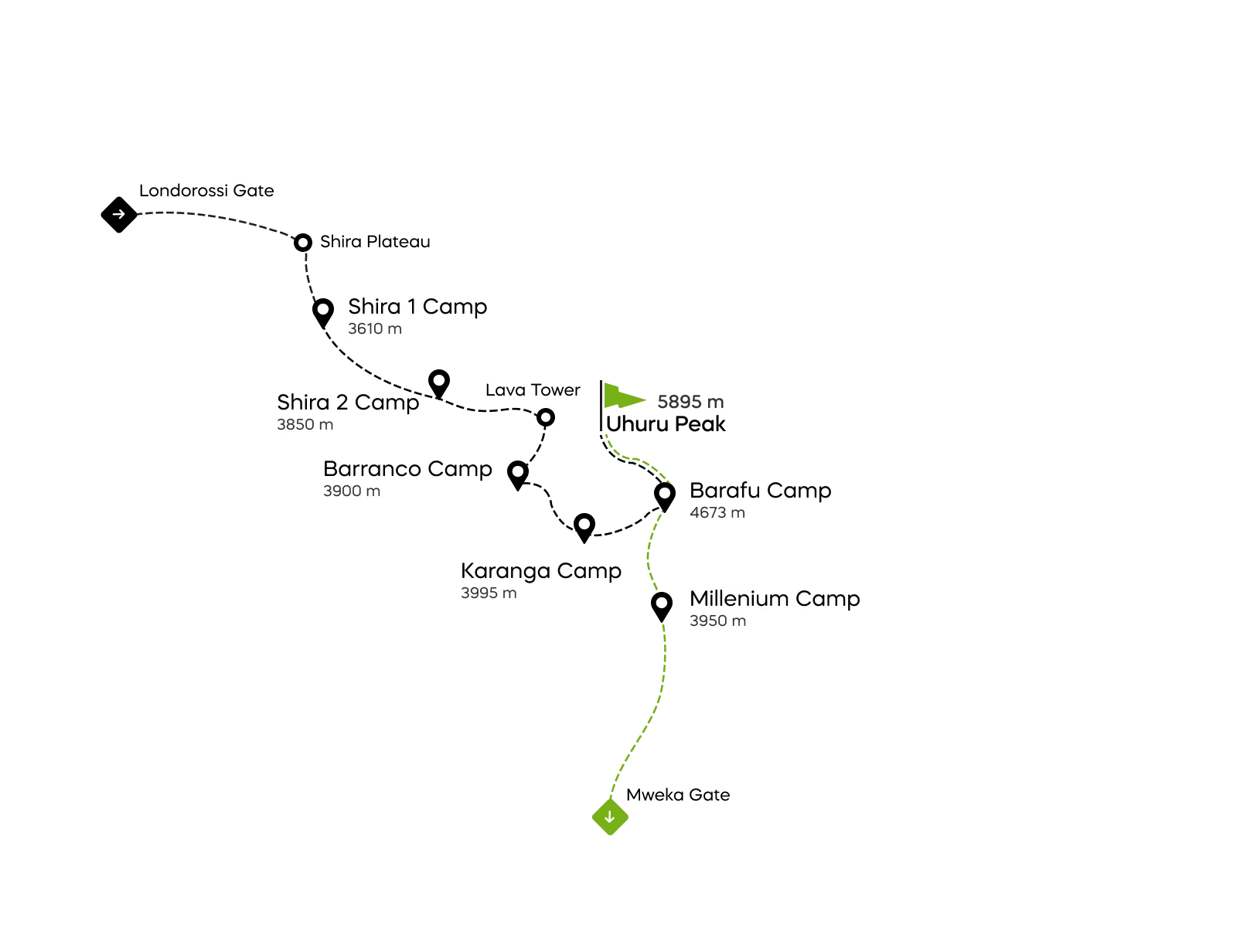
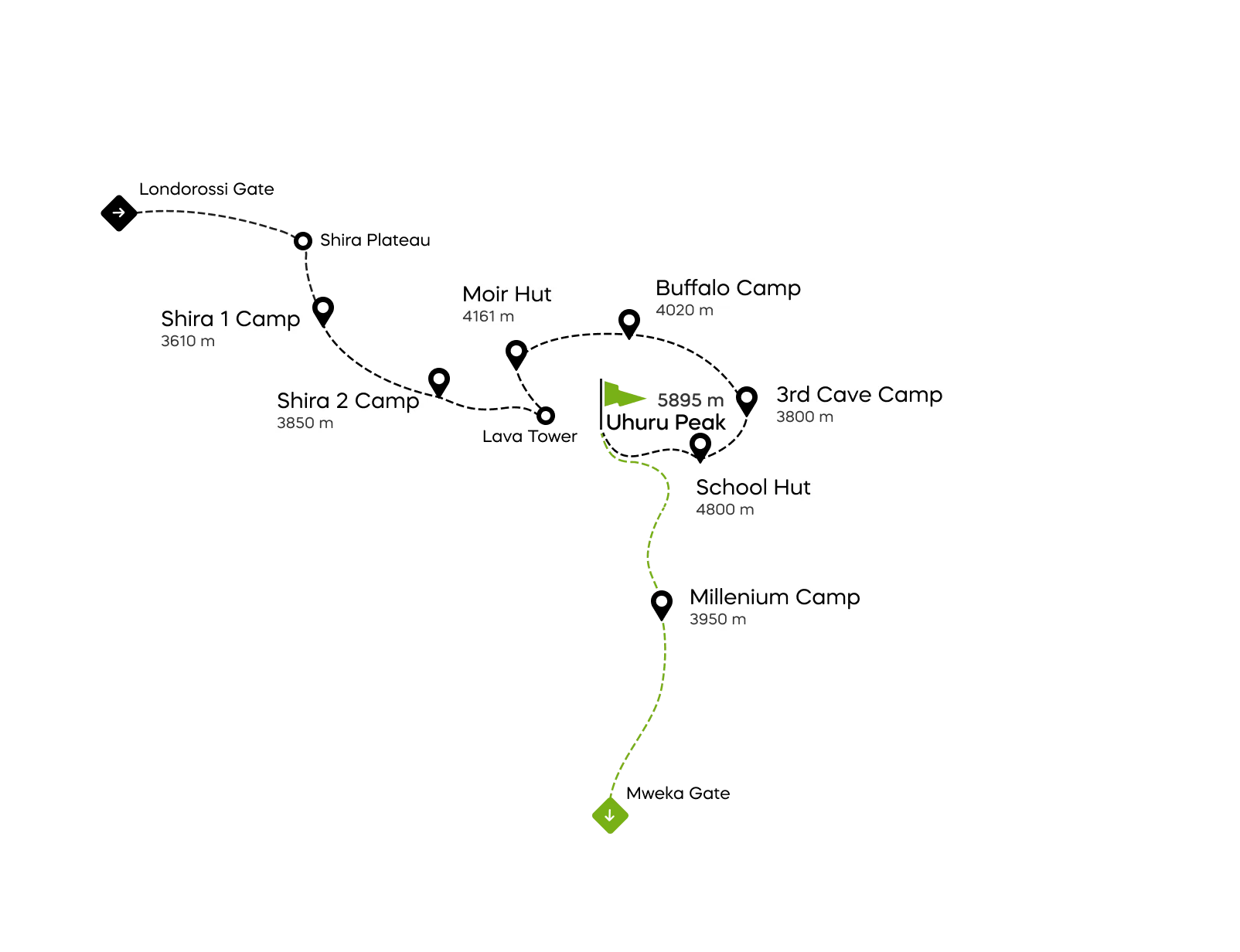
The Lemosho Route is one of the prettiest trails up Mount Kilimanjaro. Starting at the quiet Londorossi Gate, it crosses the wide Shira Plateau, offering a chance to see lots of wildlife. This peaceful path is great for enjoying beautiful views and easy hiking.

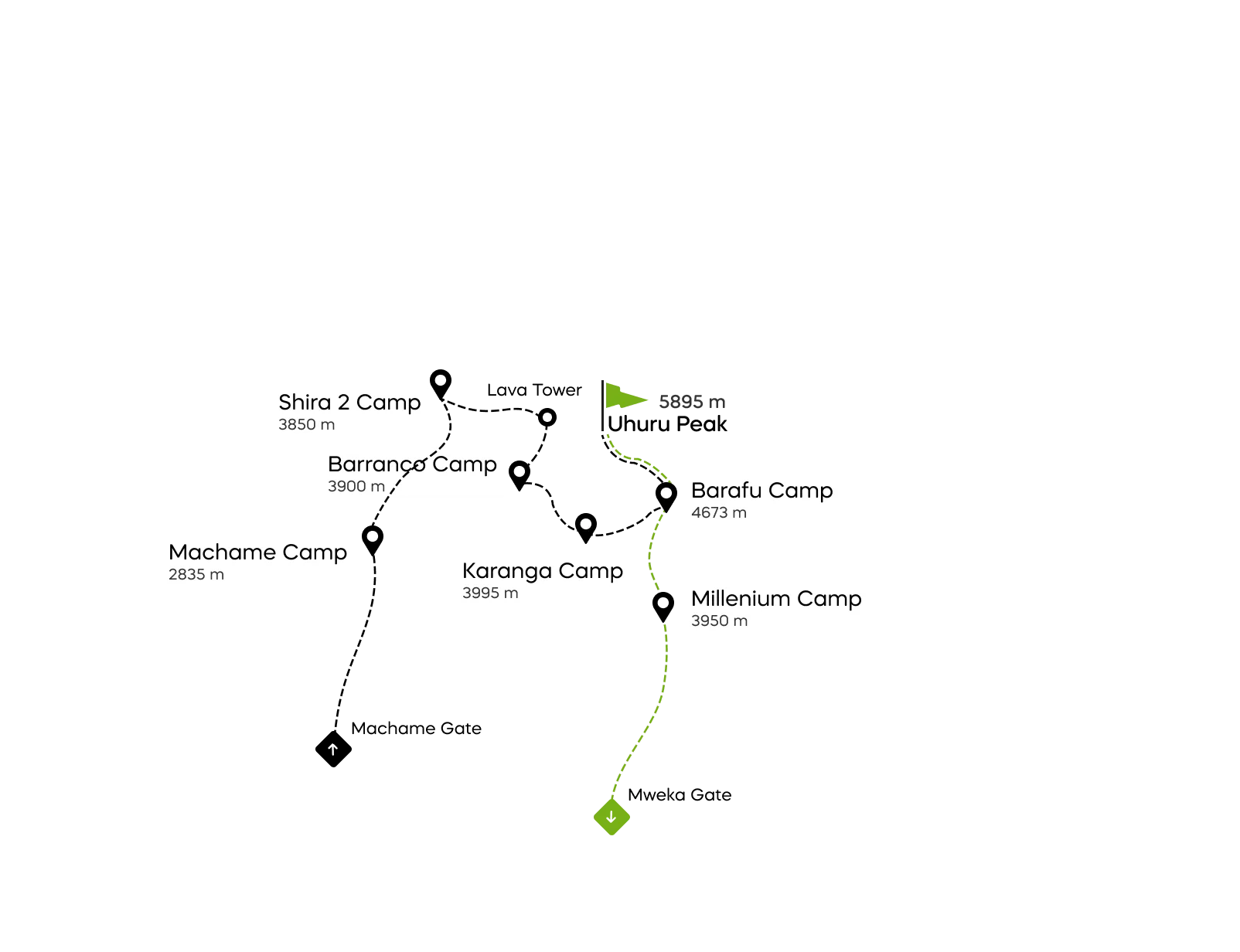
The Machame Route, known as the Whiskey Route, is Kilimanjaro's most popular trail. It offers beautiful views and varied scenery. Though challenging with steep paths and tent sleeping, it's a great choice for beginners who want a shorter climb with good acclimatisation.

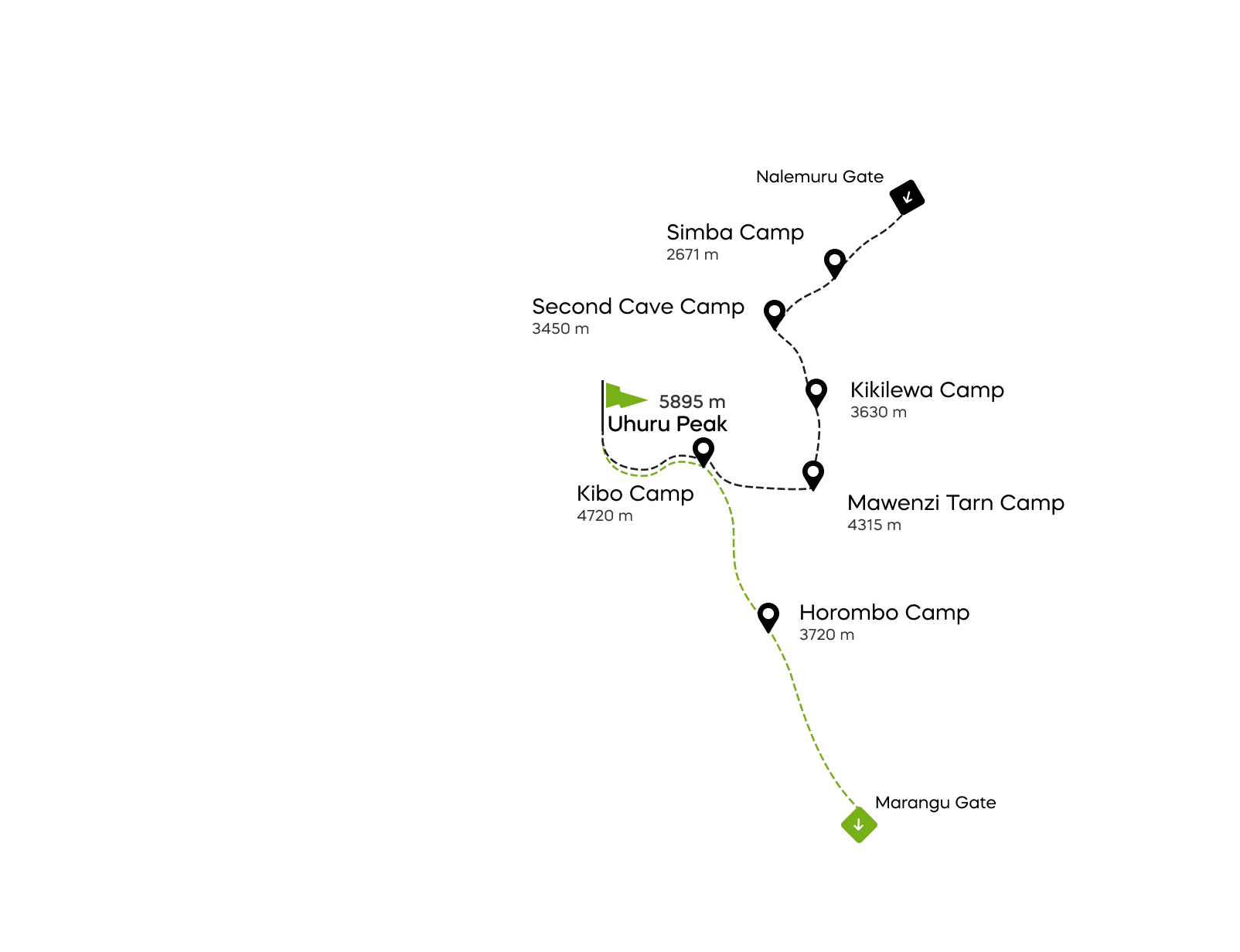
The Rongai Route is the only trail that starts from the north side of Kilimanjaro, near Kenya. It’s quieter and gentler than other routes, perfect for those who prefer a peaceful climb. Ideal during the rainy season, it provides a smooth path through serene wilderness areas.

It is the longest of the Mt Kilimanjaro Routes and gives the best chance to adjust to high altitudes. It starts in the west and circles the mountain, providing stunning views and a high success rate for reaching the summit. The Northern Circuit Route gives you a quiet, scenic journey around Kilimanjaro.

Can a beginner climb Mount Kilimanjaro?

While Kilimanjaro is suitable for climbers of various skill levels, beginners should undertake thorough physical training before attempting Climbing Kilimanjaro.

How long does it take to climb Mount Kilimanjaro?

How long does it take to Climb Kilimanjaro? Typically, the journey to ascend Kilimanjaro spans between 6 to 9 days. The specific duration depends on the chosen route and the itinerary planned to facilitate gradual acclimatisation and maximise the probability of summit success.

Do you need oxygen to climb Kilimanjaro?

Most climbers do not require supplemental oxygen to climb Kilimanjaro. However, it's essential to acclimatise properly and be prepared for the Kilimanjaro Height-related challenges.

How do you sleep on Kilimanjaro?

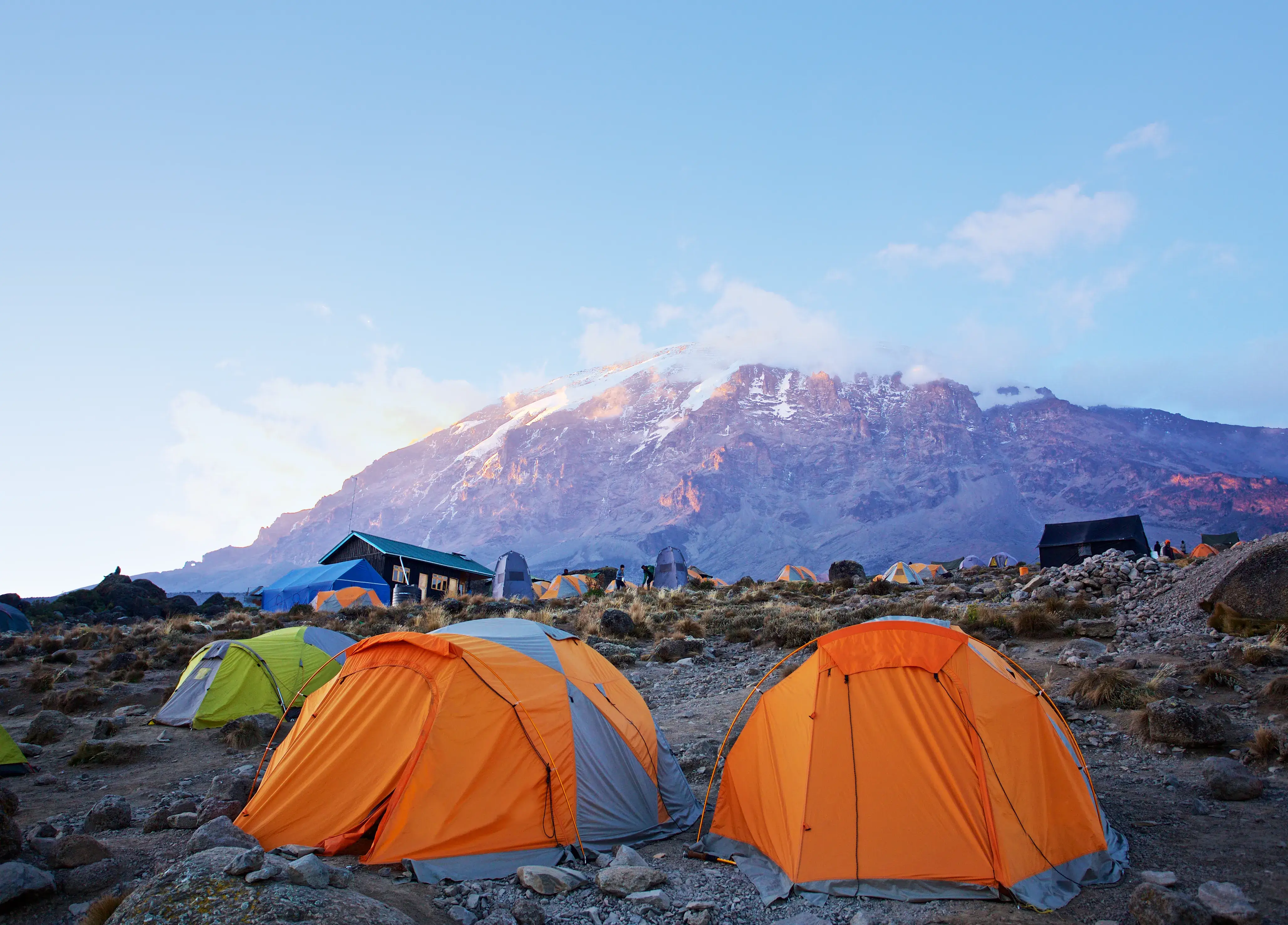
During Kilimanjaro Hiking and Climbing Adventures, you will sleep in tents. The Kilimanjaro Tents are typically spacious and equipped with sleeping pads to ensure a comfortable rest at campsites along the route.

When are the rainy and dry seasons in Tanzania?

Tanzania has two rainy seasons and two dry seasons. The short rains fall from November to December, followed by a dry stretch until mid-March.

Then the long rains begin and last until mid-June. If you want to avoid heavy rain, the Best Time to Climb Kilimanjaro is from January to early March or from June to October.

For rainy months, we recommend northern routes like Rongai and Northern Circuit, which stay drier even during wet seasons.

Are there any tips for acclimatization while climbing Kilimanjaro?

Acclimatizing well is one of the most important parts of a successful climb. Take it slow—your body needs time to adjust to the Kilimanjaro Altitude.

Drink plenty of water (3–4 liters a day), and join acclimatization hikes that go higher than your camp, then return.

These short hikes help your body adapt to altitude gradually. You can also prepare by hiking smaller mountains before your trip.

We offer Kilimanjaro Climbing Packages of seven days or more to give you the best chance of a smooth and healthy ascent.

What is the best route for acclimatization?

The Best Route to Climb Kilimanjaro for good acclimatization is usually Lemosho, Rongai, or Machame.

These routes offer a slow and steady gain in altitude, which helps your body adjust better and improves your chances of reaching the summit.

Lemosho and Machame routes also include extra acclimatization hikes built into the schedule.

How many extra acclimatization days should I take?

Most people do well with 7-day climbs like Machame or Lemosho, which include natural acclimatization time.

But if you’re unsure about your fitness level or have never done high-altitude trekking, adding one or two rest days can really help.

Taking it slow increases your chances of success and reduces the risk of Kilimanjaro Altitude Sickness.

Our team at African Scenic Safaris will guide you in building an itinerary that fits your pace and comfort.

Do I need to bring a medical kit?

African Scenic Safaris carries a full medical kit on every trek, including medications for nausea, headaches, and stomach issues, as well as oxygen support if needed.

Our guides are trained in Kilimanjaro Safety and first aid. You don’t need to bring a full kit, but if you take any prescription medications, pack those with you.

It’s always best to have your essentials close by. We handle the rest, so you can focus on the climb.

Can I go on safari after climbing Kilimanjaro?

Absolutely! Many climbers reward themselves with a safari right after reaching the summit.

Tanzania is home to some of Africa’s top safari spots, including Serengeti National Park and Ngorongoro Crater.

African Scenic Safaris can combine your climb and safari into one seamless itinerary—relax in a luxury lodge or enjoy wildlife game drives after your mountain adventure.

What is the food like on Kilimanjaro?

During your trek, our mountain chefs prepare warm, hearty meals tailored for altitude and energy.

Breakfast includes porridge, eggs, toast, and fruit. Lunch and dinner feature soups, rice, stews, veggies, and pasta dishes.

We accommodate vegetarians, vegans, and gluten-free diets too. Snacks like energy bars and dried fruit are helpful—consider packing your favourites from home.

A good diet keeps your energy up and supports better Kilimanjaro Climbing Success Rates.

How much are the park fees for climbing Kilimanjaro?

Park fees are around $154 per day per climber, and they include conservation, camping, rescue, and staff support fees. These costs are regulated by the park authority and paid through your tour operator.

At African Scenic Safaris, we include all park fees in our packages, so you won’t face any surprise charges. We handle all payments and logistics to make your Kilimanjaro Climb Cost simple and transparent.

Mount Kilimanjaro Climbing

Calculate your success rate for reaching the summit of Kilimanjaro

Based on data from 20,000 hikers who climbed with African Scenic Safaris

Evaluate Your Physical Condition/Stamina:
I can run 2 miles
Poor Fair Good Excellent
Have You Climbed Above 13,000 Feet In The Last 12 Months?

Kilimanjaro Climbing Cost

What you invest in this climb reflects the safety, support, and experience you carry to the summit.

The Kilimanjaro Climbing Cost usually ranges between $2,000 and $6,000 per person. The price depends on group size, route, number of days, and level of comfort. African Scenic Safaris offers both Classic and Luxury Kilimanjaro Climbing Packages—planned for safety, proper acclimatization, and the experience you want on the mountain.

Mountain Icon

Machame Route Pricing

(Per Person in USD)

1 pax 2 pax 3 pax 4 pax 5 pax 6 pax 7 pax 8 pax 9 pax 10 pax
$3,010$2,435$2,340$2,305 $2,270$2,230$2,215$2,195$2,175$2,160
$2,390$1,805$1,710$1,665 $1,630$1,585$1,575$1,550$1,530$1,520
$3,305$2,710$2,600$2,535 $2,490$2,470$2,435$2,425$2,405$2,395
$2,530$1,930$1,815$1,750 $1,705$1,680$1,645$1,635$1,610$1,600
Mountain Icon

Lemosho Route Pricing

(Per Person in USD)

1 pax 2 pax 3 pax 4 pax 5 pax 6 pax 7 pax 8 pax 9 pax 10 pax
$3,505$2,820$2,724$2,655 $2,625$2,580$2,535$2,525$2,515$2,505
$2,720$2,035$1,935$1,865 $1,830$1,785$1,745$1,735$1,720$1,705
$3,840$3,095$3,000$2,920 $2,875$2,810$2,790$2,765$2,745$2,710
$2,920$2,185$2,085$2,010 $1,965$1,900$1,870$1,850$1,825$1,800
Mountain Icon

Rongai Route Pricing

(Per Person in USD)

1 pax 2 pax 3 pax 4 pax 5 pax 6 pax 7 pax 8 pax 9 pax 10 pax
$3,205$2,525$2,425$2,360 $2,340$2,270$2,260$2,250$2,230$2195
$2,570$1,885$1,790$1,715 $1,695$1,630$1,610$1,600$1,580$1,545
$3,515$2,790$2,680$2,590 $2,560$2,515$2,490$2,480$2,460$2,435
$2,730$2,005$1,895$1,805 $1,765$1,720$1,700$1,690$1,665$1,645
Mountain Icon

Northern Circuit Prices

(Per Person in USD)

1 pax 2 pax 3 pax 4 pax 5 pax 6 pax 7 pax 8 pax 9 pax 10 pax
$4,330$3,425$3,340$3,260 $3,175$3,120$3,030$2,985$2,945$2,910
$3,300$2,395$2,310$2,230 $2,140$2,085$1,995$1,955$1,900$1,870

Kilimanjaro Packing List PDF

Get a full list of all the important clothes, gear, and items you'll need to help you plan and pack for your Kilimanjaro climbing Tour.

Behind The Name Kilimanjaro

The name Kilimanjaro carries stories, languages, and meaning passed down through the cultures living around the great mountain.

The exact meaning of “Kilimanjaro” is still debated. Many people think it comes from a mix of Swahili and Chaga words, which could mean "great mountain" or "shining mountain." The fact that these meanings are given shows how much the people who live near this mountain respect it. Not only is Kilimanjaro the tallest mountain in Africa, it's also a sign of power, mystery, and nature. Over the years, explorers, scientists, and hikers have studied and climbed it, but the story of how it got its name is still told today.

Mount Kilimanjaro Climbing
Simbo Natai

Interested In Climbing Kilimanjaro?

African Scenic Safaris is a sustainable tour operator in Tanzania arranging responsible climbing tours since 2009.

Best Time To Climb Kilimanjaro

Climbing is possible year-round, but choosing the right season can make your trek smoother and more enjoyable.

The Best Time to climb Kilimanjaro is during the dry months—January to early March and June to October. These periods offer stable weather and better summit conditions. However, climbs continue year-round. During rainy seasons, the drier Rongai Route is often preferred, making it possible to trek even in wet months.

Most Ideal

Low Season

January

January marks the start of a popular climbing window. Clear skies and dry trails offer great views and comfortable conditions during the day. Nights are chilly but manageable. Because of high demand during this season, many trekkers book early through Mount Kilimanjaro Climbing Packages that include guides, porters, gear, and accommodation. The mountain is moderately busy, and routes like Machame and Lemosho see good traffic. January is ideal for first-time climbers looking for a classic dry-season ascent with well-supported logistics.

Highlights
  • Climbing conditions are dry, clear, and great for summit views.
  • Temperatures are manageable with occasional light showers.
  • Second peak climbing season begins across all routes.
  • Good mix of weather and moderate crowd levels.
  • Excellent time for scenic photography and diverse landscapes.
February

February is one of the most stable months for Kilimanjaro Climbing Tours. Days are warm, skies are clear, and rainfall is minimal. The mountain trails are scenic and dry, especially above the forest zone. February draws climbers seeking strong summit success rates and balanced conditions, without the extreme cold of later months. It’s a great time for guided group tours or private treks, with both classic and luxury options available for those who want to explore Kilimanjaro at its best.

Highlights
  • Warm, dry days dominate with strong visibility and trail conditions.
  • Excellent month for stable weather across climbing zones.
  • Trails are moderately busy but not overly crowded.
  • High summit success rate due to favorable environment.
  • Ideal for beginners seeking comfort and beautiful trekking views.
March

Early March still sees decent conditions, but the long rainy season begins by mid-month. Showers increase, especially on southern slopes. A carefully planned Kilimanjaro Packing List becomes essential now—expect to carry rain gear, waterproof boots, warm clothing, and quick-dry layers. Visibility may be limited at times, and muddy trails can slow your pace. Still, it’s possible to climb with the right preparation and expectations. March offers a quieter mountain experience for those ready to trek through variable weather.

Highlights
  • Early March offers fair weather before big rains return.
  • Rain increases mid-month with cloud and muddy trails.
  • Climbers should be prepared with waterproof and layered gear.
  • Lower traffic offers peaceful but less predictable experience.
  • Consider early departure to avoid worsening weather later.
April

April brings heavier rain, marking the peak of the long rainy season. While many Kilimanjaro routes become wet and muddy, the Rongai Route—approaching from the drier northern side—remains a practical option. It offers better trail conditions, fewer crowds, and a unique view of the mountain. While views may be cloud-covered in the forest zone, upper sections often stay clearer. April appeals to experienced hikers prepared for wet weather and those seeking a quieter, less tourist-heavy Kilimanjaro experience.

Highlights
  • Big rainy season begins with high chances of daily rainfall.
  • Trails are slippery and wet, especially in forest zones.
  • Very few climbers on the mountain during this period.
  • Temperatures drop, especially at higher elevations and overnight.
  • Not ideal unless well-prepared for consistent rain and mud.
May

May continues the rainy season, and most Kilimanjaro Routes see fewer climbers. Trails can be muddy, visibility can be low, and the weather can be unpredictable. Still, this time offers beautiful, snow-dusted scenery and moody atmospheres—perfect for photographers or solitude-seeking trekkers. The mist and cooler air make the summit feel especially dramatic. Those choosing to climb in May should be well-prepared, guided by experienced professionals, and understand the seasonal risks. It’s a great month to learn how different Kilimanjaro Routes respond to changing conditions.

Highlights
  • Rain continues into mid-May with cooler, cloudier conditions.
  • Climber numbers remain low, creating a quiet mountain experience.
  • Trekking is possible but requires proper rain-ready gear.
  • Good time for solitude if you accept unstable weather.
  • Routes may be scenic but often hard to navigate.
June

June brings drier weather and clear skies, signalling the return of better climbing conditions. The Lemosho Route is a top choice now, thanks to its remote starting point, scenic variety, and strong acclimatisation profile. Trails are less crowded than peak months, offering a more personal experience. Daytime temperatures are pleasant, while nights remain cold. June is an underrated but excellent month for climbing, especially for trekkers looking to avoid the peak-season bustle and enjoy quiet, scenic trails.

Highlights
  • Rain fades and skies turn clear for excellent trekking conditions.
  • Trails are dry, but nighttime temperatures remain very cold.
  • Fewer climbers make it a peaceful, underrated climbing month.
  • Popular routes feel almost private and uncrowded.
  • Ideal for experienced trekkers who enjoy calm mountain settings.
July

July kicks off Kilimanjaro’s high season. Dry conditions dominate, though nights are colder as elevation increases. The Machame Route becomes very popular during this period due to its panoramic scenery, diverse landscapes, and good acclimatisation profile. Also known as the “Whiskey Route,” it’s suited for fit trekkers looking for a challenging but rewarding journey. Camps may be crowded, but the energy on the trail is high. With proper layering, this is a fantastic time to enjoy Kilimanjaro at its best.

Highlights
  • Trails get busier as peak season begins across Kilimanjaro.
  • Weather stays dry with very cold mornings and nights.
  • Visibility is great above the forest and moorland zones.
  • Perfect time for groups and well-prepared climbers.
  • Plan early as routes and camps fill quickly.
August

August is one of the busiest climbing months on the mountain. All major Kilimanjaro Climbing Routes—including Machame, Lemosho, Northern Circuit, and Rongai—are active with trekkers from around the world. The weather is dry and stable above the forest zone, though the southern slopes can occasionally be misty. Clear summit views are common, and the overall climbing success rate is high. While the trails are more crowded, the mountain spirit is lively, and it’s an ideal month for social or group treks.

Highlights
  • Peak climbing season with sunny, dry weather at higher altitudes.
  • Crowds grow, especially on Machame and Marangu routes.
  • Great visibility above the cloud line for summit views.
  • Forest zones may still see occasional cloud and rain.
  • Best month for climbers prioritizing weather over quiet trails.
September

September continues the peak season with excellent conditions. The Northern Circuit Route is ideal this month, offering fewer crowds, diverse scenery, and the best acclimatisation profile of all routes. This longer trail wraps around the mountain’s northern side, revealing remote, untouched landscapes and high summit success rates. Trekkers looking for a quieter path with more time to adjust to altitude will enjoy this route. Clear skies and dry trails make it a great time for both challenge and beauty.

Highlights
  • Excellent conditions continue with slightly warmer days than August.
  • Most routes remain crowded due to favourable summit success rates.
  • Forest areas may still be cloudy in early mornings.
  • Northern routes offer quieter trails and strong acclimatisation.
  • Ideal for those seeking a balance of weather and views.
October

October is often overlooked, yet it remains a solid month for climbing. Early in the month, Kilimanjaro Climbing Routes are less crowded, and the weather is still relatively dry. By late October, showers may return, especially on southern trails. However, most routes remain passable with proper preparation. This shoulder season offers a good balance between weather and privacy. It’s also a great time for those who prefer fewer crowds without venturing into the wetter months ahead.

Highlights
  • The first half offers good weather and fewer climbers on trails.
  • Late October brings unpredictable rain in forested sections.
  • A peaceful time for solitude-seeking and flexible trekkers.
  • Light showers usually occur in the afternoons and don’t last long.
  • Prepare for shifting weather with rain protection and layers.
November

November brings the short rainy season. Wet, misty conditions limit visibility and make trails slippery, but for price-conscious climbers, this month often comes with a lower Kilimanjaro Climbing Cost. Fewer trekkers mean quieter trails and better deals on climbing services. While not ideal for everyone, experienced hikers or budget travellers willing to embrace the rain can still enjoy a successful summit, especially via the northern Rongai Route, which sees less rain than southern approaches.

Highlights
  • The short rainy season begins with increased cloud and daily mist.
  • Trails become slippery and visibility reduces in forest areas.
  • Very few climbers make this a quiet month.
  • The snow-capped summit looks beautiful through the passing mist.
  • Challenging but rewarding for those who enjoy solitude.
December

December sees increased climbing activity, especially around Christmas and New Year. Though early December can be rainy, mid to late December offers a mix of cloud cover and snowy peaks, making for stunning summit photos. Kilimanjaro Climbing Tours are in high demand, with both private and group departures filling quickly. While lower zones may be cloudy, upper sections are usually clear. It's a festive and energetic time to climb, ideal for ending the year on a literal high note.

Highlights
  • The Christmas season brings high traffic on popular Kilimanjaro routes.
  • Weather at lower elevations may be rainy and humid.
  • Summit areas stay colder and often snowy or frosty.
  • Book early as tours fill quickly during holidays.
  • Festive atmosphere, but busy camps and crowded trails.

Let’s Climb Kilimanjaro Together!

Take on Africa’s tallest mountain and reach the summit you’ve dreamed of.

What Our Guests Say

African Scenic Safaris #1 on TripAdvisor
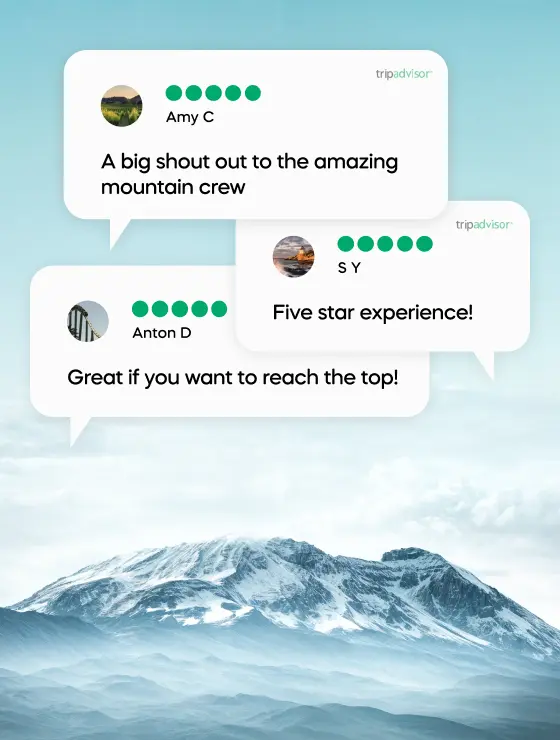
Every trek has a story to tell. Some are about getting to the top, while others are about the way they got there. It's not just about hiking Kilimanjaro—it's about who you walk with and how it makes you feel. Our guests share honest moments, helpful tips, and warm memories that remind us of this.

Popular Questions About Mount Kilimanjaro Climb

Kilimanjaro climbing is exciting, but it also raises a lot of questions. Your journey will be safer, smoother, and more satisfying if you know what to anticipate.

Before starting your Mount Kilimanjaro climb, it’s important to understand the important details. From the best time to climb, route options, and altitude challenges to necessary gear and safety tips, being well-prepared makes all the difference. Here, we answer the most popular questions to help you plan your climb confidently.

Mount Kilimanjaro is in northern Tanzania, just south of the equator, within Mount Kilimanjaro National Park. All official Kilimanjaro Climbing Routes begin in Tanzania, even though you’ll often see photos of the mountain taken from neighbouring Kenya.

The closest airport is Kilimanjaro International Airport (JRO), located about 50 minutes from Moshi—the town where most Kilimanjaro climbs begin. African Scenic Safaris arranges your airport transfers and makes sure your journey starts smoothly.

Climbing Mt Kilimanjaro can be challenging due to the high altitude and varying terrain, but with proper preparation and guidance, it is achievable for many climbers.

Most climbers fly into Kilimanjaro International Airport (JRO), which is well connected through major airlines like Qatar Airways, Turkish Airlines, and KLM. From the airport, it’s less than an hour by road to Moshi, where most treks begin.

You can also reach Kilimanjaro via domestic flights from Dar es Salaam or by overland travel from Nairobi. African Scenic Safaris helps arrange all transfers to make your trip as easy and stress-free as possible.

We’re one of the Best Kilimanjaro Tour Operators for travellers who want everything handled from arrival to summit.

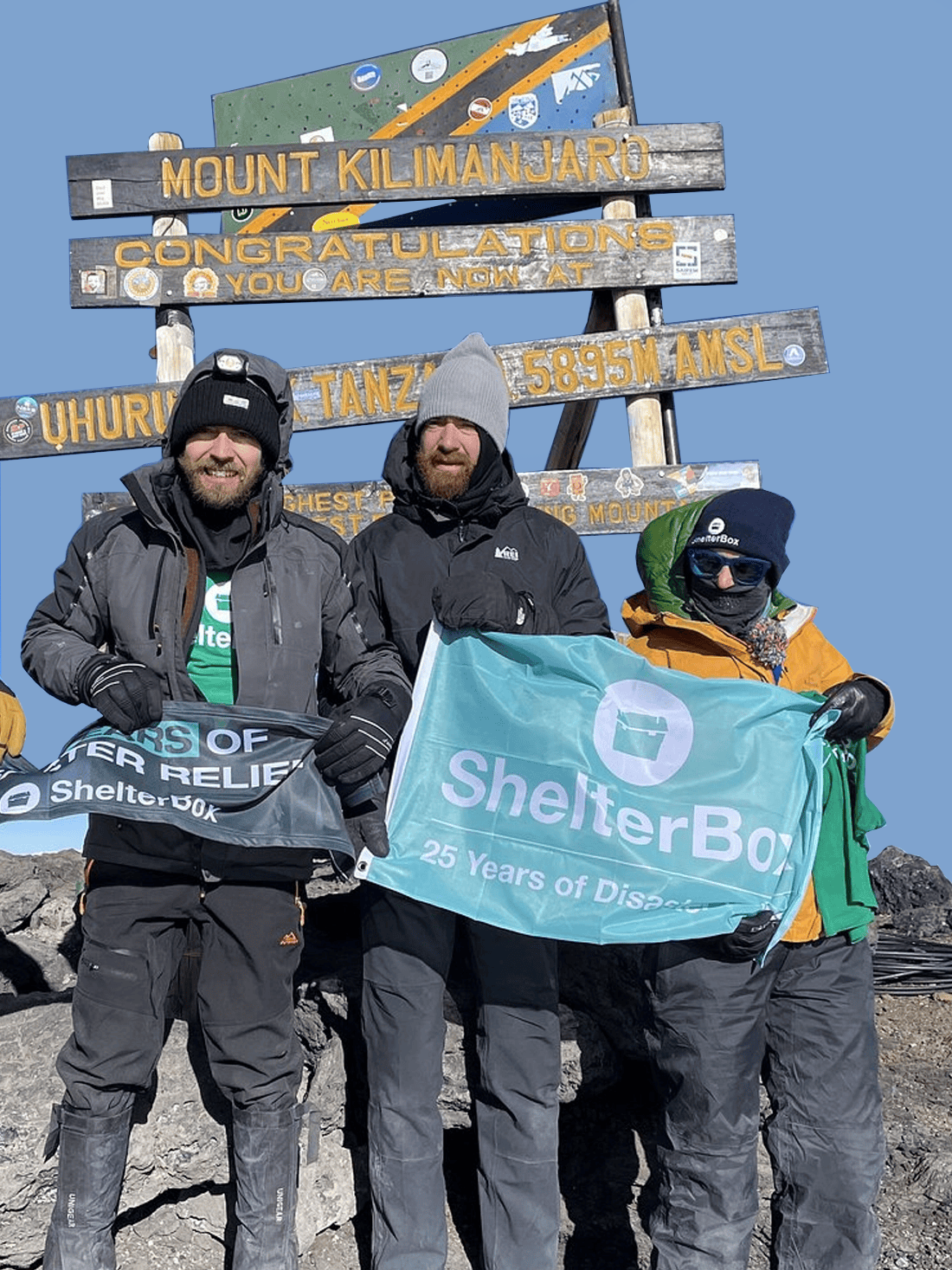
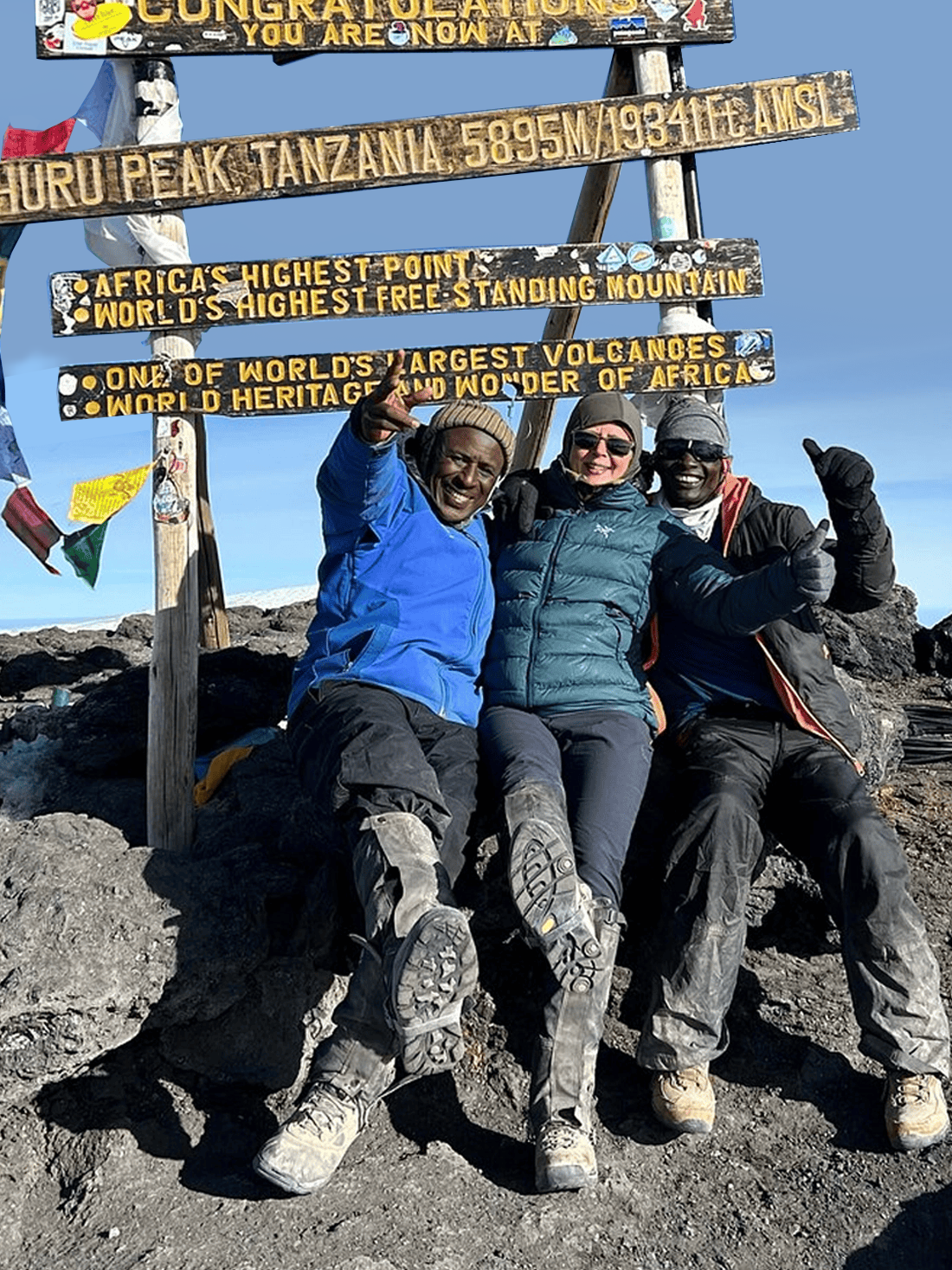
Mount Kilimanjaro rises to 5,895 meters (19,341 feet) above sea level. The highest point is called Uhuru Peak, a name that means “freedom” in Swahili, given in 1961 to mark Tanzania’s independence. You don’t start from sea level, though—most trailheads begin around 1,600 meters (5,250 feet). That’s still a huge gain in elevation, so your body will need to adjust gradually as you climb.

Climbing Mt Kilimanjaro can be challenging due to the high altitude and varying terrain, but with proper preparation and guidance, it is achievable for many climbers.

×