Kilimanjaro Porters
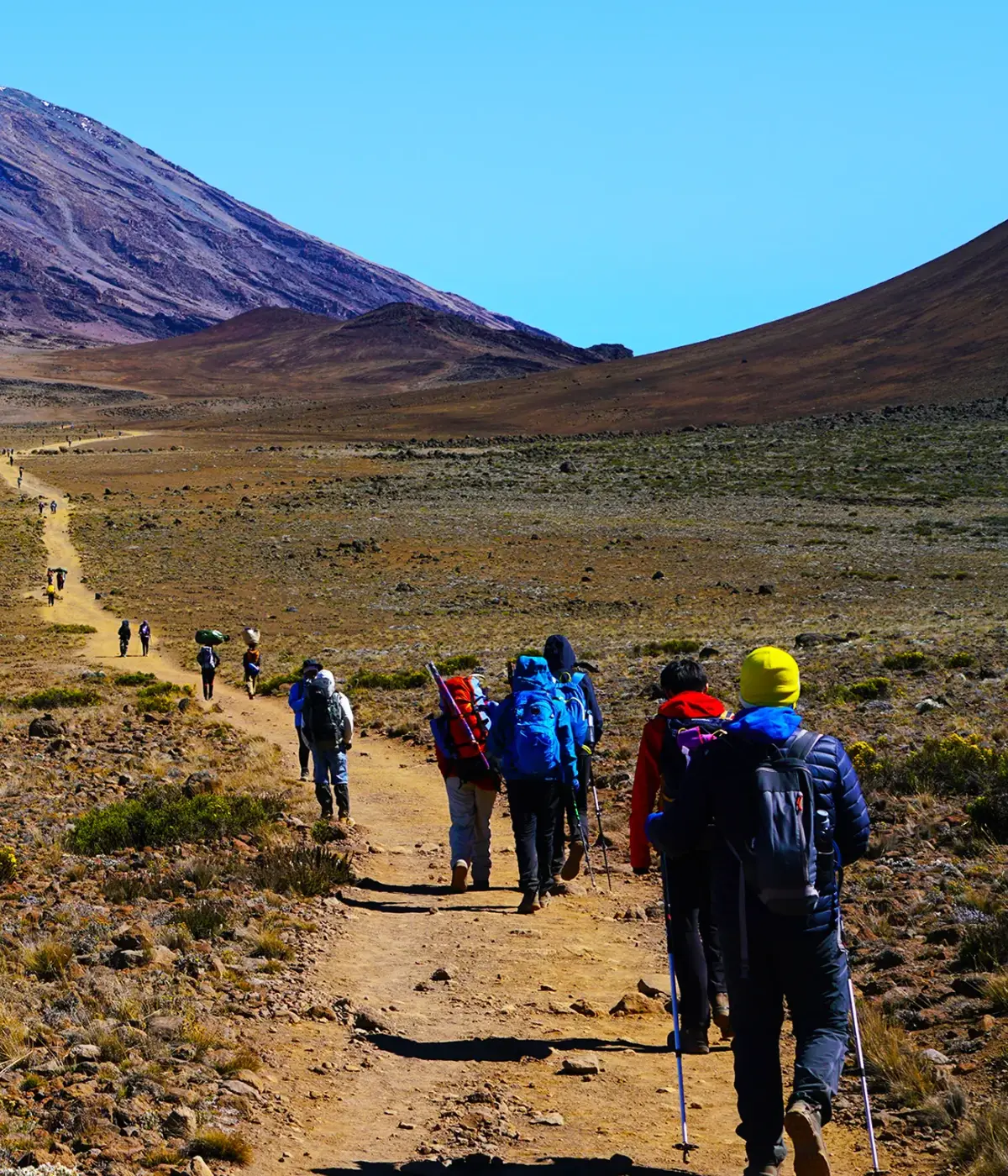
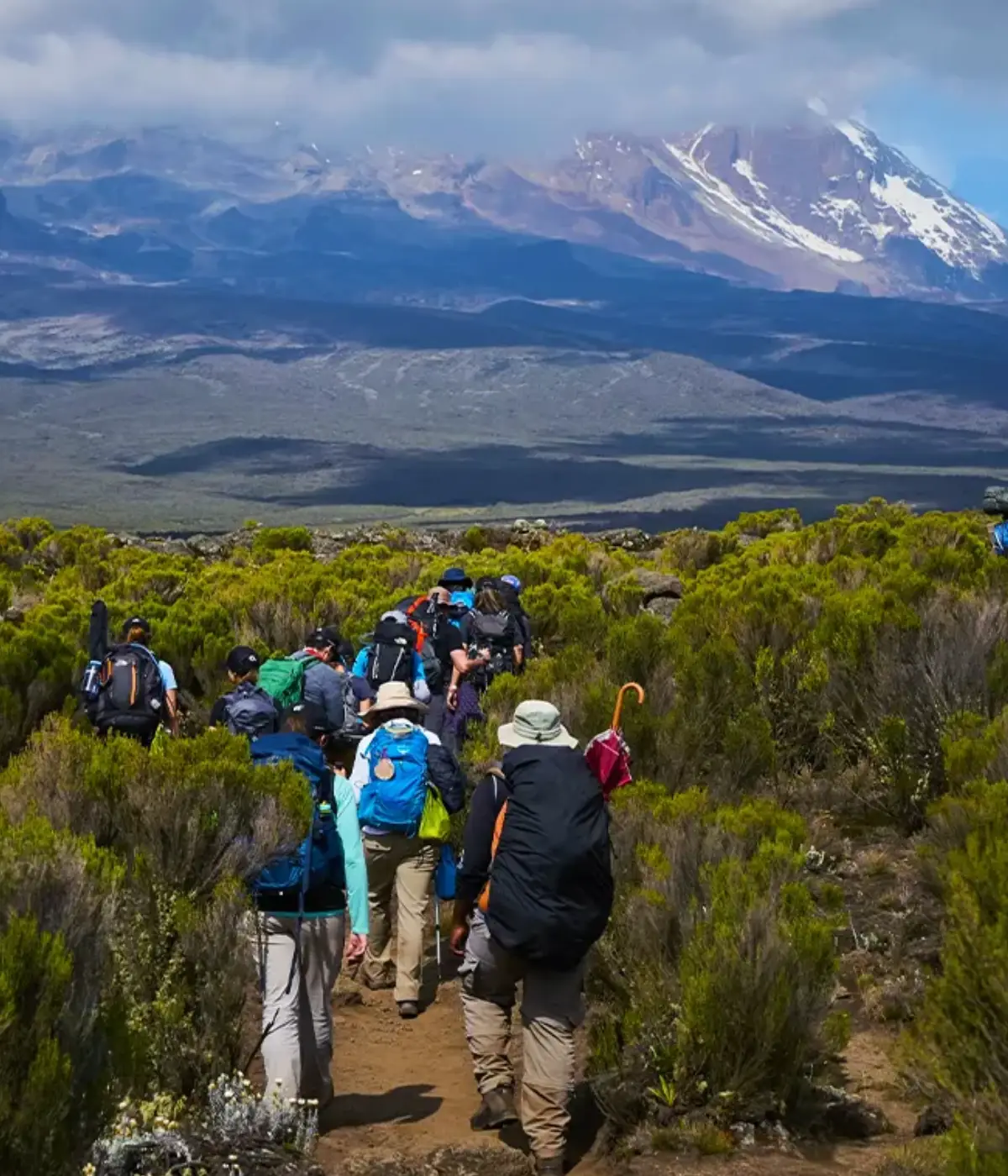
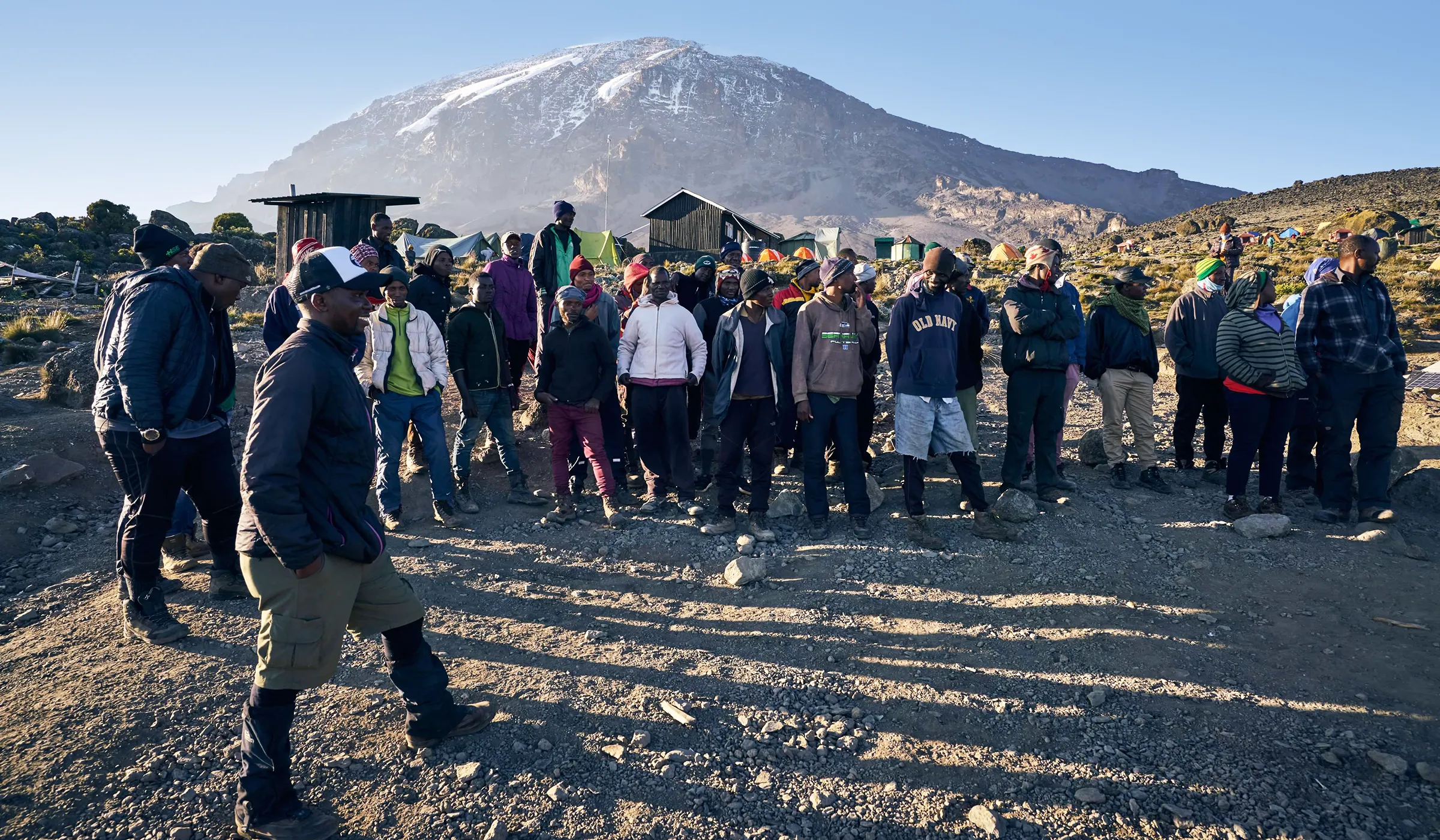
Scaling the majestic peak of Kilimanjaro is an extraordinary journey, made possible by the relentless efforts of our irreplaceable Kilimanjaro Porters. They are the unsung heroes of your Mount Kilimanjaro Climbing adventure, constantly hustling, carrying heavy loads to set up your camps, and making your trek seamless.
The role of a porter is not a simple one. It’s an intense demanding job that commands immense respect. Anyone who has climbed Kilimanjaro would tell you how awe-inspiring the porters' dedication and resilience are.
The most profound way to show gratitude to these devoted individuals is by choosing a company that acknowledges their worth and treats them right. At African Scenic Safaris, we prioritize their well-being, respect their dedication, and honour their tireless efforts. Because we do believe that their success is our success!
Who Are Kilimanjaro Porters?
Mount Kilimanjaro Porters are a dedicated group of people who help climbers carry their gear during the hike.
- Most of them are local men, aged between 18 to 40.
- They work together with a team of experienced professionals.
- Women occupy a small percentage of Kilimanjaro Porters. Yet, they display an equal level of commitment and fervor as they skilfully navigate their way up the mountain.
These people start their job as porters when they're around 18, which is the legal age. Some might look younger than that. While many stop working on the mountain by the time they're 40, you may see a few who are older.
Why Do You Need Porters?
Believing you can conquer Mount Kilimanjaro without Porters is a huge misconception. The porters are more than just helpers; they're vital members of your climbing team.
Without their support, completing the climb to one of the world's highest summits becomes nearly impossible due to several challenges such as unpredictable weather changes.
Let's break down why you need Kilimanjaro Porters:
- The climate on Mount Kilimanjaro can shift rapidly, necessitating numerous gear pieces to protect against cold, heat, rain, and dust.
- The path to the top only allows for camping rest stops, so you'll need to carry equipment like tents.
- Carrying all this gear along with your personal items can become exhausting, especially as Kilimanjaro Altitude Sickness can set in. Many climbers abandon their quest midway because of the burden.
- So, to avoid such a situation, you need help and assistance from Kilimanjaro Porters. They won’t just carry your belongings but also take care of numerous other duties which is an added relief to your journey,
African Scenic’s Insight: Our Kilimanjaro Climbing Packages come complete with the dedicated services of professional Kilimanjaro Porters and Guides. And, don’t worry about the plight of these hard-working individuals. We take utmost care of our crew.
What Does A Kilimanjaro Porter Do?
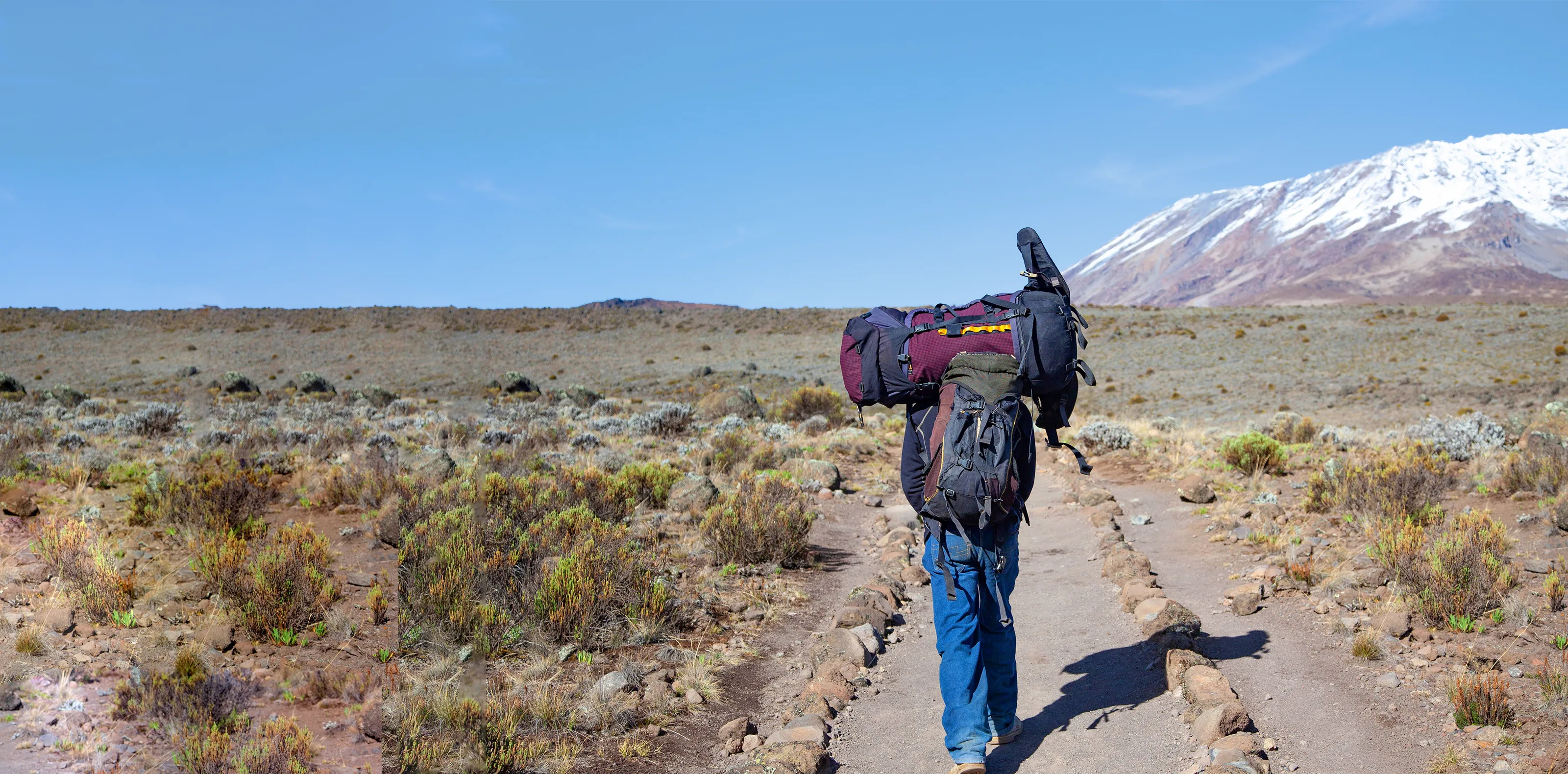
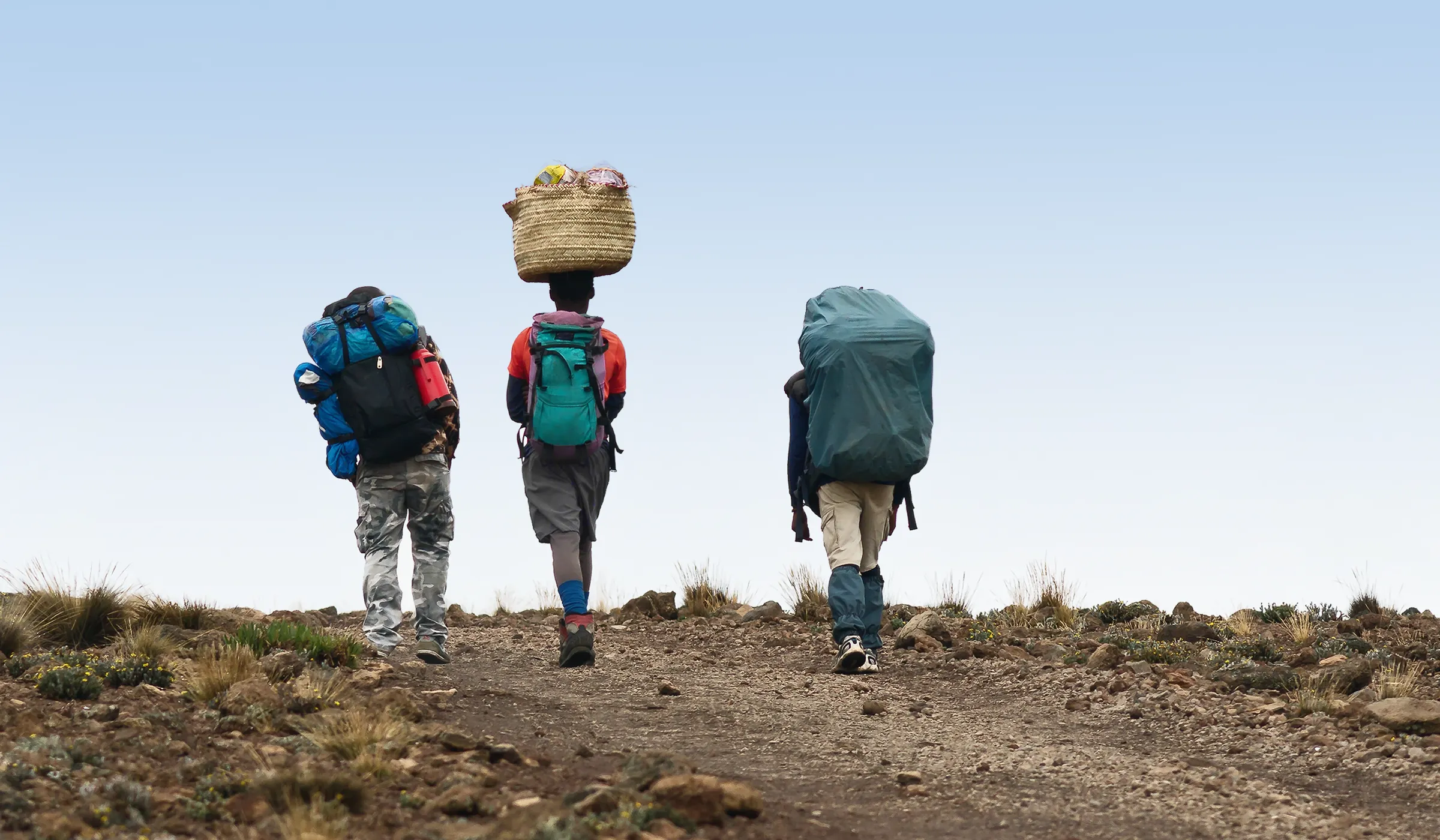
Kilimanjaro Porters have many important jobs. But their main work is to carry all the necessary equipment for the team. This includes personal things for each guest and bigger items like tents, sleeping bags, food, medical kits, and even toilets! They also take care of any waste that's made during the trip.
Apart from this, let’s look at some other activities that are carried out by porters that make them an integral part of a Mount Kilimanjaro Climbing expedition.
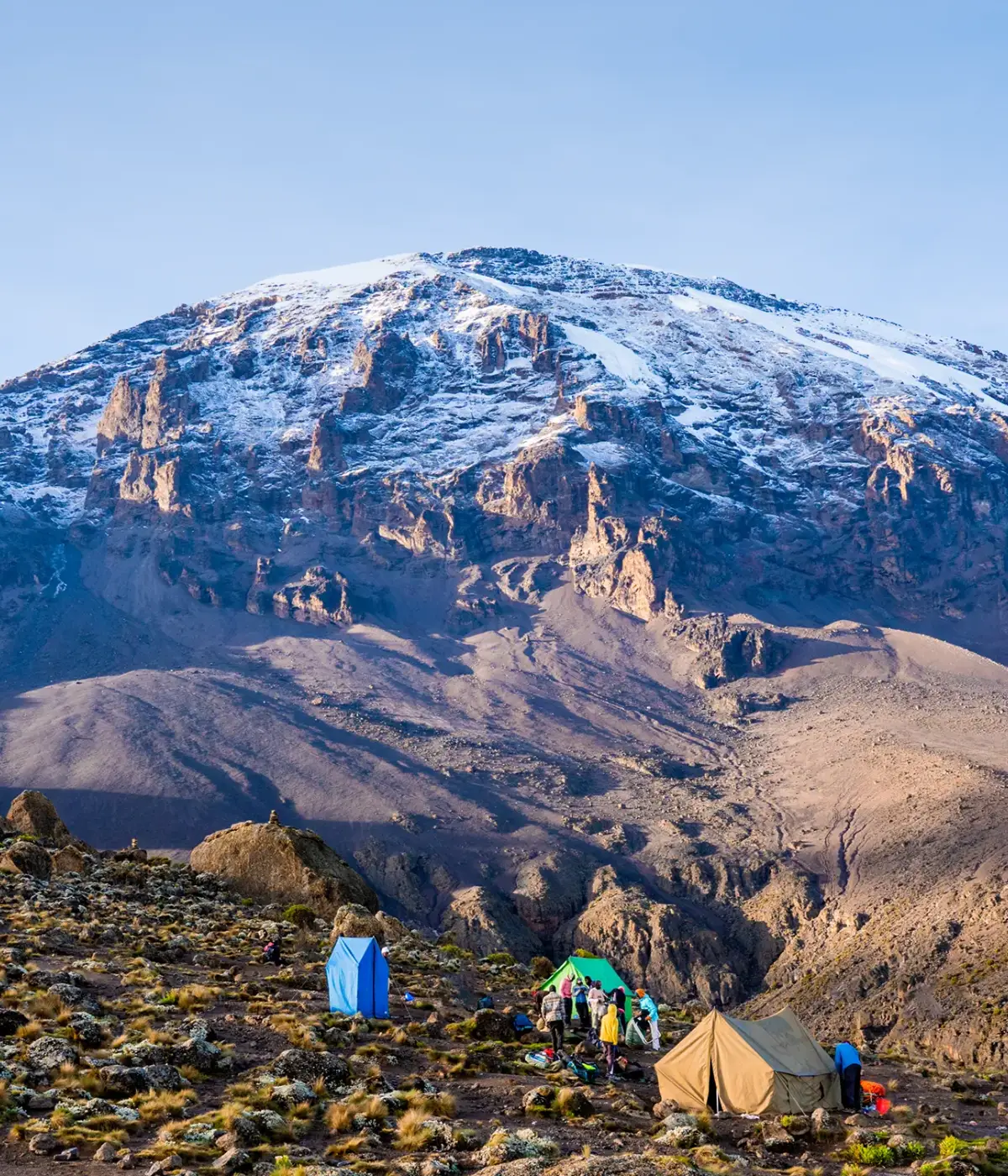
- They set up camp. At the end of a tiring day's climb, it's a huge relief to arrive at a full set-up camp, all thanks to the Kilimanjaro Climbing Porters.
- They ensure safe water and meals. Purifying water and assisting with meals safeguard your health during the expedition.
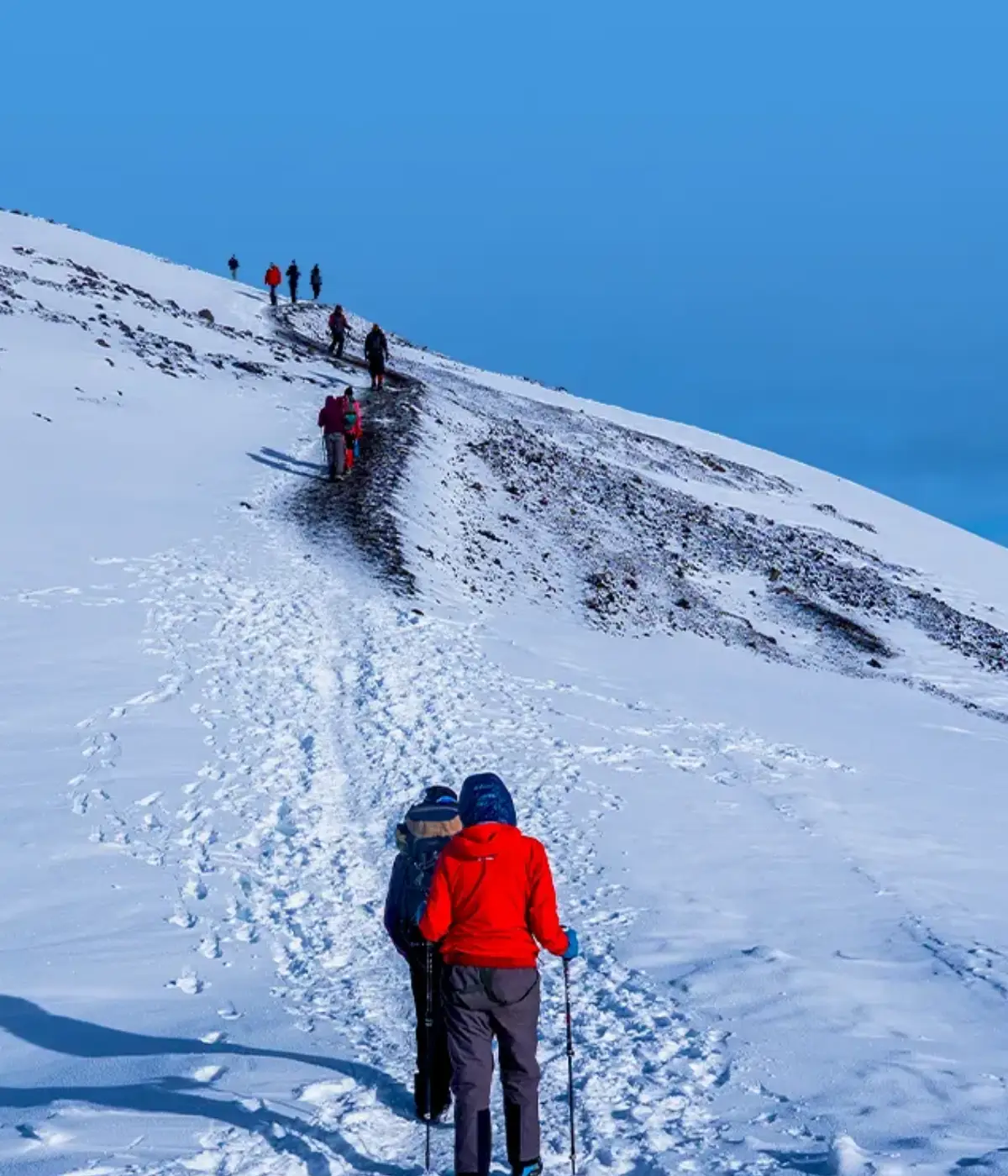
- They provide moral support. The encouragement provided by the porters along the difficult Kilimanjaro Routes can be a game-changer in reaching the summit.
- They offer assistance at high altitudes. When high altitude takes its toll, they help with simple tasks that suddenly become arduous.
Remember, a climb of Kilimanjaro without Porters would be much more challenging and riskier. Therefore, the Mount Kilimanjaro Porters Society and the Kilimanjaro Porters Association work hard to ensure the well-being of these crucial team members.
Creating A Safer Climb For Everyone
The Kilimanjaro Porters Assistance Project (KPAP) is a Tanzanian organisation that is officially committed to promoting fair and ethical treatment of Kilimanjaro Porters.
KPAP assists porters by providing them with essential facilities such as
- clothing at no cost
- offering educational programs, including training in first aid
- Establishing guidelines for the proper treatment of porters in the industry
- Raise public awareness about the working conditions of porters
- Encouraging climbers to choose companies that treat the porters fairly
At African Scenic Safaris, we take immense pride in our collaborative alliance with the KPAP. We open ourselves up to impartial evaluation by a KPAP porter on every climb we undertake. This third-party organization ensures we adhere to the correct standards of treatment. This voluntary association underlines our dedication to those truly pivotal in making your ascent achievable.
Word Of Caution: Please be aware that some companies may falsely claim to be KPAP Partners or members of other organizations, without actually treating porters fairly. You can check the official list of approved KPAP Partner Companies on the IMEC website.
Weight Limits For Kilimanjaro Porters
While Climbing Mount Kilimanjaro, the trek operator assigns each hiker a few porters to help transport their duffel bag from one campsite to another. It’s important to note that each duffel’s bag weight should ideally not exceed 20 kg (or 44 lbs).
The Kilimanjaro Porter Weight Limit strictly involves personal gear such as clothes, sleeping bags, and so forth, but excludes camping essentials like sleeping mats, tents, or food.
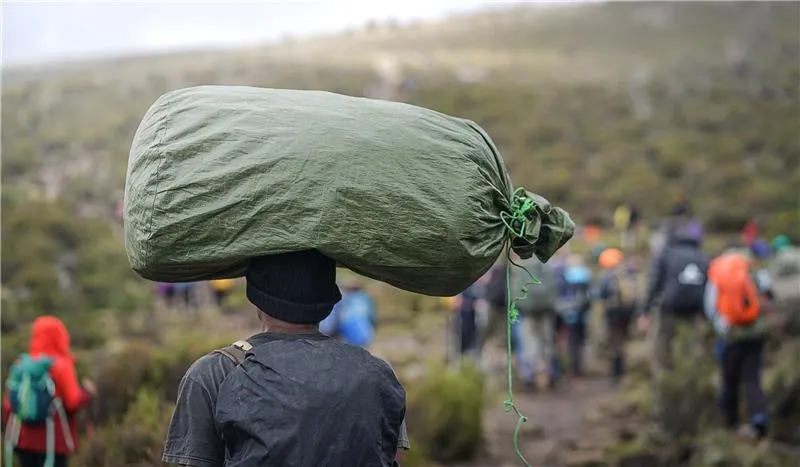
These Kilimanjaro Porters prefer waterproof, soft duffel bags because they carry them on their heads and shoulders throughout their journey. A soft-sided backpack that lacks any rigid metal frames is also allowed as they can carry them without any hassle.
It's crucial to note that some porters might opt to carry loads heavier than what is recommended. It's vital not to promote this kind of practice.
How Many Porters Do You Need On Kilimanjaro?
Many travellers often wonder about the number of porters required for an ascent of Mount Kilimanjaro. It was common for each climber to employ one porter in the past. However, changes implemented by the Kilimanjaro Porter Association Project now limit the weight a porter can carry to 15kg.
As a result, trekking operators now assign between two and three porters per climber, based on the weight of the luggage. Undertaking a climb up Mount Kilimanjaro should not be approached lightly. Kilimanjaro Climbing Porters play a vital role in the success of your summit journey, making it crucial for climbers to respect the guidelines and ensure the well-being of their porters.
How Much Should You Tip Kilimanjaro Porters?
Tipping is an established tradition during a Mount Kilimanjaro trek. Here, we have provided a guide for estimating the appropriate amount for Kilimanjaro Porters Tips. However, bear in mind that these are only suggestions that serve as a benchmark.
Interestingly, you'll find that our suggested tipping ranges are about 10-20% higher than what you'll commonly find online. Our rationale is straightforward: if individuals can afford the experience of Climbing Kilimanjaro as a leisure pursuit, they should also be in a position to extend a little extra generosity to the support crew who make this journey feasible.
Now, moving on to the suggested Kilimanjaro Porters and Guides tipping amounts. It's important to understand these figures represent the total tips for each group role, not for each climber. They are as follows:
- Main Guide: We suggest a tip of US$20 to US$25 each day.
- Assistant Guide: We recommend a daily tip of US$15 to US$20.
- Cook: We suggest giving a daily tip of US$15.
- Porter: We propose a daily tip of US$10.
What Makes Our Porters Different?
As mentioned earlier, we are proud members of the Kilimanjaro Porters Association. Our porters receive proper training, fair wages, and excellent working conditions. We also ensure they are well-equipped with quality gear and clothing for their health and safety.
Behind every successful Kilimanjaro climb are the hardworking porters who make it all possible. Want to experience their unmatched support? Book your Kilimanjaro adventure with us today and be part of a journey that honours these incredible heroes!
How Can We Take Care Of Our Porters?
Here are the simplified actions we've taken to secure the health and safety of our Kilimanjaro Climbing Porters:
- All crew are paid at least the minimum daily wage, always within good time.
- The loads carried by our porters do not exceed 20kg.
- Crews are provided with three meals per day on the mountain.
- We provide transportation to/from National Park gates.
- We offer equal climbing opportunities to all porters registered with the company.
- Tipping recommendations are given to all clients and tips are disbursed transparently to all crew.
- Crew have comfortable sleeping conditions offering good protection from the environment.
- We ensure the safe descent of any ill or injured porters and provide medical treatment as necessary. Full wages are paid in such circumstances.
- We ensure all crew have adequate clothing and equipment to climb.
- We take great care to build strong and open relationships with our porters.
- All local and National Government standards and regulations are adhered to.
- Porters can access training, additional educational opportunities and equipment loans.
We regularly hear from clients about how happy our crew look on the mountain. By treating them well, we have the luxury of having the best guides, cooks and porters working for us.
If you would like to support the work of KPAP beyond booking your trek with us, you may wish to consider making a direct donation here.
Ethical Treatment Of Our Planet
Since Kilimanjaro features on the bucket list of many a traveller, we need to work extra-especially hard to protect this incredible mountain for the future. Our crew and climbers are asked to adopt the following practices to minimise the impact we have on the environment:
- Trash in, trash out! Please do not litter the mountain. This includes cigarette butts. We will provide rubbish bags at camp and porters will descend with all trash.
- Dispose of toilet paper correctly at camps, not leaving it in bushes along the trail.
- Disposable plastic bottles are strictly not permitted in Kilimanjaro National Park.
- Single-use plastic carrier bags are not permitted in Tanzania. Whilst refuse sacks and Ziplock bags are permitted by law, and are useful for waterproofing equipment and disposing of toilet paper, we encourage you to bring biodegradable or recycled bags where possible and to take any unused bags home.
- Stay on the paths and do not walk through vegetation.
- Ensure you leave every camp as clean, or cleaner than you found it.
Our Company Is Dedicated To Environmental Protection
- Many of our crew members hold Leave No Trace certification, ensuring they have a clear understanding of the outdoor environment and methods to minimise our impact on it.
- Crew who has demonstrated a commitment to LNT practices are encouraged to progress to instructor status, sharing their knowledge with the entire crew.
- We are members of Carbon Tanzania, who provide measurement tools enabling us to reduce and offset our own and our guests’ carbon footprint.
- We adhere to Responsible Tourism Tanzania’s best practices and are a Travelife partner company.
The Real Strength Behind The Summit
Our Kilimanjaro Porters are the unsung heroes, the heart and soul of every Mount Kilimanjaro Climbing expedition. They represent resilience, dedication, and indomitable strength day after day.
Here at African Scenic Safaris, we wholeheartedly acknowledge and value their incredible contribution. Our comprehensive Kilimanjaro Climbing Packages are designed to provide every adventurer with an unforgettable experience, all while ensuring the well-being of these heroes.
Explore Kilimanjaro Travel Guide
Find essential topics below to help you plan, prepare, and enjoy your Kilimanjaro travel experience fully.
Climb Kilimanjaro With Us
Get ready for a mountain adventure with real advice, smiling guides, and simple help that actually works. We’re with you from start to summit.
Frequently Asked Questions
Kilimanjaro Porters play a crucial role in supporting climbers by carrying necessary gear, setting up camps, and providing essential services throughout the trek.
The number of porters depends on the group size, typically around 2-3 porters per climber, ensuring a comfortable and safe climb.
Yes, our porters are professionally trained for climbing Kilimanjaro and are equipped to deal with the harsh conditions of the mountain.
The porters carry up to 20 kilograms, as set by park regulations, including their items to maintain their well-being and safety.
The amount you tip porters can vary, but a standard recommendation is about $10-15 per day, per porter, depending on their role and service.
Communication with porters can be facilitated through guides. While most porters understand basic English, learning a few words in Swahili can also be helpful.
The minimum legal age for porters on Kilimanjaro is 18. However, they usually stop working at about 40 due to the physically demanding nature of the job.
Yes, there are guidelines for the treatment of porters on Kilimanjaro. The Kilimanjaro Porters Assistance Project (KPAP) sets minimum standards for fair porter treatment.
Kilimanjaro porters carry equipment, prepare meals, set up tents, and ensure climbers' safety and comfort throughout the trek.
The recommended currency for Kilimanjaro Porters Tips is US dollars (USD). As per Kilimanjaro Porter’s guidelines, it is advised to tip guides and assistant guides USD 20-25, cooks USD 15, and all other staff including porters USD 10 per day.
Yes, acquiring Kilimanjaro Travel Insurance is highly recommended to cover potential medical emergencies, trip cancellations, and other unforeseen circumstances. Make sure your policy includes coverage for high-altitude trekking and evacuation services.
Simbo Natai, a Germany-based travel consultant, spent seven years living in Tanzania before returning to snowy Schleswig
About the author


 African Scenic Safaris #1 on TripAdvisor